

Building Worlds: How Protoplanetary Disk Chemistry Shapes Rocky Planets
Spaargaren and colleagues show that rocky planet compositions depend strongly on the chemistry of their birth disks. Using simulations of condensation for 1,000 stellar compositions, they find that Earth-like planets form in low carbon-to-oxygen disks, while higher ratios yield graphite-rich or metal-heavy planets. Their results suggest rocky exoplanets are far more chemically diverse than previously assumed.

Building Earths in Tandem: A New Theory for Planet Formation
Nimura and Ebisuzaki propose a “tandem planet formation” model where rocky planets form at the inner edge and gas giants at the outer edge of calm regions in a star’s disk. Their simulations naturally produce Earth- and Venus-like planets, while smaller worlds like Mars and Mercury may form from leftover material. The model also explains Earth’s unique chemistry and offers a framework for understanding exoplanet diversity without requiring giant planet migrations.

Building Planets Close to Home — Can Pebble Accretion Form Hot Worlds?
This study explores whether close-in exoplanets can form via pebble accretion. It finds that low disc turbulence and moderate pebble fragmentation speeds are key for successful growth. While higher metallicity helps, it's less influential than stellar mass or disc conditions. Timing of planetesimal formation is also critical.
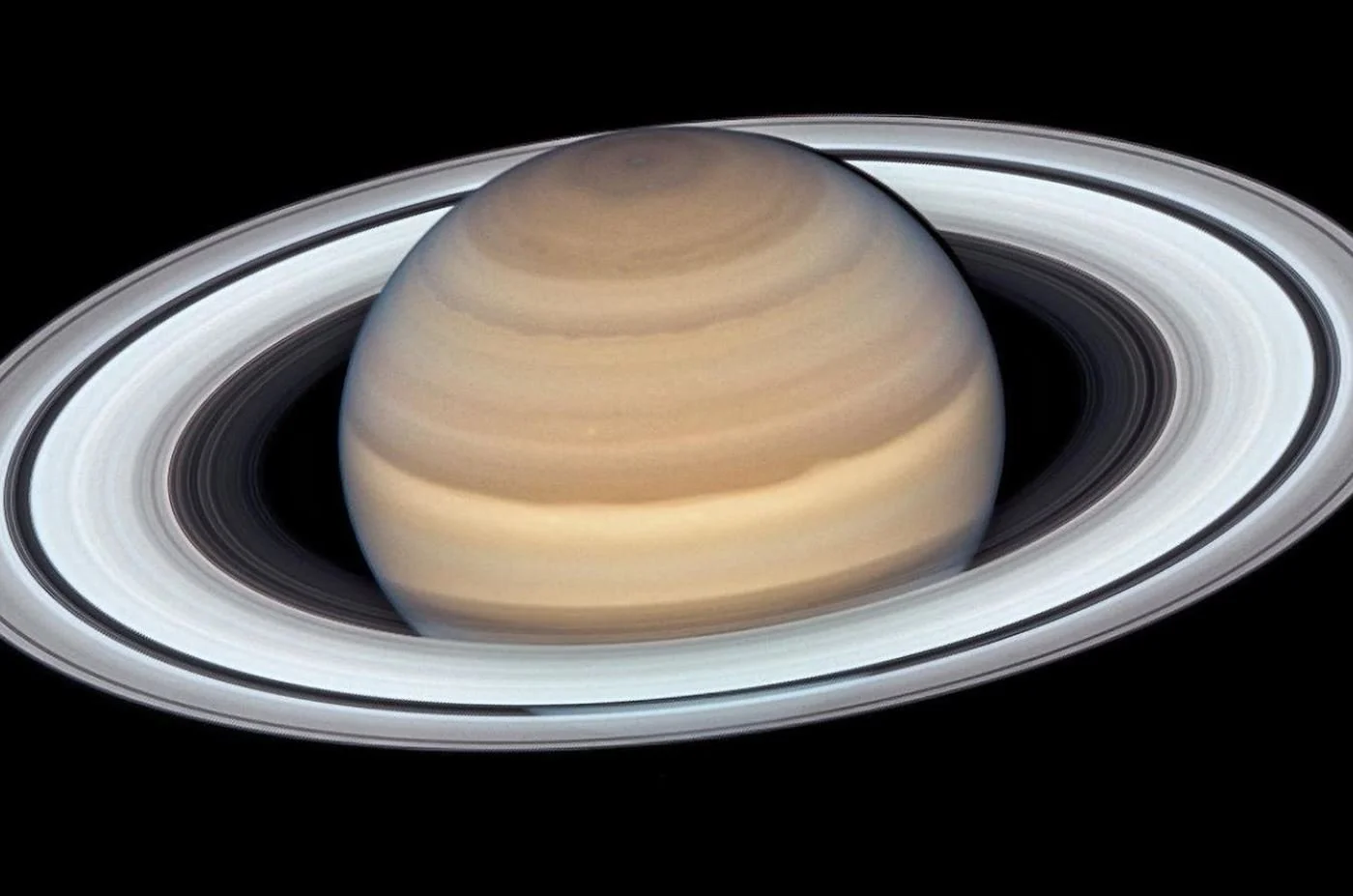
Building Saturn: Simulating Its Formation, Layers, and Helium Rain
The paper models Saturn’s formation from a small rocky core to its present state, including how heavy elements dissolve into its atmosphere and how helium rain shapes its internal structure. Their simulations match Saturn’s observed size, heat, and composition, supporting the idea of a diluted core and confirming Cassini's gravity data. The study also tests alternative formation scenarios, finding consistent results.

When Planets Go Their Own Way: A Stellar Ejection Explains a Misaligned Planetary System
The paper investigates the unusual misalignment in the IRAS04125 system, where a young planet and binary star orbit at a steep angle to the surrounding disc. The authors propose this was caused by the ejection of a third star from a chaotic triple system, which disturbed the disc and orbits. Simulations support this idea, offering a plausible explanation for the system’s geometry.
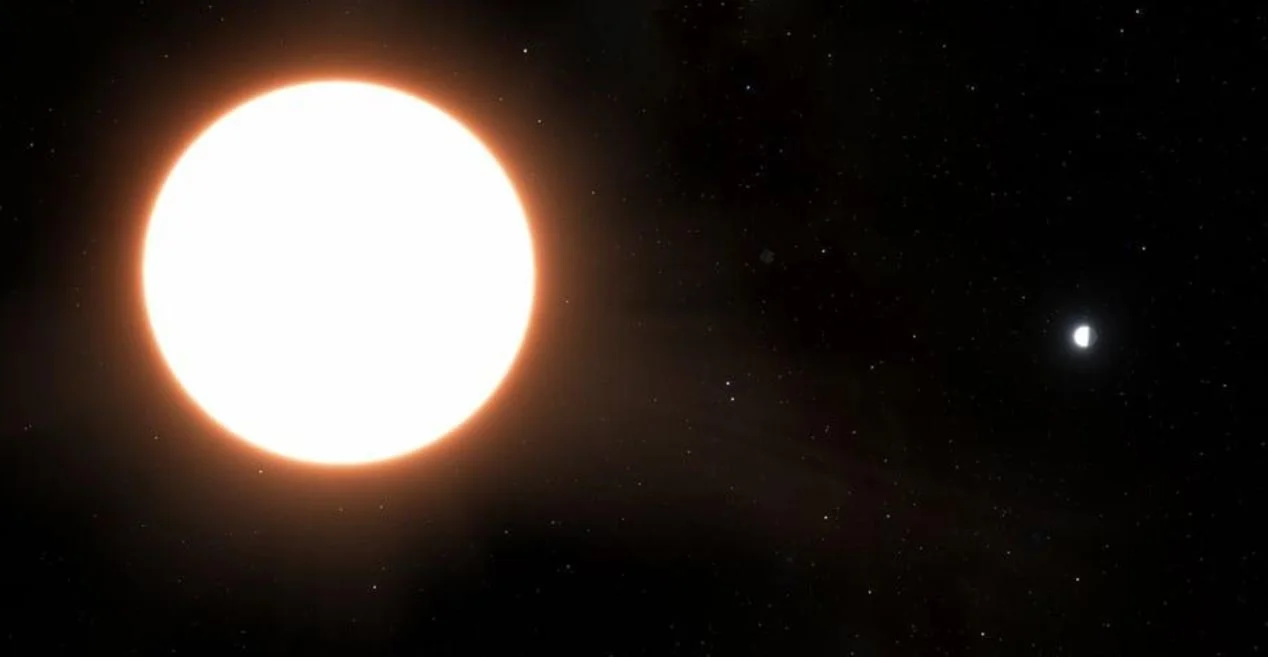
Building Worlds from Pebbles: How Stellar Mass and Metallicity Shape Planetary Systems
Pan et al. use pebble accretion simulations to study how stellar mass and metallicity affect planet formation. They find super-Earths peak around mid-mass stars, while giant planets form more around massive, metal-rich stars. Long-term dynamics reveal that single-planet systems around metal-rich stars are often more eccentric and inclined due to gravitational interactions.
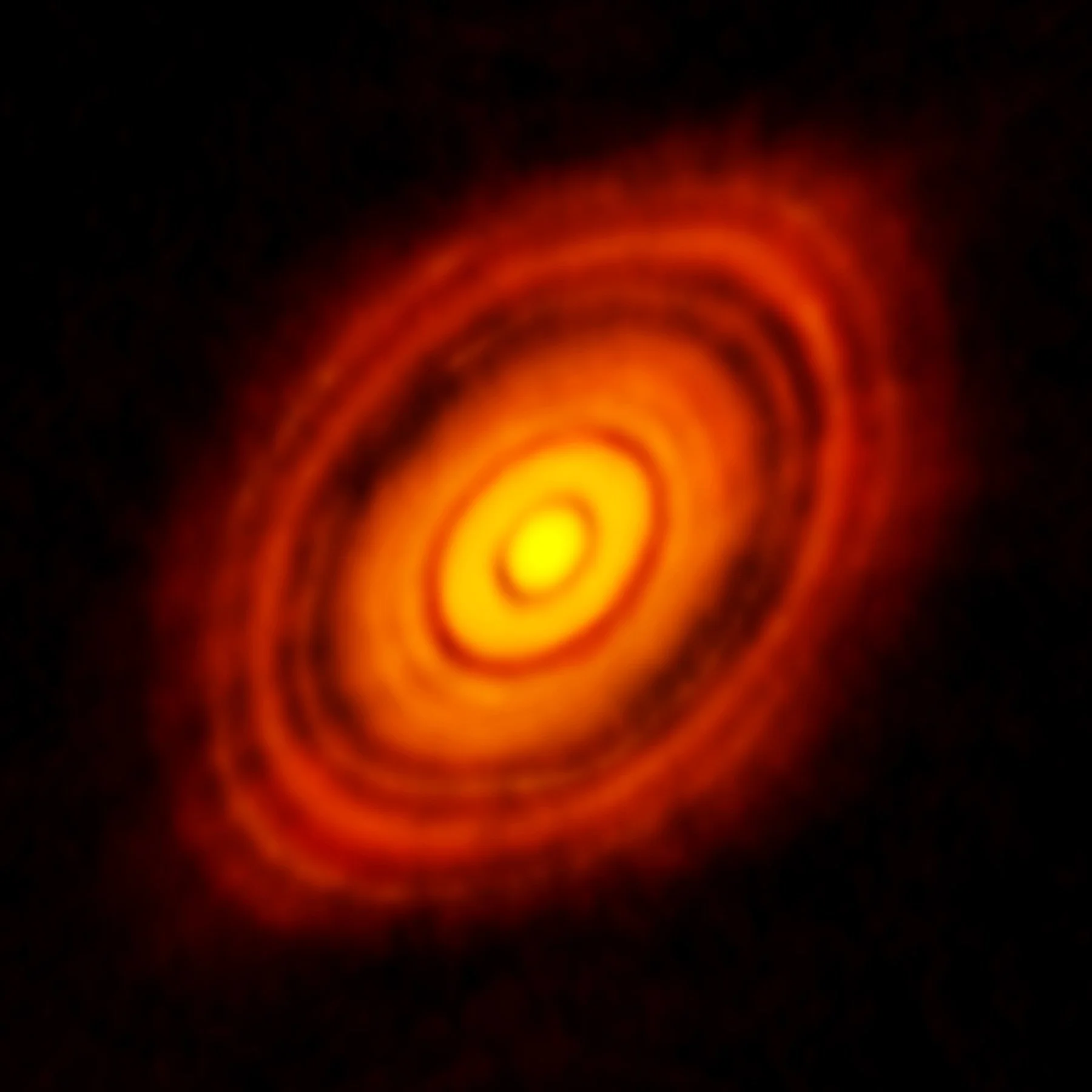
Did the Terrestrial Planets Form by Pebble Accretion?
The study by Alessandro Morbidelli and colleagues evaluates two theories of terrestrial planet formation: the classical model and pebble accretion. The classical model, involving collisions and mergers of planetesimals, aligns better with observed isotopic compositions, volatile element patterns, and planetary dynamics. In contrast, pebble accretion, which predicts significant contributions of carbonaceous material and rapid formation within the gas disk's lifetime, is inconsistent with the data. The researchers conclude that while pebbles may have contributed early in planetary growth, the formation of Earth and its neighbors was dominated by the classical model of planetesimal collisions and giant impacts.