
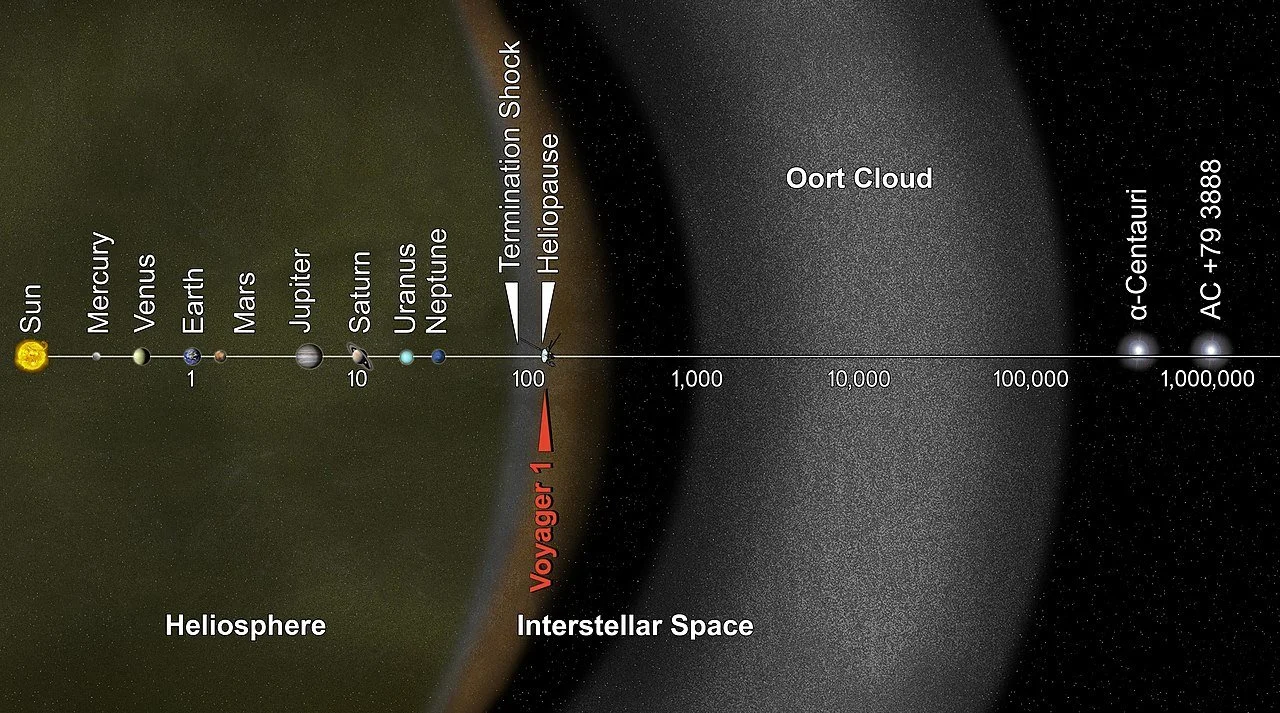
Dark Messengers from the Edge of the Solar System: Can Dark Matter Trigger Comets?
This summary explains how Jeremy Mould investigates whether massive dark matter objects, such as primordial black holes, could disturb the Oort cloud and send comets into the inner solar system. Using a simplified model, the study shows that if a modest fraction of dark matter has lunar-scale masses, it could plausibly account for the observed comet rate, offering a novel, testable link between comets and dark matter.
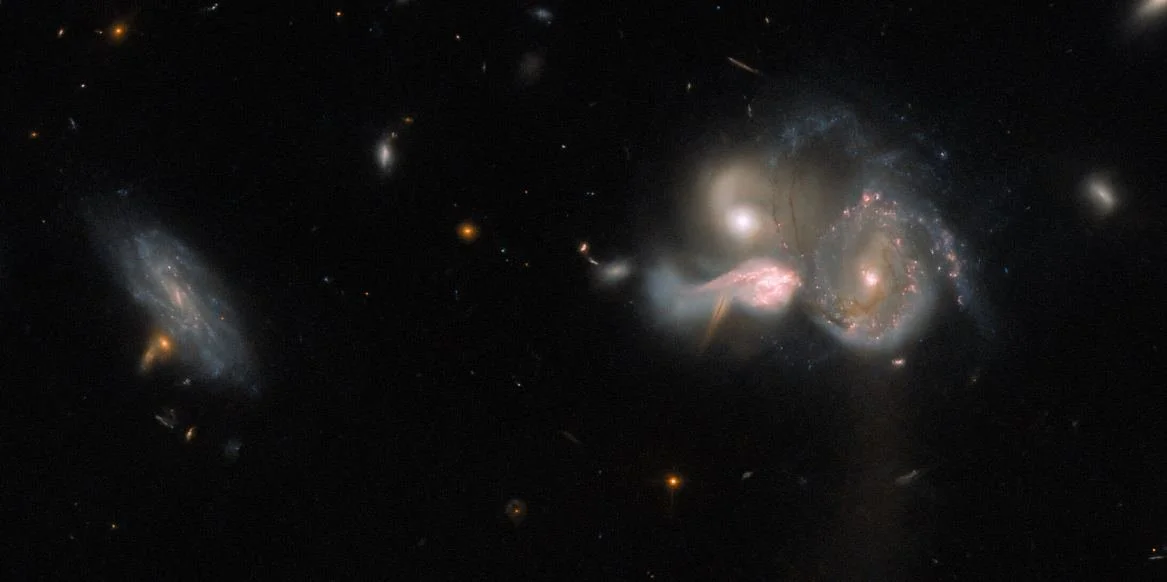
Two Faces of a Galactic Collision: Uncovering the Chemical Story of Gaia–Sausage–Enceladus
This paper uses stellar chemical abundances and machine learning to study the Milky Way’s stellar halo, focusing on the ancient merger Gaia–Sausage–Enceladus. By applying a graph attention network to GALAH survey data, the authors identify chemically coherent groups of stars. They find that GSE splits into two distinct chemical populations, interpreted as stars originating from different regions of the same progenitor galaxy.
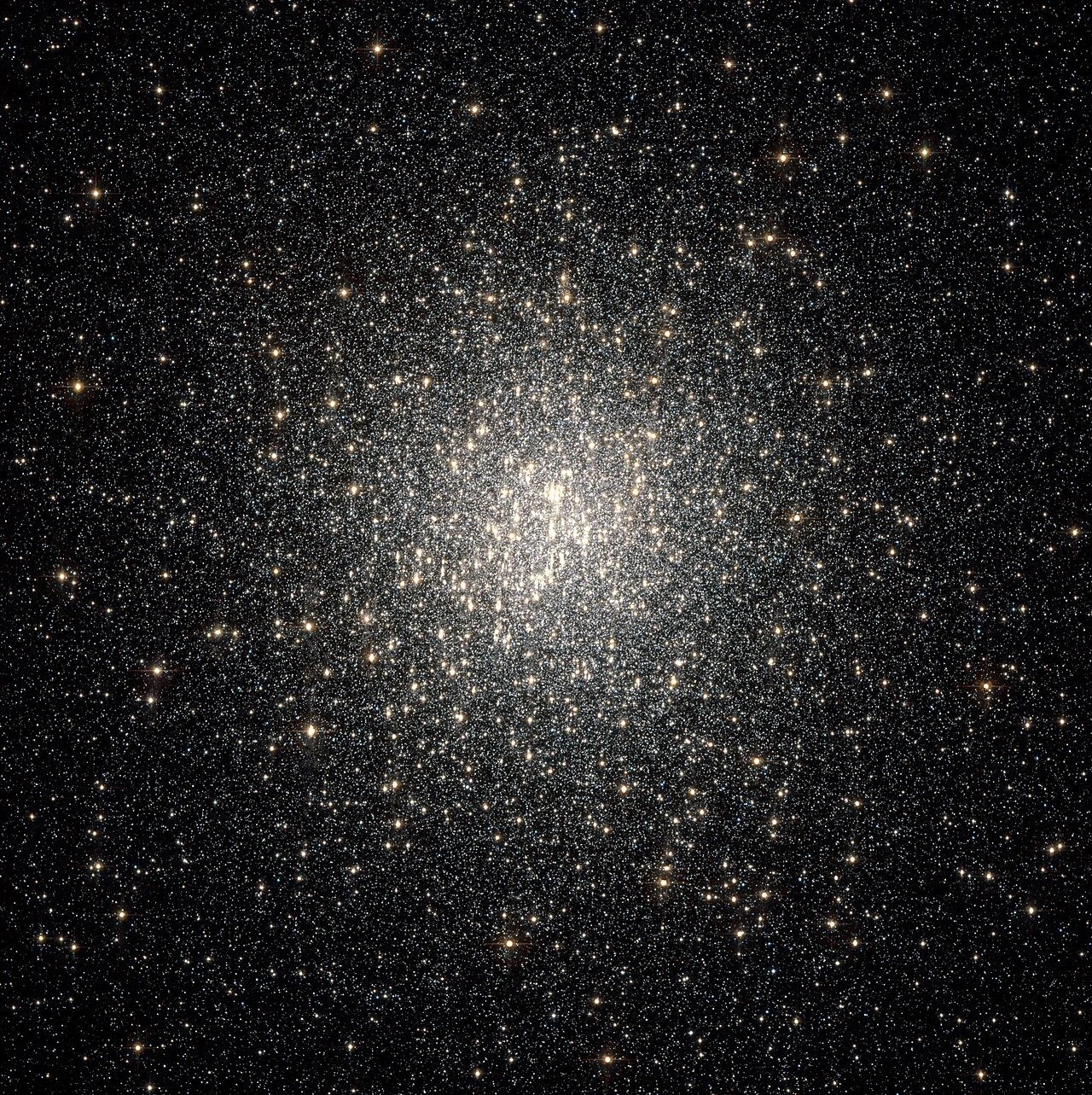
Neon, Argon, and the Puzzle of Multiple Stellar Populations in Globular Clusters
This paper explores why globular clusters like NGC 2808 contain stars with very different chemical compositions. The authors show that uncertainties in the initial abundances of noble gases, especially neon, and possibly argon, can significantly affect models of massive AGB stars. Enhancing neon and slightly lowering metallicity helps reproduce most observed abundance patterns, though the most extreme stars remain challenging to explain.
Tracing Cosmic Fingerprints: Carbon Clues from the Faintest Galaxies
This paper studies stars in the ultra-faint dwarf galaxies Grus II and Tucana IV to search for carbon-enhanced metal-poor stars. Using spectroscopy, the authors identify several CEMP-no stars that preserve chemical signatures of the first stars. Their results suggest that faint supernovae from Population III stars strongly influenced early chemical enrichment in these ancient galaxies.
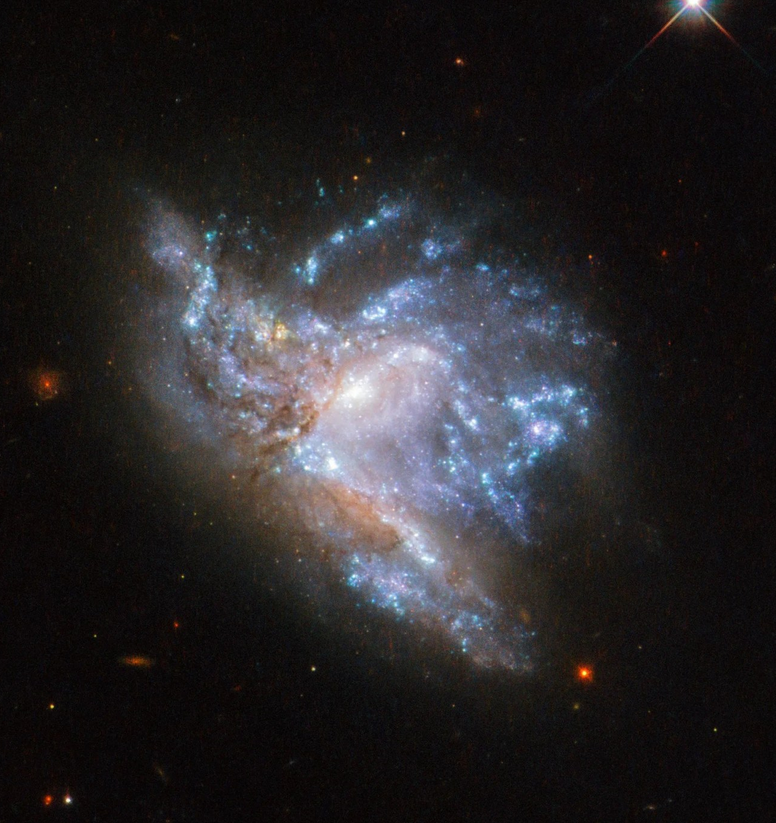
A Dwarf Galaxy’s Second Act: Tracing Multiple Crossings of Gaia–Enceladus Through the Milky Way
This paper shows that the Gaia–Enceladus/Sausage merger happened through multiple passages across the Milky Way rather than a single event. By analyzing stellar motions and chemical abundances, the authors identify two distinct stellar populations stripped at different times. Chemical evolution models support an inside-out formation of the progenitor galaxy, explaining the observed differences.
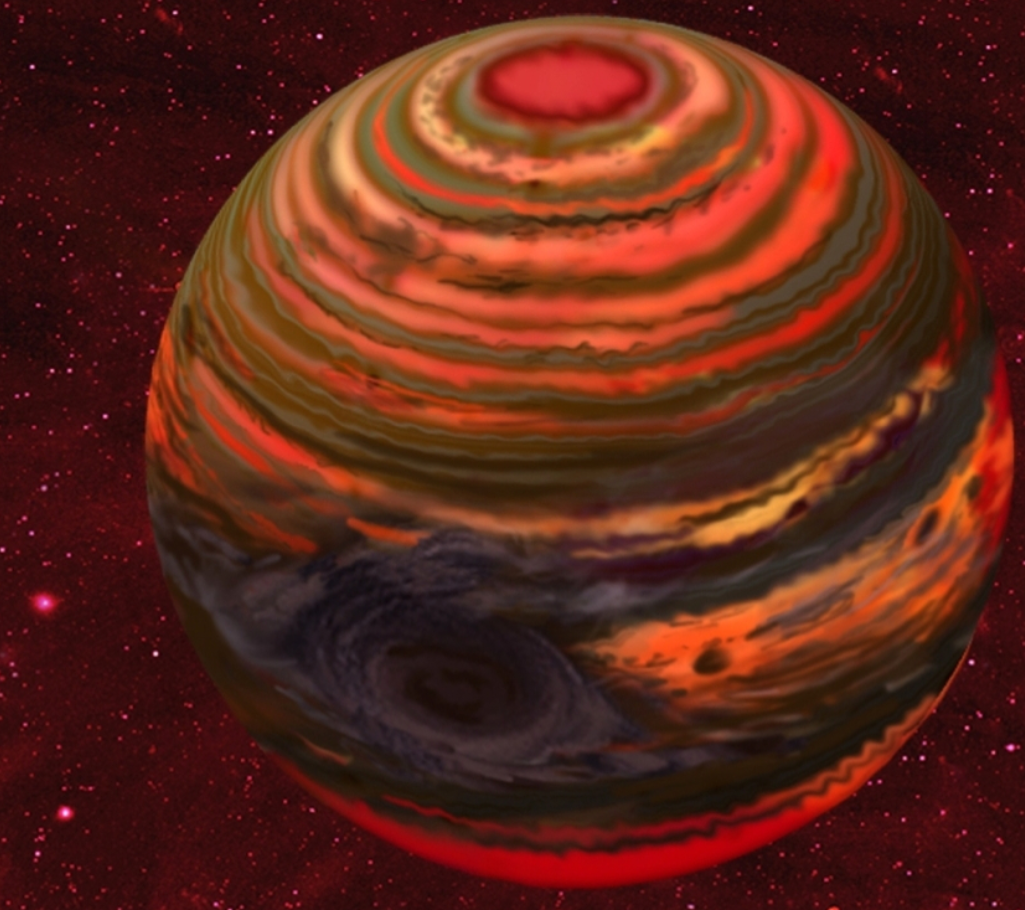
Benchmark Brown Dwarfs Put Stellar Evolution Models to the Test
This paper uses precise measurements of two Sun-like stars to improve age estimates for their brown dwarf companions, allowing a direct test of substellar evolutionary models. The authors find that commonly used models under-predict brown dwarf luminosities and overestimate their masses. Including atmospheric clouds helps but does not fully resolve the discrepancy, suggesting missing physics in current models.
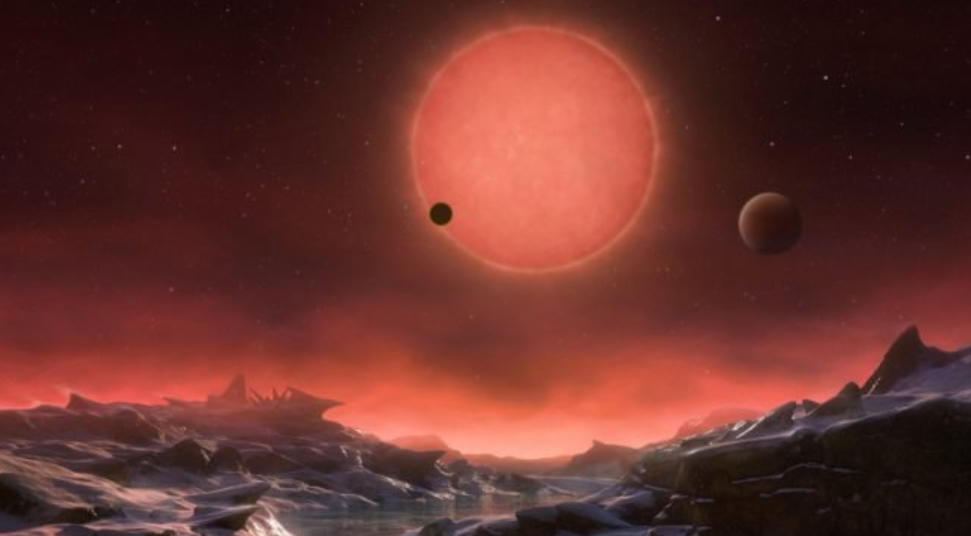
When Atmospheres Vanish, and Come Back: How Impacts Can Revive Air on Rocky Worlds Around Red Dwarfs
This paper shows that rocky exoplanet atmospheres around M-dwarfs may repeatedly collapse and reform rather than evolve smoothly. CO₂ can freeze onto the nightside as ice, protecting it from loss, and later be vaporised by moderate meteorite impacts. As a result, some planets may host detectable, but transient, atmospheres for much of their lifetimes.
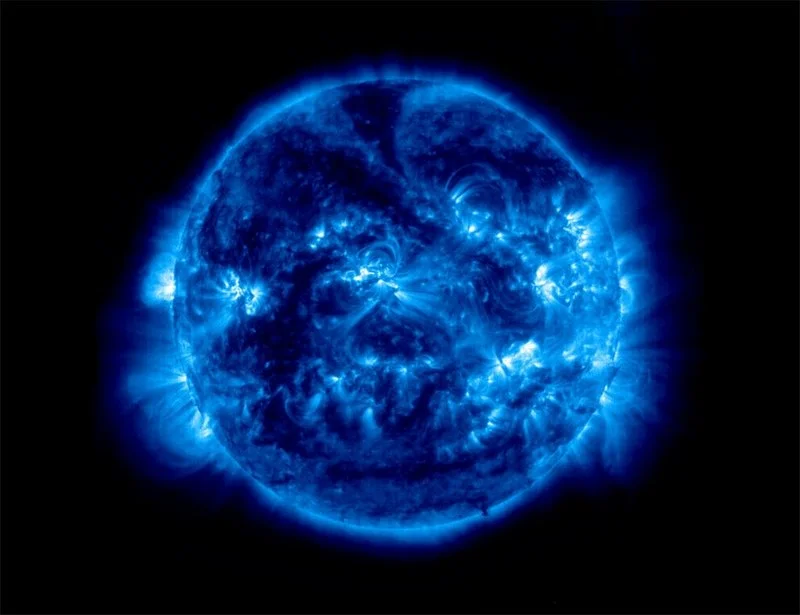
How Big Star Surveys Are Rewriting the Story of Massive Stars
The paper explains how large spectroscopic surveys have transformed the study of massive stars by providing uniform data for thousands of objects gives astronomers a clearer but more complex picture of stellar evolution. These surveys show that rotation and stellar winds alone cannot explain observed properties, and that binary interaction plays a dominant role. As a result, massive star evolution is now understood as a multifaceted problem that requires large, coordinated observational efforts.
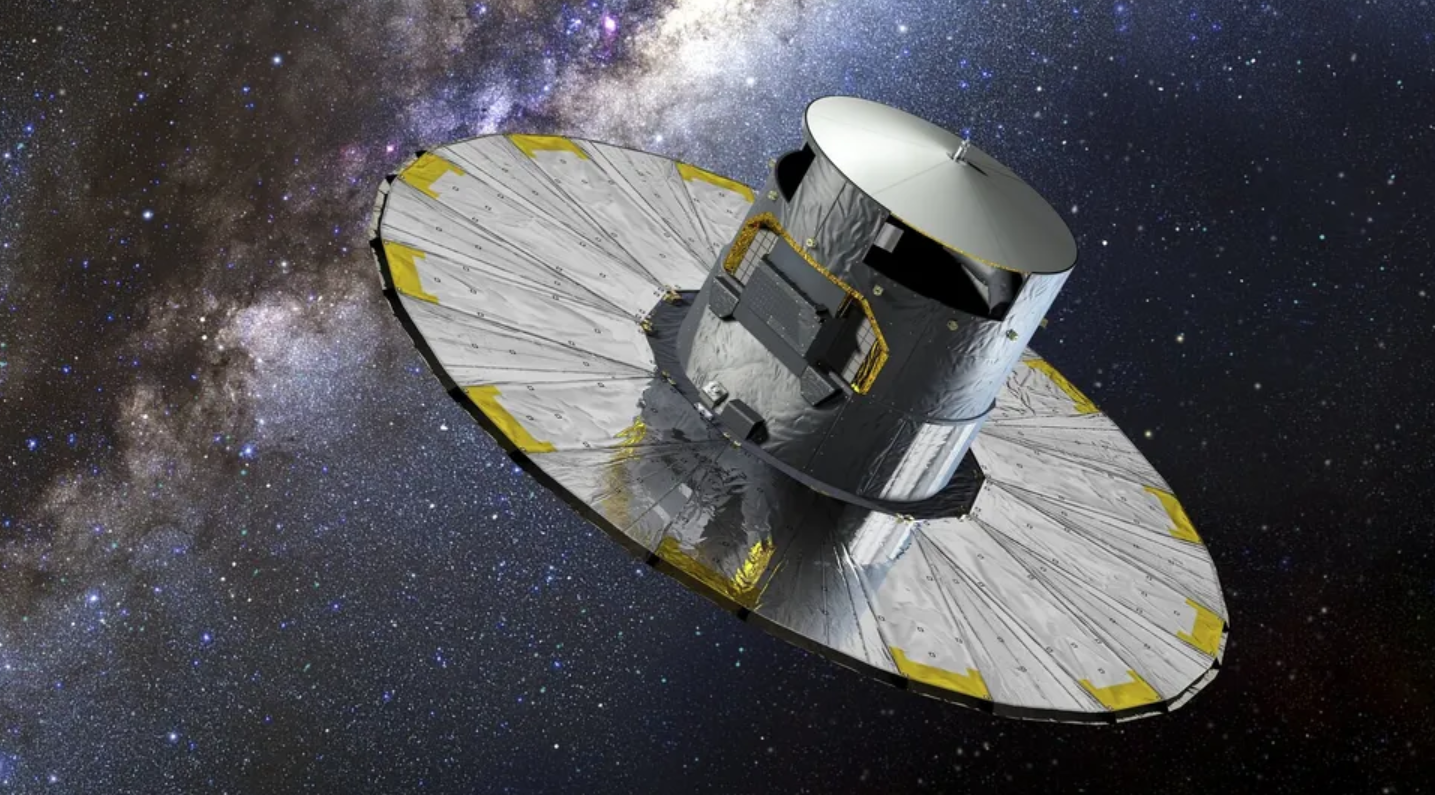
Mining the Oldest Stars with Gaia: Putting Metal-Poor Star Classifications to the Test
This article explains how Riley Thai and collaborators tested whether Gaia XP spectra can reliably identify extremely and very metal-poor stars. By following up 75 candidates with high-resolution spectroscopy, they confirmed new rare stars and showed that Gaia-based metallicity estimates remain accurate down to very low metal levels. The results highlight Gaia’s power for uncovering the Milky Way’s oldest stellar populations.
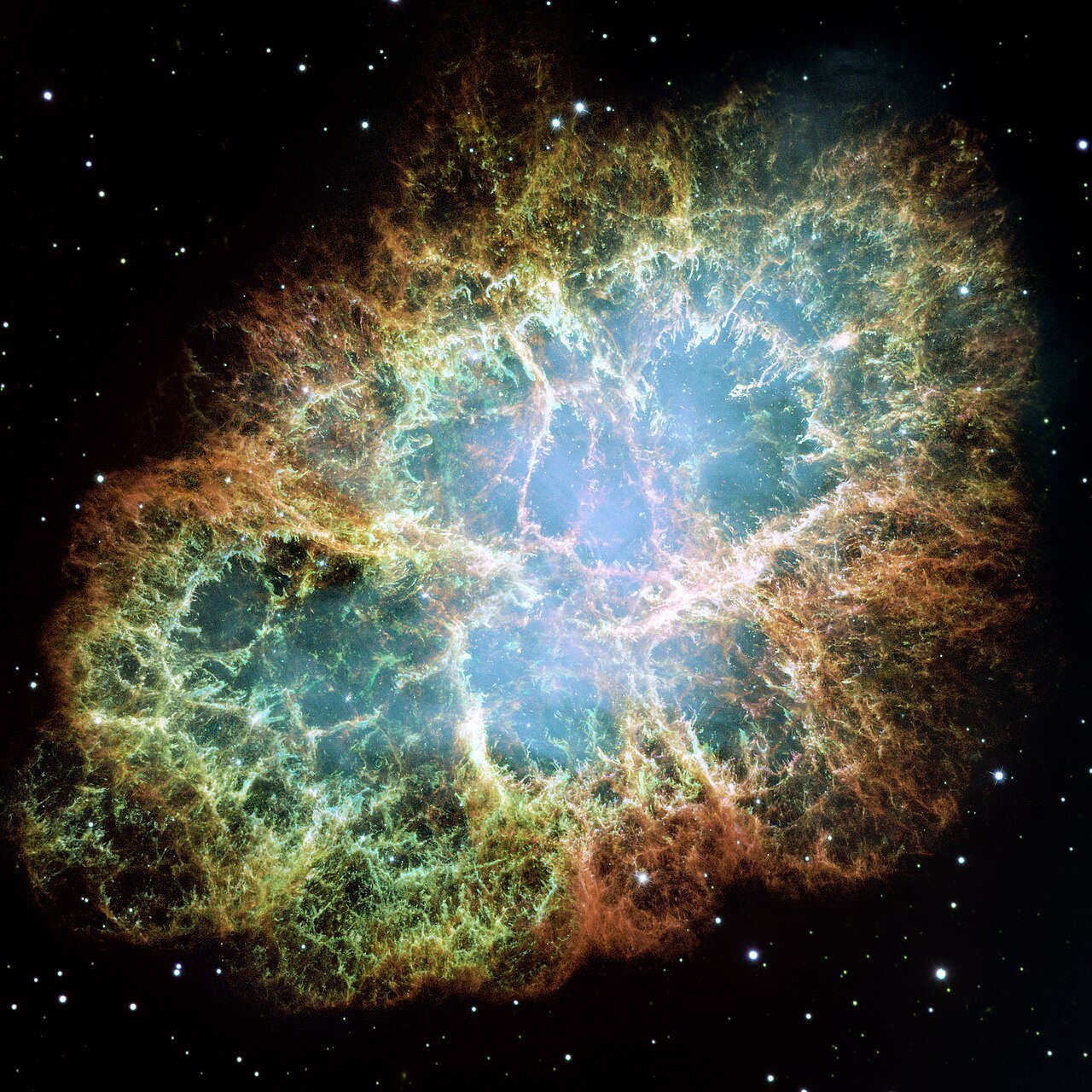
Tiny Stardust with a Big Story: Strontium Clues from Exploding Stars
This paper reports the discovery of tiny presolar graphite subgrains with strong excesses of the p-process isotope ⁸⁴Sr. The measurements rule out low-mass AGB stars and instead point to core-collapse supernovae as the source. Small-scale mixing between inner, oxygen-rich layers and outer, carbon-rich regions of exploding massive stars best explains the observations, providing the first direct evidence that core-collapse supernovae produce p-process isotopes.
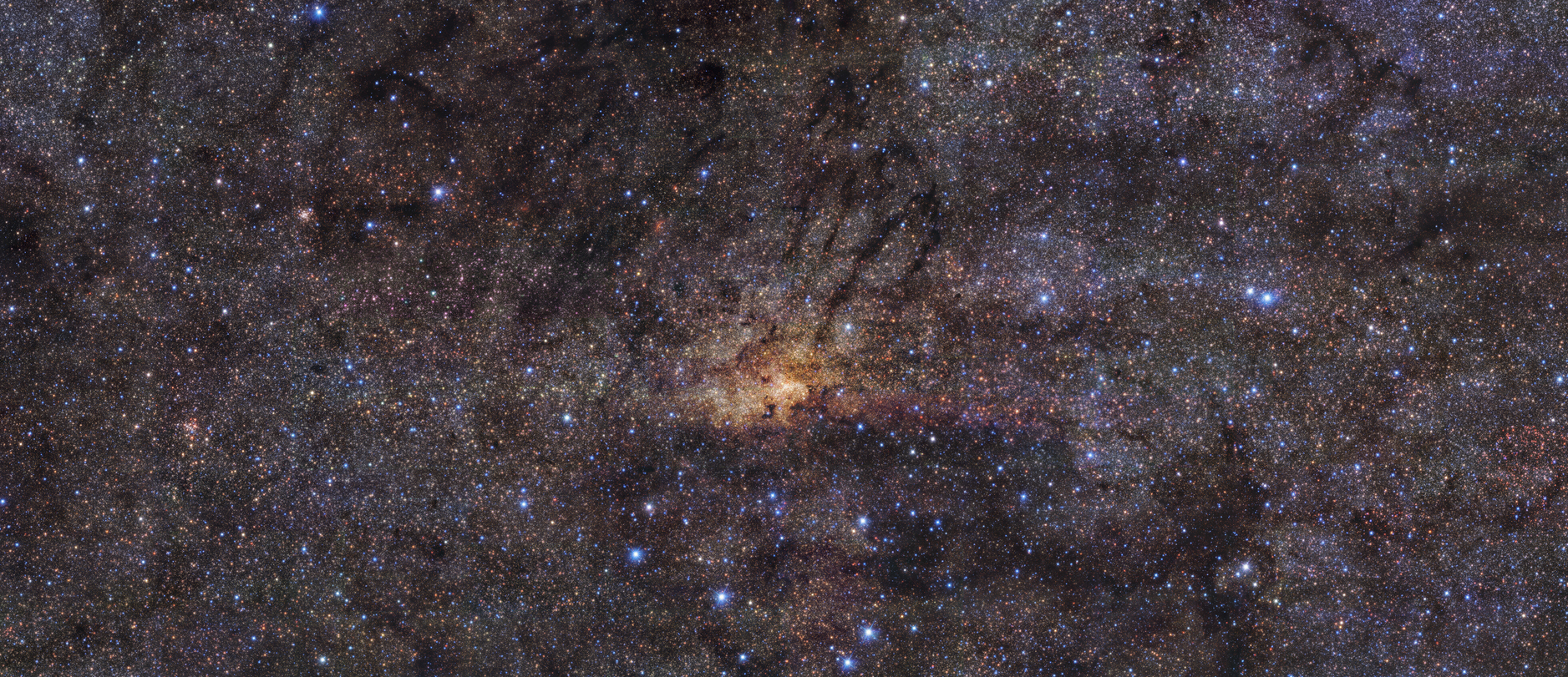
Diluting the Galactic Center: How the Milky Way’s Nuclear Stellar Disc Got Its Chemical Mix
This paper presents the first Bayesian chemical evolution model of the Milky Way’s Nuclear Stellar Disc. The authors show that gas flowing inward from the inner Galactic disc alone cannot explain the observed metal-poor stars. Instead, the best-fitting models require dilution by lower-metallicity gas, likely from the thick disc or later accretion events, highlighting a complex formation history for the Galaxy’s center.
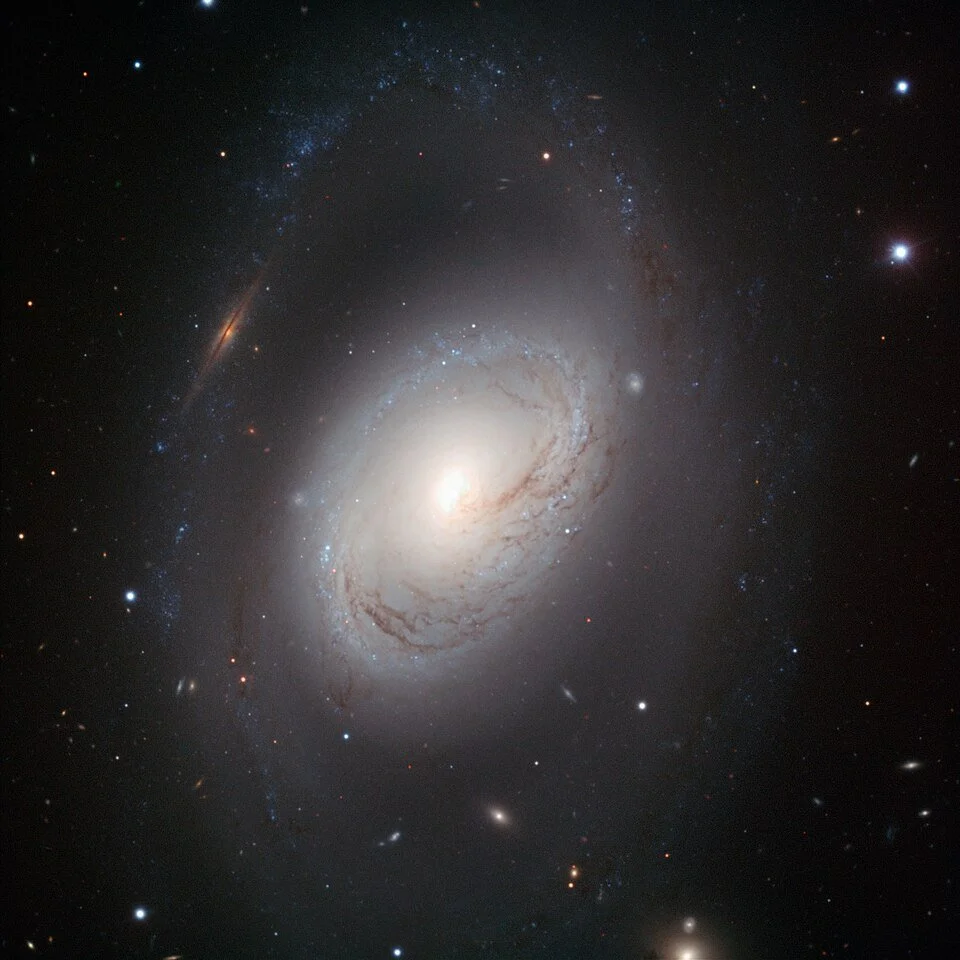
A Sparse Halo with a Strange Story: Probing the Outer Stellar Halo of the Spiral Galaxy M96
Using deep Hubble Space Telescope imaging, Mihos et al. study the faint outer stellar halo of the spiral galaxy M96. They detect old red giant stars at large distances, finding a broad metallicity distribution and a relatively massive but unexpectedly metal-poor halo. This places M96 well below the usual halo mass–metallicity relation, suggesting an unusual accretion history compared to other spiral galaxies.
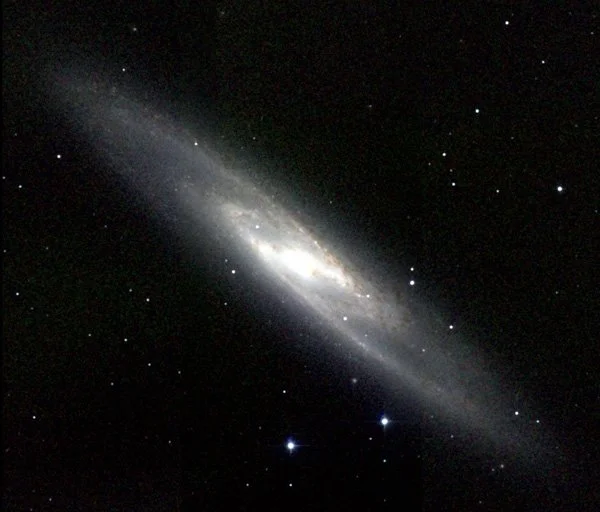
A Warped Milky Way on a Diet: How an Ancient Merger Bent Our Galaxy’s Disk
This paper shows that the Milky Way’s long-lived disk warp can be explained by an ancient merger with the Gaia-Sausage-Enceladus galaxy. Using simulations with a low-mass Milky Way, the authors find that a tilted, evolving dark matter halo drives wave-like bending of the disk. Angular momentum exchange between the halo and disk causes the warp to weaken and regenerate over billions of years.
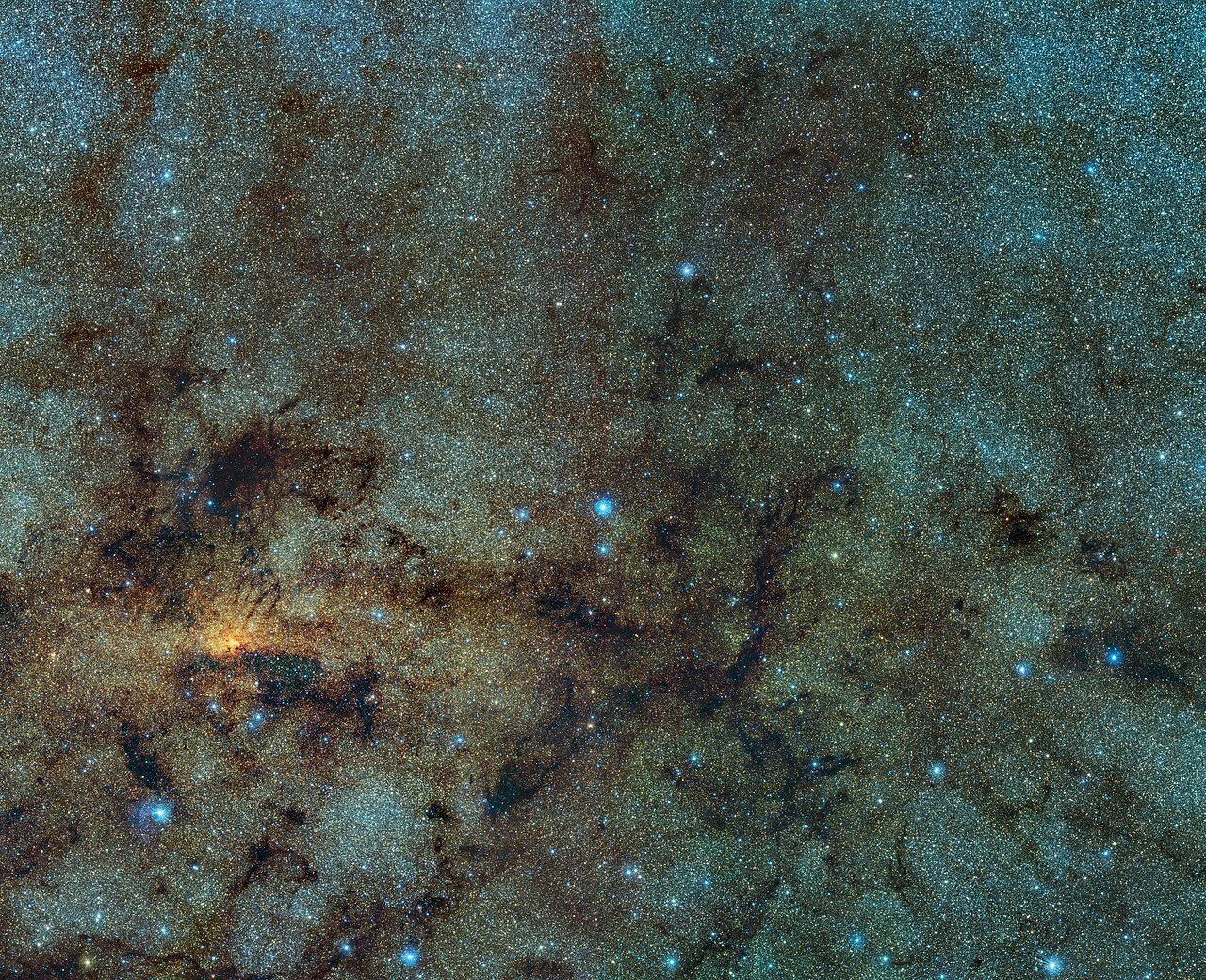
RR Lyrae Time Capsules: Tracing the Milky Way’s Earliest Assembly
This paper uses a large, homogeneous sample of RR Lyrae stars to trace the early formation of the Milky Way’s halo, thick disk, and thin disk. By combining precise distances, kinematics, and chemical abundances, the authors find a smooth transition from metal-poor, α-enhanced halo stars to more metal-rich, α-poor disk stars. These results support an early, rapid formation of the Galactic spheroid followed by continued assembly through mergers.
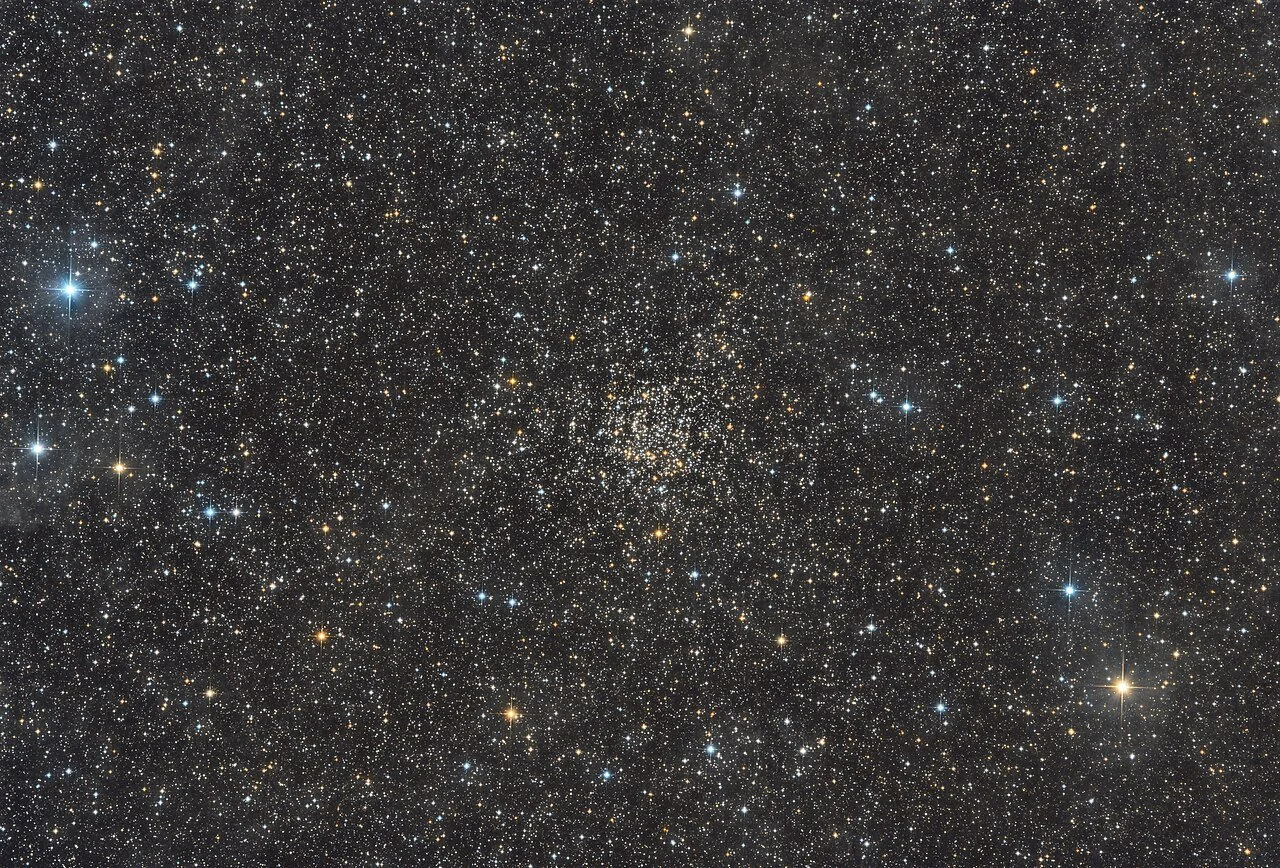
Binary Star Clues Reveal a Sharper Age for Star Cluster NGC 7789
Yakut and collaborators use six well-measured binary systems in NGC 7789 to derive a precise, physically grounded cluster age. By combining radial velocities, TESS light curves, and multiwavelength SEDs, they determine an age of 1.26 ± 0.09 Gyr, an extinction of Aᵥ = 0.90, and confirm cluster membership through Gaia astrometry. Their binary-based method overcomes common photometric uncertainties and provides a consistent framework for studying stellar evolution.
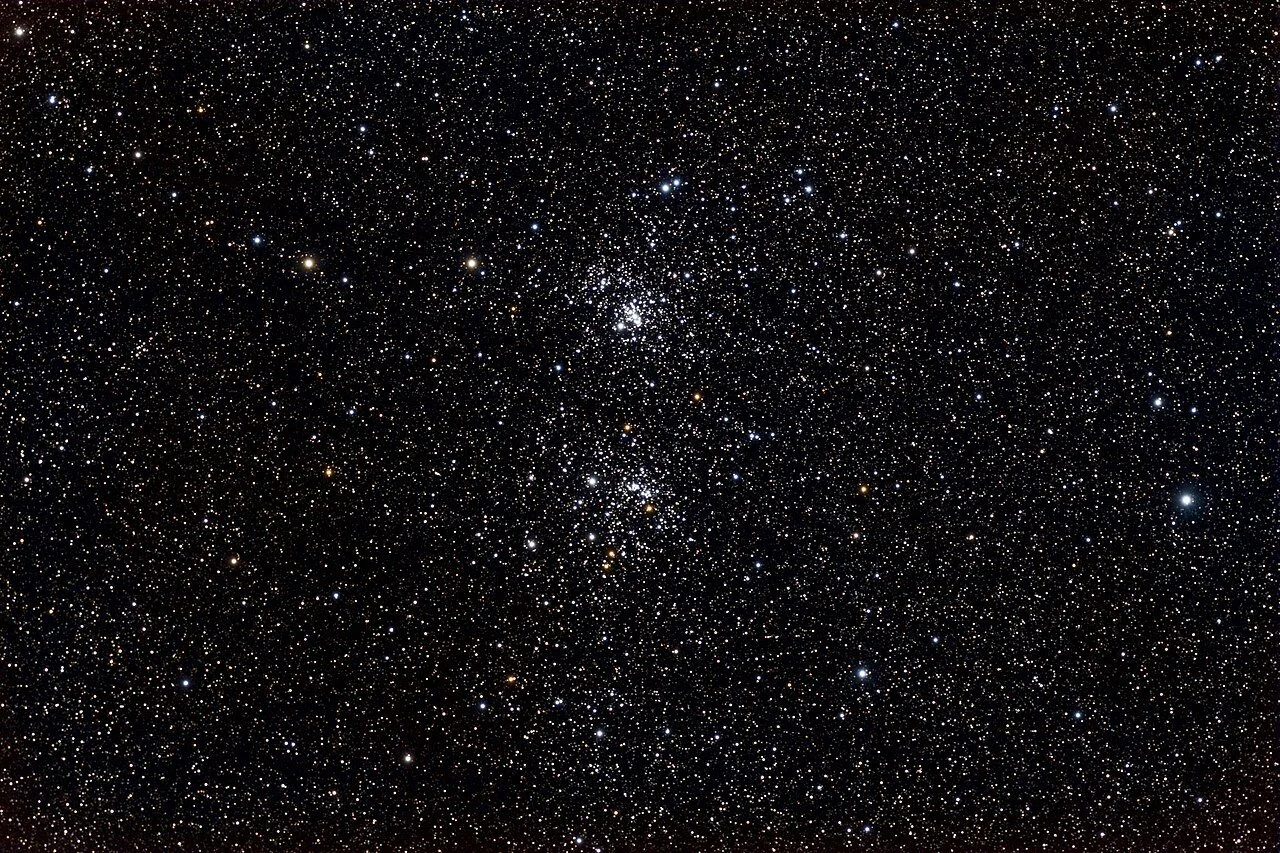
Twin Star Cities in Perseus: A Guide to the Gaia-Based Study of h & χ Persei
This study uses Gaia DR3 data to investigate the famous double cluster h and χ Persei, identifying hundreds of member stars and confirming both clusters share similar ages, distances, metallicities, and motions. Through structural modeling, MCMC isochrone fitting, and SED analysis, the authors show the clusters likely formed together and continue to move through the Galaxy on nearly identical orbits. Their results strongly support a common origin and future interaction.
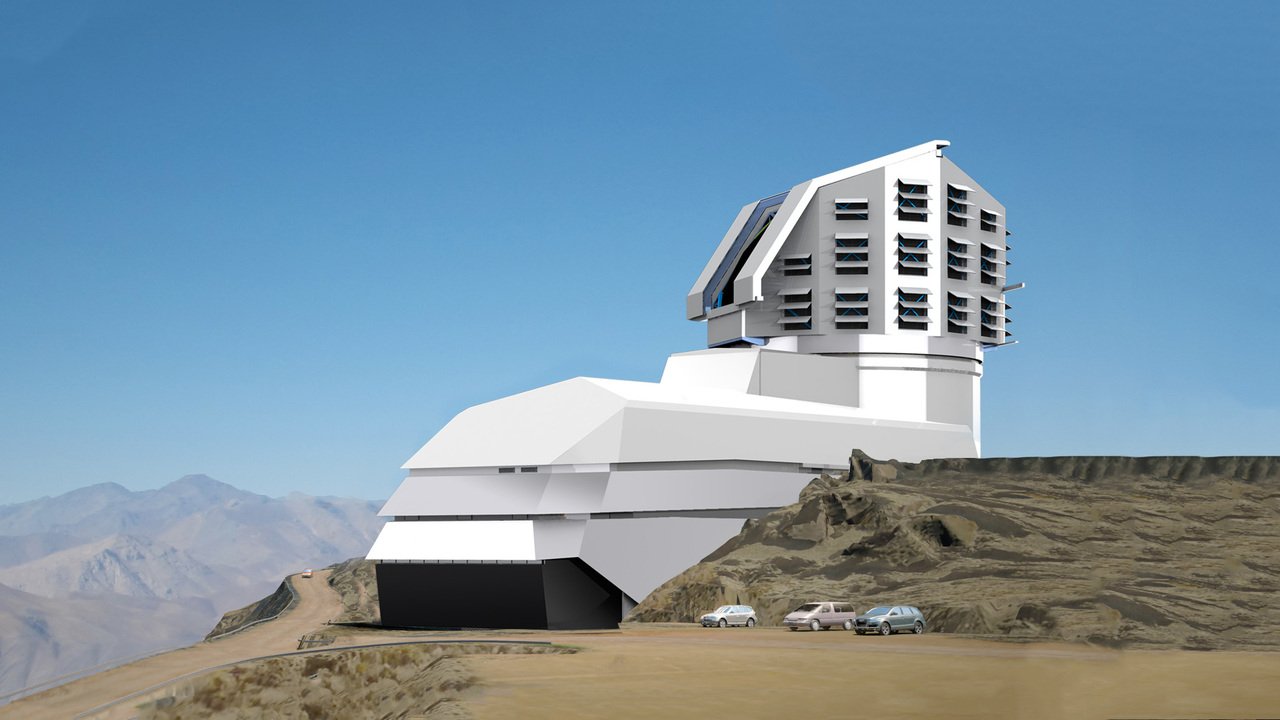
Can Rubin Spot an Incoming Asteroid in Time? Testing LSST’s Early-Warning Power
This paper evaluates how effectively the Vera C. Rubin Observatory’s LSST can detect asteroids on a direct collision course with Earth and how much warning time those detections provide. LSST performs well for large, hazardous asteroids but struggles to give long advance warning for smaller impactors, which are often discovered only days to weeks before impact. The authors show that cadence and linking limitations, not sky coverage, are the main bottlenecks, and argue that LSST must be paired with high-cadence surveys to achieve robust planetary defense.
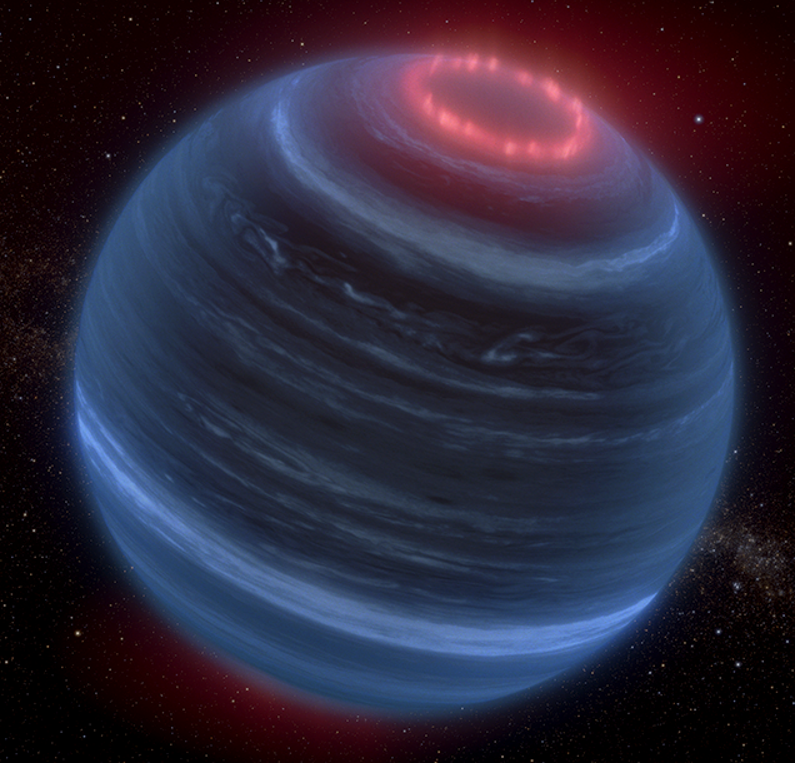
When “Failed Stars” Get a Second Chance: The Strange Lives of Pink, Beige, and Maroon Dwarfs
Brown dwarfs that gain mass can evolve into three distinct objects: beige dwarfs that remain underluminous, maroon dwarfs that behave like ordinary low-mass stars, or pink dwarfs that temporarily experience frozen cores and long luminosity plateaus before reaching the main sequence. Their fate depends on how degenerate the core is when mass transfer occurs. Identifying these rare objects could reveal new details about binary evolution and stellar structure.
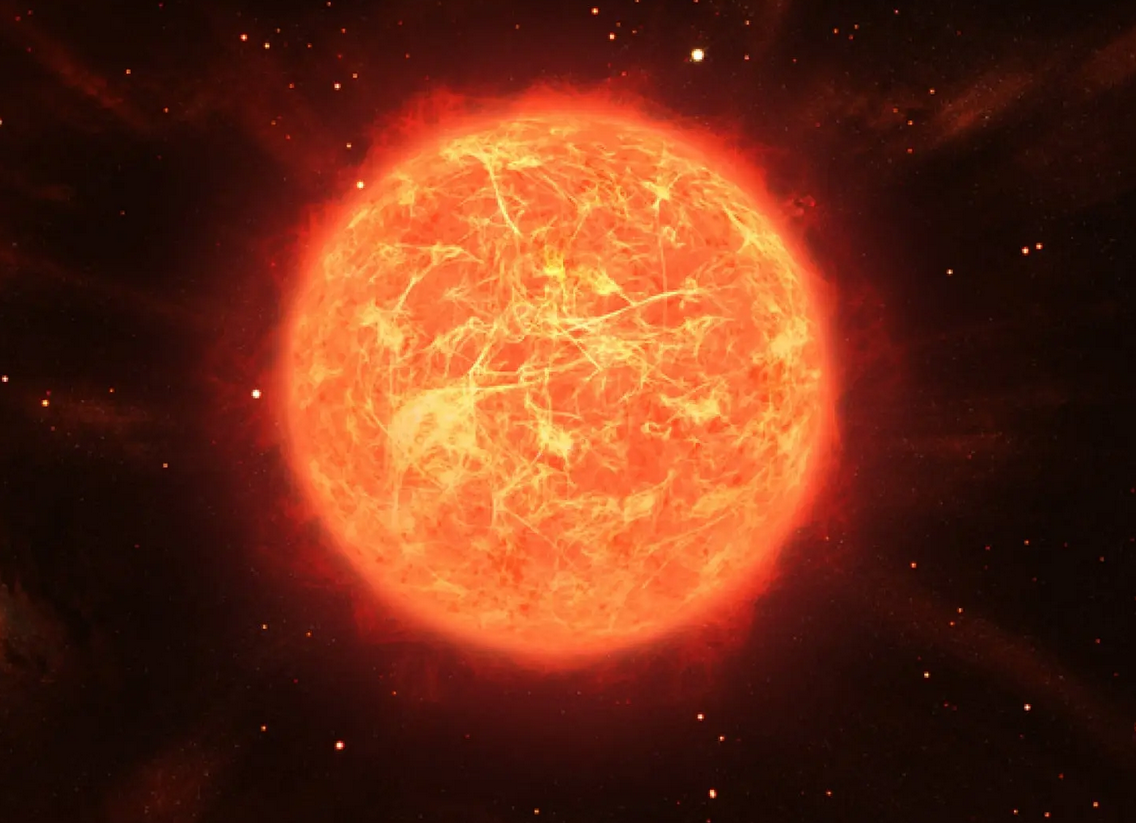
Mass Clues in Carbon and Nitrogen: How Red Giants Reveal Their Hidden Histories
Roberts et al. (2026) use asteroseismic masses and [C/N] birth-mass indicators to measure how much mass red giants lose and to identify stars that have likely undergone mass transfer. They find that RGB mass loss decreases with both mass and metallicity, contradicting classical Reimers’ predictions, and propose an adjusted η calibration. They also identify 207 unusual stars whose current masses cannot be explained without past binary interaction.
Metal Pipe: Building a Unified Path to Stellar Chemistry
Metal Pipe is a new stellar abundance pipeline designed to measure chemical compositions consistently across many star types, including cooler K and M dwarfs. By combining photometry, high-resolution spectra, and iterative modeling, it achieves agreement with major catalogs while overcoming limitations of earlier methods. Its design promises a unified, expandable framework for studying how stellar chemistry relates to planet formation.