
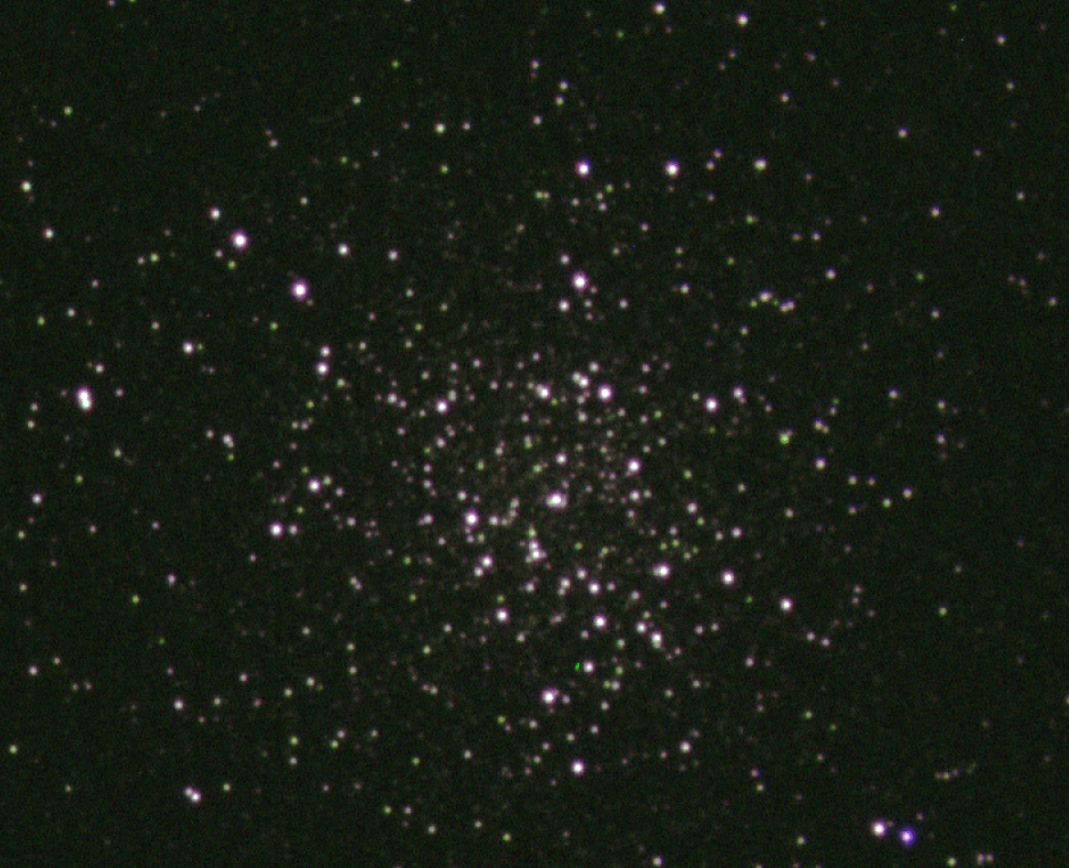
Listening to the Milky Way’s Oldest Stars: What RR Lyrae Reveal About the Galactic Halo
This study uses a vast sample of RR Lyrae stars to map the chemistry and motions of the Milky Way’s stellar halo. The authors find strong evidence for a dual halo, with a more metal-rich inner component and a metal-poor outer component. By identifying dynamically tagged groups, they show that many halo stars share common origins from ancient mergers, preserving a record of the Galaxy’s assembly history.
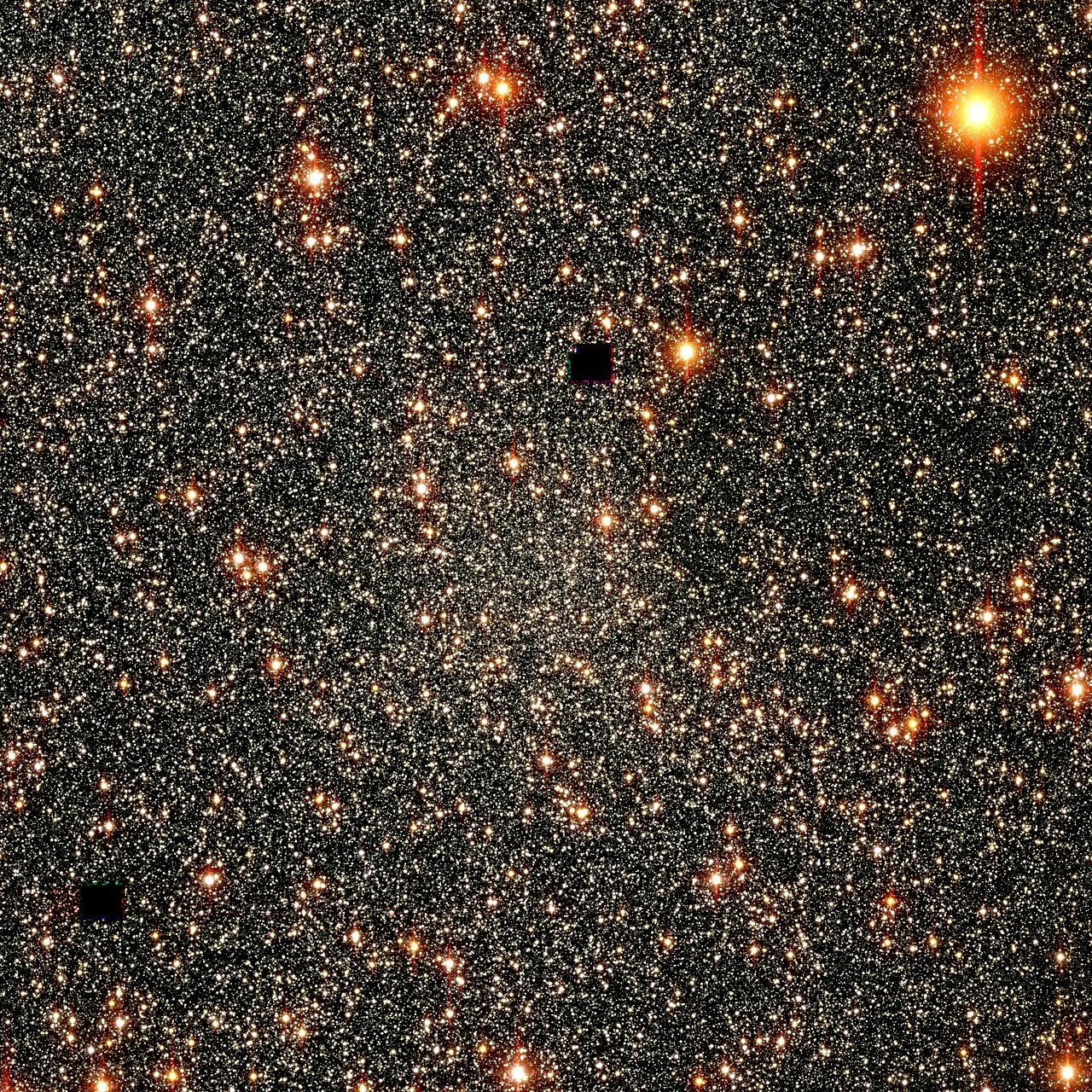
Tracing Thamnos: Chemical Clues to a Very Metal-Poor Galactic Immigrant
Xie et al. investigate two retrograde stellar groups, Rg8 and Rg9, using high-resolution spectroscopy and find them chemically identical across all measured elements. Their shared very metal-poor population and lack of an α-knee indicate origin in a low-mass dwarf galaxy. The groups strongly overlap with the known Thamnos substructure, suggesting all three trace the same ancient accretion event in the Milky Way’s halo.
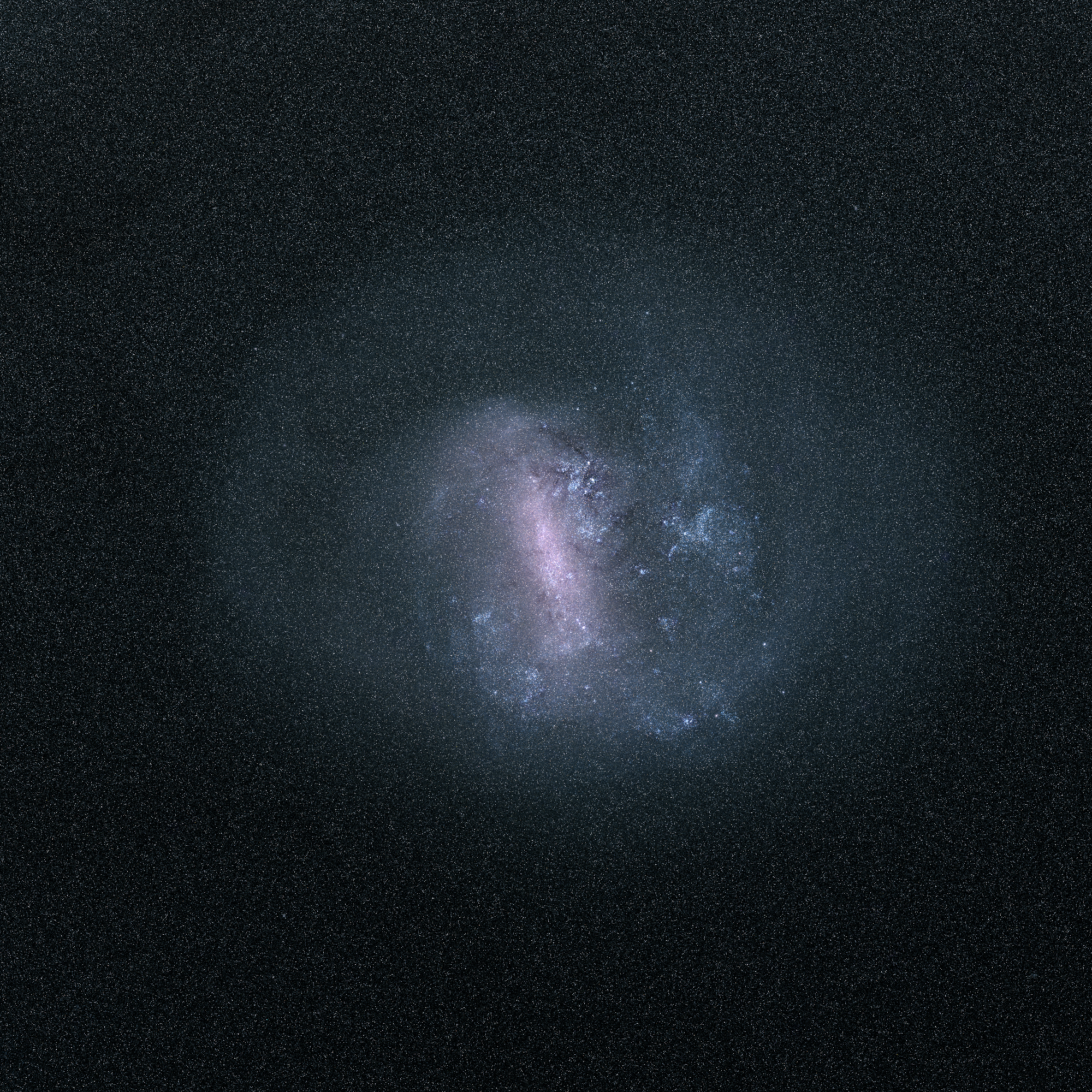
Carbon-Rich Fossils in a Neighboring Galaxy: Finding the First CEMP Stars in the Large Magellanic Cloud
This paper reports the first discovery of five carbon-enhanced metal-poor (CEMP) stars in the Large Magellanic Cloud, confirming that these ancient, carbon-rich stars exist beyond the Milky Way. Using SDSS-V spectra, the authors show that the stars are extremely metal-poor and strongly enriched in carbon. The result opens the door to testing how galactic environment influences early chemical evolution.
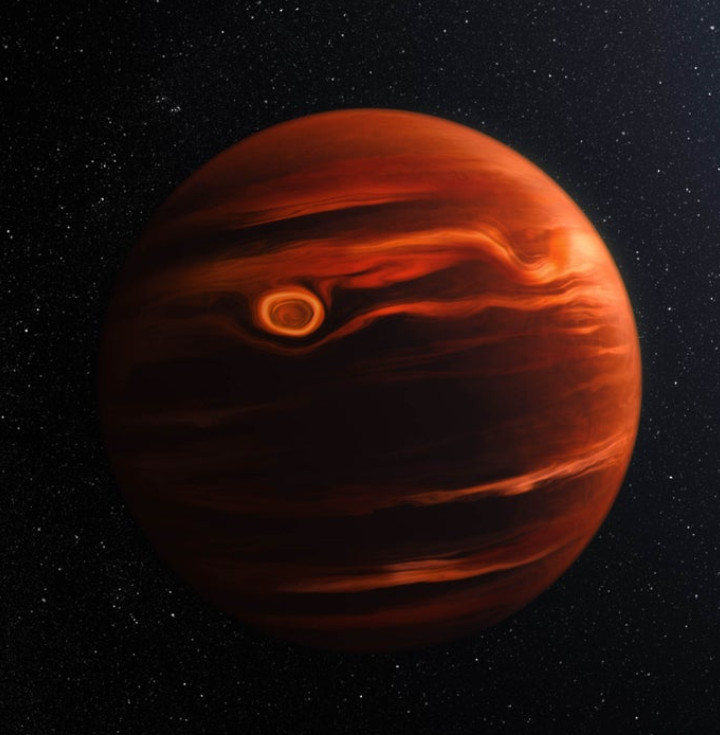
How Disc Conditions Shape Giant Planet Atmospheres
The paper investigates how different protoplanetary disc conditions affect the atmospheric composition of giant planets. Using simulations that track pebble drift, evaporation, and planetary migration, the authors find that most disc parameters have little influence on final atmospheric abundances. Instead, a planet’s composition is shaped mainly by where it forms and which evaporation fronts it crosses. This means atmospheric ratios like C/O, C/H, and O/H primarily trace formation location rather than disc details.
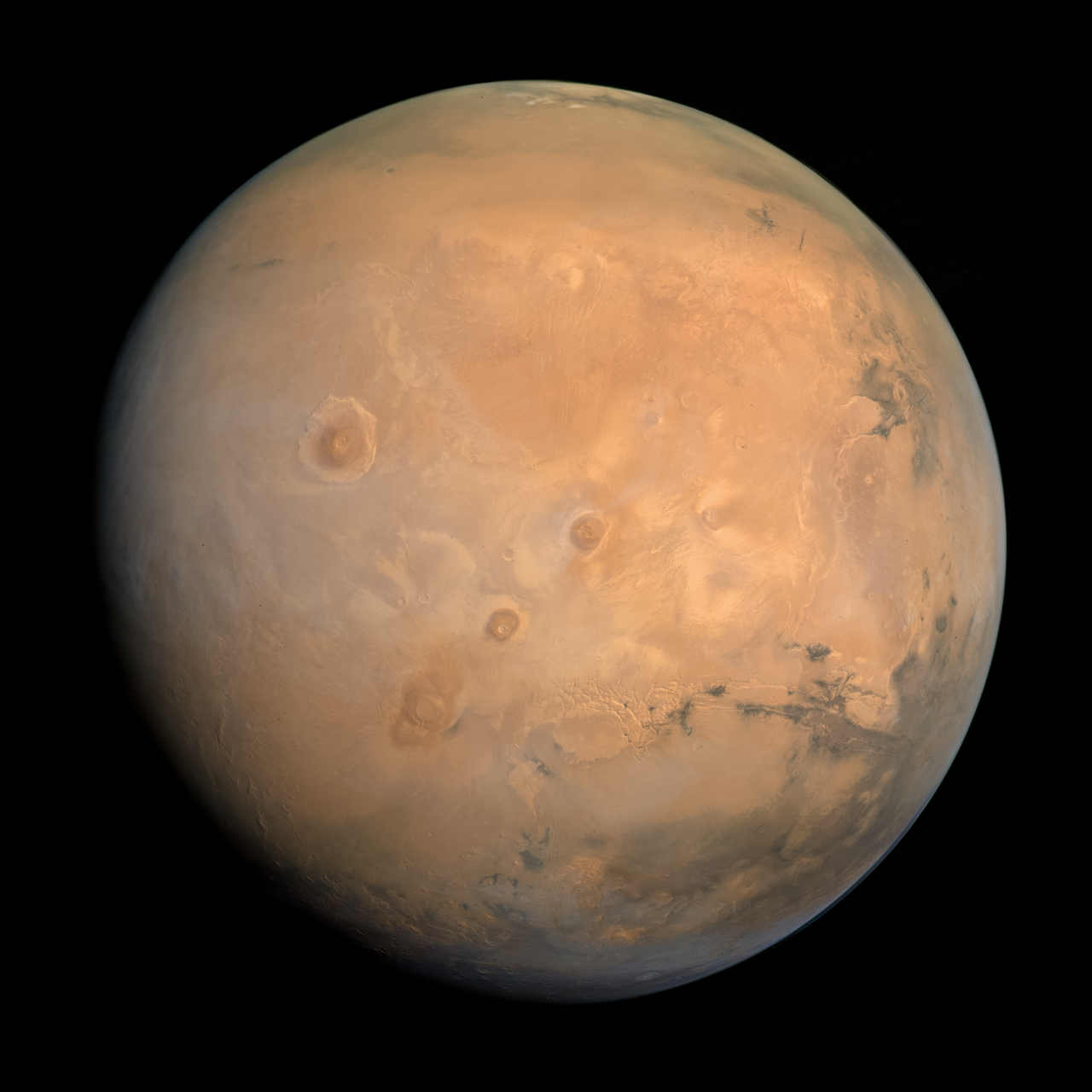
A Climate That Came and Went: Limit Cycles and the Changing Weather of Ancient Mars
The paper proposes that early Mars may have undergone episodic limit cycles, long cold periods interrupted by short warm intervals triggered by volcanic CO₂ buildup and enhanced greenhouse gases. Using a simplified climate model, Haqq-Misra shows that these warming spikes align with the timing of valley networks and delta formation. The study suggests Mars’ wet features may reflect transient, not sustained, warm climates driven by cyclic atmospheric processes.
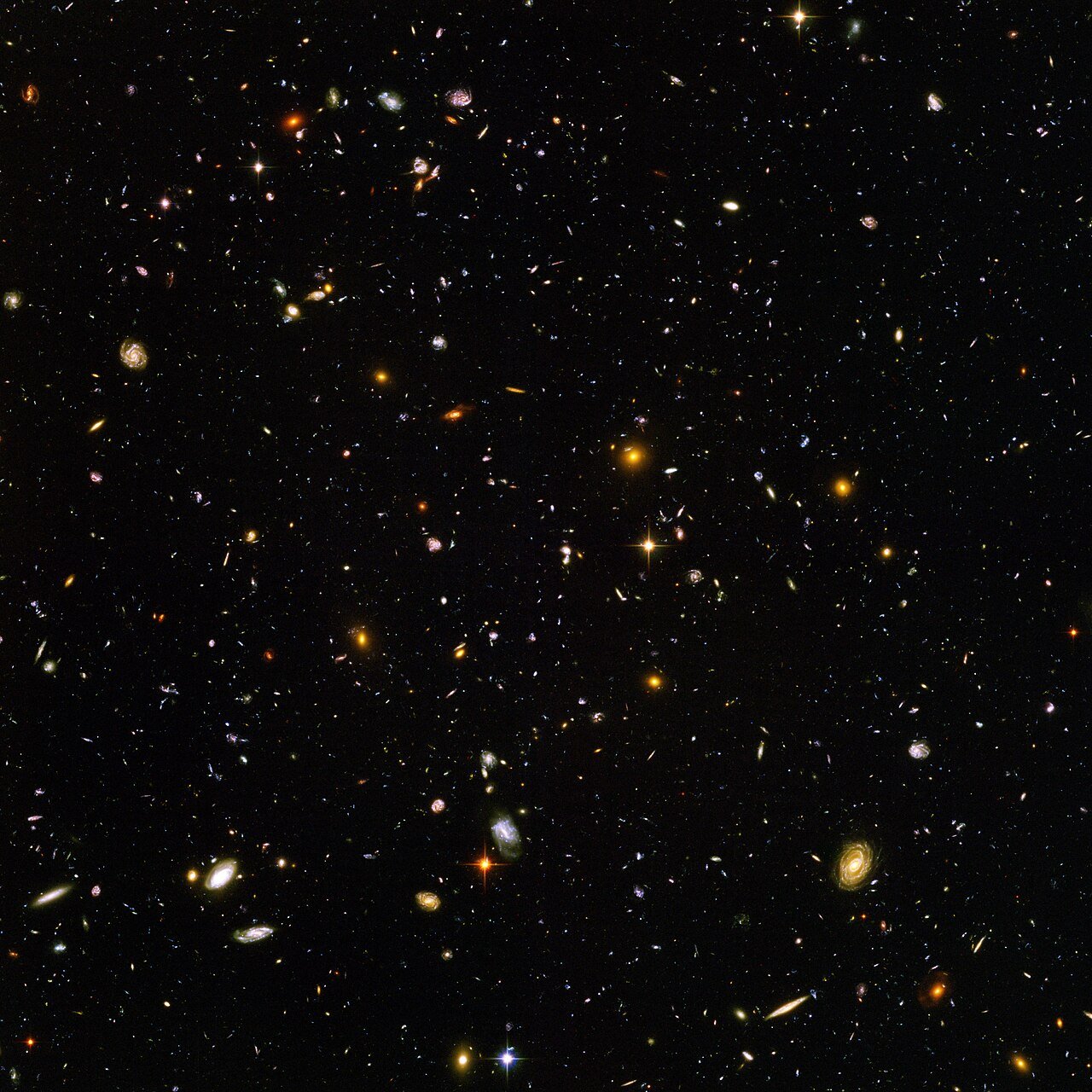
Cosmic Wallflowers: How Lonely Star Clusters Bloomed in the Early Universe
This paper shows that extremely dense star clusters can form in the circumgalactic medium of young galaxies at very high redshift, rather than only inside galactic discs. Using high-resolution simulations, the authors find that these clusters arise from gravitational fragmentation of gas filaments, reach densities similar to JWST-observed systems, and may evolve into present-day globular clusters or sites of early black hole formation.
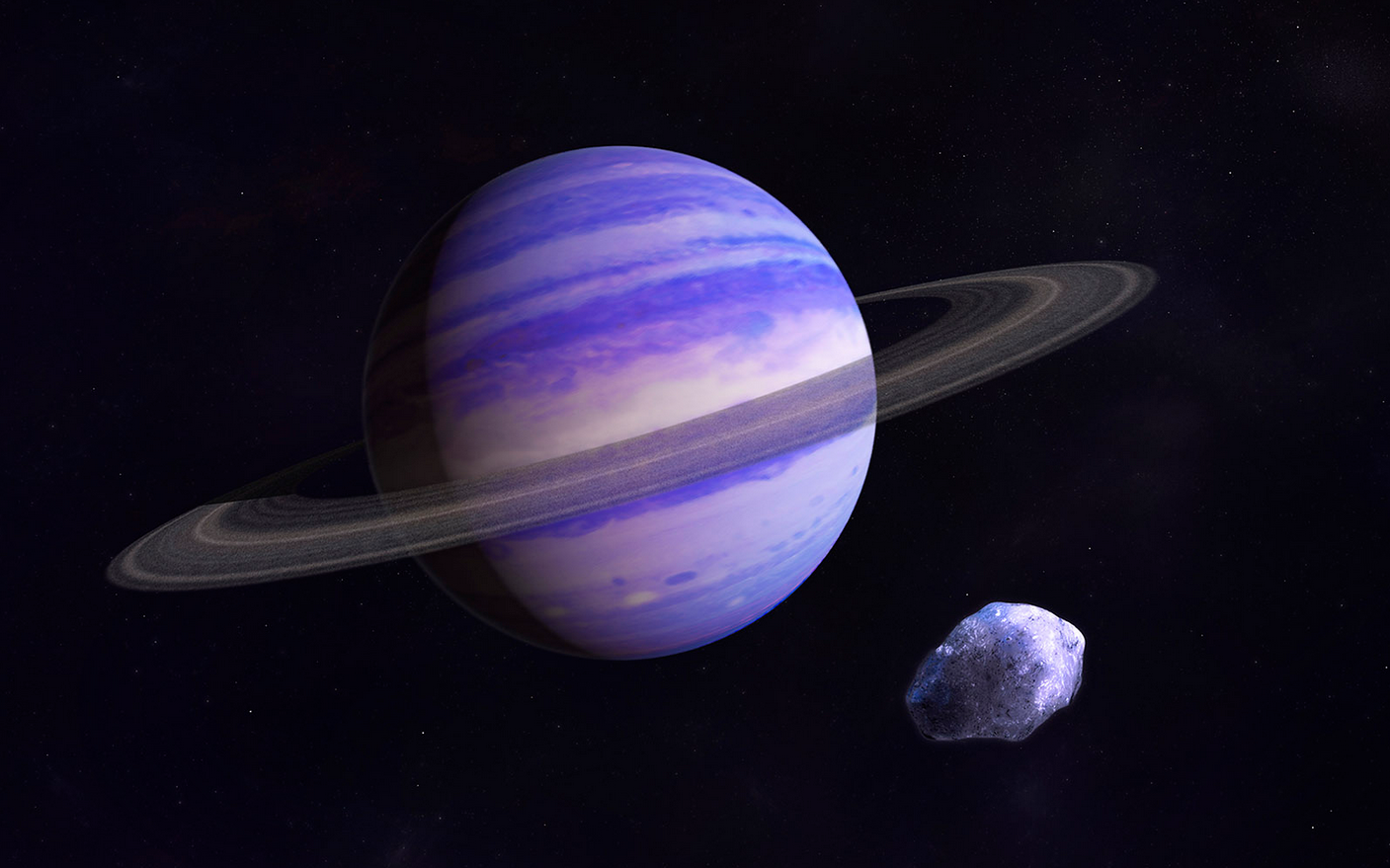
From Star Dust to Planets (and Back Again): Tracing Worlds Across a Lifetime
This white paper by Akke Corporaal examines how dust shapes planet formation and survival from a star’s birth to its late evolutionary stages. It highlights current limits in observing key dust-related processes and argues that next-generation infrared interferometry will be essential for resolving the tiny regions where planets form, migrate, and endure. The authors ultimately call for future facilities capable of mapping dusty environments at unprecedented resolution.
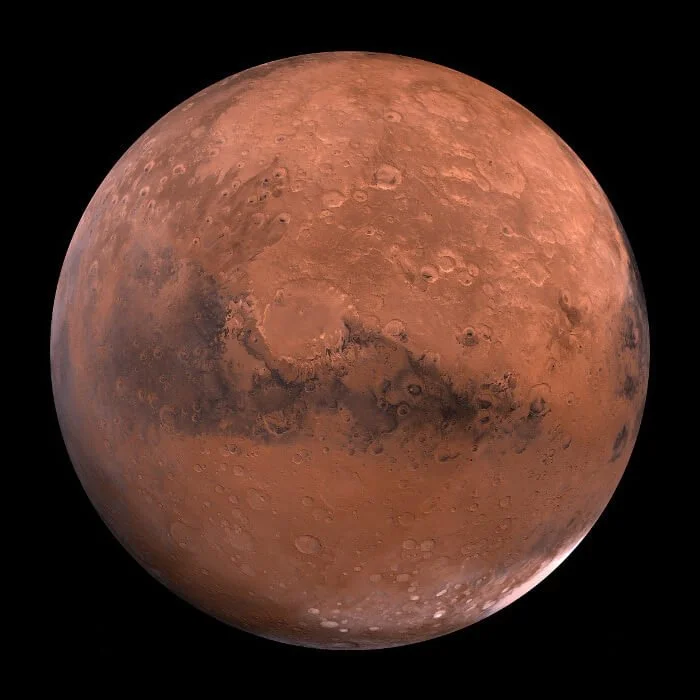
Could Mars Have Melted Ice Recently?
The study investigates whether liquid water could have formed Mars’ young gullies in the past 4 million years. Using advanced climate models, the authors find that surface frost cannot melt because sublimation cools it too strongly, and subsurface ice stays too deep and cold for melting. Even when ice is suddenly exposed, melting requires unrealistic conditions and produces too little water. The results suggest that most gullies likely formed through dry CO₂-driven processes rather than flowing water.
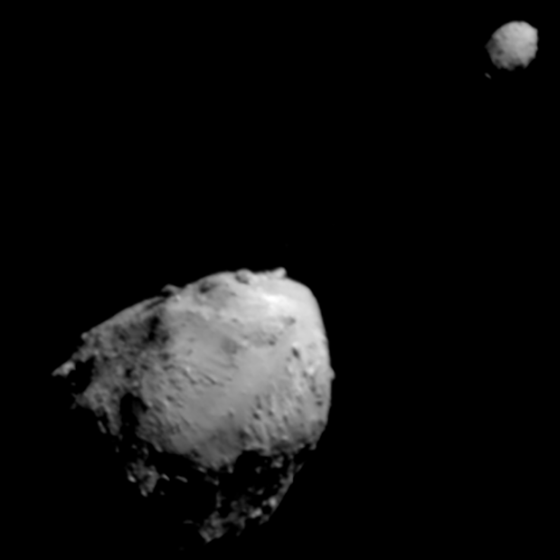
Spinning Slower: How the DART Impact Changed Asteroid Didymos
Researchers analyzed twenty years of light-curve data to determine that asteroid Didymos slowed its rotation by 0.18 seconds after the DART impact. This change, confirmed through detailed modeling and bootstrap tests, is best explained by slight reshaping of the asteroid, likely small landslides triggered by falling ejecta. The result provides new insight into how kinetic-impact missions can alter not just orbits but also asteroid spin states.
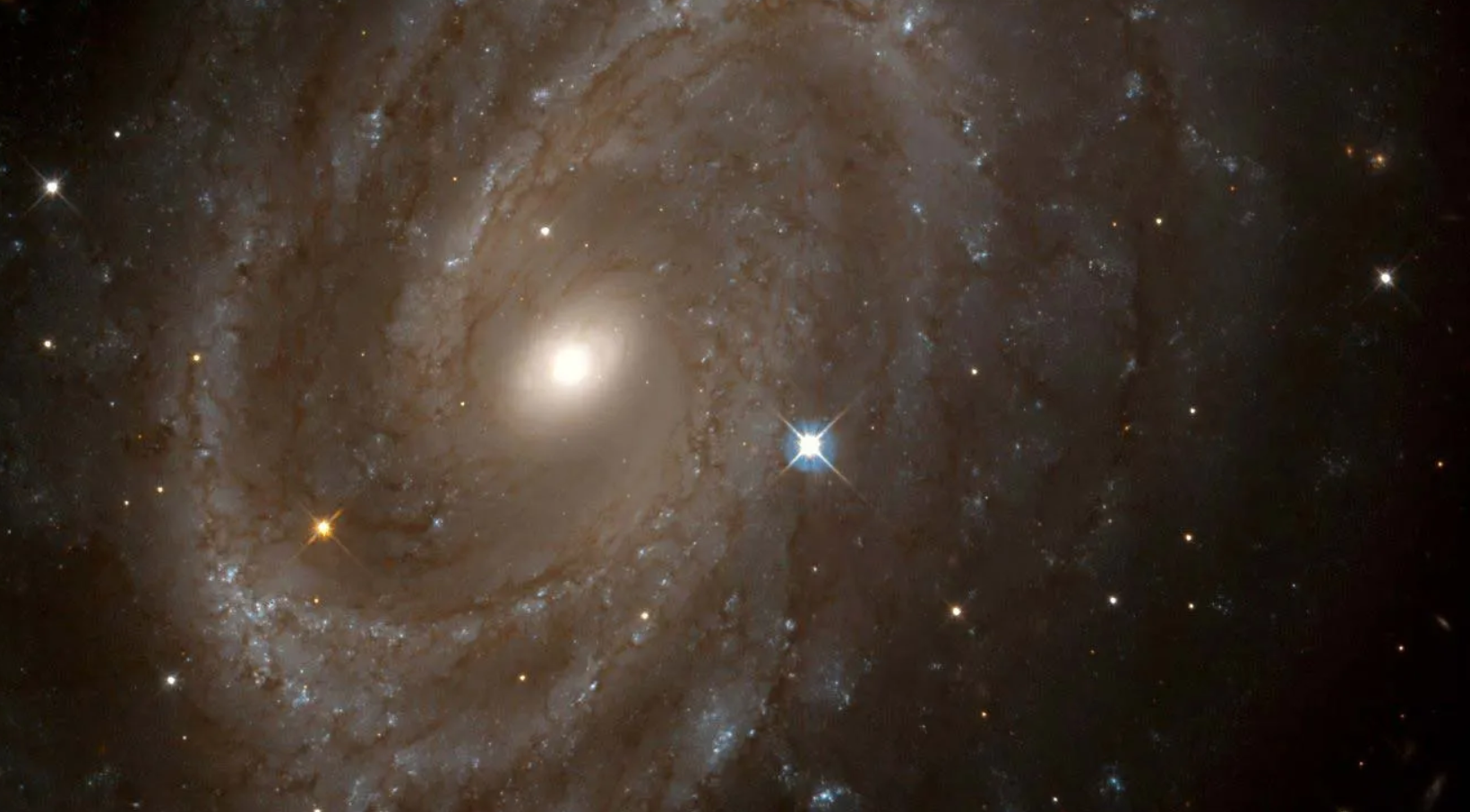
Metallicity in Motion: How a Cepheid’s Phase Reveals New Clues About the Leavitt Law
Bhuyan et al. investigate how metallicity affects the Leavitt Law by measuring period–luminosity relations at multiple pulsation phases for Cepheids in the Milky Way, LMC, and SMC. They find that both the PL slope and the metallicity term vary significantly with phase, especially between short- and long-period Cepheids. Although these variations average out to familiar mean-light results, the phase-dependent approach reveals where metallicity influences Cepheid brightness most strongly, offering a clearer path to improving cosmic distance measurements.
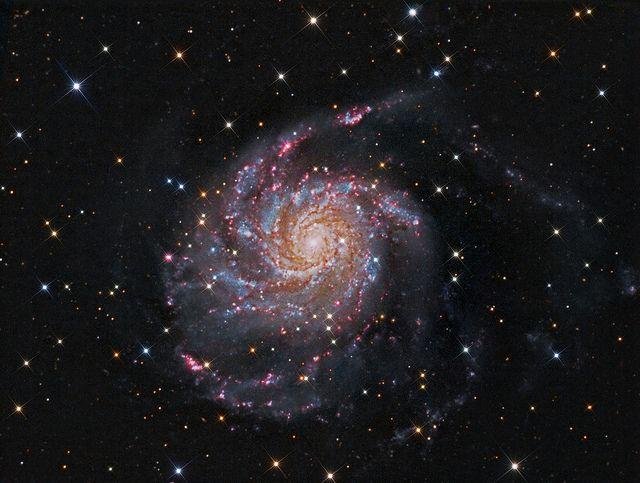
Measuring Turbulence: Key Quantities Behind the Driving Parameter
This paper studies how turbulence in a simulated Milky Way–like galaxy evolves and influences star formation. By tracking the turbulence driving parameter b, the authors find that compressive turbulence (high b) tends to occur about 10 Myr before increases in star formation, while supernova feedback later boosts turbulence and reduces b. Overall, turbulence cycles between compressive and mixed modes, tightly linked to the timing of star formation events.
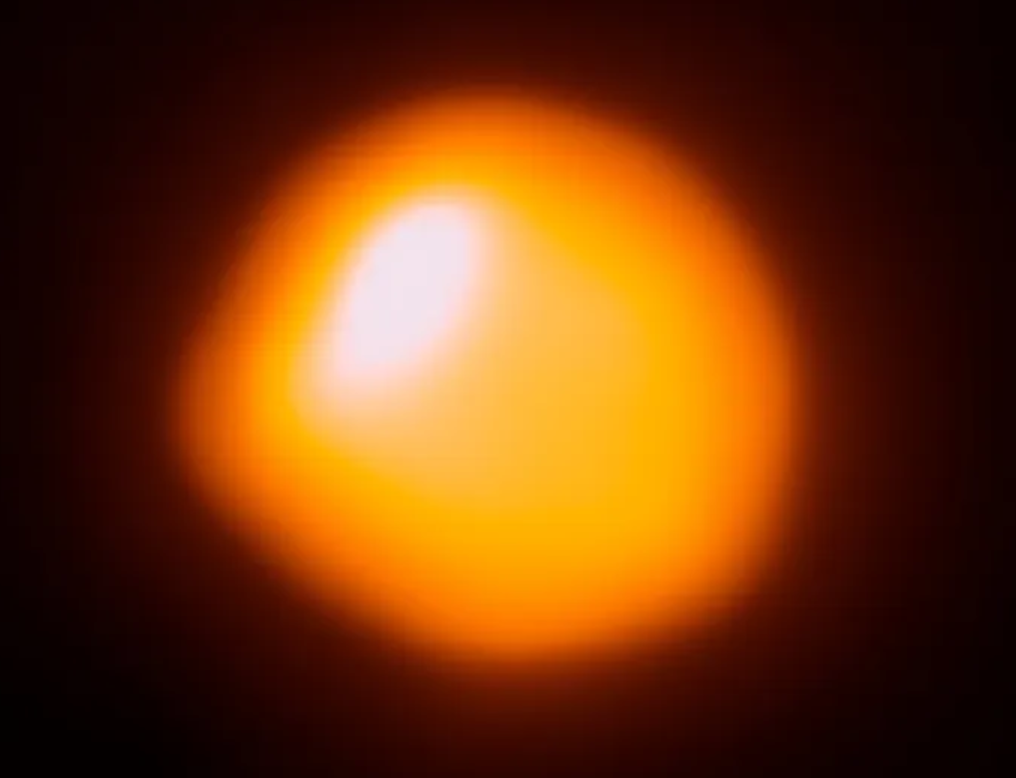
Betelgeuse’s Hidden Partner: Tracing a Stellar Wake Inside a Supergiant Atmosphere
This paper argues that Betelgeuse’s long secondary period is caused by a companion star orbiting within its extended atmosphere. Optical and ultraviolet spectra show repeating changes in absorption and outflow that match the companion’s six-year orbit. These signatures are best explained by a dense, expanding wake of gas trailing behind the companion as it moves through the star’s chromosphere.
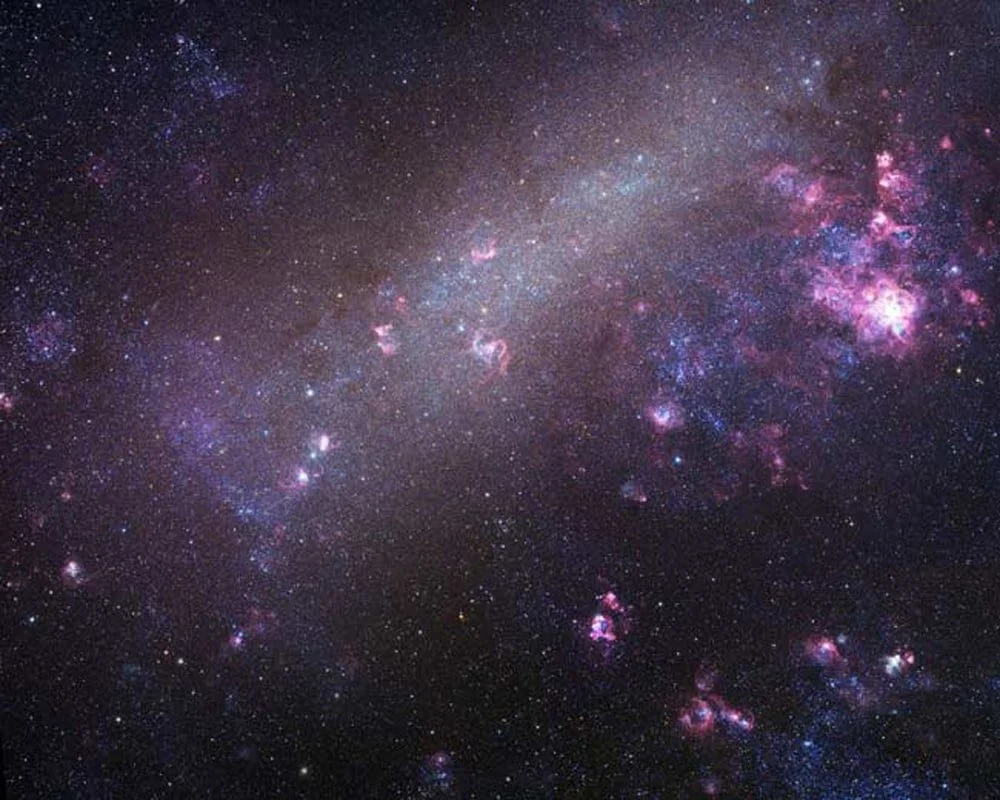
Mapping the Milky Way’s Hidden Superclouds
Kormann et al. use new Gaia-based 3D dust maps to identify seven massive, kiloparsec-long superclouds in the local Milky Way. These structures are highly elongated, mostly parallel, and contain most nearby star-forming regions. Many show vertical undulations, and despite differing masses, they maintain similar densities, suggesting pressure-regulated formation driven by large-scale Galactic dynamics rather than spiral arms.
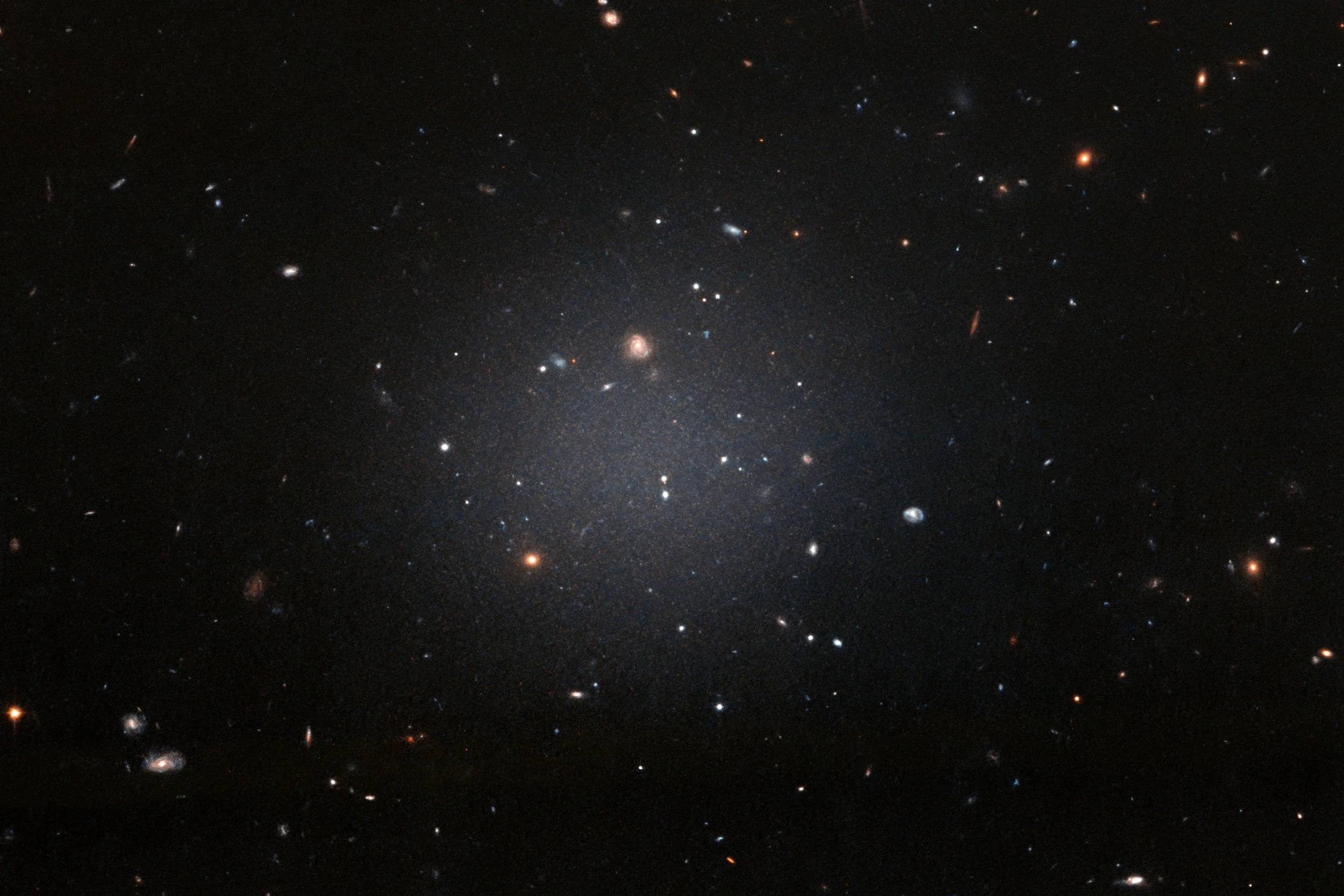
A Cosmic Smoking Gun: Velocities Reveal a Violent Birth for a Trail of Dark Matter Free Galaxies
This paper reports precise velocity measurements for faint galaxies aligned in a narrow trail near NGC 1052. Five of seven galaxies follow a predicted velocity pattern, strongly supporting the idea that the trail formed in a single high speed collision between dwarf galaxies. The results provide compelling evidence that these galaxies are kinematically connected and formed together without dark matter.
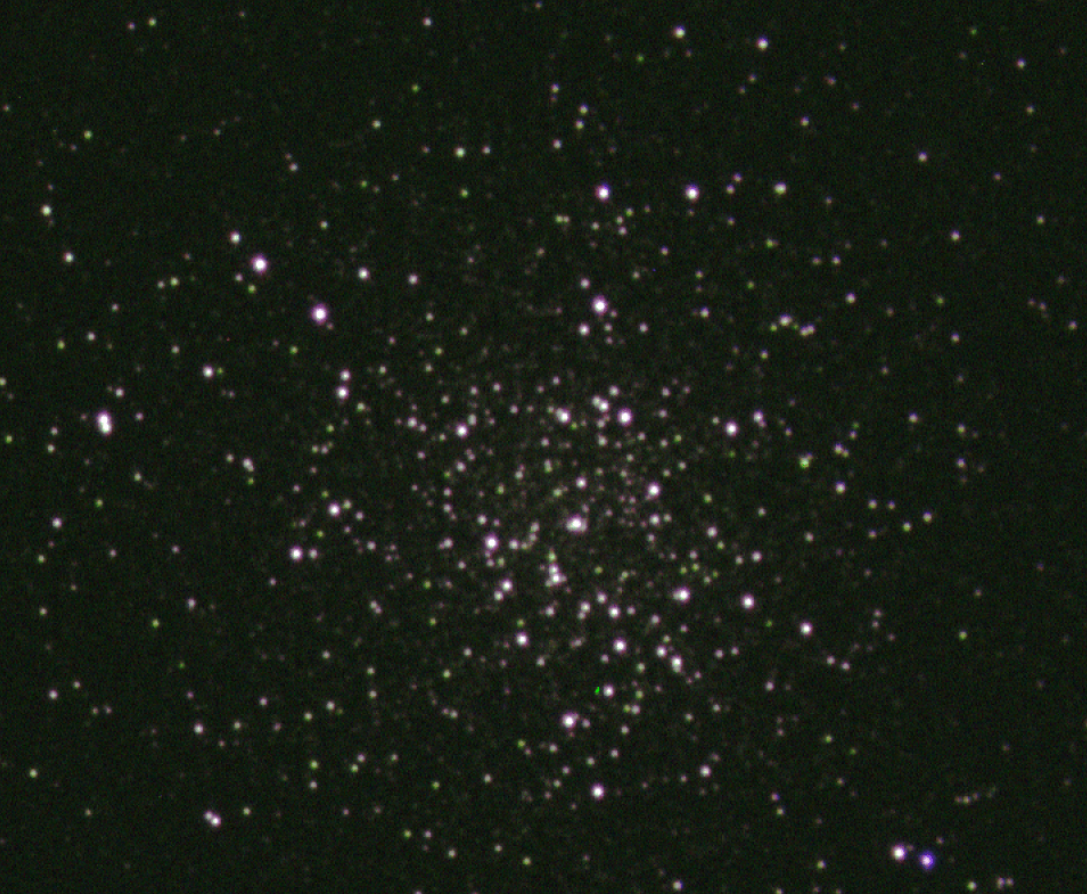
Hidden Clusters in the Dust: Using RR Lyrae Stars to Uncover the Milky Way’s Missing Building Blocks
The paper presents a search for hidden globular clusters in the Milky Way’s dusty plane and bulge using RR Lyrae stars as tracers of old stellar populations. By combining Gaia and near-infrared data with a carefully calibrated clustering algorithm, the authors recover known clusters and identify several compact RR Lyrae groups that may represent previously undiscovered or disrupted clusters.
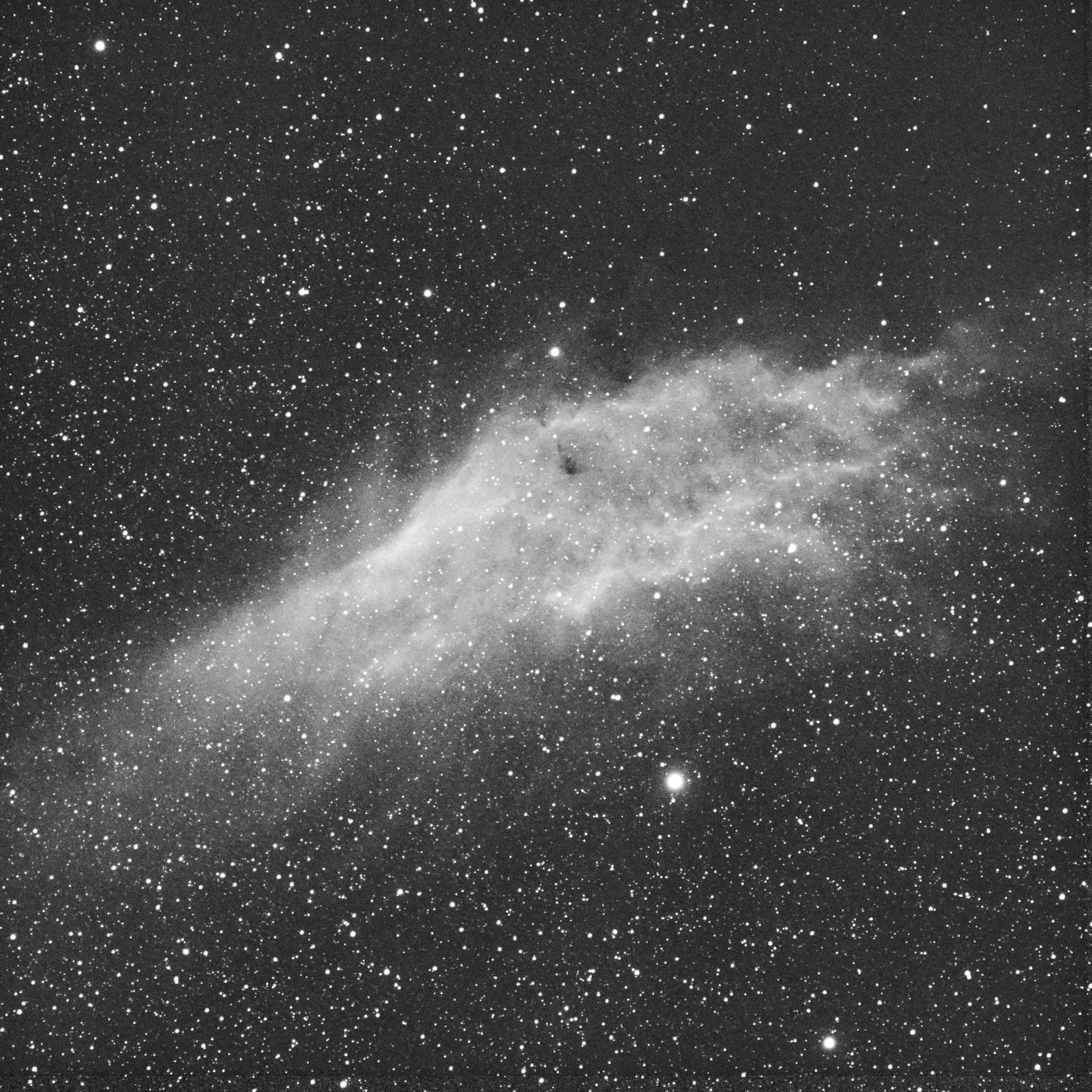
A Giant, Slow-Motion Bubble: Tracing a Long-Lived Superbubble Across the Perseus Arm
This paper studies the Giant Oval Cavity, the largest known superbubble in the Milky Way, stretching across the Perseus spiral arm. By tracking the motions of young, massive stars, the authors show that the cavity is slowly expanding and extremely long-lived. Repeated supernova explosions continually supply energy, allowing the structure to survive despite Galactic turbulence and shear.
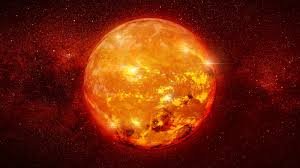
Flaring Stars and Fragile Worlds: Can Planets Around Red Dwarfs Be Habitable?
This white paper by Rebecca Szabó examines whether planets orbiting active, flaring M-dwarf stars can remain habitable. While these stars host many planets in the habitable zone, frequent high-energy flares may strip atmospheres or damage ozone layers, threatening life. The authors argue that large-scale, high-cadence observations are needed to determine whether stellar flares ultimately hinder or help planetary habitability.
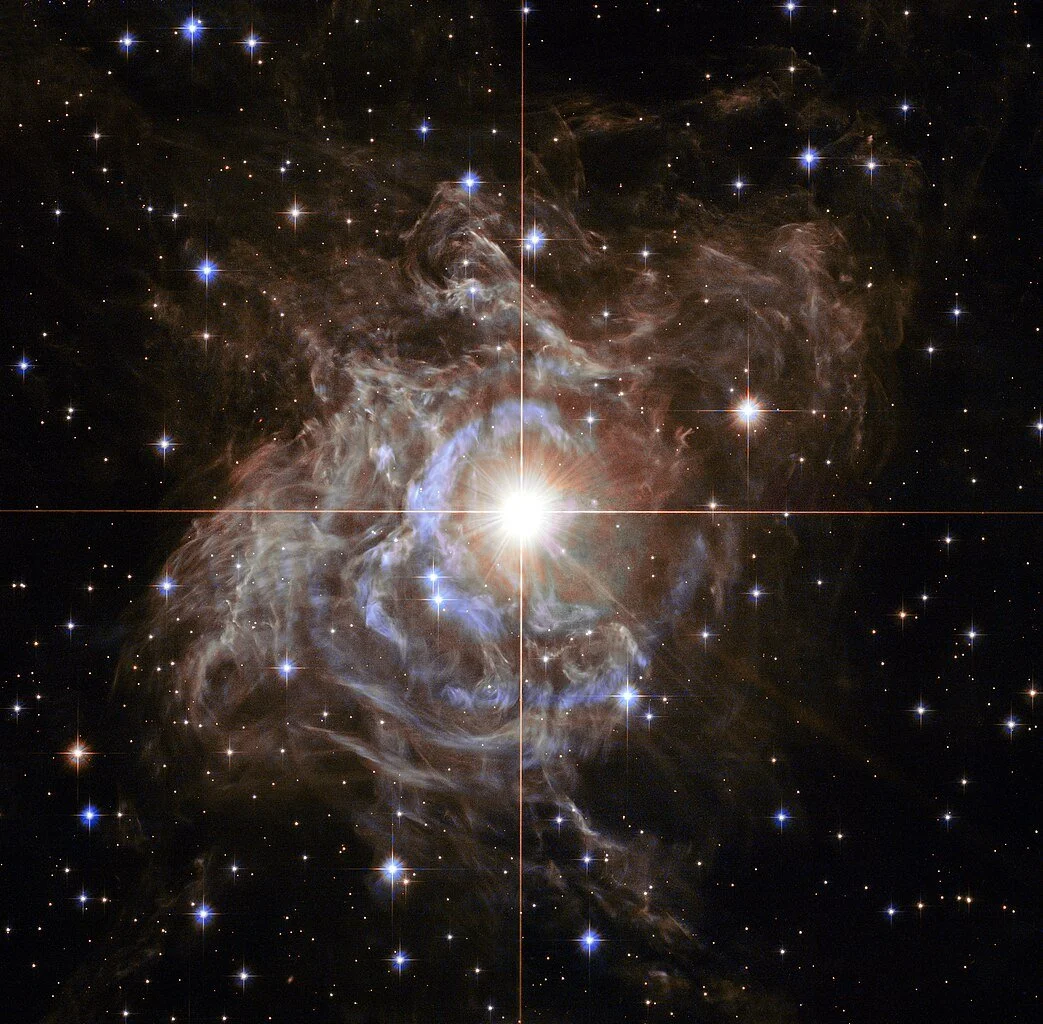
Riding the Galaxy’s Carousel: Measuring the Milky Way’s Rotation with Gaia Cepheids
Feng and collaborators use nearly a thousand Gaia DR3 Classical Cepheids to measure the Milky Way’s rotation curve with high precision. They find a gently declining trend with a distinct dip and bump, features seen mostly in young tracers. By constructing an averaged rotation curve, they estimate a solar circular speed of about 237 kilometers per second and derive dark matter densities and masses consistent with previous studies.
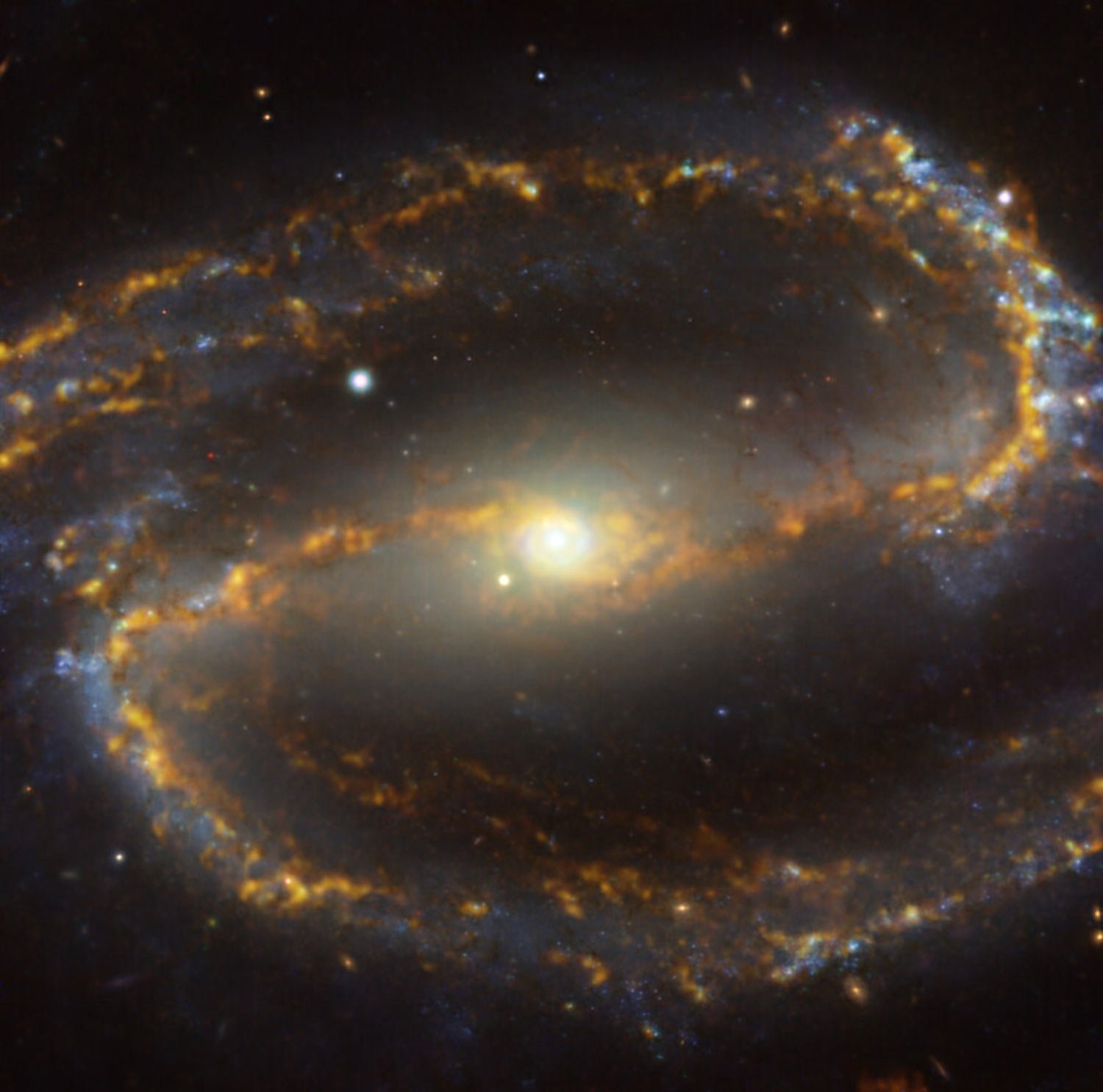
When Hot Disks Meet Spinning Halos: How Bars Can Still Form
Kataria’s study shows that even a kinematically hot and thick galactic disk, normally stable against bar formation, can develop a bar if it sits inside a rapidly spinning dark matter halo. Simulations reveal that halo spin greatly enhances angular momentum transfer, by a factor of eight, triggering bar growth that classical stability criteria fail to predict. This mechanism may explain why JWST observes barred galaxies in the early, turbulent universe.
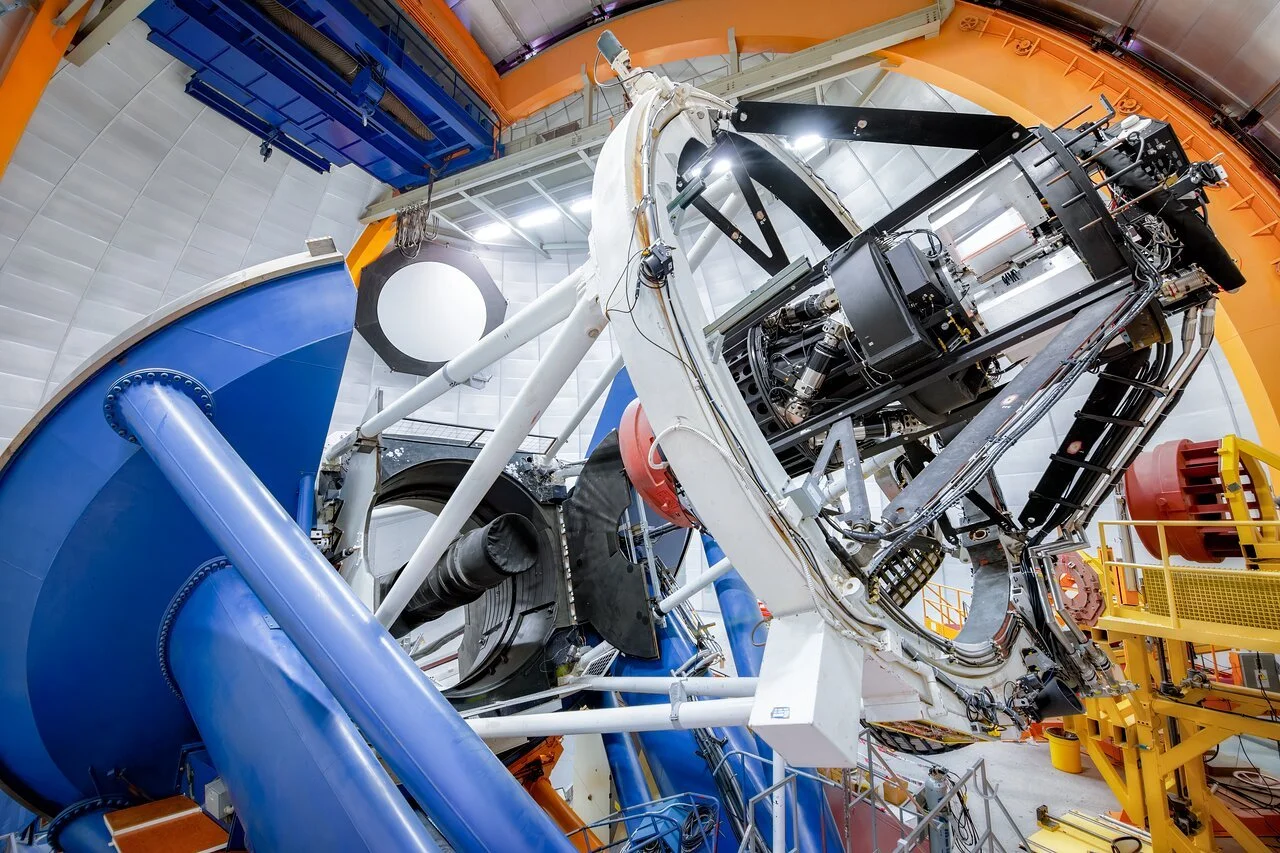
Tracing the Earliest Stars: A Guide to the DECam MAGIC Survey
The paper presents high-resolution observations of six extremely metal-poor stars selected with DECam MAGIC photometry, confirming the survey’s ability to identify ancient stellar fossils. One star, J0433−5548, is an ultra metal-poor, carbon-enhanced second-generation star likely enriched by a single Population III supernova. The stars’ chemical patterns and orbital motions link them to major Galactic structures, offering insights into the Milky Way’s early formation.