
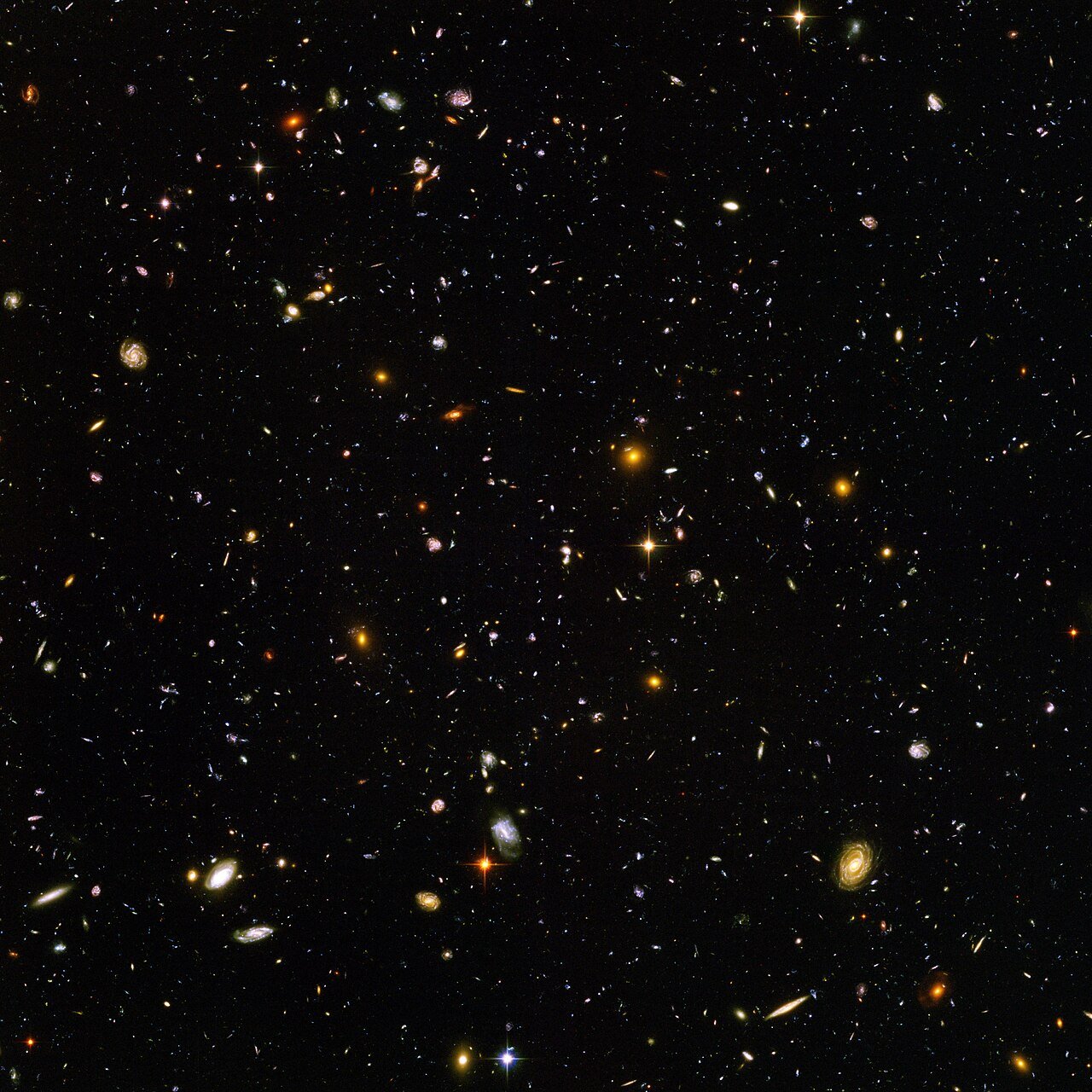
Cosmic Wallflowers: How Lonely Star Clusters Bloomed in the Early Universe
This paper shows that extremely dense star clusters can form in the circumgalactic medium of young galaxies at very high redshift, rather than only inside galactic discs. Using high-resolution simulations, the authors find that these clusters arise from gravitational fragmentation of gas filaments, reach densities similar to JWST-observed systems, and may evolve into present-day globular clusters or sites of early black hole formation.
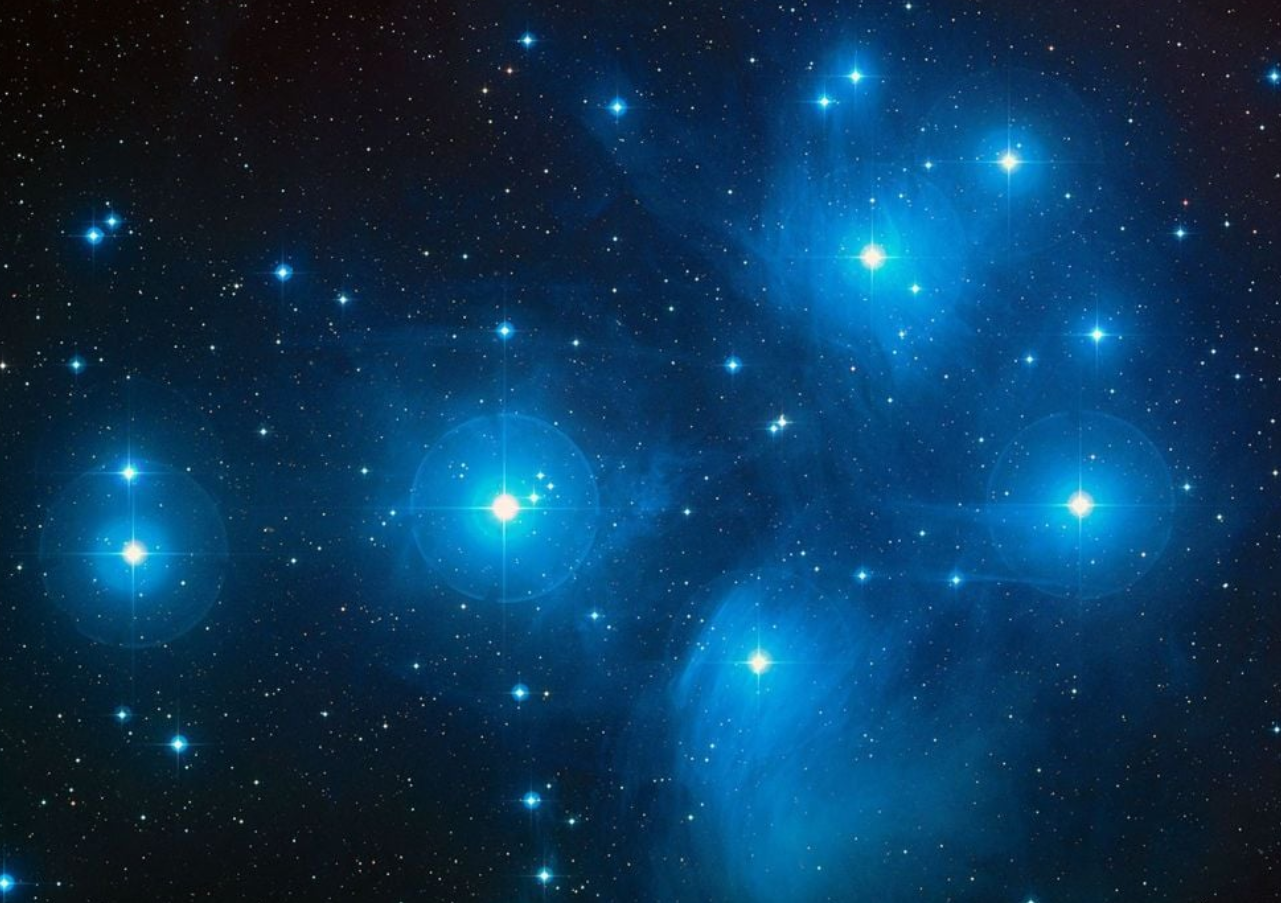
From Clouds to Clusters: Are the Orion, Pleiades, and Hyades Stages of the Same Star Cluster?
Safaei et al. simulate how a dense young cluster like the Orion Nebula Cluster (ONC) evolves over time. Their models show it can expand and lose stars to resemble the Pleiades at ~100 million years and the Hyades at ~800 million years. This suggests the ONC, Pleiades, and Hyades may represent stages of the same cluster type.

Illuminating Star Birth: JWST Reveals the Life Stages of Emerging Star Clusters in M83
This study uses JWST observations to uncover the early life stages of star clusters in the galaxy M83. By classifying clusters based on infrared emissions, the authors track their emergence from gas and dust. Most clusters become exposed within 6 million years, though only 20–30% remain bound. The central galaxy region forms the most massive clusters, highlighting environmental effects on star formation.

How Star Clusters Grow Old: Modeling the Formation and Evolution of the Milky Way’s Stellar Families
This study models how Milky Way star clusters form and evolve, focusing on how their masses change with age. Using data from the MWSC survey, the authors find that clusters lose most of their mass early on through a phase called violent relaxation. Their model matches observations well and suggests a constant cluster formation rate over billions of years.