
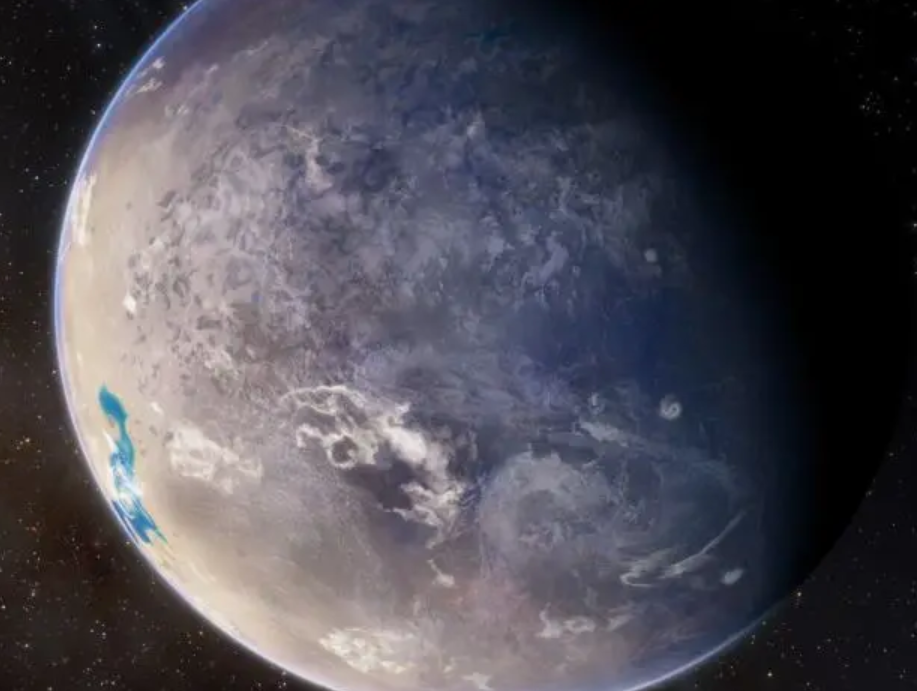
Heavy Atmospheres and Hidden Birthplaces: Tracing Where Giant Planets Form
This paper shows that many giant exoplanets are rich in heavy elements because they likely formed in the inner regions of their protoplanetary discs. There, inward-drifting pebbles evaporate and enrich the gas, which planets then accrete into their atmospheres. By matching simulations to observed planets, the authors link heavy element content and atmospheric composition to planetary birth locations.
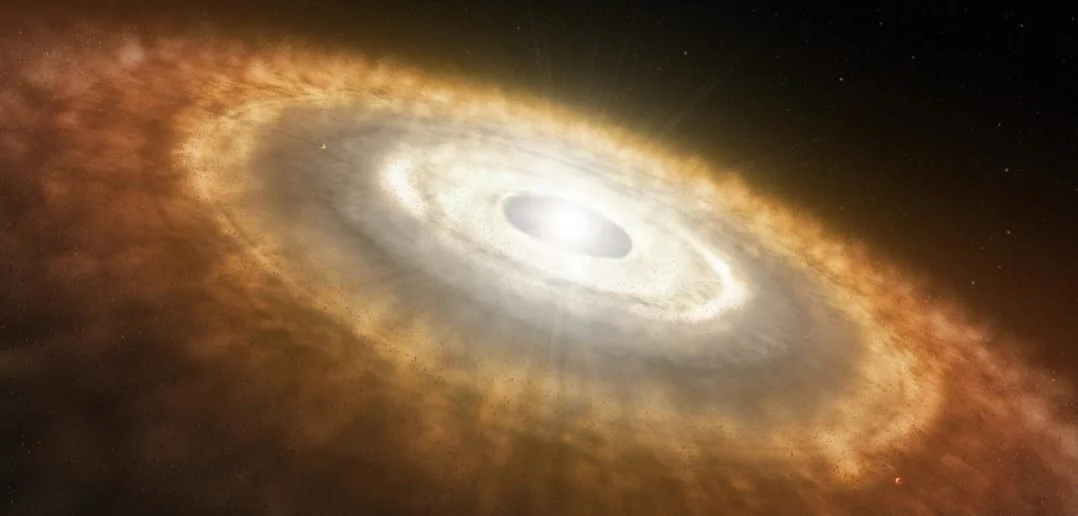
Icy Beginnings: How Growing Planetesimals Warmed, Melted, and Evolved
Kimura et al. model how icy planetesimals heat, melt, and chemically evolve as they grow, showing that final size, growth timing, and accretion rate strongly control whether they stay cold, experience aqueous alteration, or even melt metal. Their results explain how Ryugu’s parent body remained cool while other bodies formed iron meteorites, and they outline conditions that could produce Enceladus-like interiors.
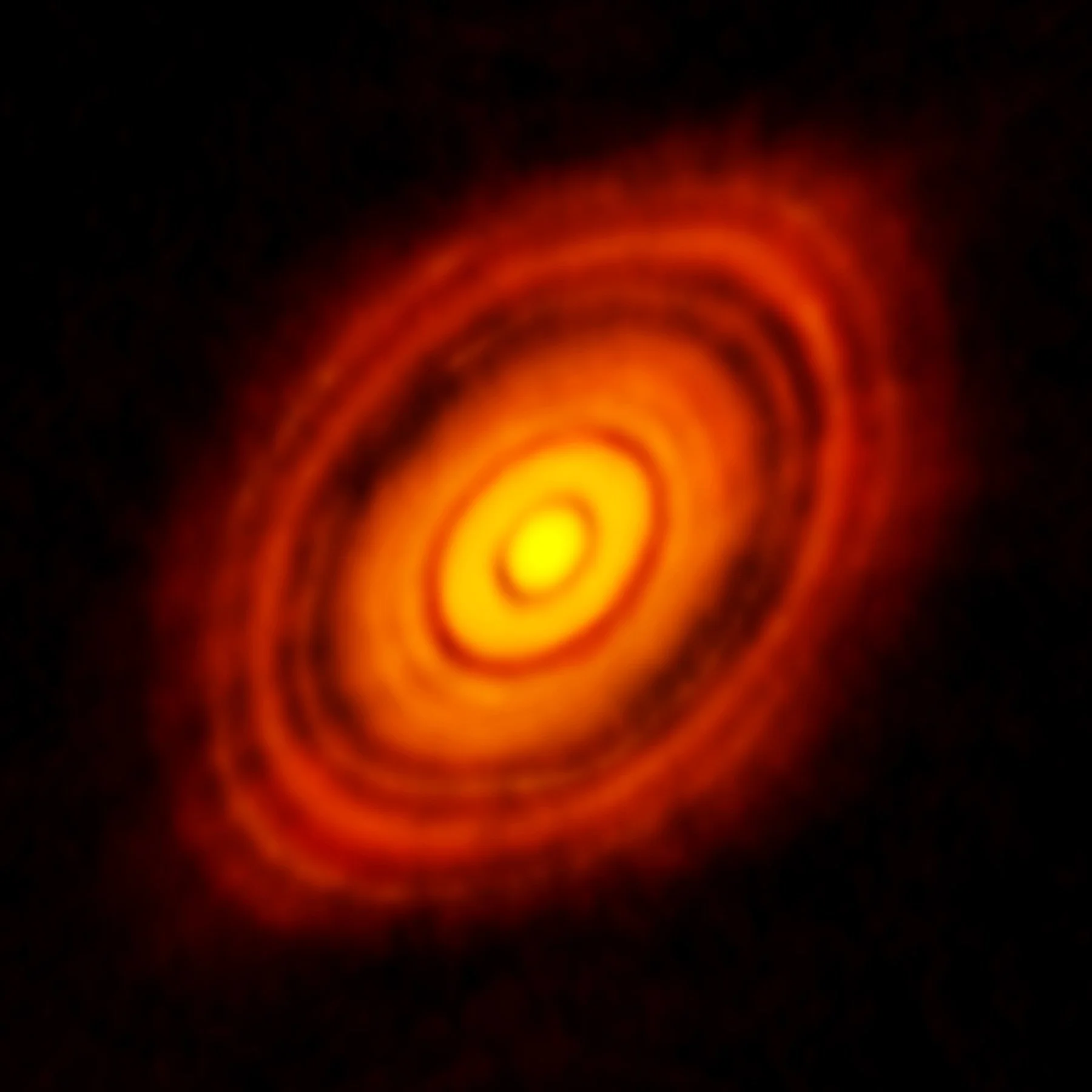
Did the Terrestrial Planets Form by Pebble Accretion?
The study by Alessandro Morbidelli and colleagues evaluates two theories of terrestrial planet formation: the classical model and pebble accretion. The classical model, involving collisions and mergers of planetesimals, aligns better with observed isotopic compositions, volatile element patterns, and planetary dynamics. In contrast, pebble accretion, which predicts significant contributions of carbonaceous material and rapid formation within the gas disk's lifetime, is inconsistent with the data. The researchers conclude that while pebbles may have contributed early in planetary growth, the formation of Earth and its neighbors was dominated by the classical model of planetesimal collisions and giant impacts.