
Knowing the Hubble Tension: A Historical Perspective on Cosmic Measurements
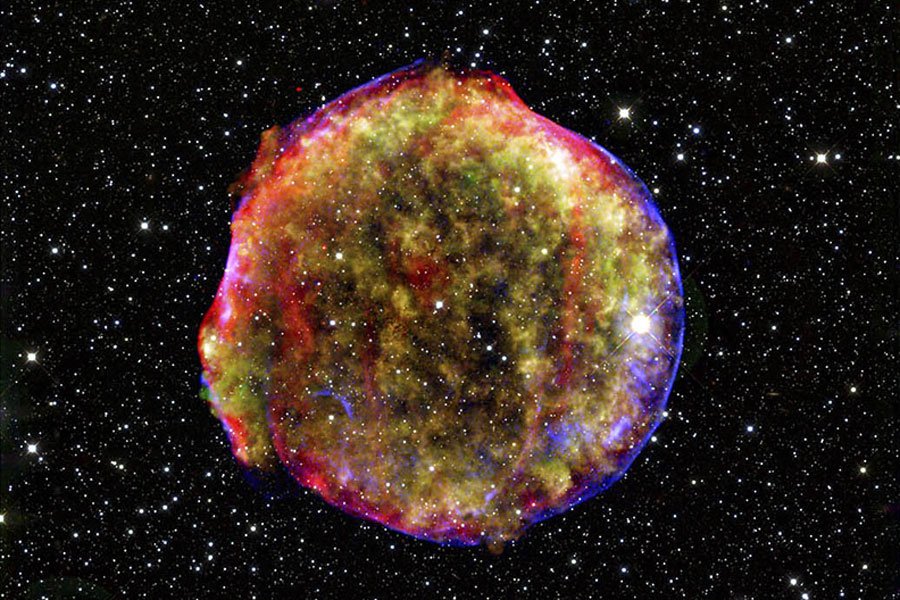
The study by Martín López-Corredoira examines the historical underestimation of errors in Hubble constant (H0) measurements, revealing persistent tensions often misinterpreted as significant anomalies. Recalibrating probabilities, the study finds modern "Hubble tension" aligns with historical trends, driven by systematic errors and sociological groupthink. The work emphasizes cautious interpretation of discrepancies and the need to challenge dominant narratives in cosmology for a broader understanding of cosmic phenomena.
Tracing the Galactic Past: Linking Stars to Reticulum II’s Tidal History
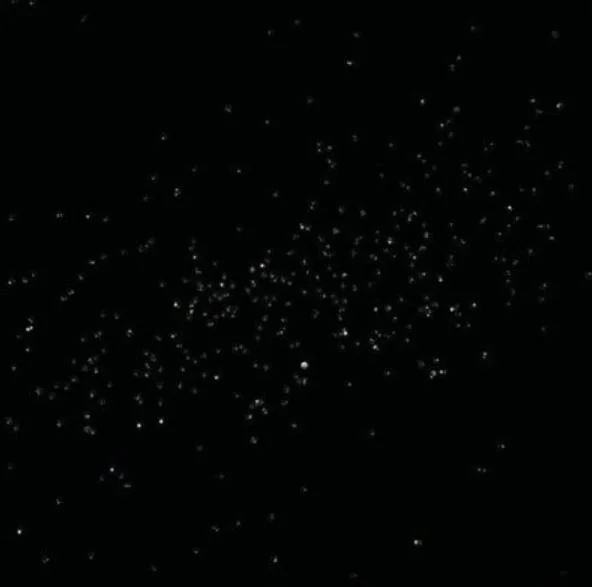
Researchers traced the origins of r-process-enhanced stars in the Milky Way halo to the ultra-faint dwarf galaxy Reticulum II (Ret-II). Using advanced simulations and star catalogs, they identified 93 stars likely ejected from Ret-II over 11.5 billion years as it orbited the galaxy. This study highlights Ret-II’s role in the Milky Way’s formation and provides insights into the origins of heavy elements through cosmic events like neutron star mergers.

Exploring Black Holes in Dwarf Galaxies: Insights from Omega Centauri
This study by Limberg explores the proposed intermediate-mass black hole (IMBH) in Omega Centauri (ωCen), a stripped nuclear star cluster thought to be from the dwarf galaxy Gaia-Sausage/Enceladus. It extends known relationships between black hole mass, stellar mass, and velocity dispersion to dwarf galaxies, suggesting such galaxies follow similar evolutionary patterns as larger systems. The findings emphasize the importance of studying IMBHs to understand black hole formation and their role in galaxy evolution.
Tracing the Origins of the Milky Way's Bulge
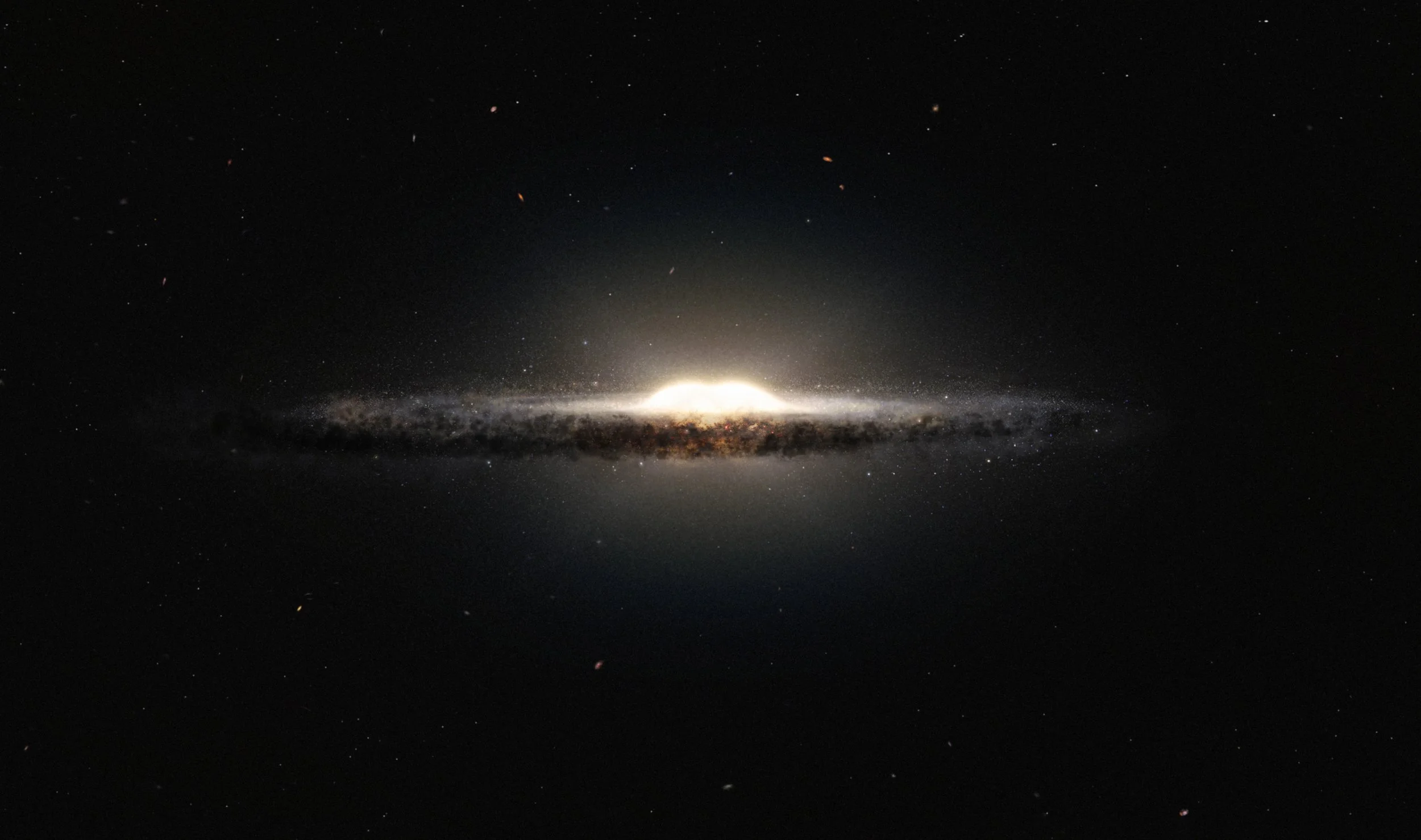
Tristan Boin et al. investigate puzzling velocity trends in the Milky Way’s bulge, where metal-rich stars exhibit high velocity dispersion near the midplane, reversing at higher latitudes. Using APOGEE data and N-body simulations, they show that the bulge's bar-like structure traps metal-rich, thin-disk stars more efficiently. This study reinforces the idea that the bulge forms from disk material rather than a classical spheroid.
The Goldilocks Zone of Europium: Exploring Planetary Habitability and R-Process Origins
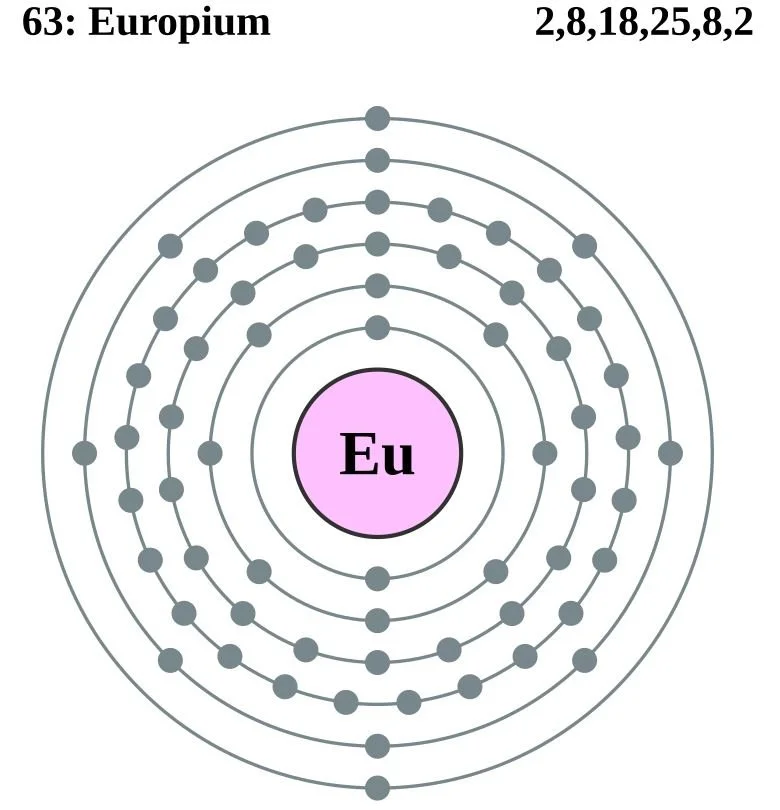
The study by Carrasco et al. explores how europium, a proxy for uranium and thorium, affects planetary habitability by influencing magnetic field generation on rocky planets. They identify a "Goldilocks zone" of stellar metallicity, where planets are most likely to sustain stable magnetic dynamos critical for life. Additionally, the research links europium’s distribution to neutron star mergers, refining our understanding of r-process element production and its role in shaping habitable environments across the galaxy.
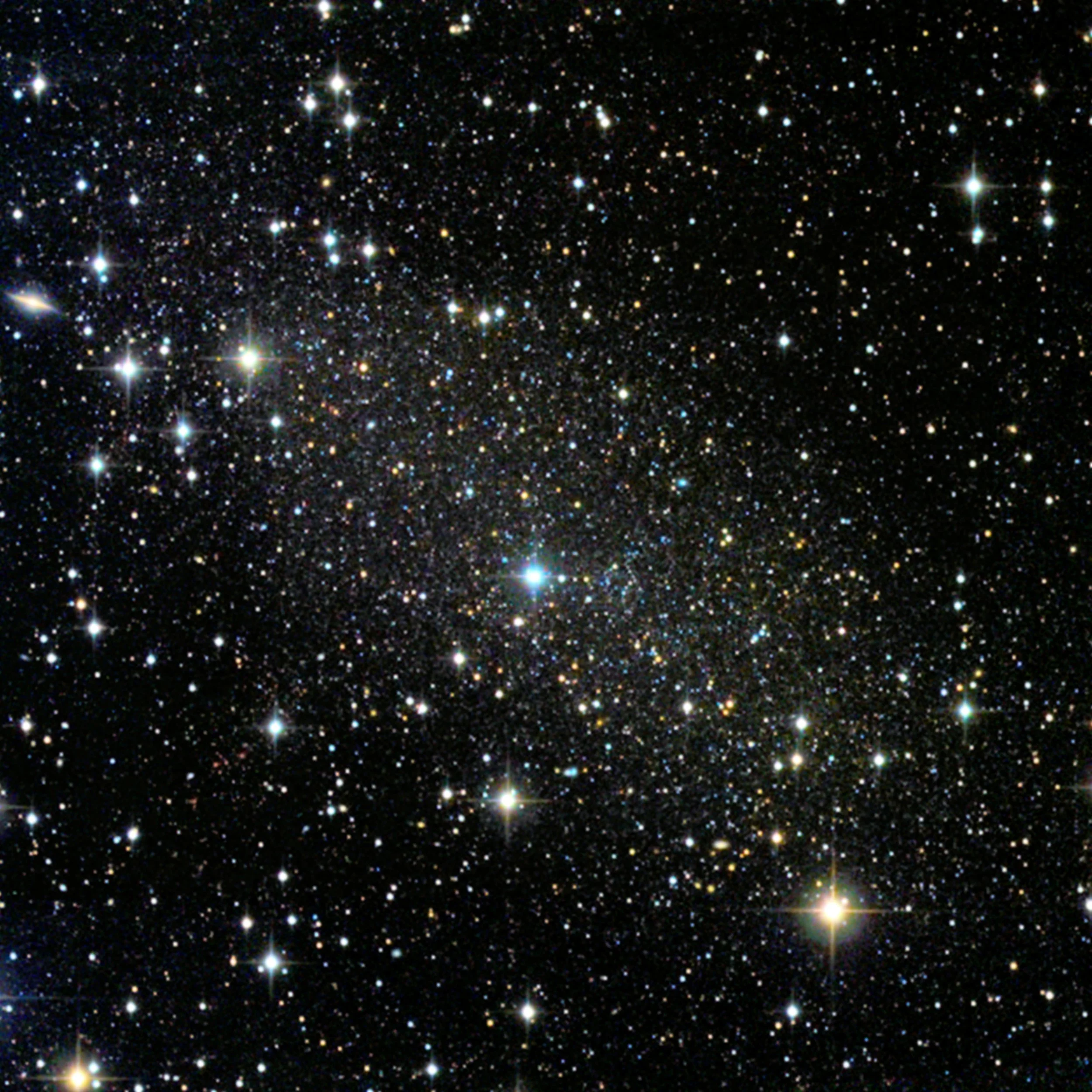
Unveiling the Milky Way’s Past: Insights from Dwarf Galaxies and Simulations
The study by François Hammer and collaborators examines the Milky Way's accretion history by comparing observational data, including globular clusters and dwarf galaxies, to predictions from cosmological simulations. They find that older mergers align well with simulations, but most dwarf galaxies appear to have been captured relatively recently, contradicting simulation predictions. The study highlights mismatches in rotation curves and binding energy distributions, suggesting current models need refinement. The work concludes that more realistic simulations are required to accurately capture the Milky Way's mass distribution and evolutionary history.
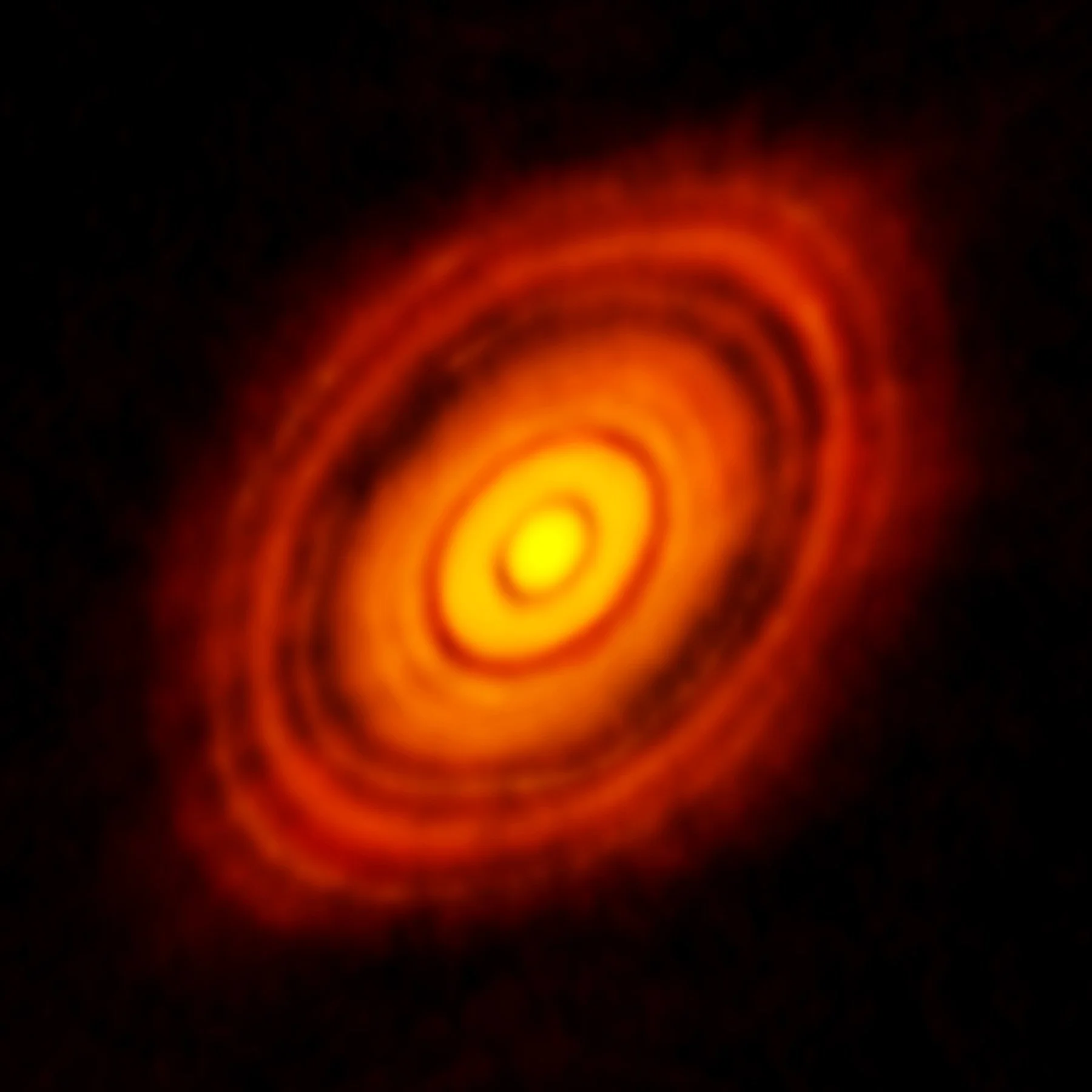
Did the Terrestrial Planets Form by Pebble Accretion?
The study by Alessandro Morbidelli and colleagues evaluates two theories of terrestrial planet formation: the classical model and pebble accretion. The classical model, involving collisions and mergers of planetesimals, aligns better with observed isotopic compositions, volatile element patterns, and planetary dynamics. In contrast, pebble accretion, which predicts significant contributions of carbonaceous material and rapid formation within the gas disk's lifetime, is inconsistent with the data. The researchers conclude that while pebbles may have contributed early in planetary growth, the formation of Earth and its neighbors was dominated by the classical model of planetesimal collisions and giant impacts.
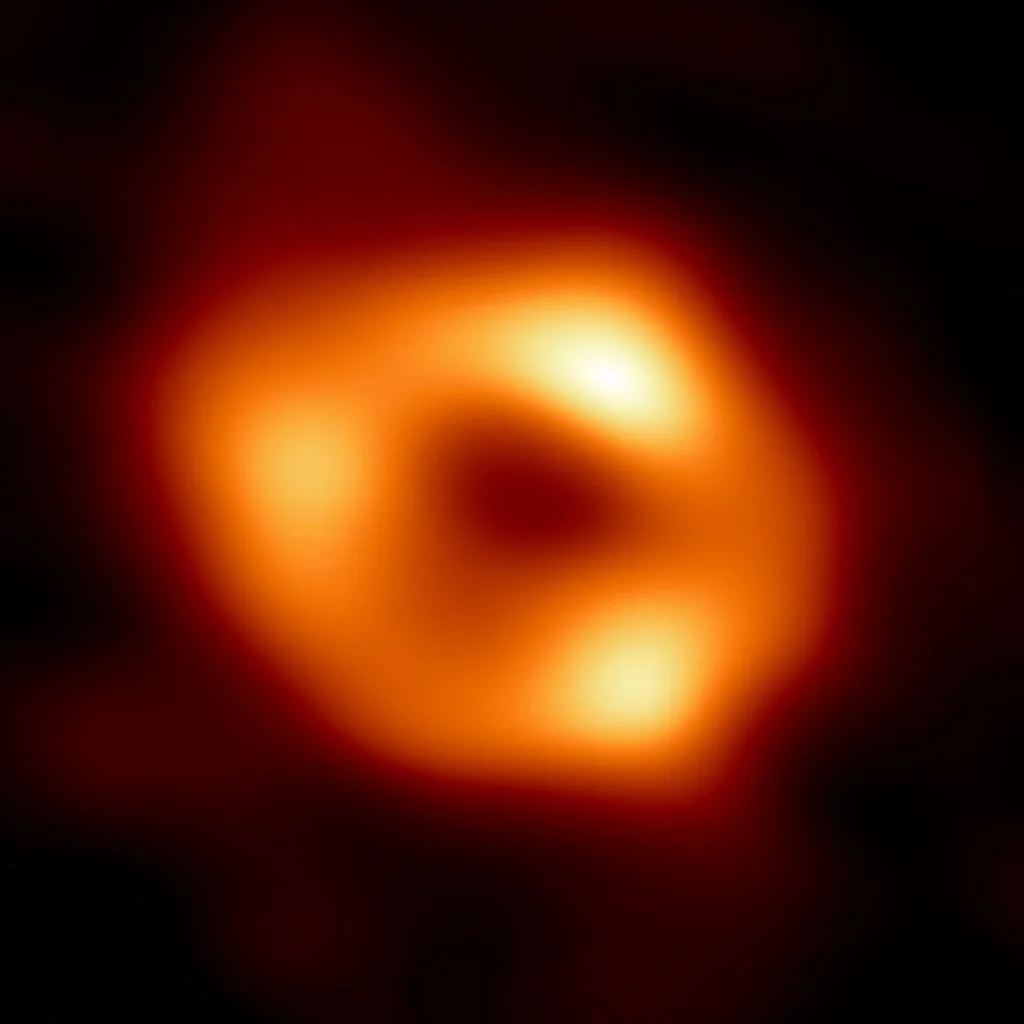
A Deeper Look at the Mysterious Heart of our Galaxy: Understanding Sagittarius A*
The study focuses on Sagittarius A* (Sgr A*), the supermassive black hole at the center of the Milky Way, examining its behavior and influence on its surroundings. Using advanced observational techniques across multiple wavelengths, scientists explore its accretion disk, occasional bursts of activity, and the jets it emits. By analyzing these phenomena, researchers aim to understand how supermassive black holes form, grow, and shape their host galaxies. Future advancements, such as the Event Horizon Telescope, promise even deeper insights into Sgr A* and its broader implications for galactic evolution.

Decoding the Dynamics of Leo T: A Perturbed Dwarf Galaxy at the Milky Way's Edge
Matías Blaña and collaborators used simulations to study Leo T, a gas-rich dwarf galaxy on the outskirts of the Milky Way. They investigated why its stars and gas are misaligned, exploring the effects of environmental forces, stellar winds, and internal dynamics. The results suggest that Leo T likely has a "cored" dark matter profile, allowing for long-lasting oscillations in its gas distribution. This study highlights how a combination of internal processes and interactions with the Milky Way shape the evolution of small galaxies like Leo T, providing insights into dark matter behavior.
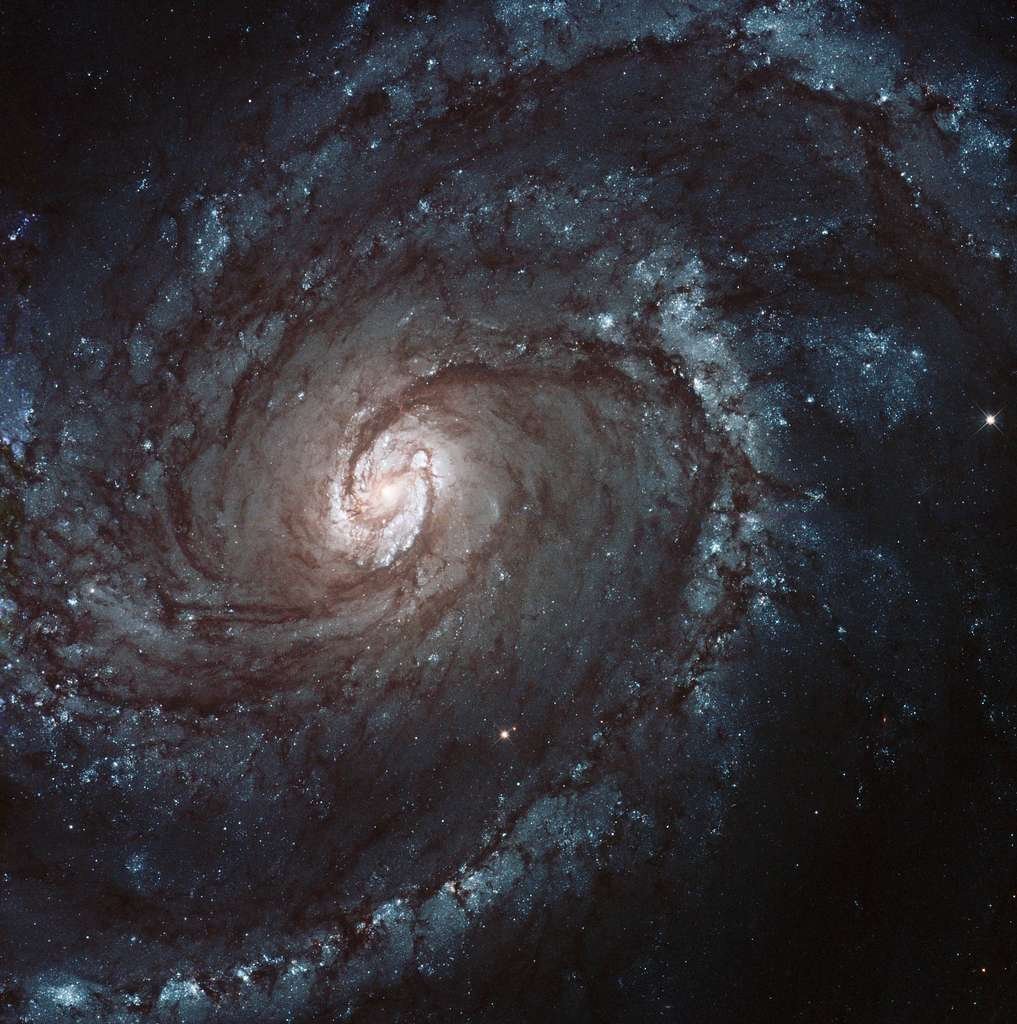
Why is the Galactic Disk So Cool? Exploring Stellar Migration and Heating
The Milky Way’s stellar disk is unusually “cool,” with stars migrating radially without significant orbital heating. This study explores how spiral arms and other perturbations influence this dynamic. Simulations reveal that maintaining this balance requires fine-tuned conditions, such as open spiral structures or localized effects near corotation. Traditional models, like the horseshoe mechanism, often lead to excessive heating unless adjusted. The findings challenge existing theories and offer key insights into the Galaxy’s evolution and the role of spiral arms in shaping disk dynamics.

Exploring Moving Groups in Our Galactic Neighborhood
Liang et al. examined nine moving groups in our solar neighborhood using data from surveys like Gaia and APOGEE. By analyzing the groups’ positions, velocities, chemical properties, and ages, they discovered that these groups often formed from distinct star formation events, showing unique chemical and age profiles compared to surrounding stars. The study suggests that moving groups retain the characteristics of their formation environments, shaped by processes like gravitational effects and gas accumulation, offering valuable insights into the Milky Way’s evolution.

Unveiling the Hubble Constant: A New Approach with Blue Supernovae
SNe Ia are used as standard candles for measuring distances in the universe, but dust in galaxies can cause their light to appear dimmer, leading to errors in calculations like the Hubble constant (H₀). Gall and her team suggest focusing on blue SNe Ia, which are less affected by dust and therefore offer a more accurate measure of brightness. This approach helps avoid the complications of dust extinction corrections, potentially leading to a more reliable measurement of H₀.

Exploring Uranus at New Angles: Insights from New Horizons' Observations
Samantha Hasler and colleagues analyzed unique high-phase-angle observations of Uranus captured by New Horizons in 2010, 2019, and 2023, revealing insights into Uranus’s energy balance and atmospheric characteristics. They found that Uranus’s brightness varies minimally across its surface and appears darker in certain filters than models predicted, suggesting limited large-scale atmospheric features. These observations, complemented by Hubble and amateur astronomer data, provide valuable benchmarks for future studies of ice giants, including distant exoplanets observed at similar angles.
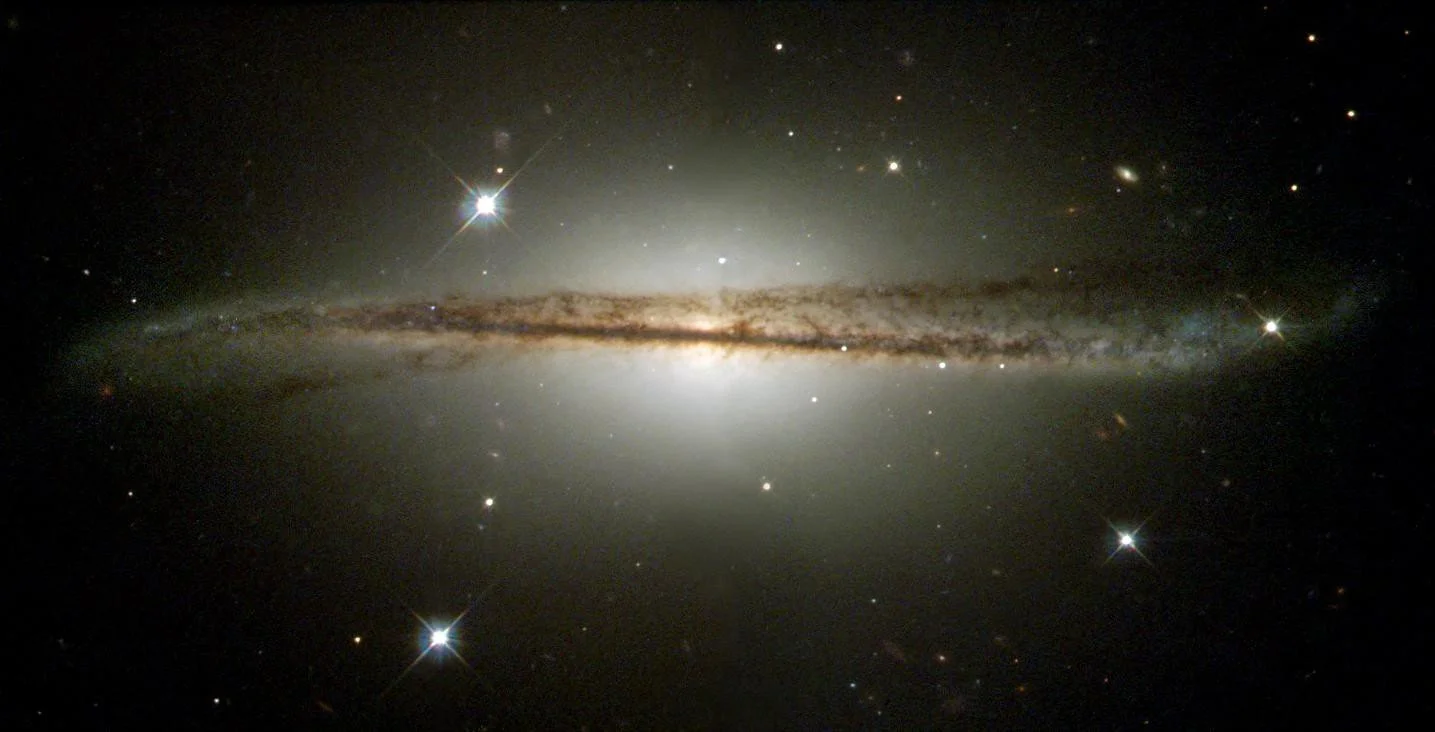
Understanding Galactic Disc Warps: The Influence of Dark Matter and the Sagittarius Dwarf Galaxy
This paper by James Binney explores why spiral galaxies, like the Milky Way, often have warped outer discs. By revisiting and updating earlier models, Binney shows how galactic warps form and evolve, especially under the influence of the Sagittarius Dwarf Galaxy's gravitational pull during close encounters. His model suggests that these interactions cause the Milky Way’s disc to warp temporarily, gradually winding into spiral patterns. This work highlights that such warps provide insight into the dark matter halo’s density and shape, offering a new understanding of galactic dynamics and structure.

Tracing the Chemical Fingerprints of Early Stars through Elemental Patterns in the Milky Way
This study examines the chemical evolution of elements like carbon, nitrogen, oxygen, and lithium in 52 metal-poor giant stars in the Milky Way’s halo to understand the early Galaxy’s chemical history. By analyzing patterns in “mixed” and “unmixed” stars, the researchers found that mixed stars show evidence of internal processes altering their elemental composition, while unmixed stars retain the chemical signature of the early Galaxy. Lithium detection in some stars supported this classification, and stellar rotation was identified as a crucial factor in explaining observed nitrogen levels.
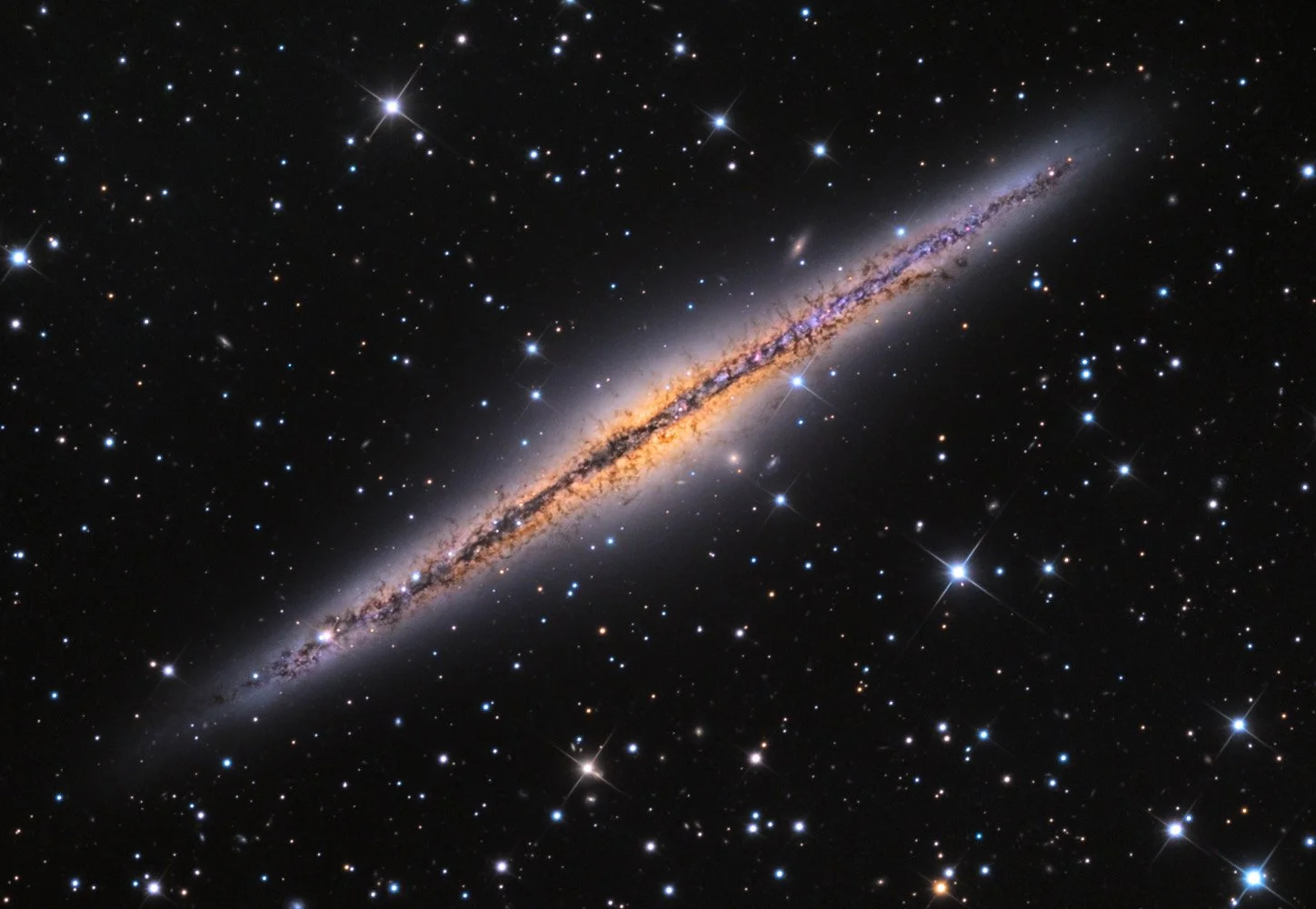
Exploring Galactic Sub-Structures: A Look into the GECKOS Survey of Edge-On Galaxies
The GECKOS Survey examines edge-on, Milky Way-like galaxies to understand the structures and kinematics within them, focusing on features like boxy-peanut bulges and bars. Using high-resolution imaging and the nGIST pipeline for data analysis, researchers identified diverse kinematic patterns and evidence of nuclear discs, revealing how these sub-structures influence galaxy shape and evolution. The findings suggest that kinematic mapping provides a richer view of galaxy morphology than imaging alone, supporting a complex, modern understanding of galactic structure.

Investigating the Milky Way’s Thin Disk Evolution Through Solar Twins
The study by Anastasiia Plotnikova investigates the chemical evolution of the Milky Way’s thin disk by analyzing solar twins—stars similar to the Sun. Using high-resolution spectroscopy, the team examined the age-metallicity relationship (AMR) and found no evidence for a split into distinct populations, challenging previous studies. They suggest that radial migration and galaxy mergers, like the Gaia-Enceladus/Sausage event, significantly shape the disk’s chemical composition, indicating a more continuous, smooth evolution of the thin disk than previously thought.

Exploring Diverging Worlds: The Habitability of Venus, Earth, and Mars
Stephen R. Kane and colleagues explore why Earth supports life while Venus and Mars do not by examining their atmospheres, geology, and solar influences. Earth’s stability stems from processes that balanced its climate, supporting liquid water and life. Venus, with a runaway greenhouse effect, and Mars, which lost its atmosphere, exemplify extreme planetary conditions. Their findings offer insights into the “habitable zone” and guide the search for life on exoplanets using Venus, Earth, and Mars as models of diverse evolutionary paths.
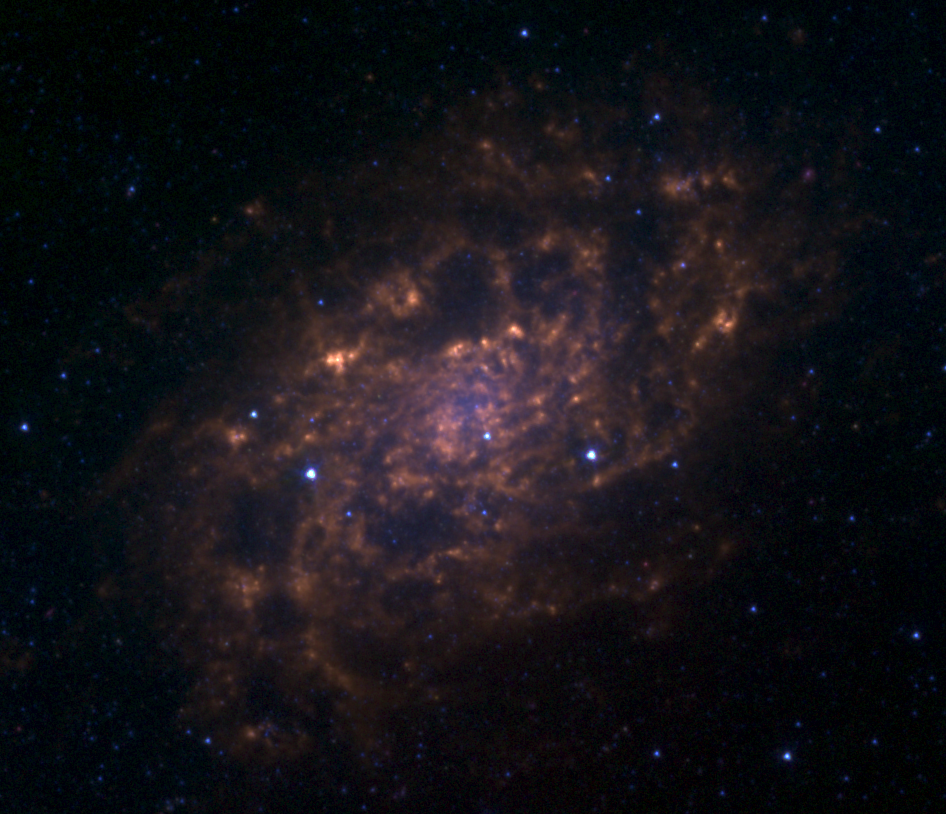
Discovering Dwarf Galaxy Satellites: The Satellite Census of NGC 2403
Jeffrey L. Carlin and his team studied the dwarf galaxies around NGC 2403, an LMC-sized galaxy, as part of the MADCASH survey. Using deep imaging, they identified two true satellite galaxies, DDO 44 and MADCASH-1, and confirmed their detection sensitivity for galaxies as faint as -7.5 magnitude. Their findings align with theoretical predictions and offer a foundation for understanding satellite galaxy populations around galaxies like NGC 2403, paving the way for future surveys to reveal more faint, distant dwarf galaxies.

Formation of Star Clusters and Black Holes in the Early Universe: Insights from High-Redshift Galaxies
Lucio Mayer and colleagues used high-resolution simulations to investigate the formation of ultra-compact star clusters and massive black holes in early galaxies at redshifts greater than 7. They found that dense, gas-rich disks in these galaxies could fragment, rapidly forming compact star clusters with extreme stellar densities. The team suggests that these clusters could generate intermediate-mass black holes, which would then merge to form supermassive black holes, explaining the overmassive black holes observed by JWST in the early universe.