
Caught in the Act: Dissecting the Sagittarius Dwarf Galaxy’s Heart with Gaia
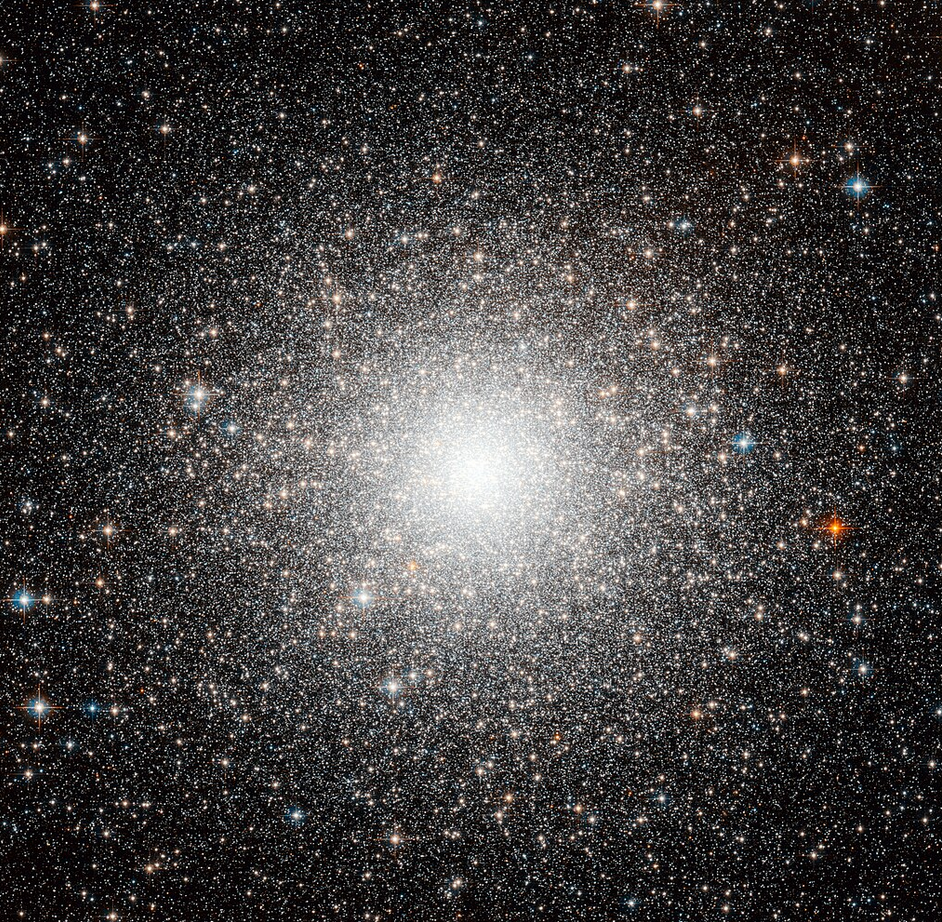
This study uses Gaia DR3 and APOGEE data to examine the Sagittarius dwarf galaxy and its nearby cluster, Messier 54. The authors identify hundreds of thousands of member stars, measure precise distances using red clump stars, and analyze stellar motions and compositions. Their findings suggest the two systems currently overlap but likely formed separately.

Decoding the Chemical Puzzle of the Sagittarius Dwarf Galaxy
Researchers analyzed 37 stars in the Sagittarius Dwarf Galaxy to study its chemical evolution. They found significant enrichment of heavy elements through the r-process, likely from neutron star mergers. Stars in the galaxy's core and tidal streams showed similar chemical patterns, indicating a shared history. The study highlights how dwarf galaxies contribute to the universe's chemical complexity.

Unveiling the Chemical Legacy of the Sagittarius Dwarf Galaxy
The study examines the Sagittarius dwarf galaxy (Sgr dSph), revealing its star formation history and chemical evolution through high-resolution spectroscopy of 111 giant stars. The findings highlight a slower star formation rate compared to the Milky Way, distinct elemental patterns from neutron-capture processes, and contributions from ancient and younger stellar populations. Sgr's evolution offers insights into galactic mergers and enrichment in the Milky Way's halo.