
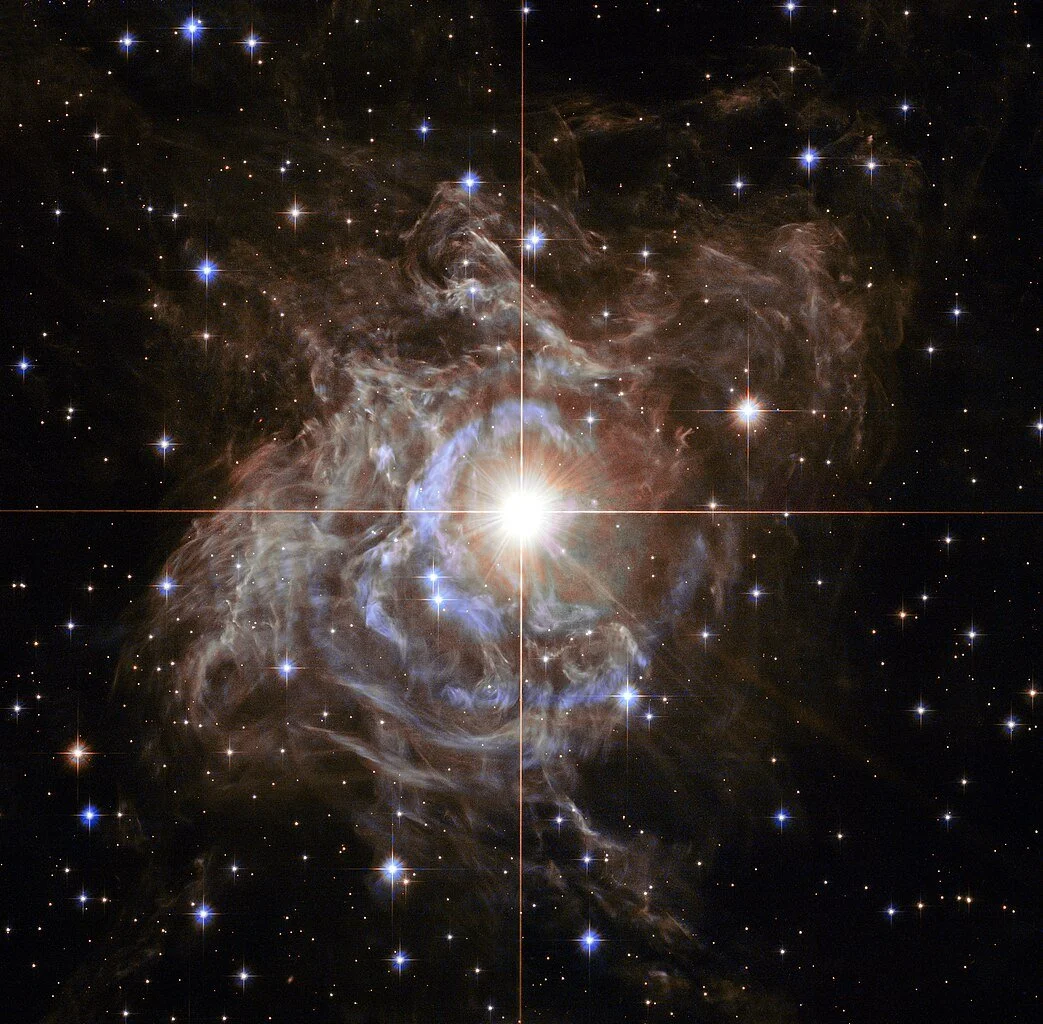
Riding the Galaxy’s Carousel: Measuring the Milky Way’s Rotation with Gaia Cepheids
Feng and collaborators use nearly a thousand Gaia DR3 Classical Cepheids to measure the Milky Way’s rotation curve with high precision. They find a gently declining trend with a distinct dip and bump, features seen mostly in young tracers. By constructing an averaged rotation curve, they estimate a solar circular speed of about 237 kilometers per second and derive dark matter densities and masses consistent with previous studies.
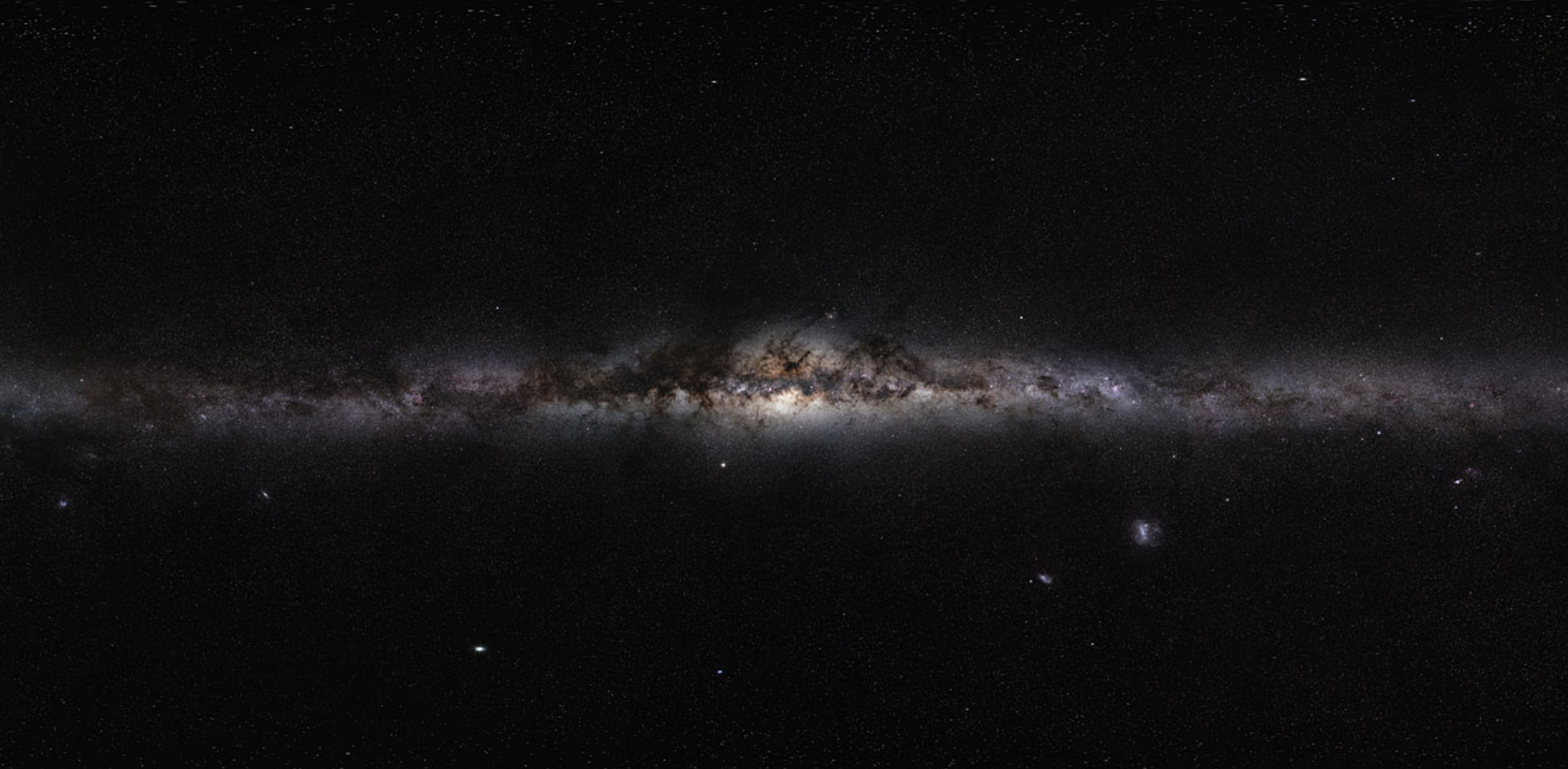
Is the Milky Way Really Slowing Down? A Closer Look at the Galaxy’s Rotation Curve
Klacka and Šturc argue that recent claims of a declining Milky Way rotation curve result from using incorrect equations suited for flat disks, not spherical systems. When the correct spherical models are applied, the rotation curve appears flat, consistent with other spiral galaxies, suggesting no unusual drop in velocity or dark matter content.