
How Big Star Surveys Are Rewriting the Story of Massive Stars
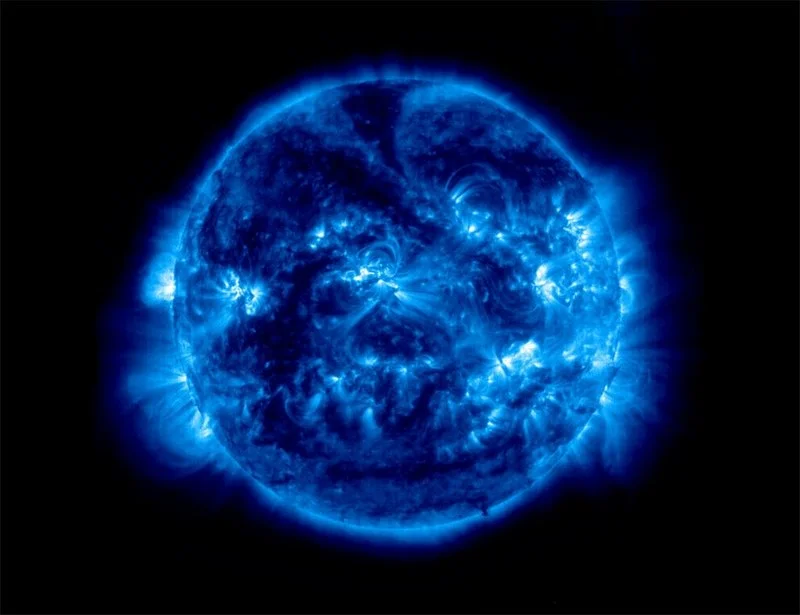
The paper explains how large spectroscopic surveys have transformed the study of massive stars by providing uniform data for thousands of objects gives astronomers a clearer but more complex picture of stellar evolution. These surveys show that rotation and stellar winds alone cannot explain observed properties, and that binary interaction plays a dominant role. As a result, massive star evolution is now understood as a multifaceted problem that requires large, coordinated observational efforts.
Mining the Oldest Stars with Gaia: Putting Metal-Poor Star Classifications to the Test
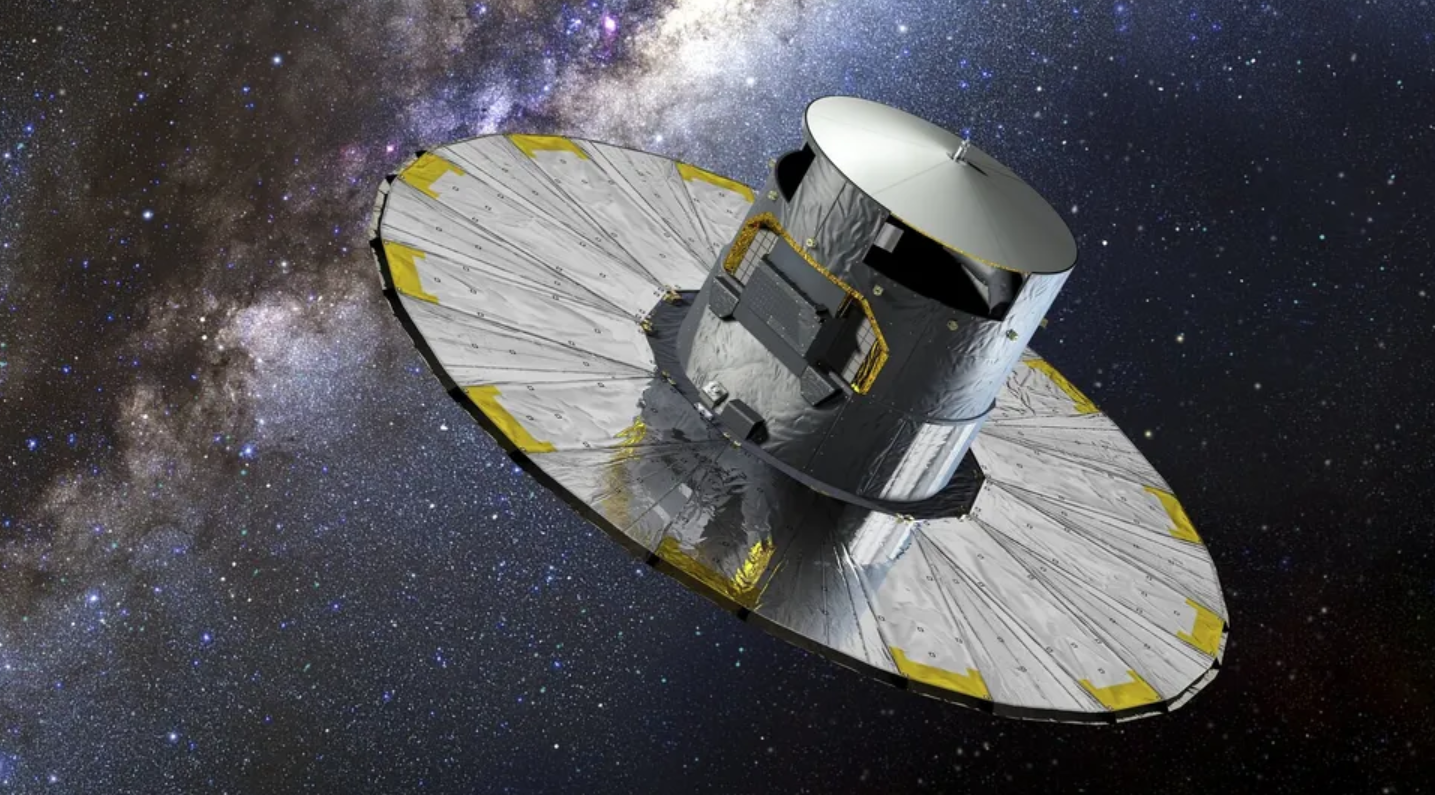
This article explains how Riley Thai and collaborators tested whether Gaia XP spectra can reliably identify extremely and very metal-poor stars. By following up 75 candidates with high-resolution spectroscopy, they confirmed new rare stars and showed that Gaia-based metallicity estimates remain accurate down to very low metal levels. The results highlight Gaia’s power for uncovering the Milky Way’s oldest stellar populations.
Spectroscopic Sleuthing: Unmasking Chemically Peculiar δ Scuti Stars
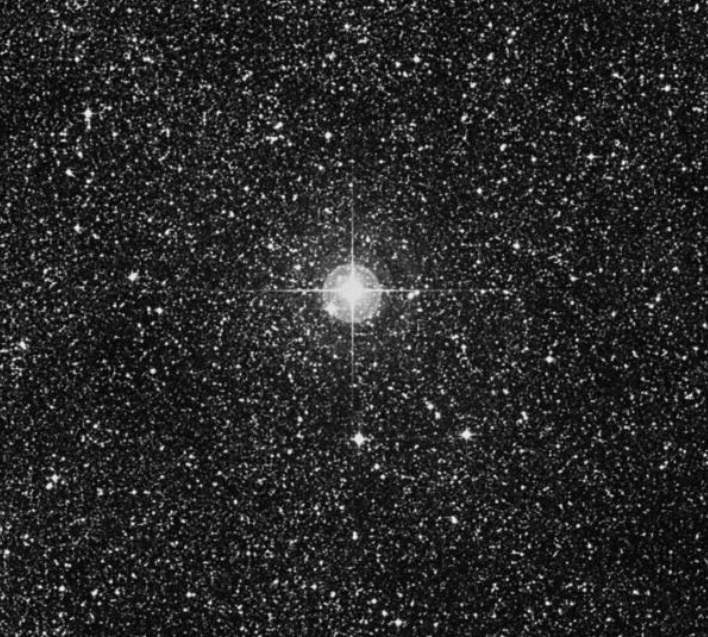
Kahraman Alıçavuş and colleagues analyzed ten δ Scuti stars previously labeled as chemically peculiar using high-resolution spectra and TESS data. Only three, AU Scl and FG Eri (Am stars) and HZ Vel (λ Bootis), were confirmed as peculiar, with the rest chemically normal. Their results highlight the need for detailed spectroscopic analysis and show that chemically peculiar A stars can still pulsate like δ Scuti stars, offering valuable tests for stellar evolution theories.

The Quiet Wanderer: Tracking Interstellar Comet 3I/ATLAS Before Its Solar Flyby
Comet 3I/ATLAS, the third known interstellar object, shows weak activity and reddening as it approaches the Sun. It spins every 16.16 hours and lacks a visible tail, likely due to geometry and low dust output. Despite its extrasolar origin, its properties resemble distant Solar System comets.

Stellar Fossils from the Outer Halo: Exploring the Most Metal-Poor Stars with the DECam MAGIC Survey
Astronomers used the DECam MAGIC survey to identify six extremely metal-poor stars in the Milky Way’s outer halo, confirming their properties with high-resolution spectroscopy. One star, J0433–5548, stands out as a carbon-enhanced ultra metal-poor star likely formed from a single Population III supernova. These discoveries help trace the chemical evolution of the early universe and validate photometric selection methods.
A First Glimpse of the Interstellar Comet 3I/ATLAS
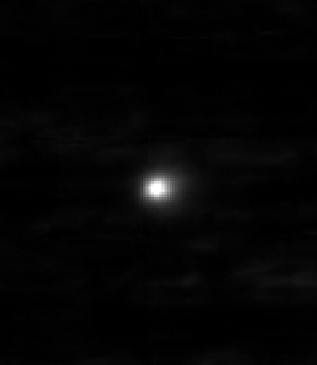
Cyrielle Opitom and collaborators present early VLT/MUSE observations of the interstellar comet 3I/ATLAS, revealing a red, dusty coma but no detectable gas at 4.47 au from the Sun. Its color is redder than typical comets, resembling distant Solar System bodies. Future observations will track its activity and test predictions about its composition.

Transient Treasures: Discovering Explosive Events in JWST’s Infrared Dark Field
Using JWST’s NIRCam, researchers found 21 transient events—brief cosmic explosions—in a dark, low-background sky region. Some matched known supernova types, while others were fainter “gap” events that could represent rare or unknown phenomena. Future frequent monitoring and spectroscopy may help uncover their true nature.

Mining for the Ancient: A New Catalog of Metal-Poor Stars from LAMOST DR10
This study presents a catalog of 8,440 very metal-poor stars identified using red spectra from LAMOST DR10. By measuring calcium triplet lines with two methods, the authors accurately estimated metallicities down to [Fe/H] = −4.0. The catalog offers high-quality targets for studying the early Milky Way and validates its results against multiple major surveys.

Hunting for Hidden Signs of Life: How Earth-like Biosignatures Challenge Astronomers
Amber Young and colleagues explored whether signs of life—specifically, chemical disequilibrium like Earth's O₂-CH₄ mix—can be detected on exoplanets. Using simulated observations and thermodynamics modeling, they found that such biosignatures are difficult to detect around Sun-like stars and only marginally easier around M dwarfs under extremely low-noise conditions. Their work outlines critical challenges and paths forward for future life-detection missions.
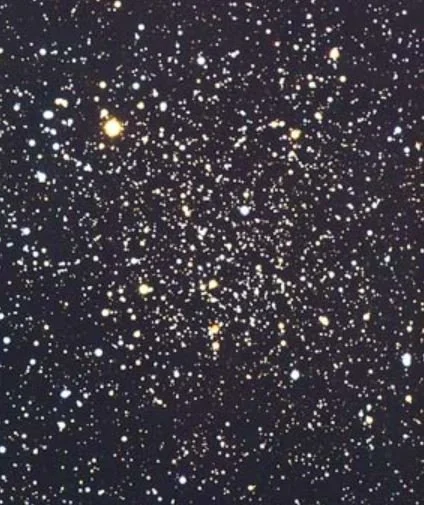
Peering Through the Dust: Exploring the Metal-Poor Open Cluster Trumpler 5 in Infrared
This study used infrared spectroscopy to analyze seven red giant stars in the dust-obscured open cluster Trumpler 5 (Tr5). The team developed a new method to estimate stellar gravity and measured abundances for over 20 elements. Their findings confirmed Tr5’s metal-poor nature, estimated its age at 2.5 billion years, and enhanced understanding of stellar evolution in dusty regions of the Milky Way.

Mapping the Metal of the Milky Way: How Gaia’s Spectra Help Us Understand Giant Stars
This study uses Gaia XP spectra and a neural network model (UA-CSNet) to estimate the metallicities of 20 million giant stars. The model is especially accurate for very metal-poor stars and provides reliable uncertainty estimates. Results align well with other datasets and reveal chemical patterns across the Milky Way.
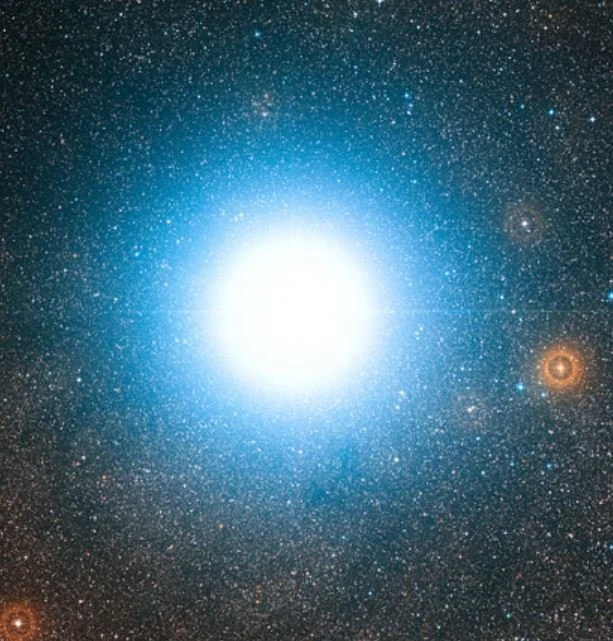
Building Better Cosmic Yardsticks: The Gaia FGK Benchmark Stars v3 Spectral Library and Abundance Catalog
Casamiquela et al. present the third version of the Gaia FGK Benchmark Stars, a high-quality catalog of 202 stars with precisely measured chemical abundances. They compiled and standardized spectra from multiple instruments and analyzed 13 elements using four modeling codes. The result is a consistent reference dataset for calibrating stellar surveys, especially valuable for studying the Milky Way’s structure and evolution.
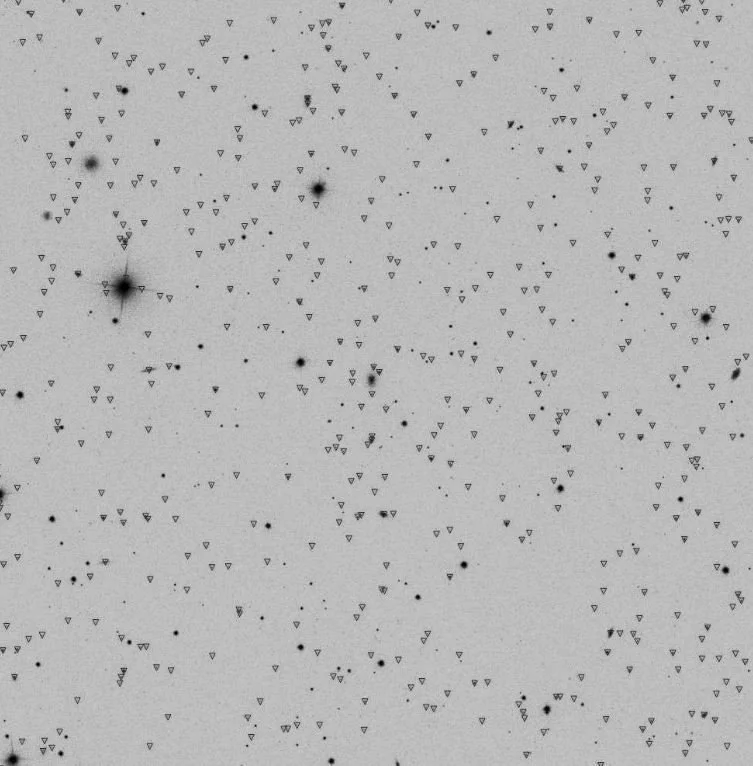
Probing the Tiny: A New Look at the Boötes II Dwarf Galaxy
This study uses new VLT/FLAMES spectroscopy to analyze the ultra-faint dwarf galaxy Boötes II. Nine new member stars were confirmed, including two extremely metal-poor ones. The team refined Boo II's motion and metallicity properties, confirming it’s a dark matter-dominated system with no strong signs of tidal disruption, helping to test galaxy formation models.

Seeing the Invisible: Why We Need High-Resolution Ultraviolet Spectroscopy to Understand the Universe
This paper argues that high-resolution ultraviolet spectroscopy is essential for studying cold, slow-moving gas in space. It enables detailed analysis of the interstellar medium, exoplanet atmospheres, circumstellar disks, and galactic halos. Current instruments like HST’s STIS are limited, and future telescopes must offer greater sensitivity and resolution to unlock key astrophysical insights.

Digging for Cosmic Gold: Unveiling the Secrets of a Rare r-Process Star in the Ultraviolet
Hansen et al. analyze the metal-poor star J0538, revealing detailed abundances of 43 elements, including rare r-process products like gold and cadmium. Using UV observations from Hubble, they find unexpected star-to-star variation, suggesting non-LTE effects. Their findings support ongoing efforts to trace the cosmic origins of heavy elements and hint at the star’s possible origin in a disrupted dwarf galaxy.

Painting the Chemistry of Star Clusters: Tracing the Origins of Stellar Populations through Light and Spectra
Dondoglio et al. combine photometry and spectroscopy to analyze chemical differences among stars in 38 globular clusters. They confirm widespread element variations between stellar populations and find strong links to cluster mass. Unexpected lithium patterns and chemically "anomalous" stars suggest complex formation histories. Their work offers new insights into how globular clusters evolved chemically over time.
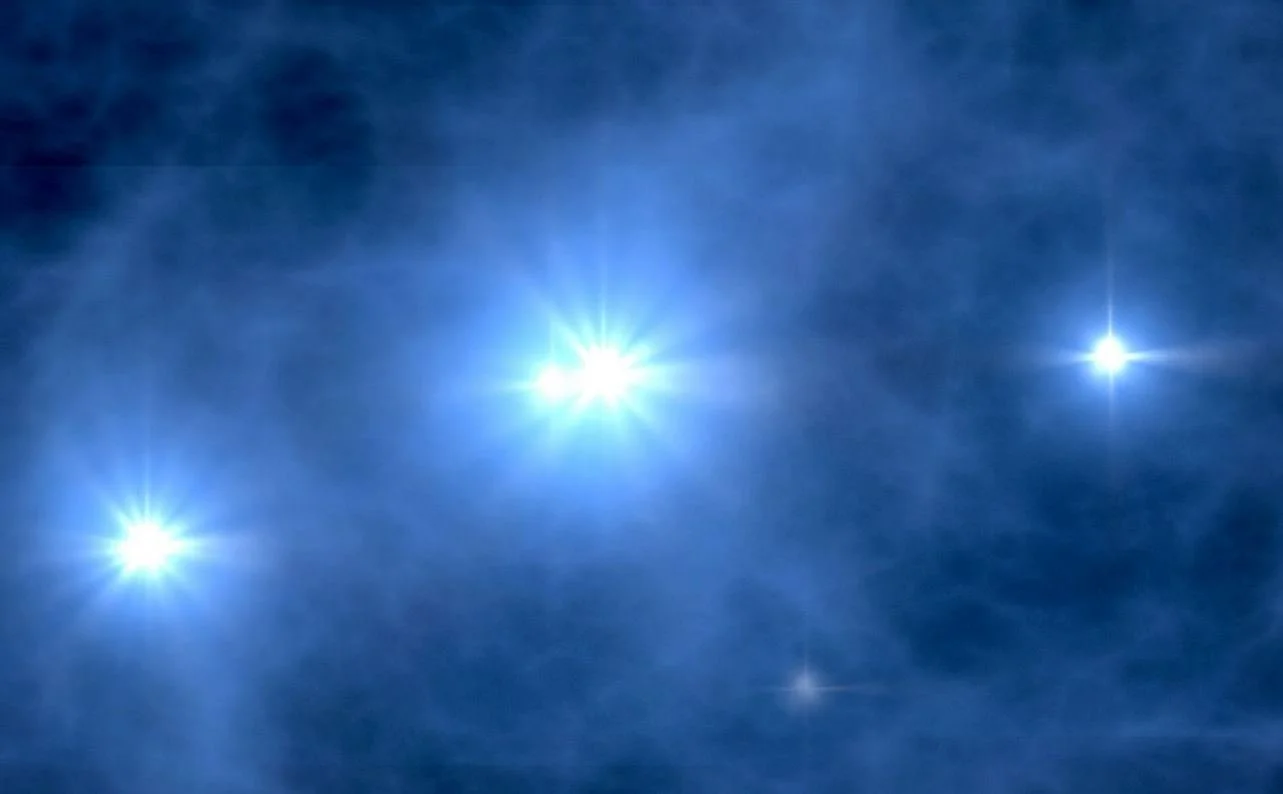
A New Look at the Earliest Stars: Understanding Population III Spectra
This study refines models of Population III (Pop III) stars, the first stars in the universe, using the GALSEVN framework. It confirms that strong helium emission can help identify Pop III stars but only within their first million years. The study also explores their role in cosmic reionization and predicts their impact on gravitational waves from binary black hole mergers. Future telescopes and detectors may soon provide evidence of these ancient stars.

Stellar Secrets: Mapping M Dwarfs with SAPP
The adapted Stellar Abundances and atmospheric Parameters Pipeline (SAPP) successfully analyzes M dwarf stars, focusing on temperature, surface gravity, and metallicity using near-infrared spectra. Validated with APOGEE data, it shows good accuracy and prepares for missions like ESA’s Plato. Future updates aim to enhance precision and include full chemical abundance analysis.
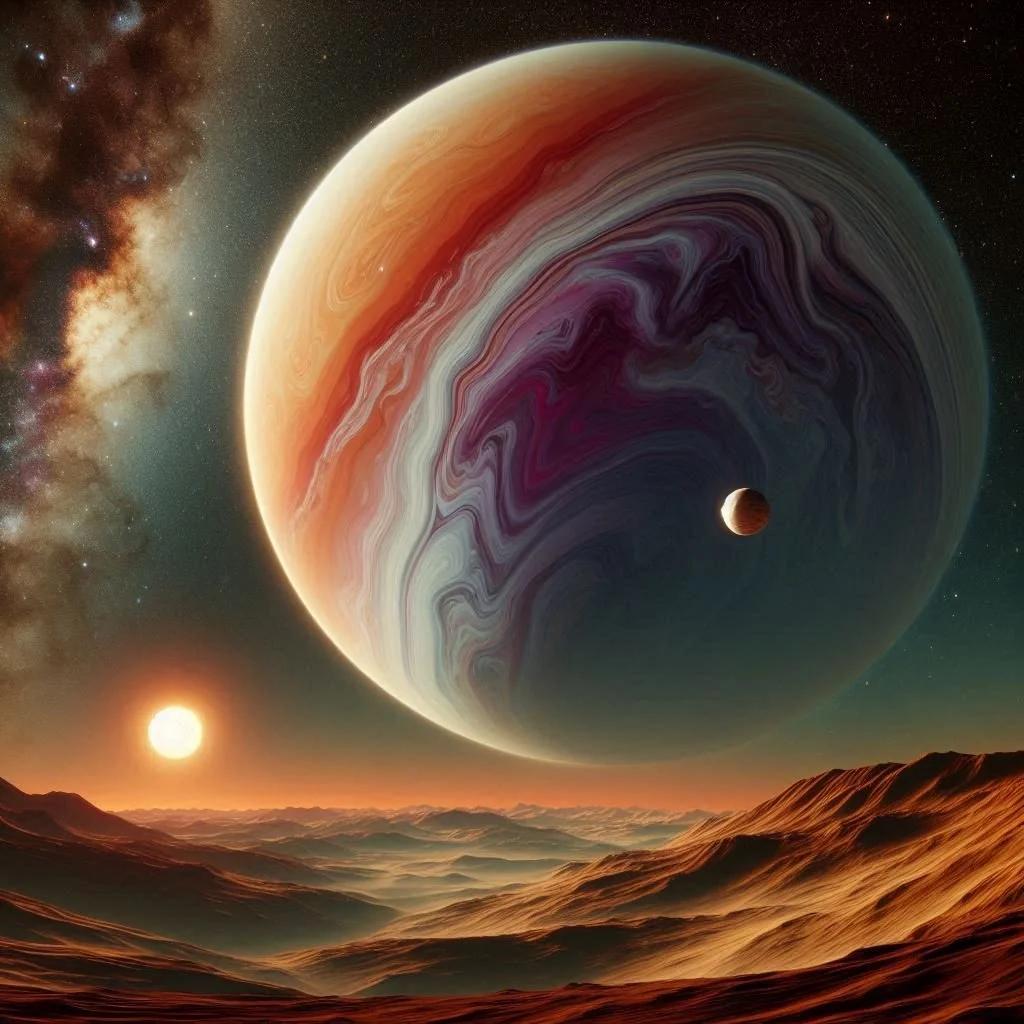
Exploring Exoplanet Atmospheres: Low-Resolution Spectroscopy of Three Hot Jupiters with the Himalayan Chandra Telescope
This study used the Himalayan Chandra Telescope to perform transmission spectroscopy on three hot Jupiters, HAT-P-1b, WASP-127b, and KELT-18b, marking the first time this telescope was used for such analysis. The team observed Rayleigh scattering in the atmospheres of HAT-P-1b and WASP-127b, suggesting hazy atmospheres, while KELT-18b showed a relatively featureless spectrum. By combining ground-based data from HCT with space-based infrared observations, the researchers improved their atmospheric models, demonstrating the potential of smaller telescopes in exoplanet studies.