
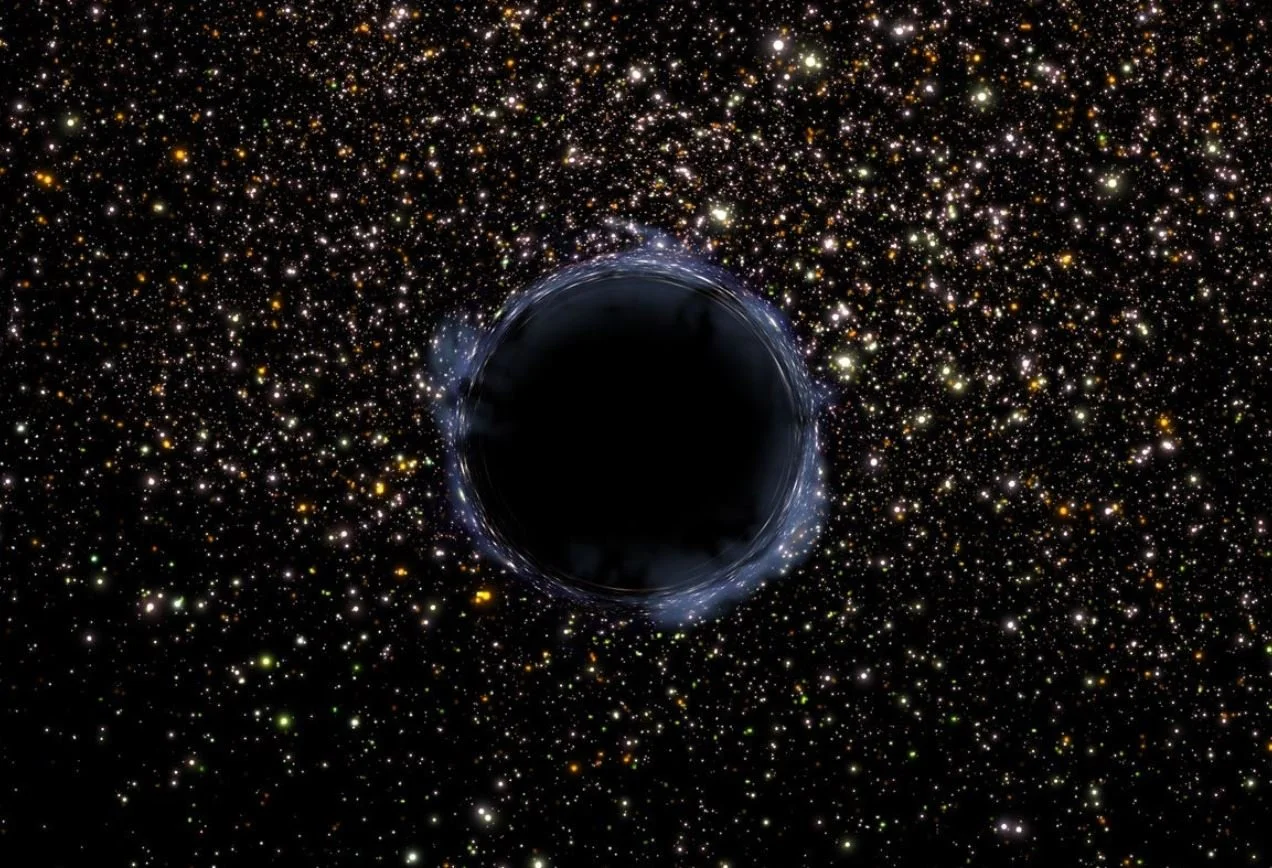
Gaia’s Faintest Stars: Chasing Primordial Black Holes in the Galactic Backyard
Jeremy Mould’s study used Gaia data to search for primordial black holes (PBHs) among the faintest nearby stars but found none. The dim objects are mostly brown dwarfs, with possible contributions from free-floating planets and compact ultracool dwarfs. Future detection of PBHs will likely rely on microlensing with more powerful telescopes like Rubin.
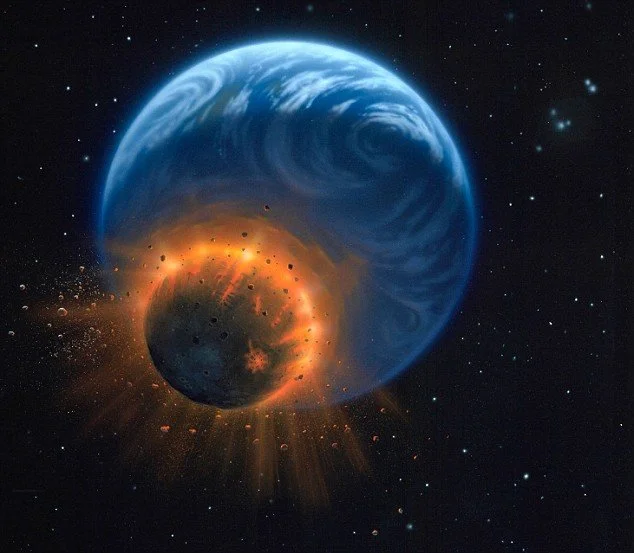
When Giants Collide: How Planetary Impacts Can Make Planets Ring Like Bells
Zanazzi et al. show that giant impacts on young gas giants can trigger seismic oscillations lasting millions of years. These vibrations, especially from low-order pressure modes, may cause detectable brightness changes. The study suggests JWST could observe such signals in planets like Beta Pictoris b, offering a new way to study planetary interiors and past collisions.
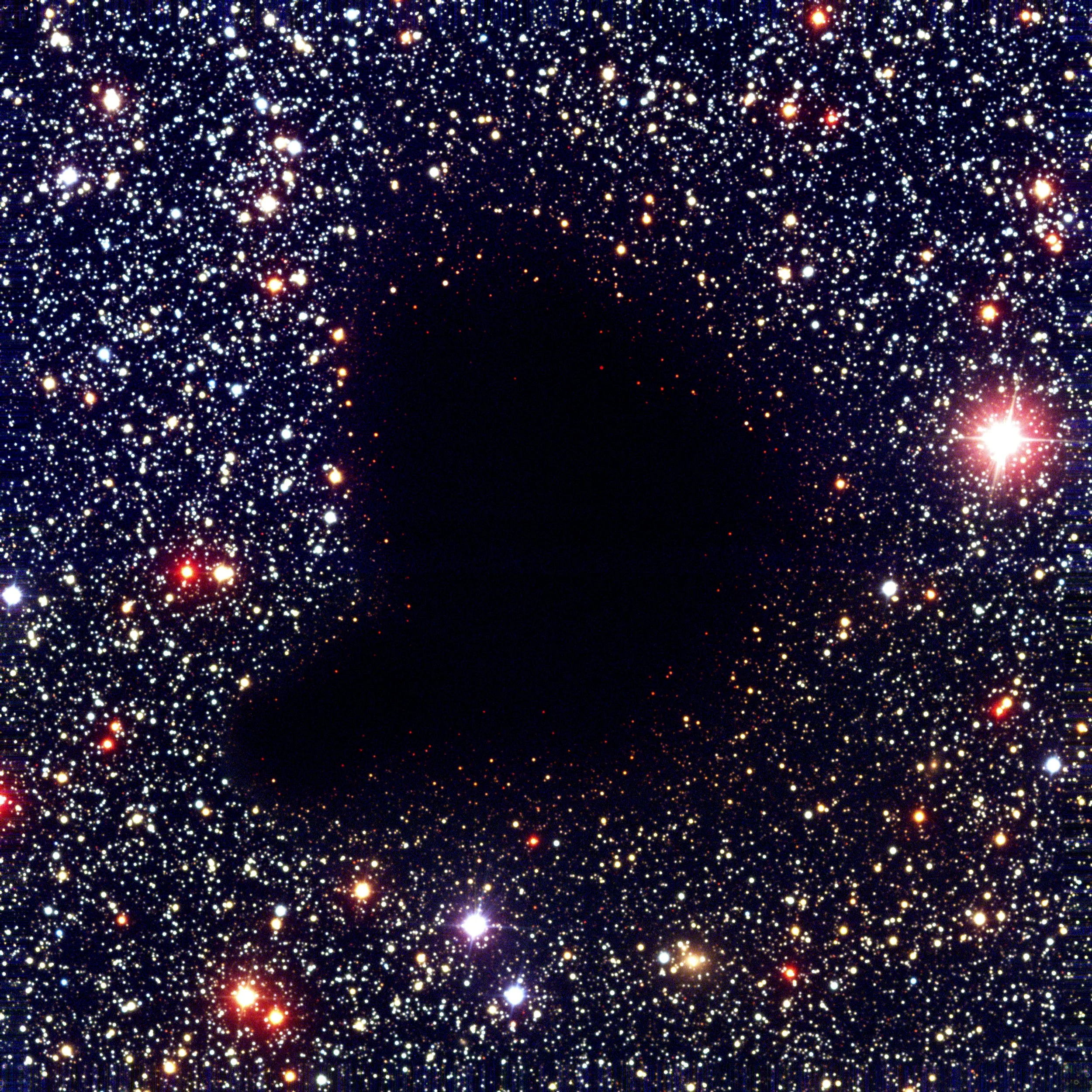
When Cores Collide: New Clues from Barnard 68
Astronomers observed the dark cloud Barnard 68 and found strong evidence that a smaller gas core, or “bullet,” is colliding with it. Using sulfur monoxide (SO) emissions, they detected shock-induced chemical changes and motion matching earlier predictions. This core-core collision may be triggering the cloud’s collapse and eventual star formation.

Building Planets Close to Home — Can Pebble Accretion Form Hot Worlds?
This study explores whether close-in exoplanets can form via pebble accretion. It finds that low disc turbulence and moderate pebble fragmentation speeds are key for successful growth. While higher metallicity helps, it's less influential than stellar mass or disc conditions. Timing of planetesimal formation is also critical.
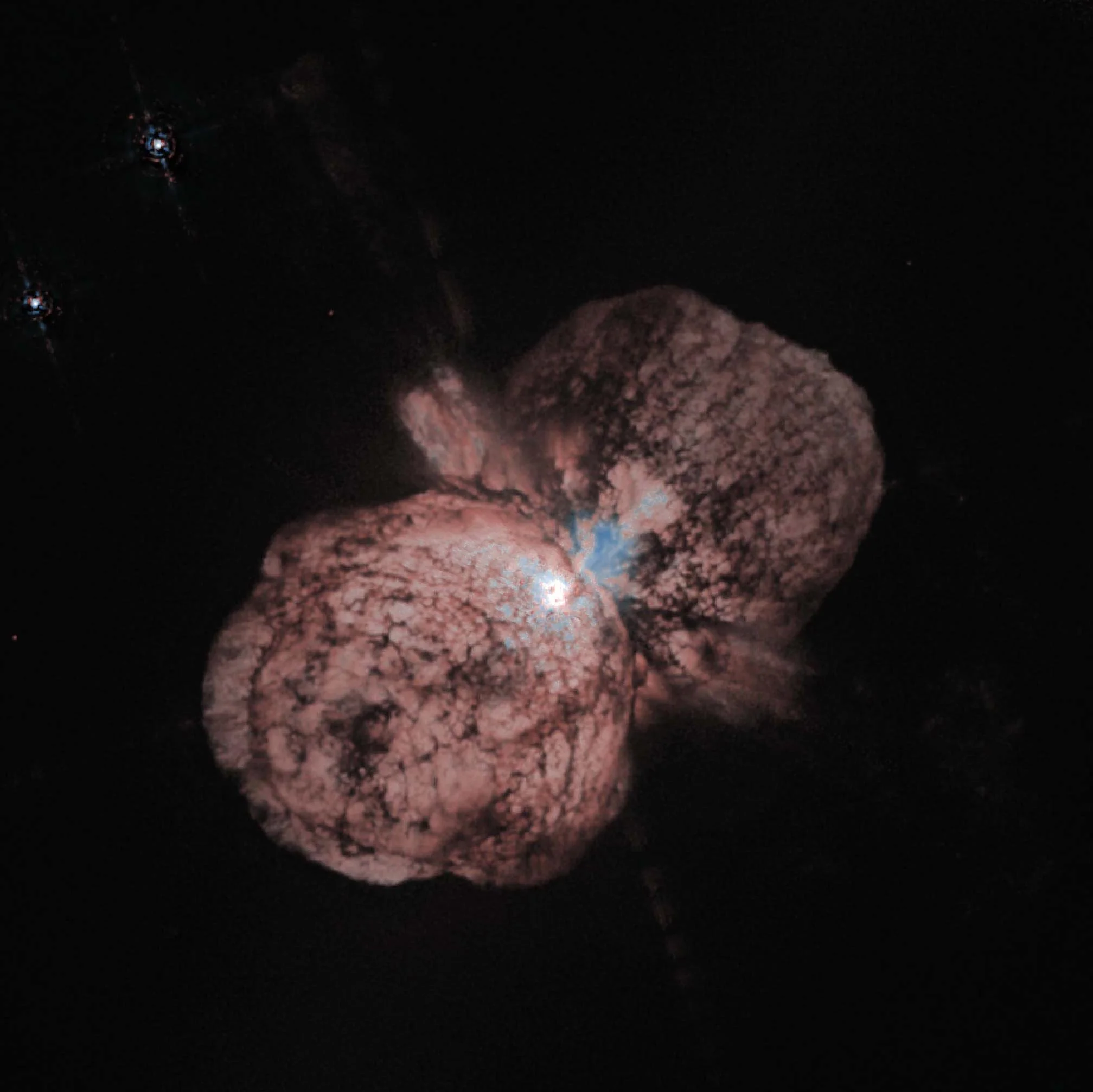
Tricky Triplets: How Simulations Reveal New Paths for Massive Triple Stars
Sciarini et al. show that detailed stellar models like mesa predict very different outcomes for massive triple star systems compared to faster, simplified models like seba. These differences, especially in stellar size and mass loss, can dramatically alter whether stars interact, merge, or destabilize—affecting predictions for events like gravitational wave sources.
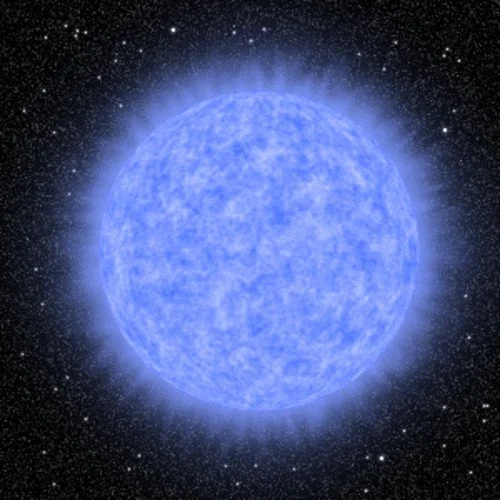
How Giant Stars at Low Metallicity Shape the Chemistry of the Early Universe
Higgins et al. explore how very massive stars at low metallicity contribute to the unusual chemical patterns seen in globular clusters. Using stellar evolution models, they show that stellar winds from these stars can eject sodium-rich, oxygen-poor material. This supports the idea that VMS winds, not just supernovae, played a key role in early Universe chemical enrichment.
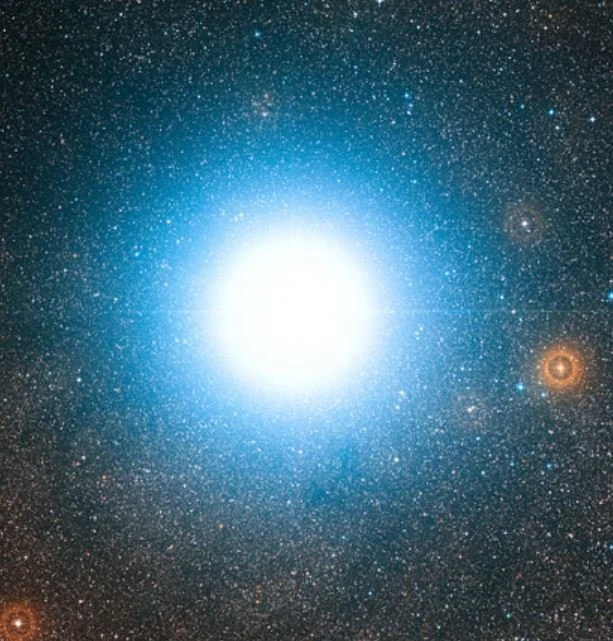
Building Better Cosmic Yardsticks: The Gaia FGK Benchmark Stars v3 Spectral Library and Abundance Catalog
Casamiquela et al. present the third version of the Gaia FGK Benchmark Stars, a high-quality catalog of 202 stars with precisely measured chemical abundances. They compiled and standardized spectra from multiple instruments and analyzed 13 elements using four modeling codes. The result is a consistent reference dataset for calibrating stellar surveys, especially valuable for studying the Milky Way’s structure and evolution.
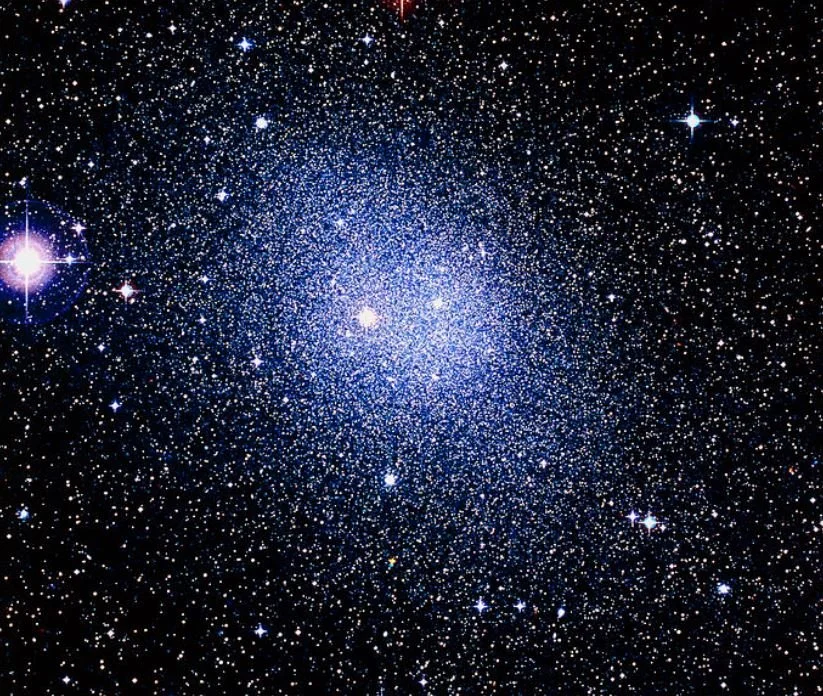
Broken Expectations: How Modeling Assumptions Impact Our View of Dark Matter in Dwarf Galaxies
This study shows that common methods used to model dark matter in dwarf galaxies, like the Jeans equation, can underestimate central densities and J-factors due to simplifying assumptions. Using realistic simulations, the authors find that tidal forces and orbital dynamics can bias results, suggesting that more accurate modeling is needed for interpreting dark matter signals.
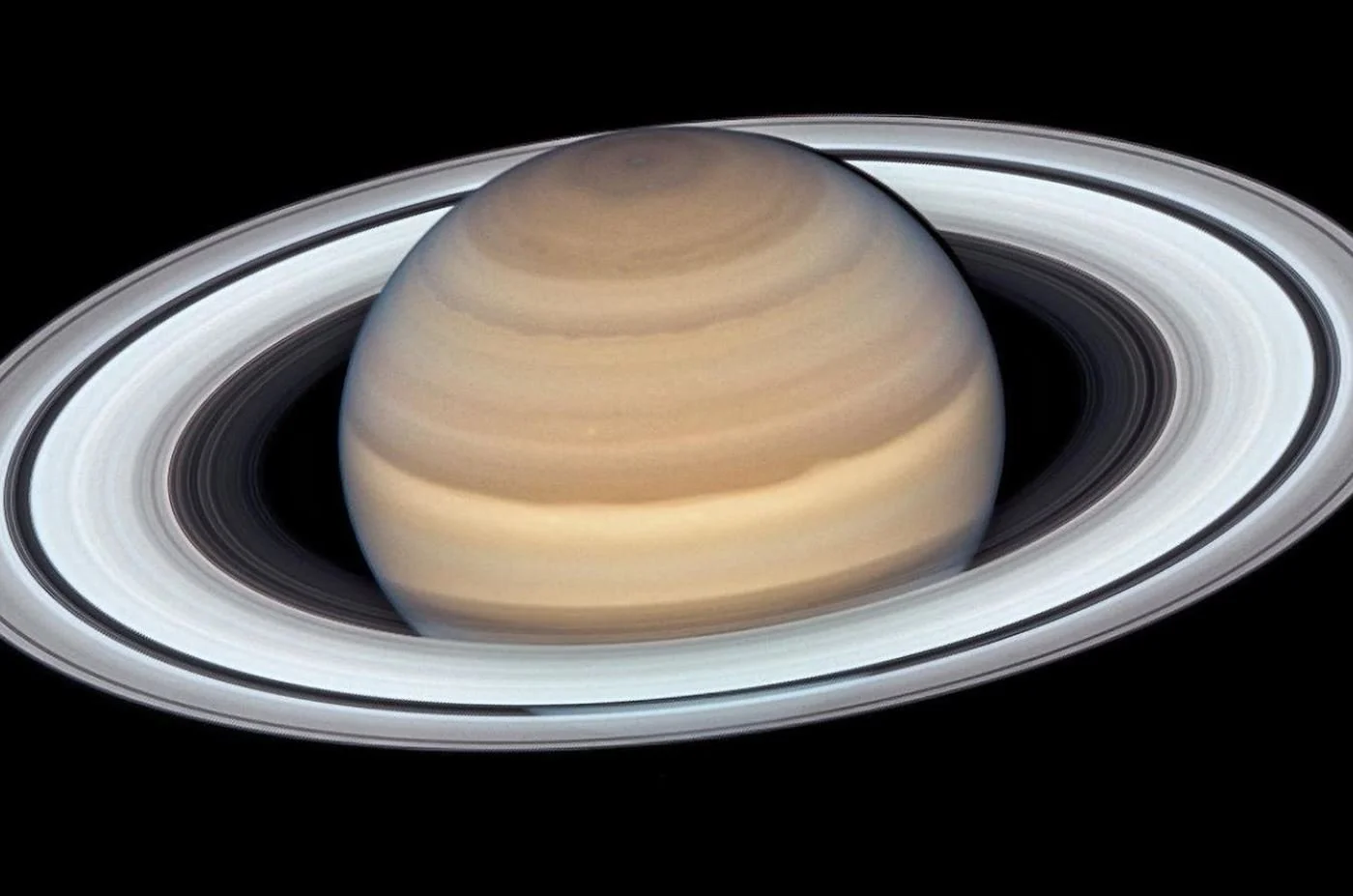
Building Saturn: Simulating Its Formation, Layers, and Helium Rain
The paper models Saturn’s formation from a small rocky core to its present state, including how heavy elements dissolve into its atmosphere and how helium rain shapes its internal structure. Their simulations match Saturn’s observed size, heat, and composition, supporting the idea of a diluted core and confirming Cassini's gravity data. The study also tests alternative formation scenarios, finding consistent results.

Searching for Patterns in the Distant Universe: A Kolmogorov Analysis of JWST Deep Survey Galaxies
N. Galikyan and collaborators used JWST galaxy spectra to study changes in galaxy properties over cosmic time using the Kolmogorov stochasticity parameter. They found a significant shift around redshift z≈2.7, suggesting a change in galaxy evolution or the intergalactic medium. Their results highlight new ways to trace the universe’s history.

Hunting Planet Nine: A Far-Infrared Search with IRAS and AKARI
Terry Long Phan and collaborators searched for Planet Nine using infrared data from the IRAS and AKARI missions. They identified one strong candidate that appears to move across the sky over 23 years. However, more observations, such as with the DECam, are needed to confirm if it is truly Planet Nine.
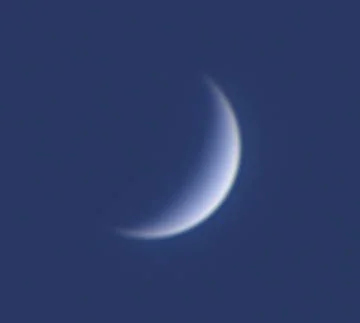
Catching a Glimpse of Venus: Observing Planets with a Giant Camera Obscura
Krzysztof Wójcik demonstrates that Venus’s crescent and other bright planets can be observed using a large camera obscura. By optimizing resolution, boosting image brightness with directional screens, and tracking planetary motion, clear visual and photographic results were achieved. The study suggests ancient observers might have seen Venus’s phases this way, offering new insights for astronomy and history.
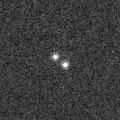
A Binary Within a Binary: Unraveling the Secrets of the Logos-Zoe System in the Outer Solar System
The Logos-Zoe system, a binary in the Kuiper Belt, is likely a rare triple system with Logos itself being a contact binary. Observations and modeling reveal a 17.43-hour rotation period for Logos and hint at a slow-rotating or complex-shaped Zoe. An upcoming mutual event season from 2026–2029 offers a unique chance to study their physical properties and system dynamics.
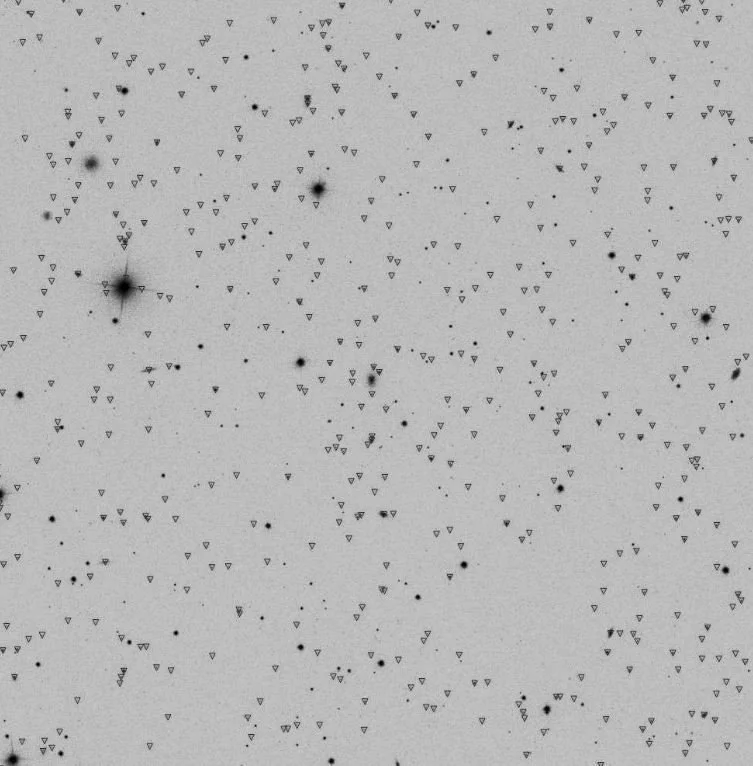
Probing the Tiny: A New Look at the Boötes II Dwarf Galaxy
This study uses new VLT/FLAMES spectroscopy to analyze the ultra-faint dwarf galaxy Boötes II. Nine new member stars were confirmed, including two extremely metal-poor ones. The team refined Boo II's motion and metallicity properties, confirming it’s a dark matter-dominated system with no strong signs of tidal disruption, helping to test galaxy formation models.
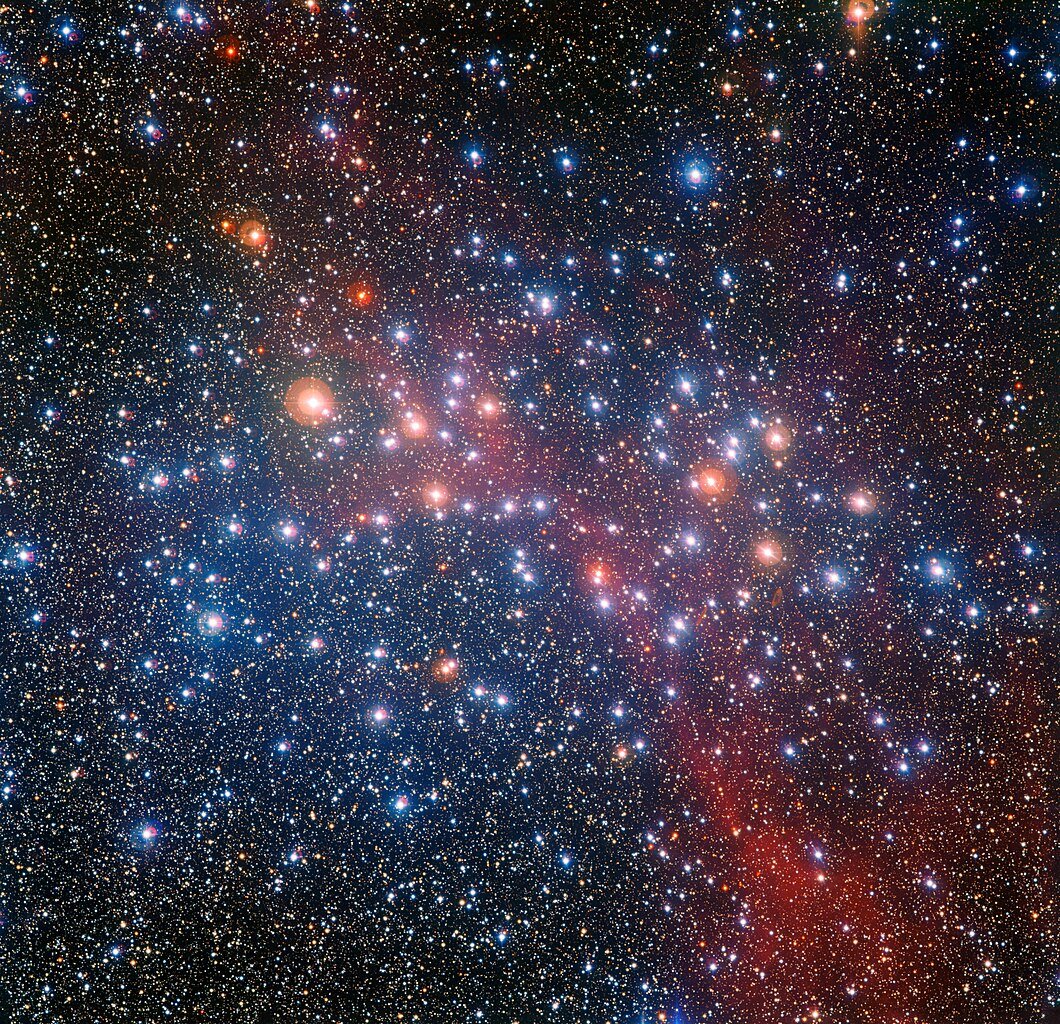
What Gaia Might Be Missing: Searching for Hidden Stars in the NGC 3532 Star Cluster
This study reveals that nearly half of the stars in the open cluster NGC 3532 may be missed in traditional Gaia-based analyses due to poor astrometric data. Using color-magnitude diagrams and statistical methods, the authors identify around 2,150 additional likely members, many of which may be unresolved binaries. Their work highlights the importance of accounting for stars with unreliable Gaia measurements.

Sniffing Out Sulfur: JWST Detects Chemical Clues in the Atmosphere of TOI-270 d
L. Felix and colleagues used JWST data to study the atmosphere of TOI-270 d, a sub-Neptune exoplanet. They found strong signs of methane, carbon dioxide, and possibly sulfur-based molecules like CS₂. Their high-resolution analysis suggests a clear, metal-rich atmosphere, but further observations are needed to confirm its chemical makeup.
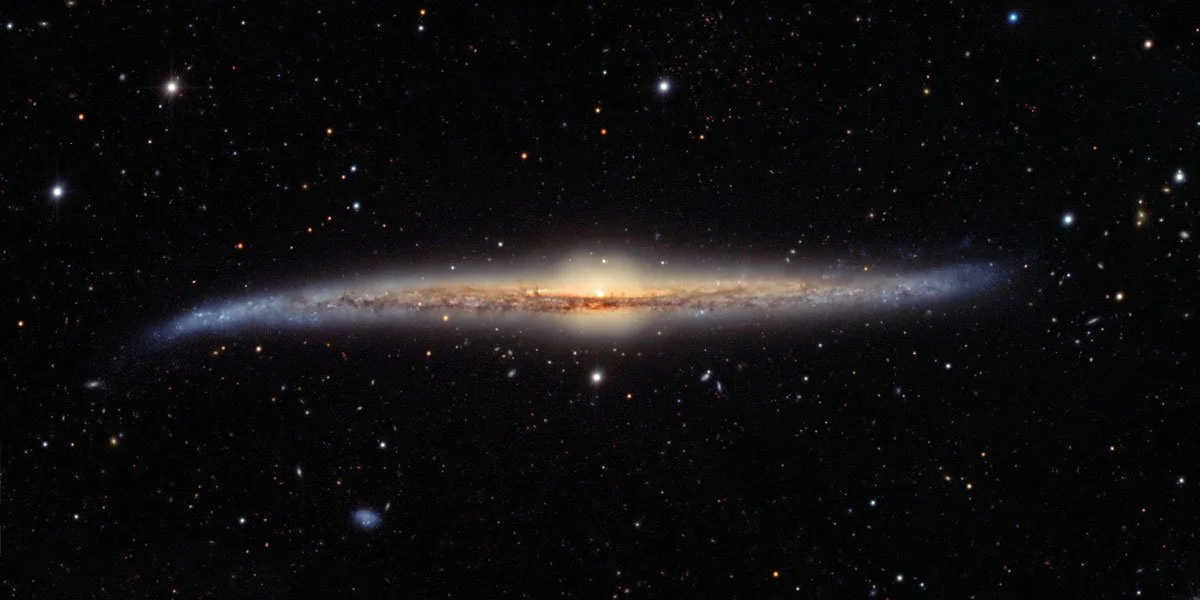
Galactic Warps Through Time: Bending Disks from the Early Universe to Today
This study analyzes nearly 1,000 edge-on galaxies to track how common and strong vertical disk warps were over time. The researchers find that S-shaped warps were far more frequent and pronounced around 10 billion years ago, likely due to increased galaxy interactions and gas content. These results suggest warps are key indicators of a galaxy’s dynamic past.
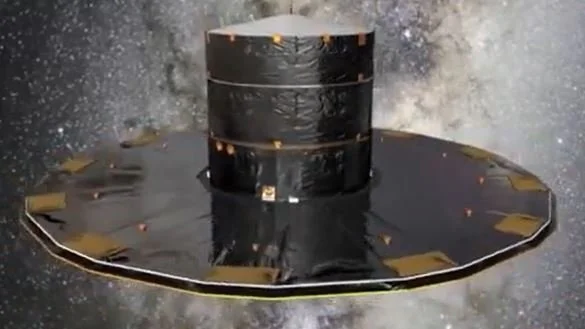
Reading Between the Stars: How to Trust Gaia’s Parallaxes for Unstable Sources
This paper presents a method to correct Gaia's parallax uncertainties for stars with poor astrometric fits, typically caused by binaries. By simulating Gaia observations, El-Badry shows that uncertainty can be reliably adjusted using a formula based on RUWE, brightness, and parallax. This correction allows astronomers to use data from complex systems that would otherwise be discarded.
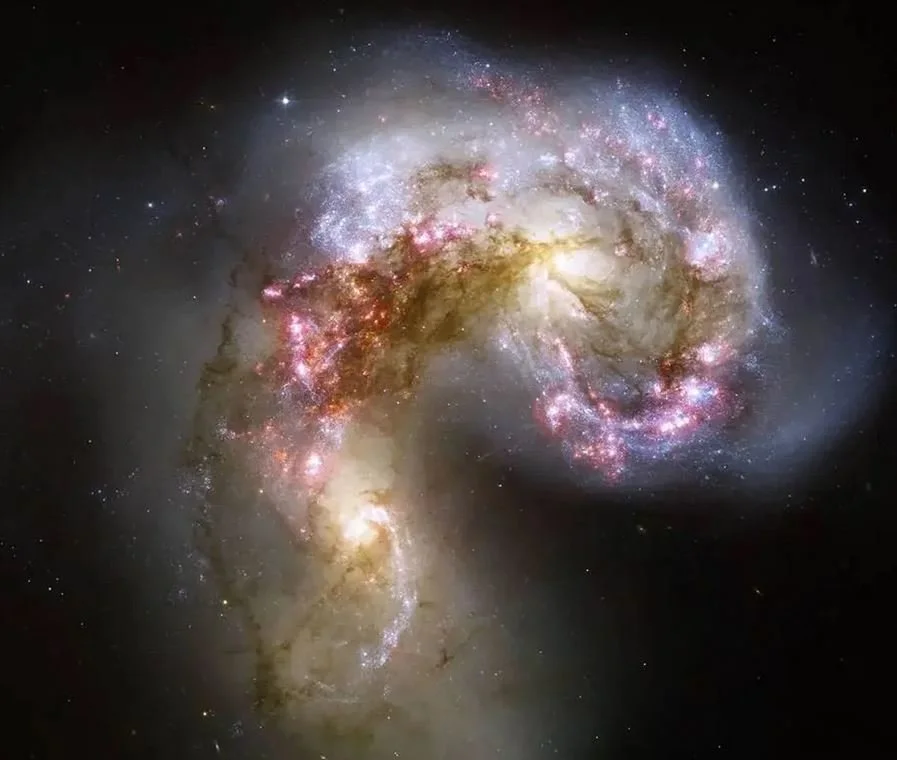
Stars on the Run: Following the Fate of Stripped-Tail Star Formation in Galaxies
This study uses simulations to explore how stars form in gas tails stripped from galaxies by ram pressure. Most stars form near the galaxy and fall back, contributing to a thickened disc rather than escaping into the cluster. While metallicity and velocity trends generally follow outside-in stripping, fallback and mixing complicate the picture. These stars likely don't contribute significantly to intracluster light.

Unwinding the Light: A Deep Dive into the Shape and Brightness of Spiral Arms in Galaxies
This study analyzes the structure of spiral arms in 19 nearby galaxies, using infrared images to measure their shape, brightness, and width. The authors find that traditional models don’t fully capture the complexity of real spiral arms and propose a new, more flexible model. Their work improves how spiral arms are represented, helping us better understand galaxy structure and evolution.