
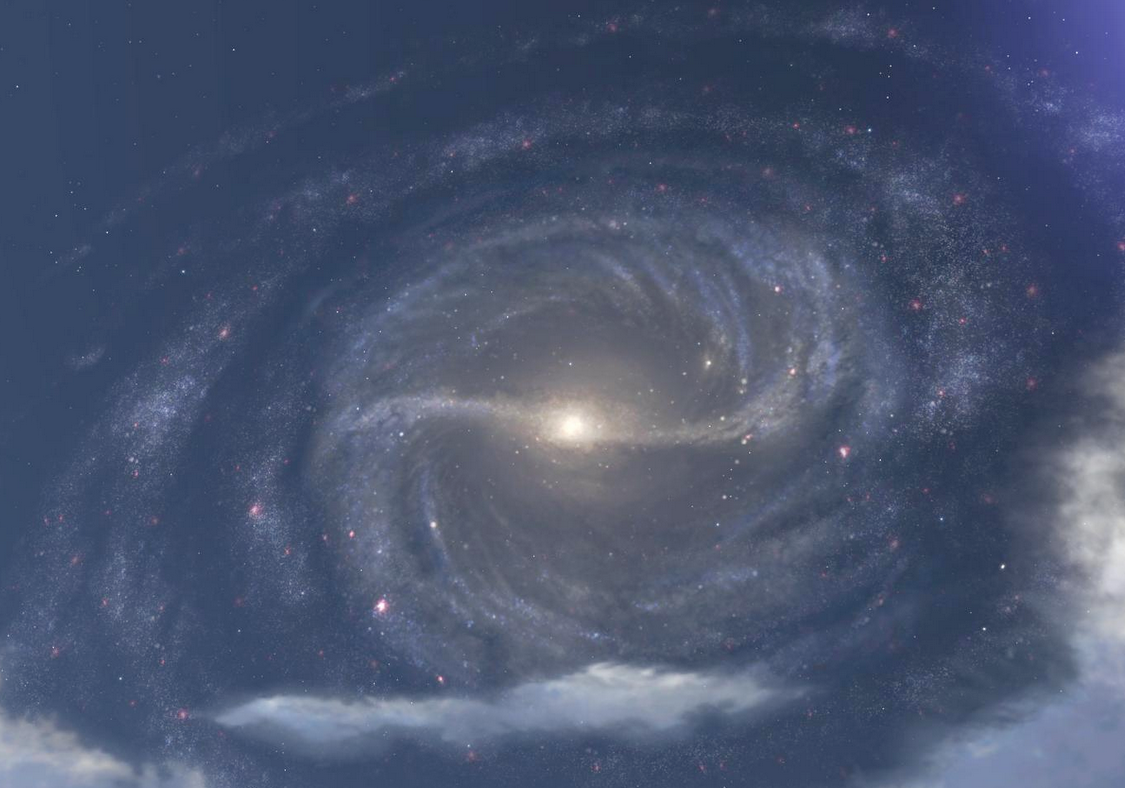
How Did the Milky Way’s Halo Form? Designing the HALO7D-X Survey
The paper presents the HALO7D-X survey, designed to study the Milky Way’s stellar halo by combining Hubble, Gaia, and Keck data. Using simulations, the authors show the survey can distinguish whether the halo formed through many small early mergers or a few large later ones. HALO7D-X will reveal how the Galaxy’s halo assembled over time.
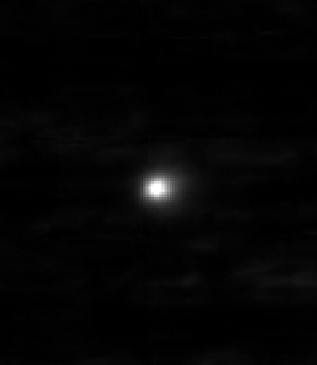
A First Glimpse of the Interstellar Comet 3I/ATLAS
Cyrielle Opitom and collaborators present early VLT/MUSE observations of the interstellar comet 3I/ATLAS, revealing a red, dusty coma but no detectable gas at 4.47 au from the Sun. Its color is redder than typical comets, resembling distant Solar System bodies. Future observations will track its activity and test predictions about its composition.
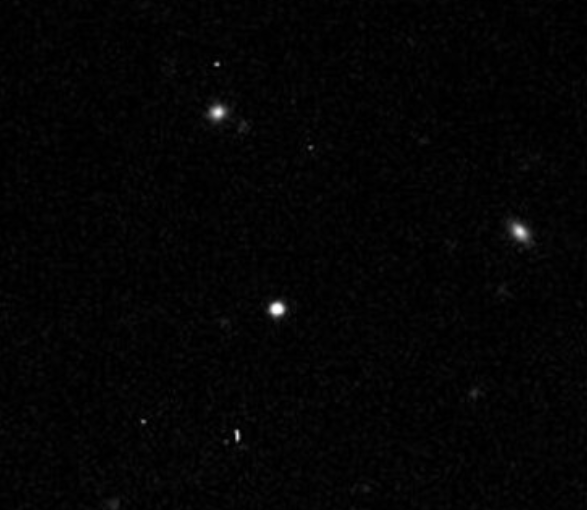
A New Dance Partner for Uranus: Discovering a Minor Planet in Outer Resonance
Daniel Bamberger and colleagues discovered that minor planet 2015 OU194 is in a rare, stable 3:4 outer mean motion resonance with Uranus, the first known example. Using extended observations and simulations, they showed its orbit remains resonant for over a million years. Two other candidates were examined, but none matched 2015 OU194’s stability and near-circular orbit.
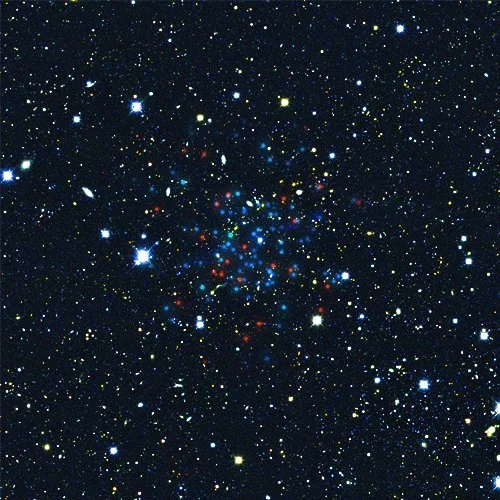
How Do Ultra-Faint Dwarf Galaxies Get Their Metals?
Wheeler et al. investigate what determines the metallicity of ultra-faint dwarf galaxies. They find that the metallicity of the intergalactic gas these galaxies accrete is too low to explain observations. Instead, the metallicity is set mainly by internal processes: how much metal the galaxy produces and how much it loses through outflows. Their models match observed metallicities when outflow strength varies appropriately.

Unearthing the Dark Side: What Three Tiny Galaxies Reveal About Dark Matter
Hao Yang and colleagues studied the dark matter in three Milky Way dwarf galaxies using DESI data. They compared single- and two-population models, finding diverse inner dark matter profiles: Draco showed a cusp-like center, while Sextans and Ursa Minor leaned toward cores. Their results align with previous findings but also highlight uncertainties from data and modeling choices.
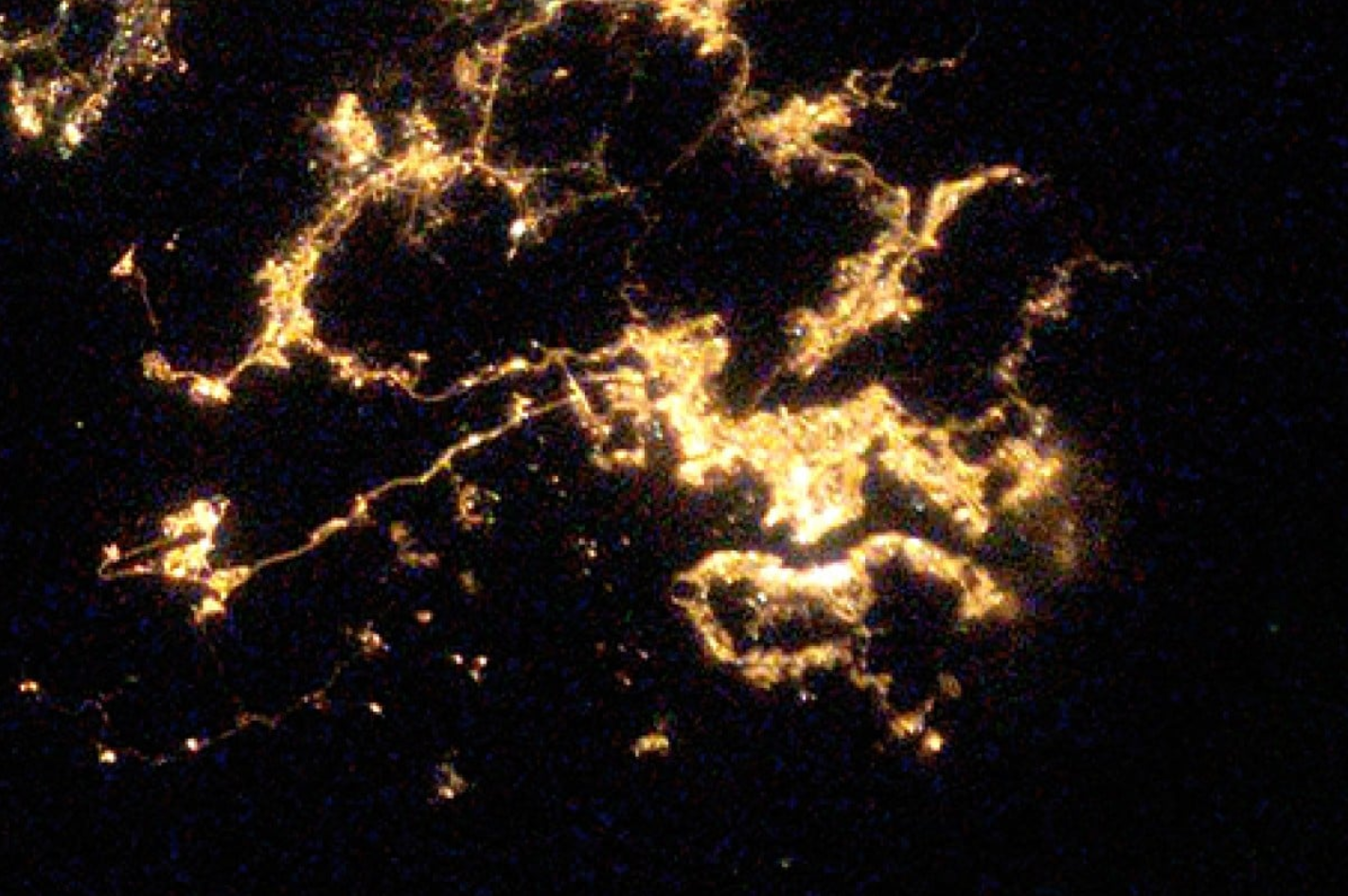
Turning Off the Lights: What Earth Hour Teaches Us About Light Pollution in Cities
Chu Wing So and colleagues used Hong Kong’s Earth Hour as a natural experiment to study light pollution. They found that turning off about 120 decorative and advertising lights reduced sky brightness by up to 50%. Most urban light pollution came from a few highly visible buildings and billboards, suggesting targeted lighting policies could significantly improve urban night skies.
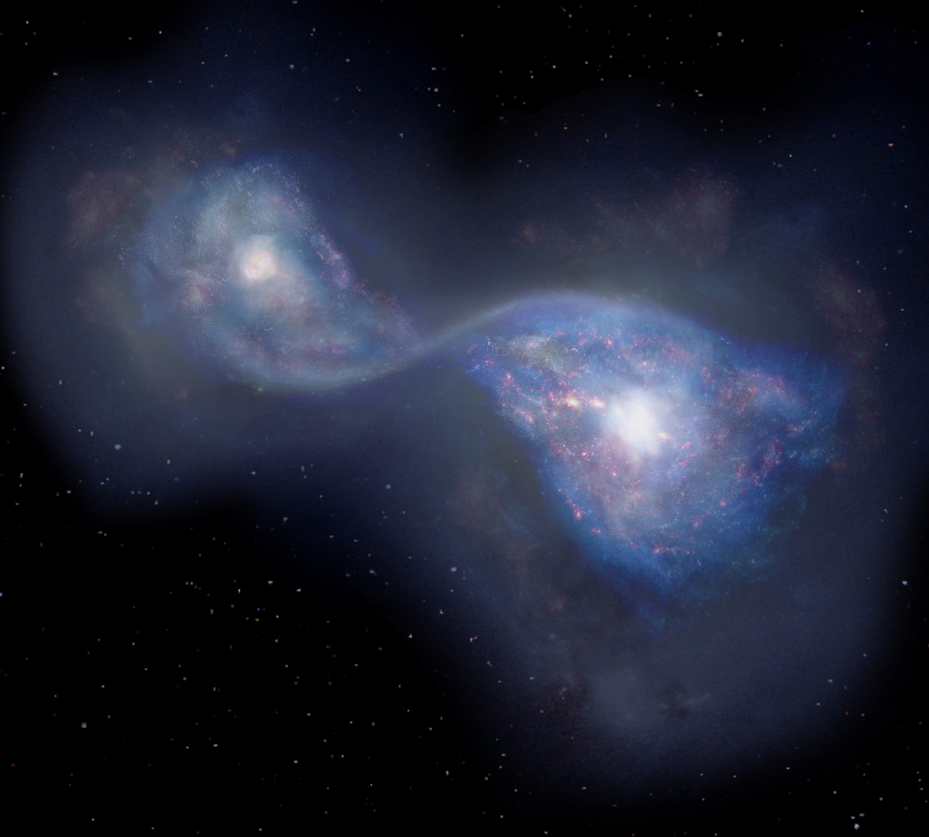
How Galactic Collisions Sculpt the Cosmos: The Impact of Merger Orbits on Galaxy Structure
Wu et al. study how the paths of galaxy mergers affect the resulting structure using simulations. They find that spiral-in orbits tend to preserve disks, while head-on collisions destroy them and build bulges and halos. The hot inner stellar halo grows in nearly all mergers, making it a strong indicator of merger history.
A New Visitor From Beyond: Discovery and First Look at 3I/ATLAS
Darryl Seligman and colleagues report the discovery of 3I/ATLAS, the third known interstellar object. Unlike ‘Oumuamua or Borisov, it shows weak activity, a flat light curve, and a moderately red color. Estimated to be ~10 km wide, it’s larger than Borisov and offers a new glimpse into interstellar diversity. The authors call for more observations to understand its nature before and after perihelion.
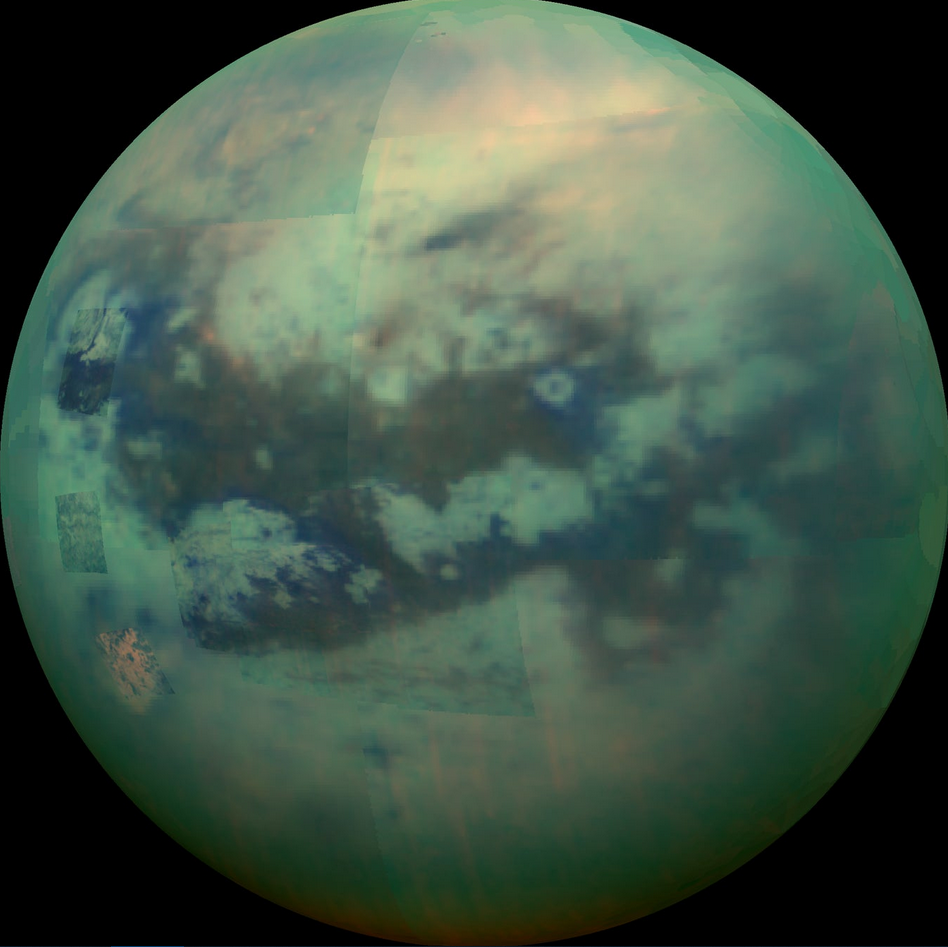
How Titan’s Soil Controls Its Skies: Thermal Inertia and the Boundary Layer on Saturn’s Largest Moon
This study explores how Titan’s surface thermal inertia influences its near-surface atmosphere. Using simulations, Han and Lora show that daily temperature swings depend strongly on surface properties, while seasonal changes are mostly shaped by the atmosphere. Their results explain past Huygens probe data and predict stable conditions for the upcoming Dragonfly mission.

Tracking Solar Supergranulation: How the Sun’s Surface Patterns Evolve Over Its Magnetic Cycle
This study tracks how the Sun’s supergranulation, a surface flow pattern, varies over its magnetic cycle and impacts exoplanet detection. Using HARPS-N data and two correction methods, the authors found that supergranulation timescales are longest during solar minimum. They also show that observing strategies must account for this variability to improve planet-hunting precision, both for the Sun and other stars.
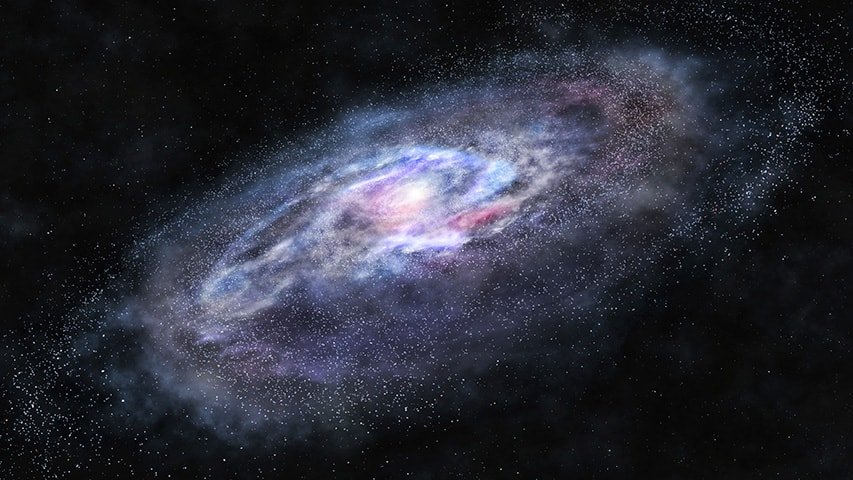
Inside-Out Chemistry: Unveiling the Metal Distribution in Simulated Milky Way-Mass Galaxies
Iza et al. use simulations from the Auriga Project to study how metals are distributed in galaxies like the Milky Way. They find that older, metal-poor stars dominate the halo, while younger, iron-rich stars are found in the disc. The bulge shows intermediate properties, supporting an inside-out galaxy formation scenario.
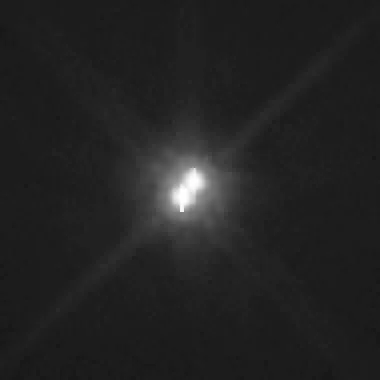
A New Kind of Trojan: JWST Reveals Unusual Asteroids Near Jupiter
Using JWST, Brown and colleagues studied four small, unusually bright Jupiter Trojans and found they share unique spectral features unlike any known Trojan class. These objects resemble the Trojan Polymele, suggesting the existence of a third, previously unrecognized surface type. The upcoming Lucy spacecraft flyby of Polymele may help reveal their origins.
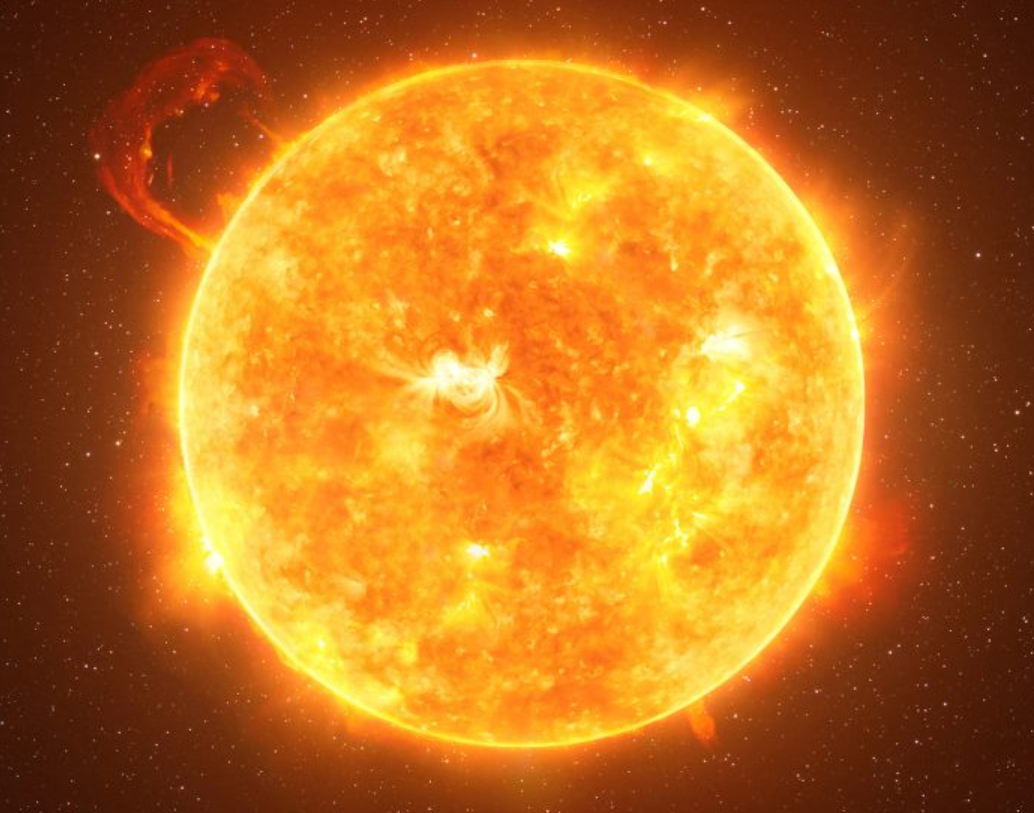
Chemical Fingerprints of Planets: What Solar Twins Tell Us About the Sun and the Galaxy
Martos et al. used a neural network to measure precise chemical abundances in stars similar to the Sun. They found the Sun is unusually depleted in refractory elements, likely due to planet formation. Their results also suggest the presence of distinct stellar subpopulations in the Milky Way, offering new insights into stellar and planetary evolution.
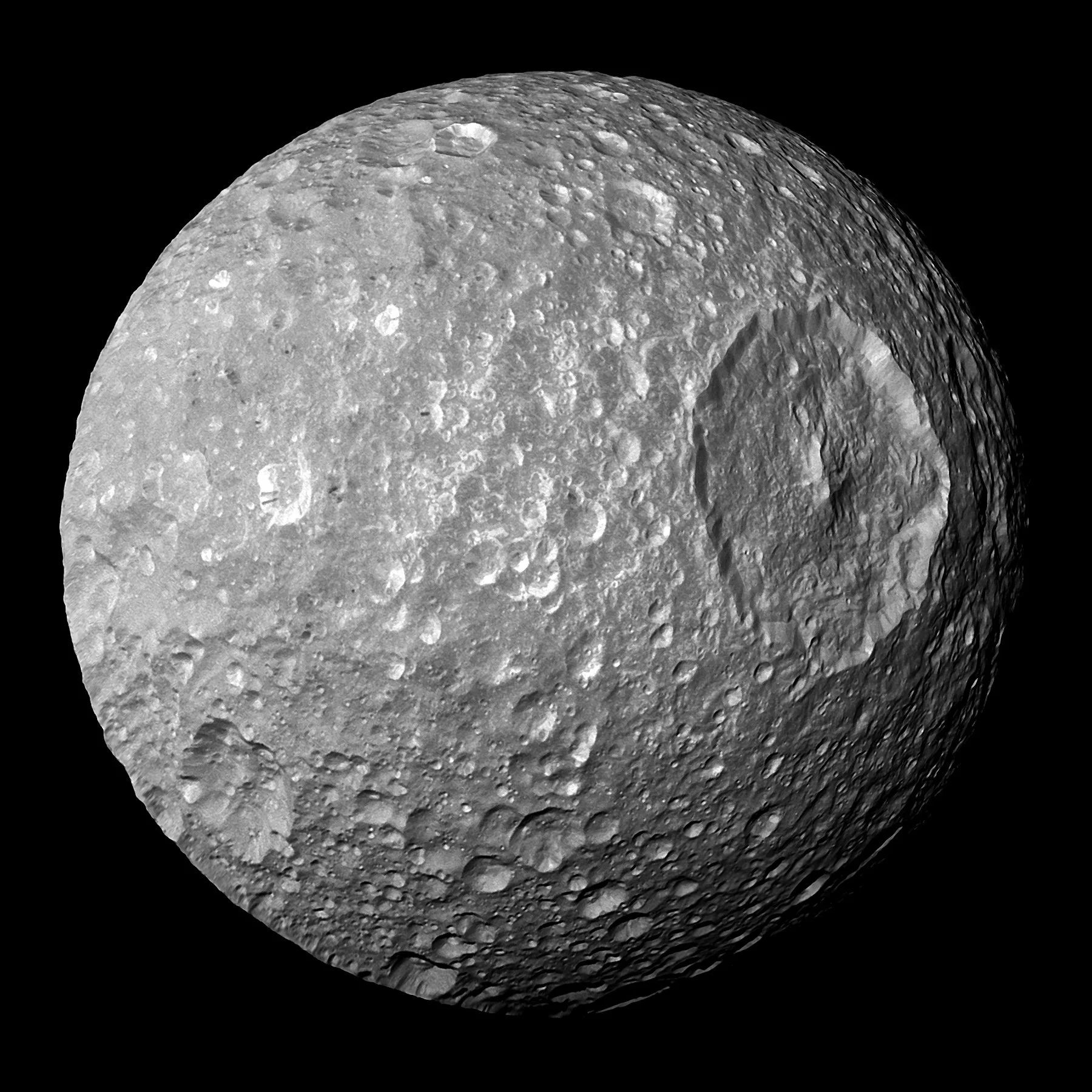
Cold Clues: JWST Detects Multiple Forms of CO₂ on Saturn’s Moons
Using JWST, Brown et al. detected carbon dioxide ice on eight of Saturn’s moons, revealing four distinct trapping mechanisms. Inner moons show CO₂ trapped in amorphous water ice and dark material, while outer moons display CO₂ linked to organic-rich regions and unique icy environments. These findings suggest complex surface chemistry and highlight the need for further lab and observational studies.
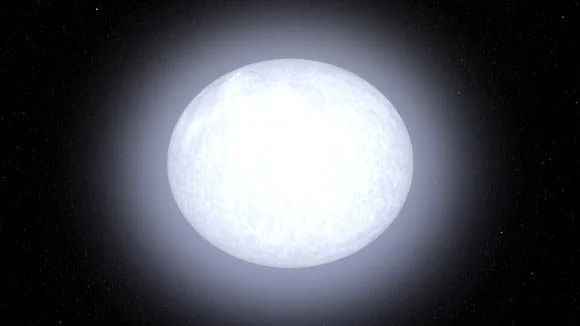
Astronomical Cardiology: Charting the Rhythms of Heartbeat Stars with Gaia and TESS
This study identifies 112 new heartbeat star systems by combining Gaia motion data with TESS brightness measurements. Using both manual and automated methods, the team modeled light curves to determine orbital properties. Most new systems are hotter, evolved stars, and the findings help explain how stellar evolution and tidal forces shape binary star behavior.
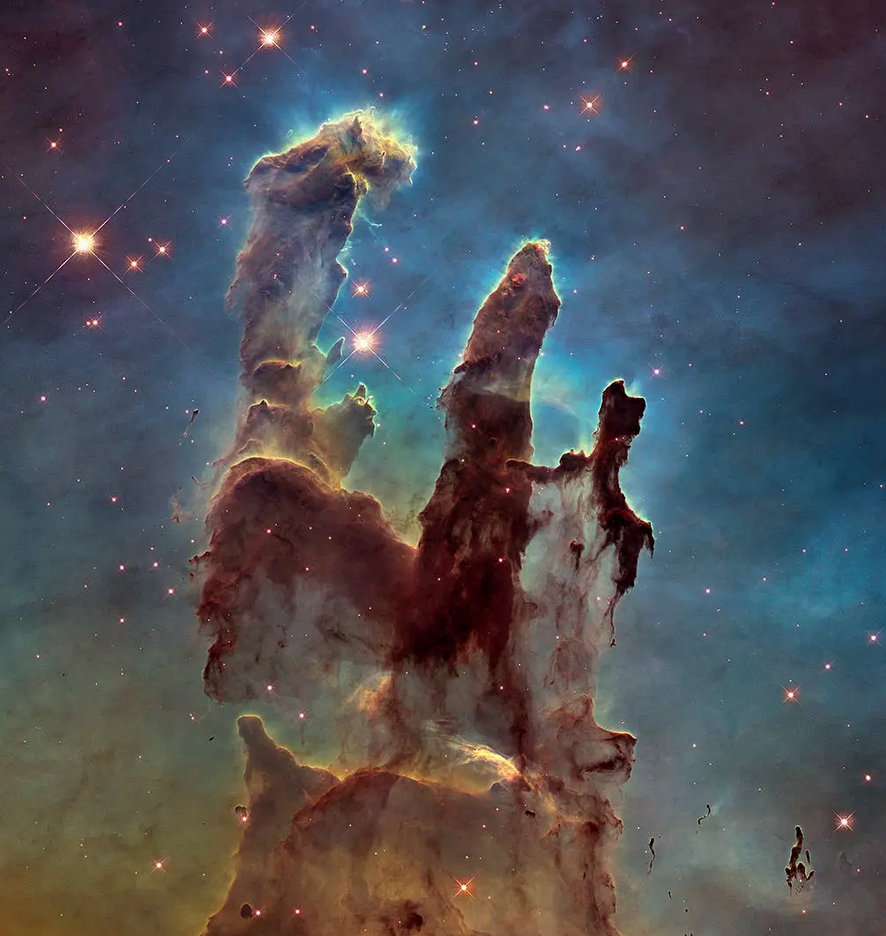
Magnetic Fields Sculpt the Pillars of Creation
This study maps magnetic fields in the Pillars of Creation using infrared dust polarization data. The fields align with the pillar structures and vary in strength, influencing where stars form. Findings support a model where initially weak magnetic fields were compressed and strengthened over time, helping shape the Pillars and regulate star formation.

The Secrets of a Shattered Cluster: Uncovering the Past of ESO 280-SC06
ESO 280-SC06 is a faint globular cluster with unexpectedly high levels of chemically enriched second-population stars. Analysis suggests it was once much more massive but lost most of its stars due to tidal disruption. The discovery of a rare nitrogen-enriched star hints at a less dense environment that allowed binary interactions.
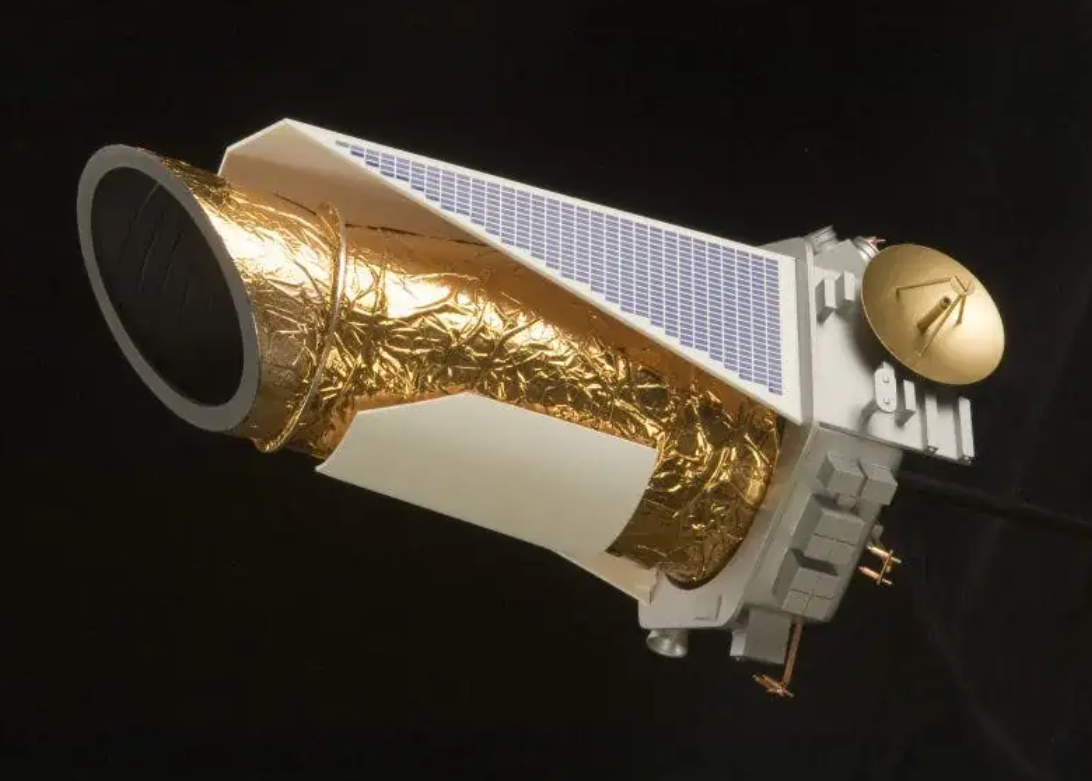
Telling Time with Stars: Using Kepler Data to Build Galactic Clocks
Casali et al. used precise Kepler asteroseismology and detailed chemical analysis to calibrate “chemical clocks” that estimate stellar ages. By studying 68 red giant stars, they identified element ratios—especially [Ce/Mg] and [Zr/Ti]—that strongly correlate with age. Applying these clocks to large star surveys reveals the Milky Way’s age structure and evolutionary history.

Forging the Light Elements: How Low-Metallicity Novae Could Shape the Early Universe
This study explores how low-metallicity novae—stellar explosions in early, metal-poor environments—can trigger a weak rp-process, producing elements heavier than calcium. Using simulations and Monte Carlo analysis, the authors identify key nuclear reactions and highlight their astrophysical impact. These novae may leave detectable chemical signatures, offering clues to the early Universe’s element formation.
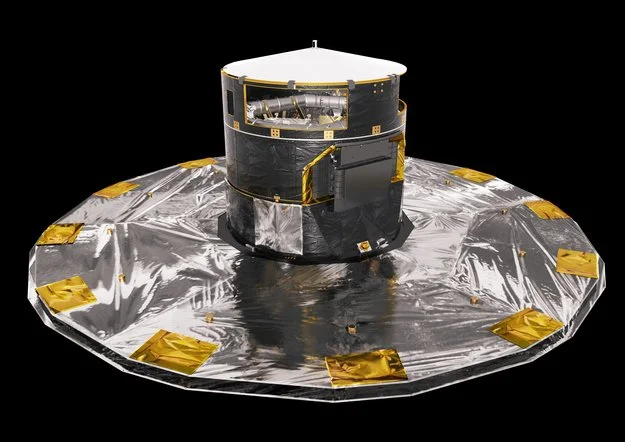
Galactic Ripples in a Turbulent Sea: Can Phase Spirals Survive the Clumpy Interstellar Medium?
The paper explores whether the Milky Way’s phase spiral—a ripple in stellar motion—can persist in a clumpy, star-forming interstellar medium. Simulations show that while smooth, gas-free discs best preserve the spiral, turbulence from star formation can still support it. However, overly clumpy gas suppresses the pattern, making the spiral a sensitive probe of galactic structure and dynamics.