
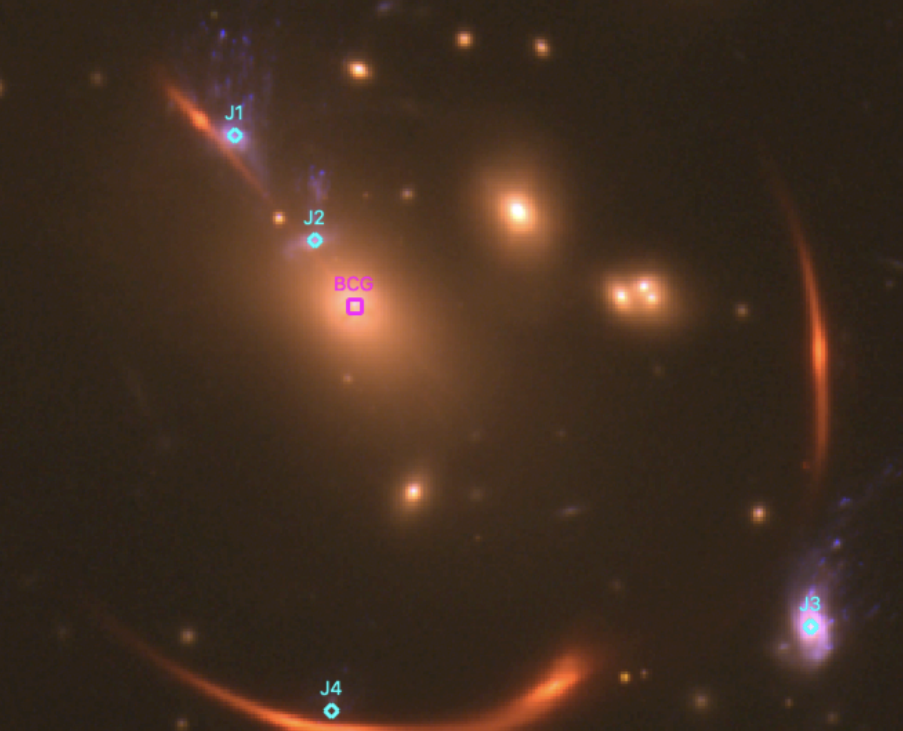
A Tale of Tails: Stripping and Star Birth in Jellyfish Galaxies
Astronomers studied four galaxies in the cluster MACS J0138.0-2155, three of which are jellyfish galaxies with long gas tails caused by ram-pressure stripping. J1 and J2 show quenched centers but star formation in their tails, while J3 is earlier in its transformation with strong central star formation. These results highlight how cluster environments strip gas, quench galaxies, and trigger new stars in their tails.
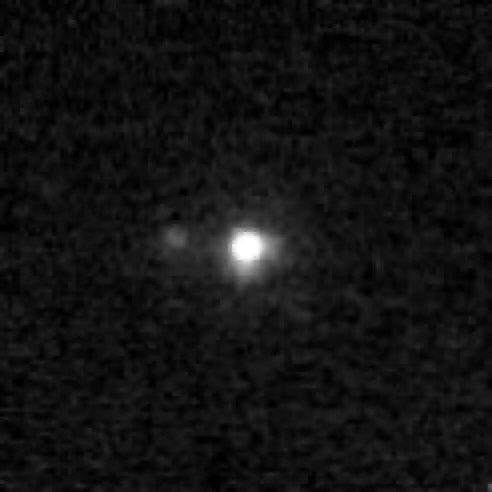
Icy Giants of the Kuiper Belt: JWST Looks at Salacia and Máni
Using JWST, Wong and colleagues observed the Kuiper Belt Objects Salacia–Actaea and Máni, finding strong water and carbon dioxide ice signatures but no methane or hydrocarbons. Compared to other KBOs, larger bodies show more water ice and weaker CO₂ features, suggesting internal heating and cryovolcanism may refresh their surfaces. These results place Salacia and Máni in the “Prominent Water” class, linking their origins to the inner Kuiper Belt.
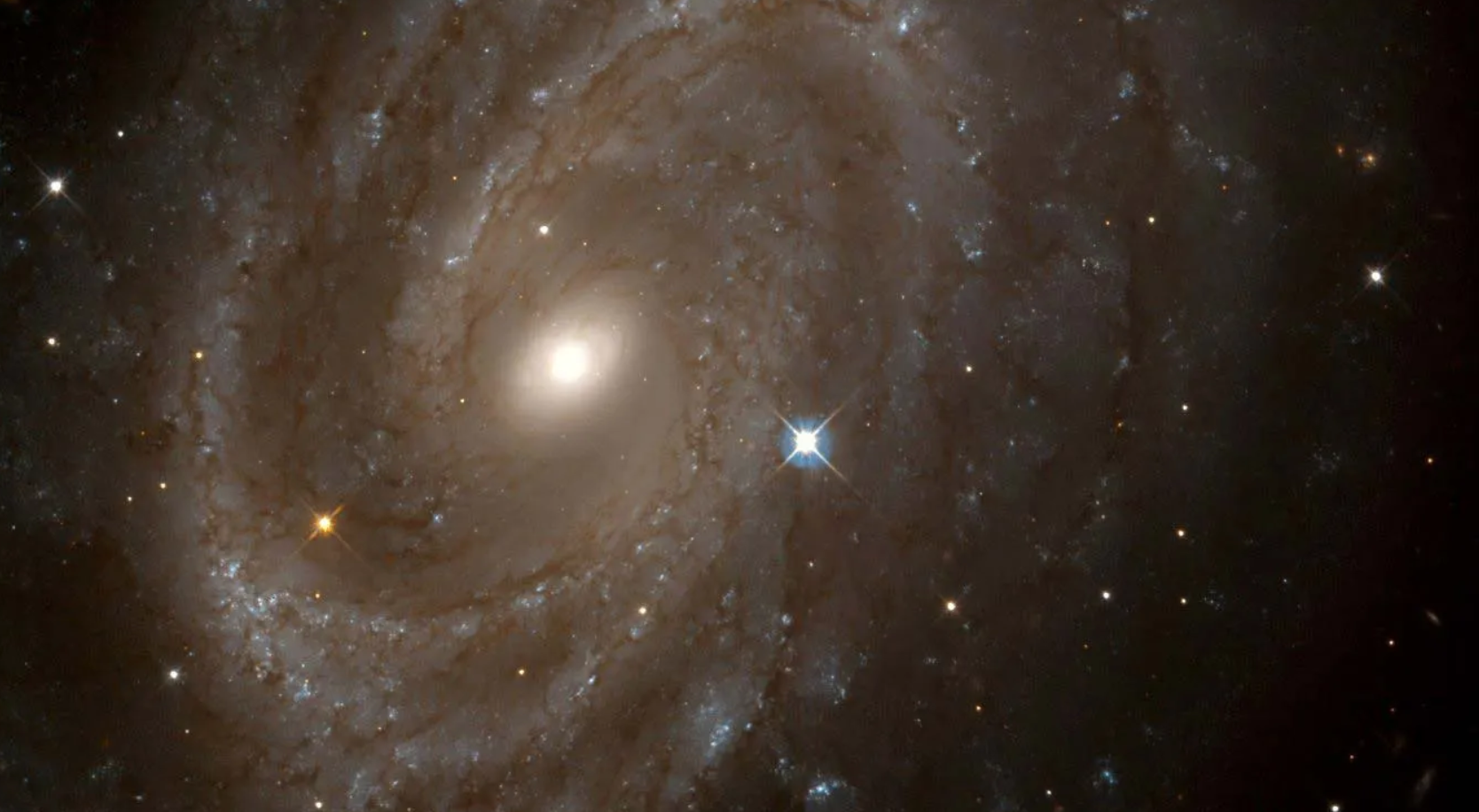
Shining Light on Cepheids: How Metal Content Affects Their Role in Measuring the Universe
Ripepi and collaborators, using the C–MetaLL survey, studied 290 Cepheids with precise metallicity and Gaia distance data. They found that metal content significantly affects Cepheid brightness—about 0.4–0.5 magnitudes per tenfold metallicity change—stronger than some past estimates. Their results refine distance measurements, impact Hubble constant calculations, and suggest metallicity plays a key role in the cosmic distance ladder.

Seeing the Hidden Differences: Neutron-Capture Elements in Stellar Doppelgängers
Catherine Manea and collaborators studied “chemical doppelgängers,” stars that look identical in APOGEE survey data. Using high-resolution optical spectra, they found that while these stars match in lighter elements, they often differ in heavier neutron-capture elements like Ba and Eu by up to 140%. This shows APOGEE alone can miss hidden chemical differences, highlighting the need for optical data to fully trace the Milky Way’s history.
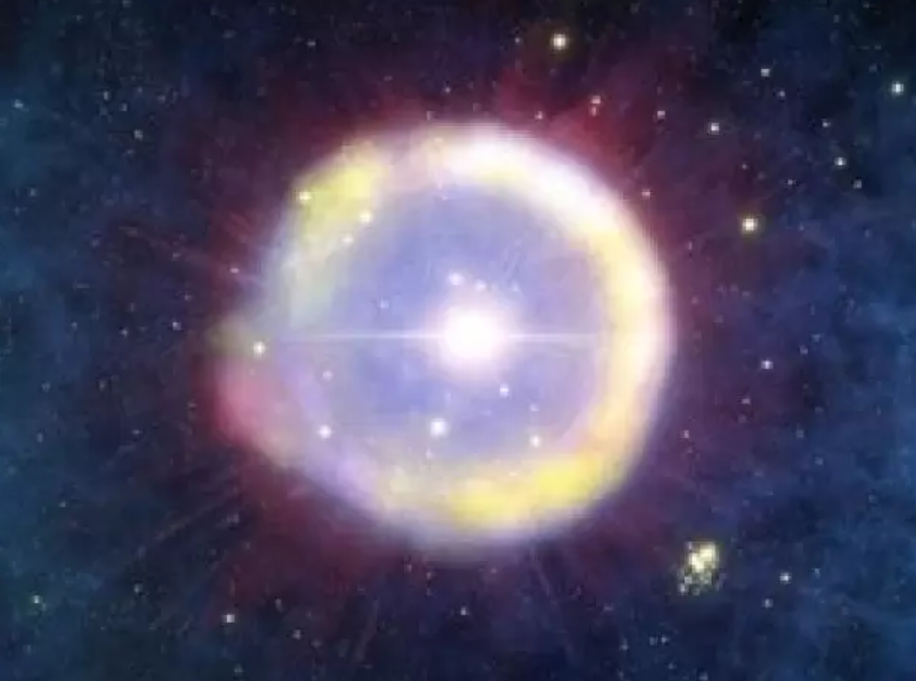
Teaching a Neural Network to Predict the Birth of the First Stars
Sojun Ono and Kazuyuki Sugimura developed a neural network emulator to model how the first stars (Population III) formed. Their method uses DeepONets split across density ranges and a new timescale-based update to keep predictions stable. The emulator reproduces chemical and thermal evolution with high accuracy while running up to a thousand times faster than traditional simulations, making it a powerful tool for studying early star formation.

Did Eris Once Hide an Ocean Beneath Its Surface?
Eris, a large Kuiper Belt object, likely once had a subsurface ocean that helped explain its current orbital state with its moon Dysnomia. Modeling by Akiba and Nimmo shows that spinning down Eris without an ocean is very difficult, while oceans appear in most successful scenarios. Though such oceans may have since frozen, insulation by porous ice, clathrates, or antifreeze like ammonia could have sustained them for billions of years.
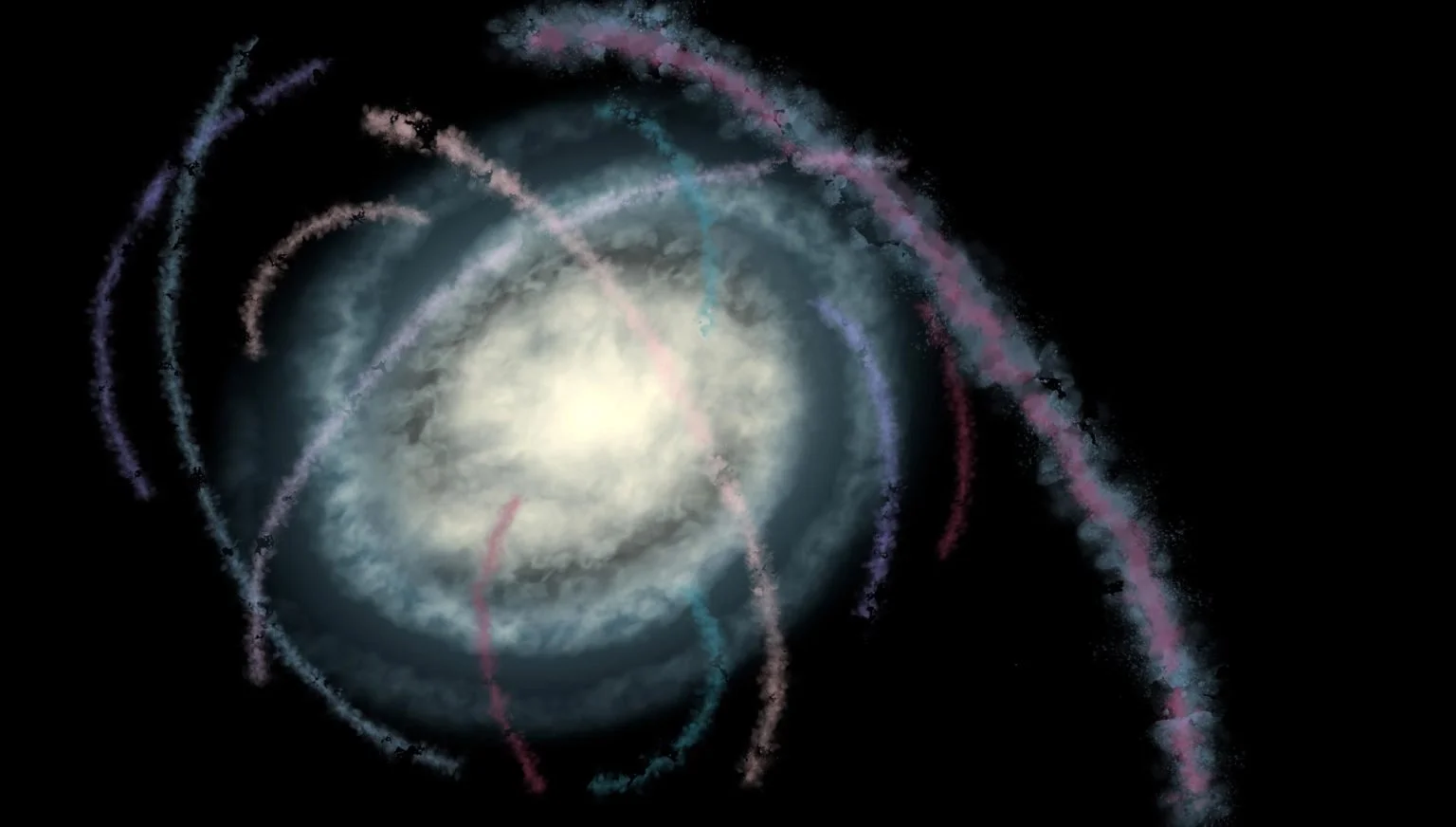
Uncovering Hidden Galactic Streams with Metallicity Fingerprints
The study by Kim et al. introduces a new way to identify Milky Way halo substructures by combining metallicity distribution functions with orbital data. They find four main retrograde groups (LRS 1–4) and uncover a new one, LRS 2B, highlighting the galaxy’s complex merger history. Their method shows how chemistry and dynamics together can reveal hidden stellar streams and their origins.

A Massive Ancient Merger: Tracing the Origins of the Gaia–Enceladus Galaxy
Plevne and Akbaba use Gaia and APOGEE data with machine learning to identify Gaia–Enceladus stars and model the galaxy’s chemical evolution. They estimate its initial gas mass at about 4.9 billion Suns, making it one of the Milky Way’s most massive accreted satellites. The results suggest a short, intense star formation period, strong outflows, and a merger that ended star formation within the first 4 billion years.
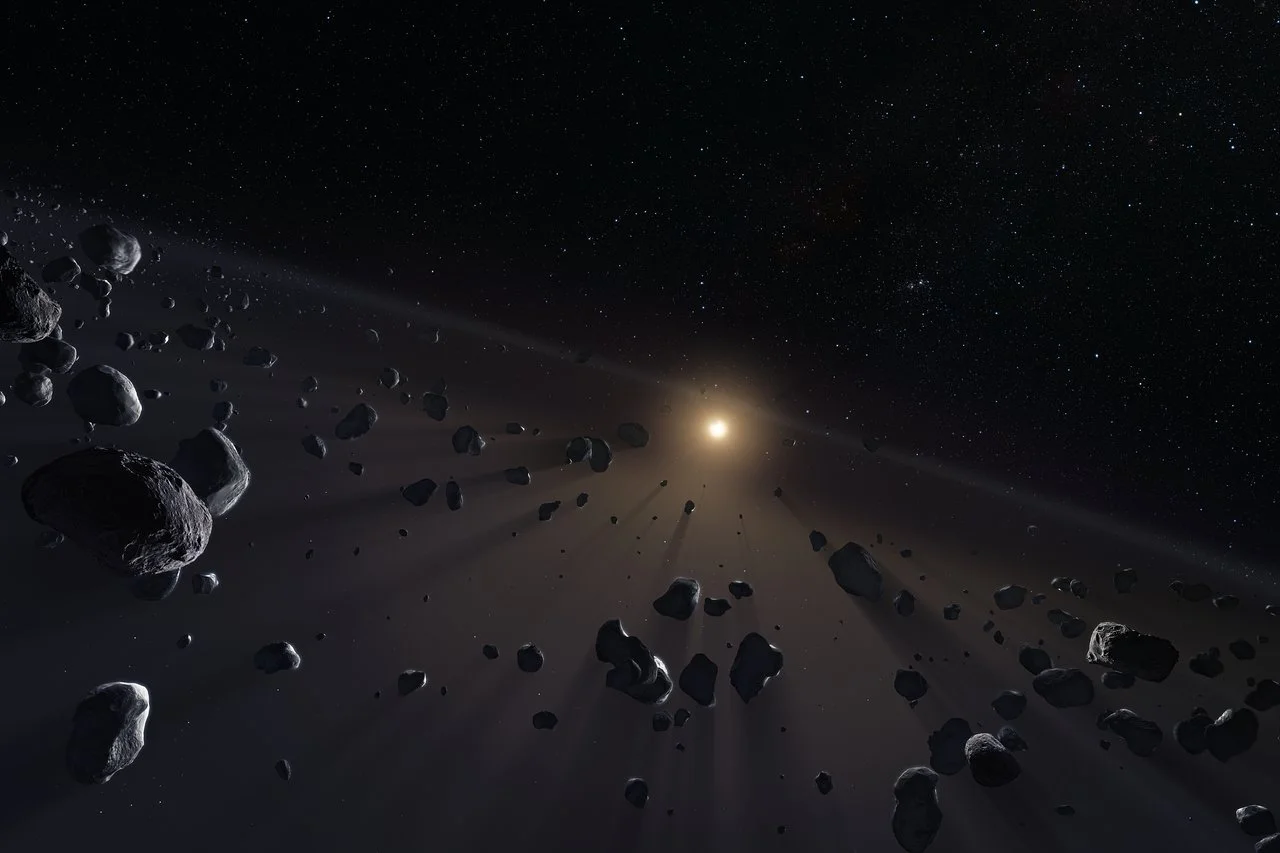
A Warp in the Kuiper Belt: Could a Hidden Planet Be Bending Orbits?
Amir Siraj and colleagues present a new, bias-free way to measure the Kuiper Belt’s mean plane. They find the belt aligns with the solar system’s invariable plane at 50–80 AU, but shows a warp at 80–200 AU and 80–400 AU. Simulations suggest this could be caused by an unseen planet between Mercury- and Earth-mass, orbiting 100–200 AU from the Sun, a body distinct from the hypothesized Planet Nine.

Building Earths in Tandem: A New Theory for Planet Formation
Nimura and Ebisuzaki propose a “tandem planet formation” model where rocky planets form at the inner edge and gas giants at the outer edge of calm regions in a star’s disk. Their simulations naturally produce Earth- and Venus-like planets, while smaller worlds like Mars and Mercury may form from leftover material. The model also explains Earth’s unique chemistry and offers a framework for understanding exoplanet diversity without requiring giant planet migrations.
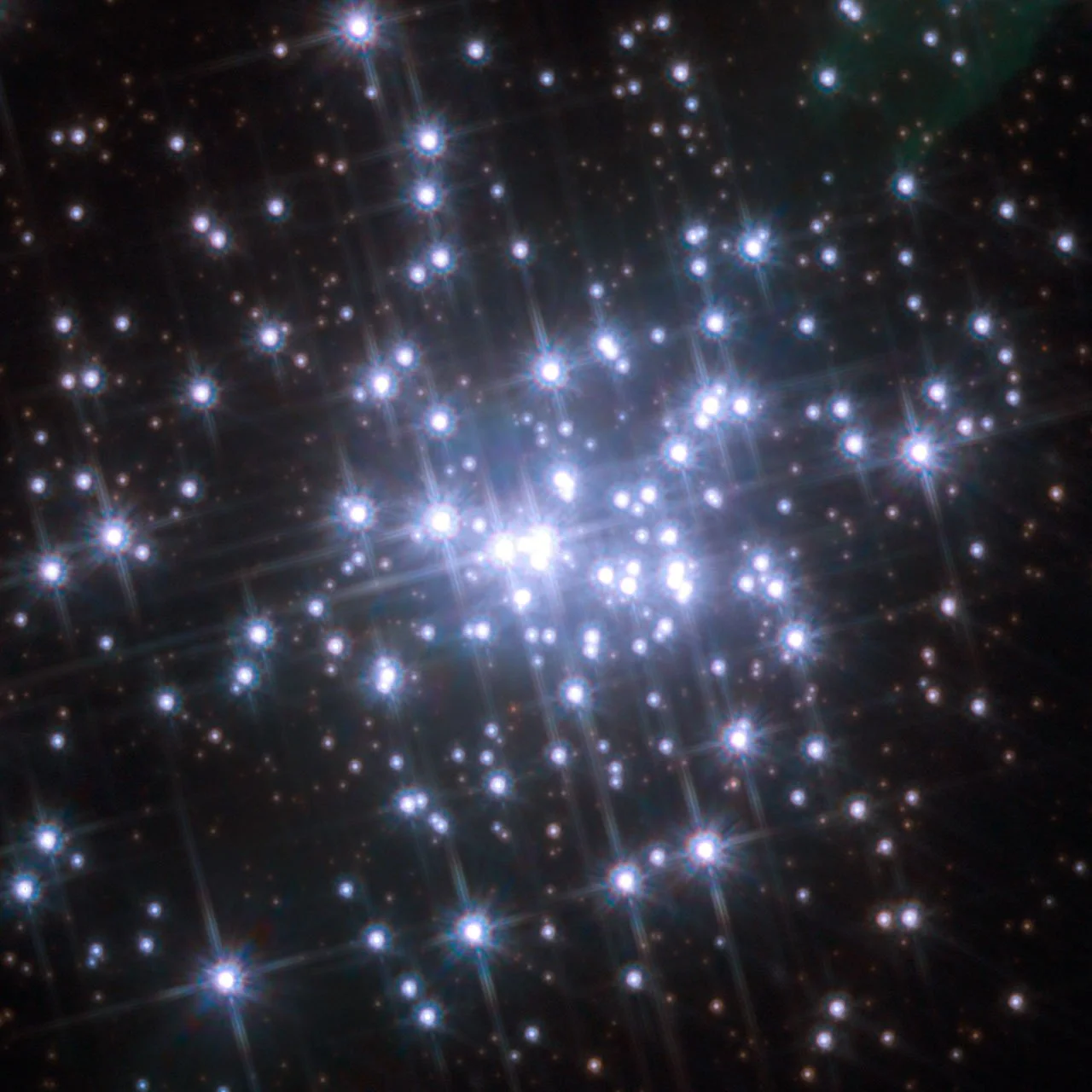
Do Most Stars Form in Clusters? A New Look at Our Galaxy’s Star Birthplaces
Quintana and collaborators used new Gaia data to show that most stars in the Milky Way likely form in compact clusters. Their calculations suggest that at least half, and probably over 80%, of stars are born this way, much higher than past estimates. This supports the clustered star formation model, though many clusters dissolve quickly, leaving stars spread across the Galaxy.
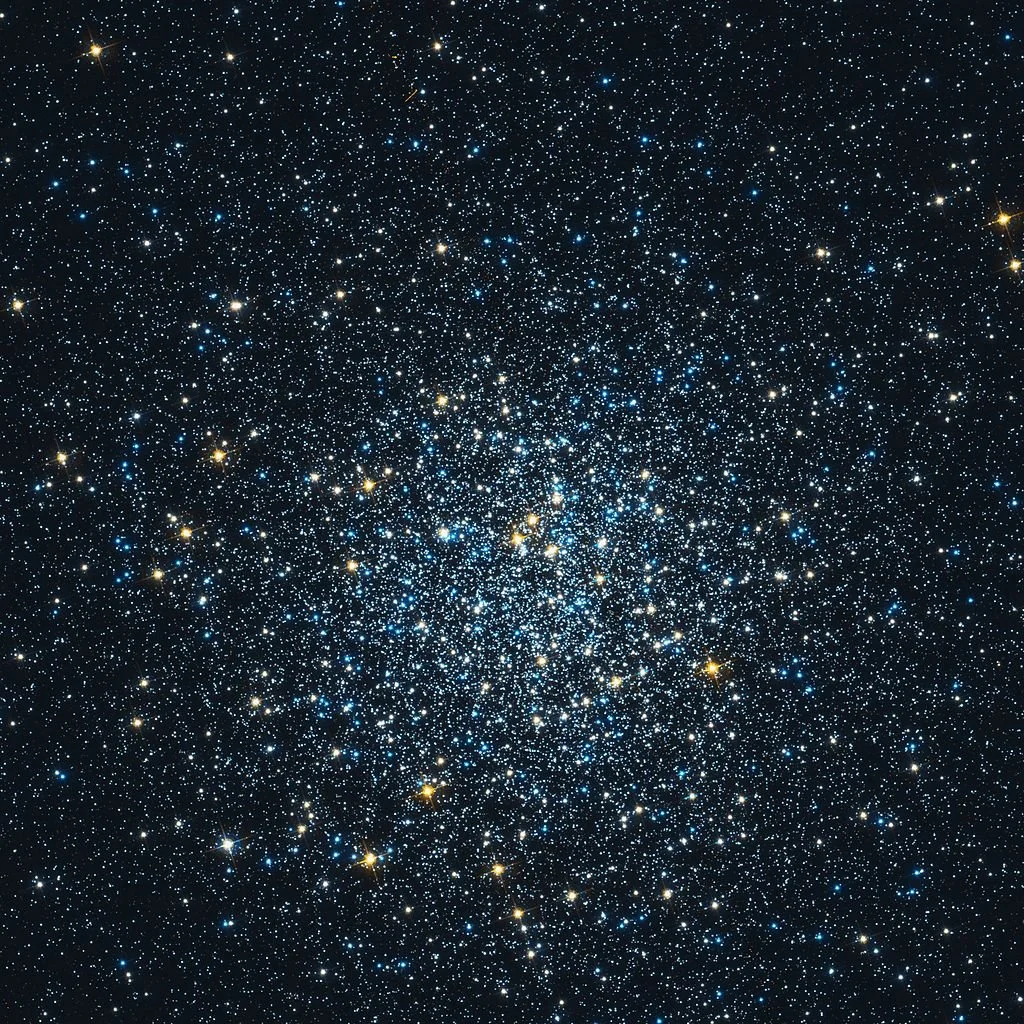
A Tenuous Signal: Searching for Heavy Element Dispersion in the Stars of M5
Nalamwar and collaborators studied 28 stars in the globular cluster M5 using Keck spectra to test for r-process variations. They found a small spread in neodymium among first-generation stars but no clear dispersion in europium or second-generation stars. This suggests early, uneven enrichment of heavy elements in M5, possibly from a rare stellar explosion or merging gas clouds, though the evidence remains tentative.
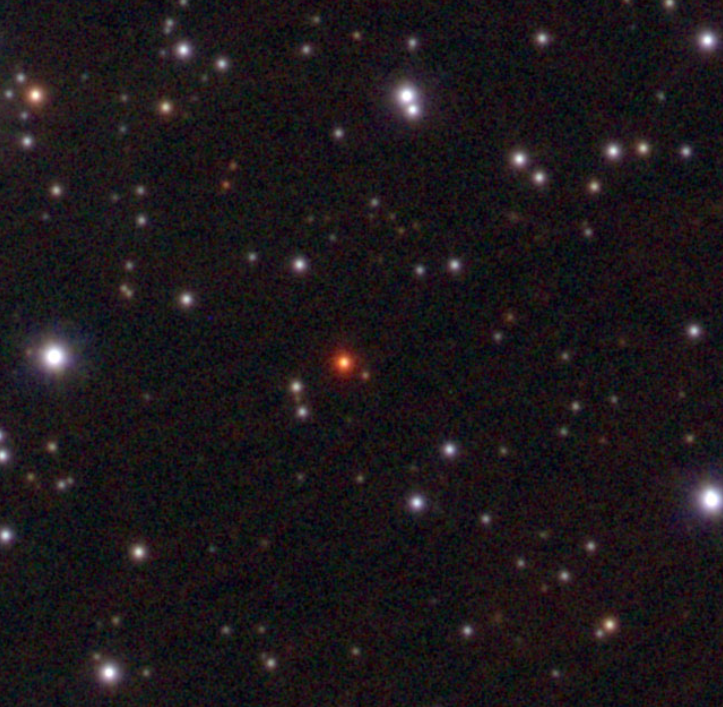
Shining Too Bright: Testing Brown Dwarf Models with HD 4747 B and HD 19467 B
Wood and collaborators studied two brown dwarfs, HD 4747 B and HD 19467 B, using precise age estimates from their host stars. They found that current substellar evolutionary models under-predict the brown dwarfs’ brightness and overestimate their masses. Including atmospheric effects like clouds improves the match but doesn’t fully resolve the discrepancy, suggesting missing physics such as metallicity effects.
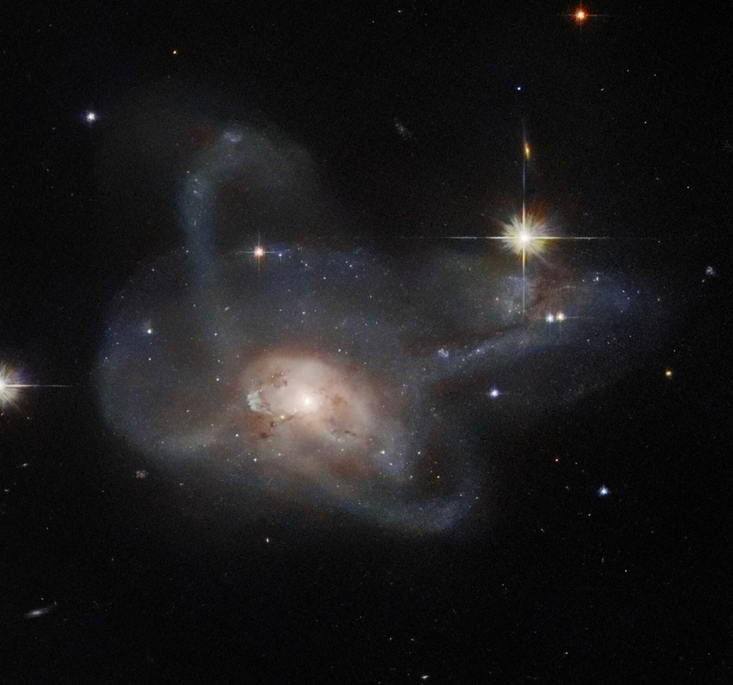
Survivors and Zombies: How the Milky Way Built Its Satellite Family
Pathak and collaborators use high-resolution simulations to study why some dwarf galaxies around the Milky Way survive while others are destroyed. They find that survival depends on mass, time of infall, and orbit: massive satellites usually disrupt before quenching, while tiny ultra-faint dwarfs quench early but endure. Disrupted galaxies often kept forming stars until the moment of destruction, helping to explain the mix of surviving satellites and stellar debris in the Milky Way halo.
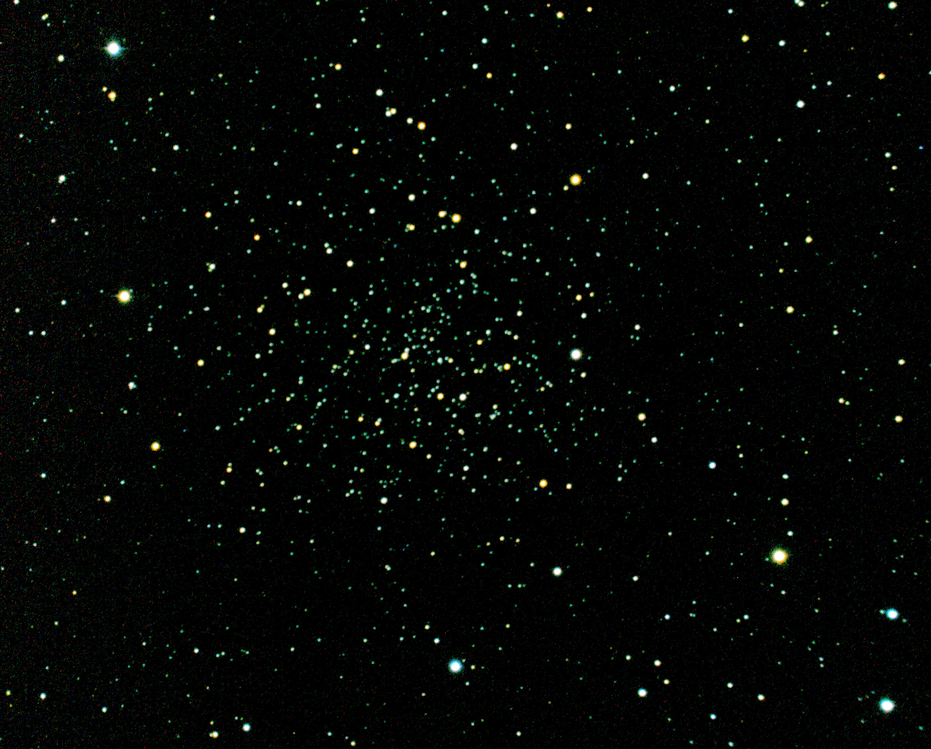
Measuring Time in the Stars: A New Way to Age the Ancient Cluster NGC 188
Yakut et al. introduce a new method for dating star clusters by jointly fitting spectral energy distributions and radial velocity data from six binary systems in NGC 188. Using Gaia astrometry, TESS photometry, and stellar evolution models, they determine a precise age of 6.41 ± 0.33 Gyr and a distance of ~1,850 pc. The method works even without eclipsing binaries and offers a robust framework for refining cluster ages.
Tracing the Heavy Elements: How Neutron-Capture Chemistry Connects Stars and Planets
Sharma et al. studied 160 planet-hosting stars, measuring nine neutron-capture elements to explore links between stellar chemistry and planet formation. Most abundances match normal Galactic evolution, but zirconium, lanthanum, and cerium are often enhanced. In giant stars, several elements correlate with higher planet masses. Younger, metal-rich systems tend to be richer in refractory elements, hinting at possible chemical fingerprints of planet formation.
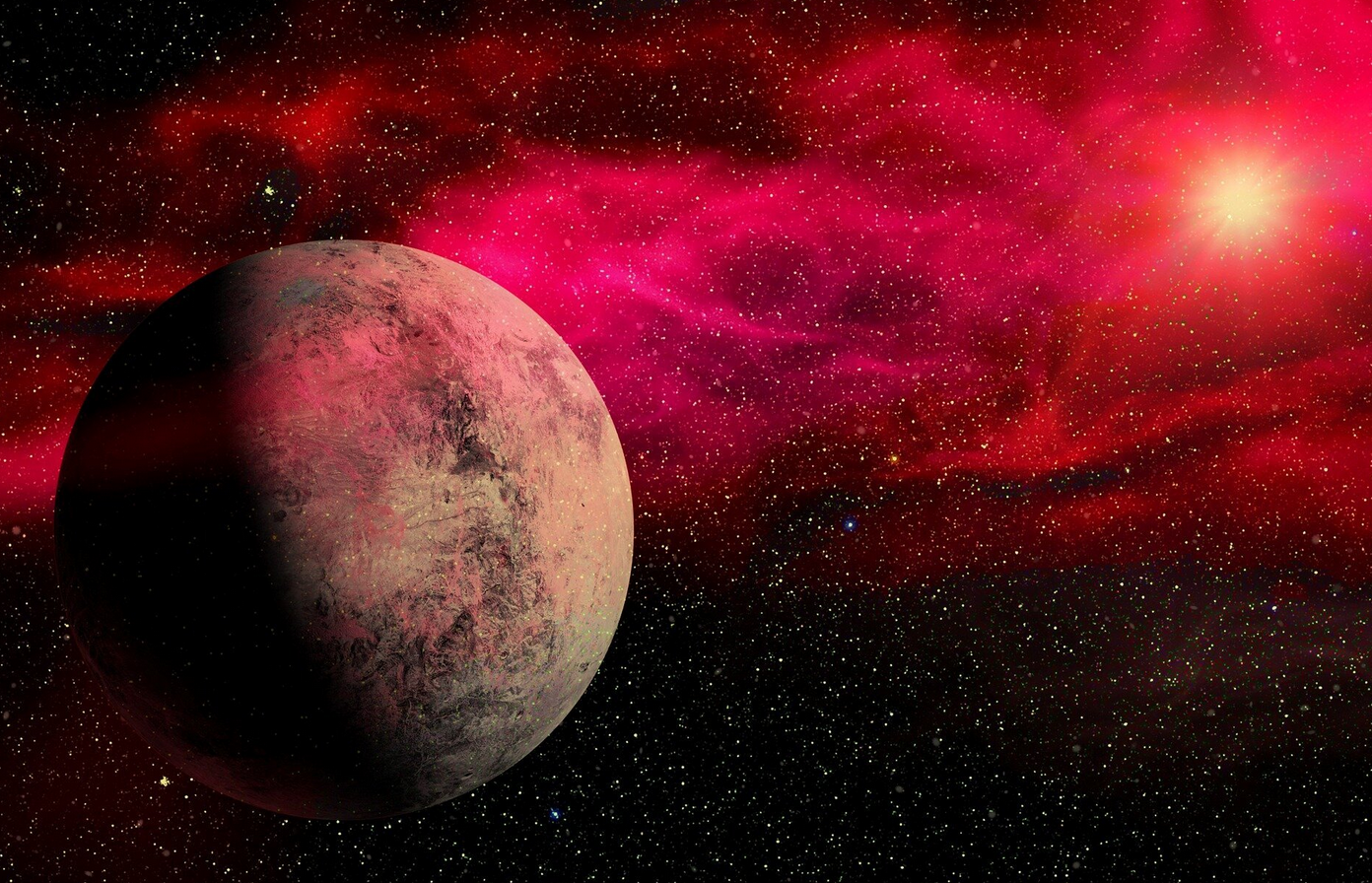
Hunting for Air: Testing the Cosmic Shoreline Around M Stars with JWST
The paper by Jegug Ih and collaborators uses simulations and statistical modeling to determine whether rocky planets around M stars have atmospheres. By framing target selection as an optimization problem, they test different observation strategies with JWST. Results show that a “wide and shallow” survey can efficiently limit atmospheric occurrence rates and, if a Cosmic Shoreline exists, detect it within ~500 hours.
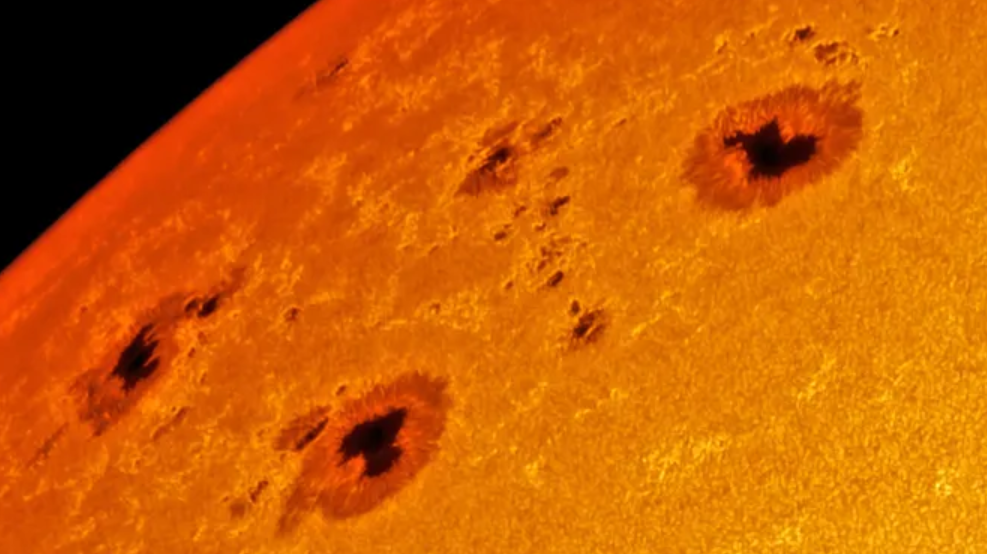
Spinning Spots: Tracking the Rotation of Solar α-Sunspots and What It Means for Other Stars
Emily Joe Lößnitz and colleagues measured how α-sunspots, stable round sunspots, rotate across the Sun. They found these spots spin slightly faster than the quiet Sun but slower than average sunspots, indicating shallower anchoring. Using this data, they developed a rotation law adaptable to other stars, showing how differential rotation shapes stellar light curves and can influence exoplanet studies.
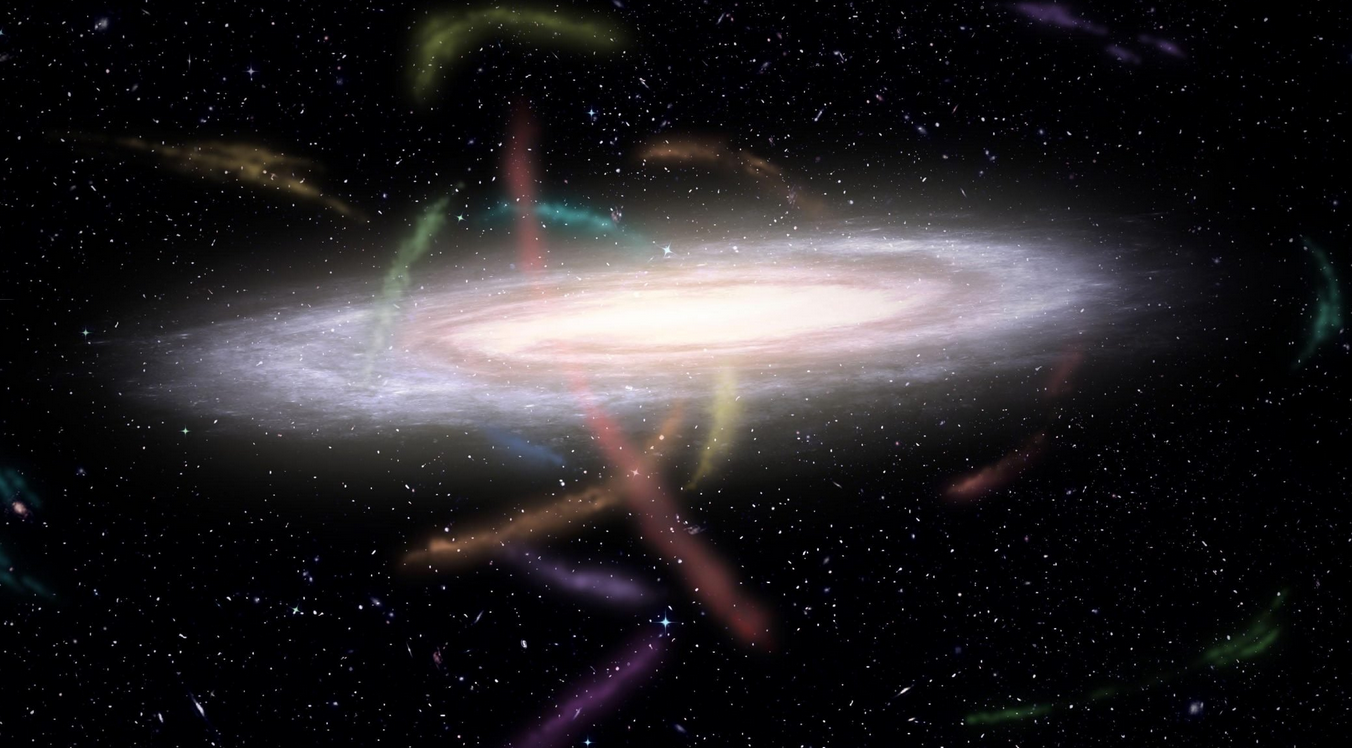
Tracing the Galactic Past: How Precession Shapes the Milky Way’s Stellar Streams
Elena Asencio and collaborators studied 91 Milky Way stellar streams to see if their orbits align with the Vast Polar Structure (VPOS). They found no strong alignment overall, but more distant streams showed greater clustering, likely because precession disrupts inner orbits over time. Simulations of a past MW–Andromeda fly-by predict such patterns, suggesting a common origin could be confirmed by finding more distant streams beyond ~150 kpc.
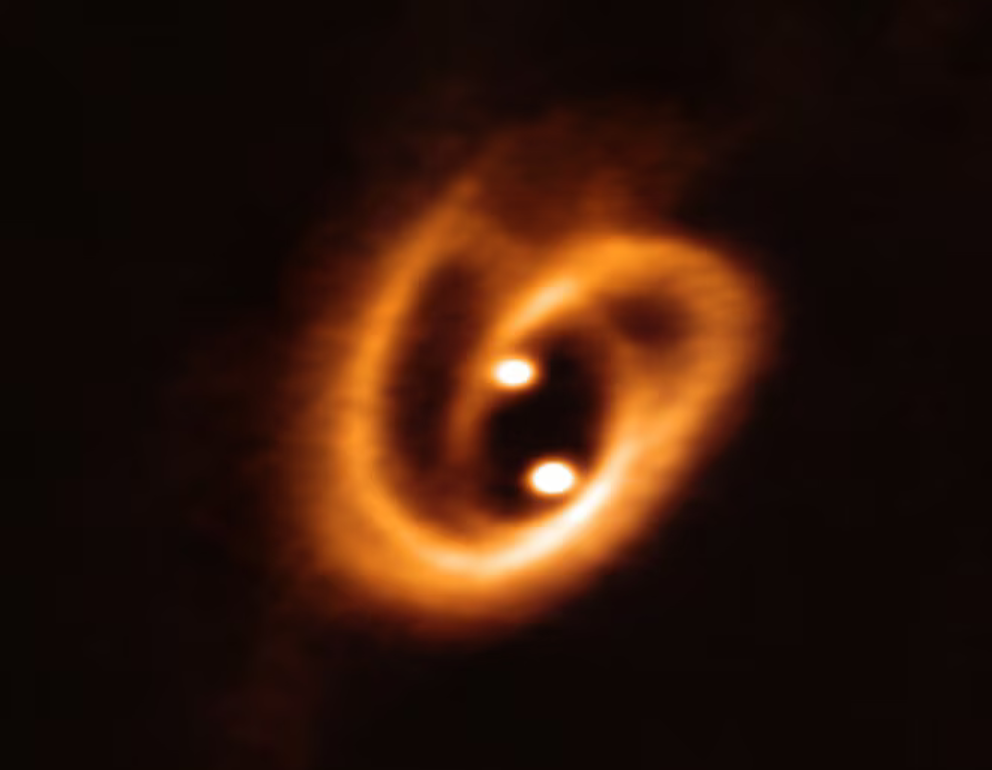
When Discs Dance: How Misaligned Binary Stars Create Unusual Spiral Arms
Rowther et al. use 3D simulations to show that moderately misaligned circumbinary discs can form unusual leading spiral arms at connection points between inner and outer discs. These spirals don’t rotate with the disc and vanish when the discs align or fully break. The effect is independent of detailed disc physics, and in some cases shadows can also launch trailing spirals, meaning both types can coexist.