

Mapping the Life and Legacy of Dying Stars: How Planetary Nebulae Reveal the Milky Way’s Chemistry
N. Erzincan and colleagues analyzed 1,449 planetary nebulae to explore how dying stars shape the Milky Way’s chemistry. Using spectra from the HASH database and Gaia distances, they measured temperatures, densities, and elemental abundances. Disk nebulae were richer in heavy elements than those in the halo, and sulfur and nitrogen showed a strong correlation, revealing links between stellar evolution and Galactic chemical enrichment.
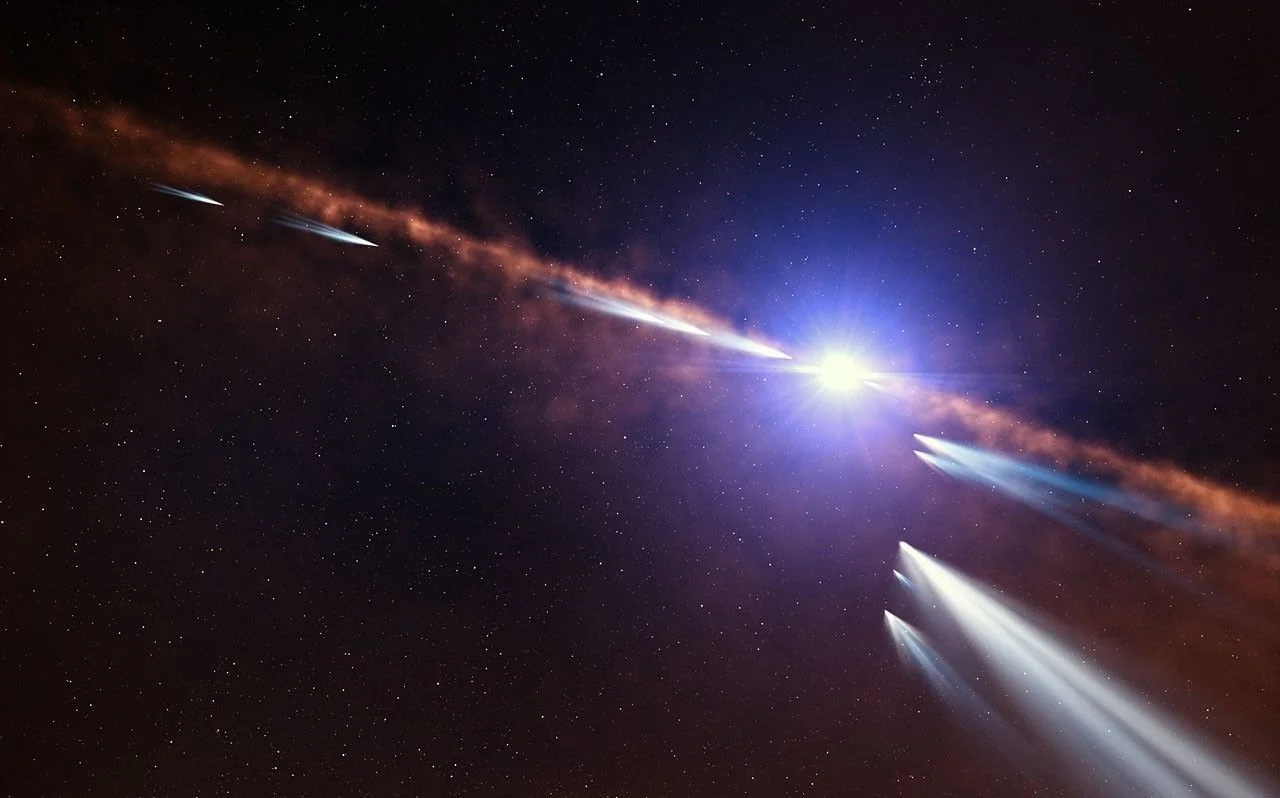
Hunting for Dusty Trails: Ten New Exocomet Transits Discovered in Kepler Data
Using a neural network trained on simulated comet transits, P. Dumond and colleagues reanalyzed Kepler’s light curves and discovered ten new exocomet transits among 17 high-confidence detections. Their machine learning approach efficiently separated real signals from noise and revealed that exocomet activity occurs around both young and old stars, suggesting cometary systems may remain active throughout stellar lifetimes.

Unraveling Nephele: The Hidden Galaxy Behind Omega Centauri
Pagnini et al. (2025) reveal that Omega Centauri was once the core of a vanished dwarf galaxy named Nephele. Using stellar chemistry and motion data from APOGEE, they identify hundreds of stars once belonging to this system. Their findings suggest Nephele’s remnants form extended stellar streams, showing how the Milky Way grew by merging with smaller galaxies.

Mapping Metal and Molecule Mysteries in Interstellar Comet 3I/ATLAS
Hoogendam et al. (2025) used the Keck Cosmic Web Imager to study interstellar comet 3I/ATLAS, confirming gas emissions from cyanogen (CN) and nickel (Ni). They found Ni concentrated closer to the nucleus, suggesting it originates from short-lived compounds like metal carbonyls or organics. The findings indicate that interstellar comets may be metal-rich but water-poor, offering clues about the chemistry of distant planetary systems.

Tracing Starlight: How Ultraviolet Observations Reveal the Heavy Elements in HD 196944
Roederer et al. used ultraviolet spectra from the Hubble Space Telescope to study HD 196944, a carbon-enhanced metal-poor star rich in s-process elements. They detected 35 heavy elements, the most ever found in such a star, and showed these likely came from a former AGB companion. Their results confirm that UV spectroscopy can reveal new details about how stars create the universe’s heaviest elements.

Liller 1: A Galactic Mystery, Uncovering the Origins of a Massive Star Cluster in the Milky Way’s Heart
Anna Liptrott and colleagues used APOGEE data to study whether Liller 1 helped form the Milky Way’s bulge. By comparing its chemical makeup with stars from the bulge and disk, they found that Liller 1’s α-element abundances differ significantly, showing it’s chemically distinct. The results rule out it being a major bulge “building block,” suggesting instead that Liller 1 is a minor or possibly extragalactic remnant.

Unearthing a Disequilibrium: JWST Unveils Methane and Carbon Monoxide in 51 Eridani b
Using JWST’s NIRSpec, Madurowicz et al. directly detected methane and carbon monoxide in the atmosphere of the exoplanet 51 Eridani b, confirming chemical disequilibrium caused by atmospheric mixing. Their high-resolution spectra revealed a 4.8σ planetary signal and an atmosphere that is partly cloudy, metal-rich, and about 800 K. This marks JWST’s first direct confirmation of multiple molecules in a cool, Jupiter-like exoplanet.

A Star from Another Galaxy: The Most Pristine Relic of the Early Universe
Astronomers led by Alexander Ji discovered SDSS J0715−7334, the most metal-poor star ever found, originating from the Large Magellanic Cloud. Its composition suggests it formed from gas enriched by a single massive Population III supernova, revealing how early stars seeded the universe with heavy elements. This discovery provides a rare local glimpse into the universe’s first generations of stars.

Mapping the Hidden Streams of the Milky Way: Correcting Bias in Dark Matter Searches
Boone et al. (2025) develop a method to correct biases in stellar stream observations caused by uneven survey conditions in the Dark Energy Survey. Using synthetic stars from the Balrog tool, they refine measurements of stellar densities, demonstrating the method on the Phoenix stream. Their corrections remove false patterns and improve dark matter studies, offering an essential approach for future deep surveys like LSST.
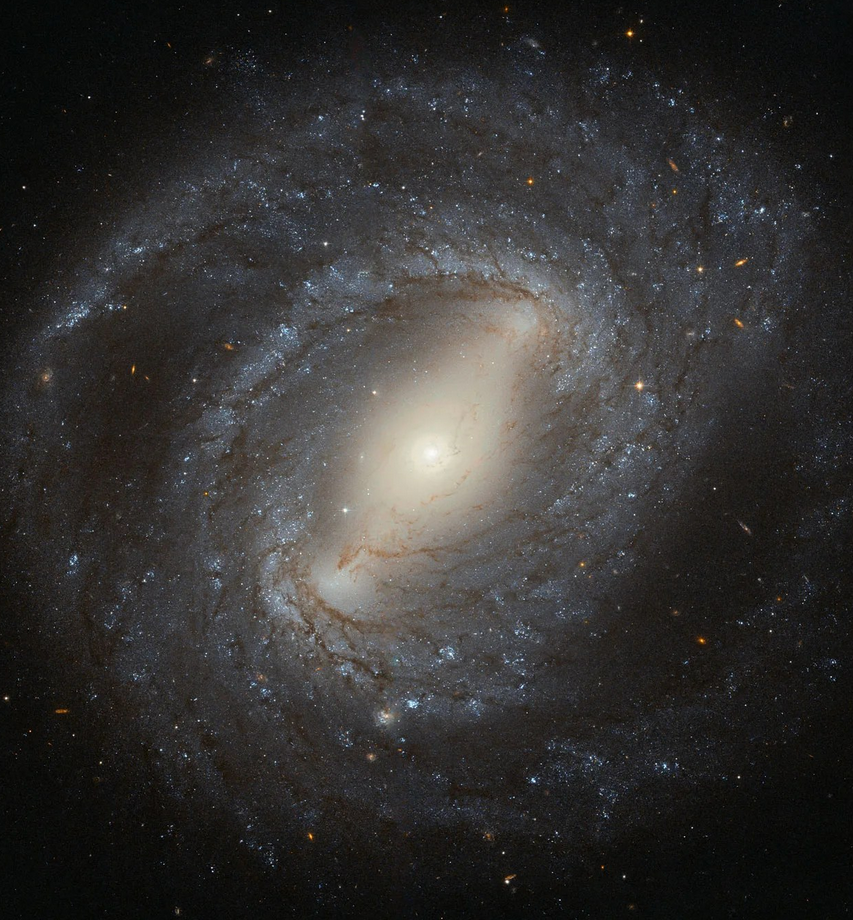
Bars Across Time: Tracing Galactic Structures Over 12 Billion Years
Using JWST data, Zoe Le Conte and collaborators traced how stellar bars in disc galaxies evolved over 12 billion years. They found the bar fraction declines from 16% at z ≈ 1–2 to 7% at z ≈ 4, showing that stable discs already existed early in cosmic history. Bar lengths stayed roughly constant, indicating that bars and galaxy discs have grown together over time.
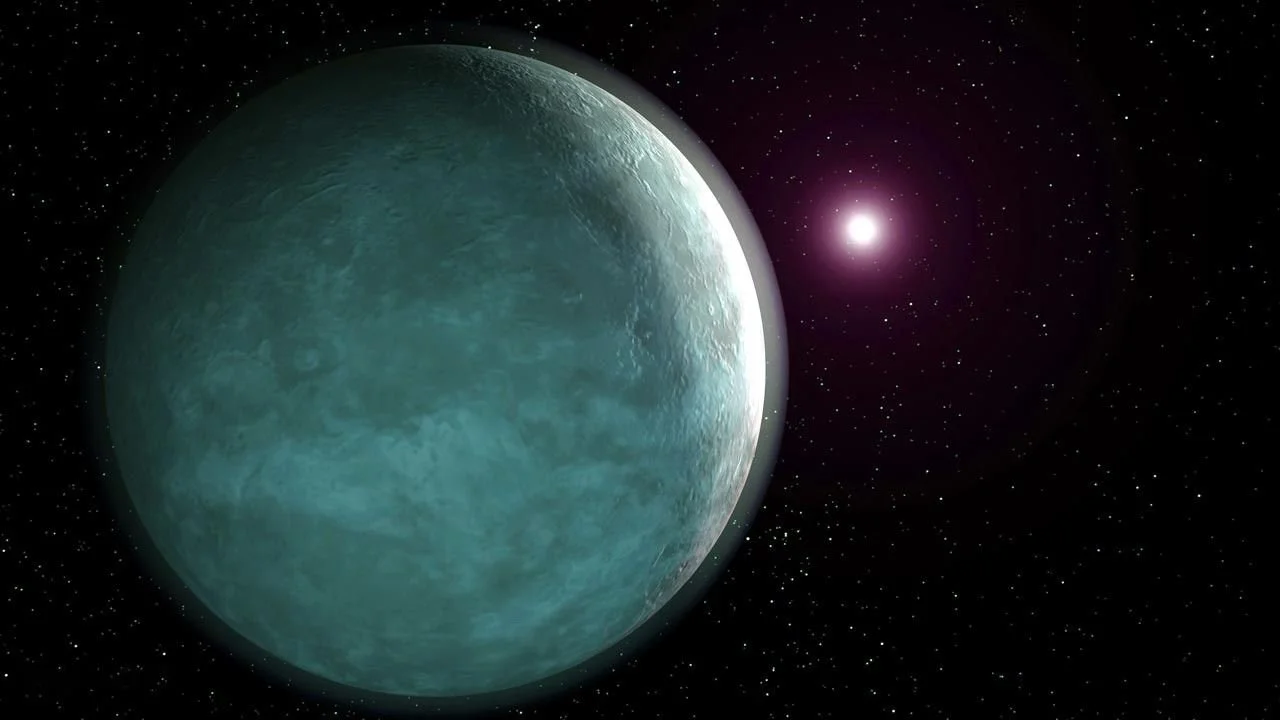
A Planet of Fire and Gas: How Magma Oceans May Explain TOI-270 d’s Mysterious Atmosphere
Matthew C. Nixon and collaborators show that magma-ocean interactions between TOI-270 d’s molten interior and gaseous atmosphere can naturally explain JWST’s detection of H₂O, CH₄, and CO₂ without invoking icy material. Their integrated models link interior chemistry to observable spectra, reproducing the planet’s high metallicity and low C/O ratio. This work suggests that sub-Neptunes’ atmospheres may be strongly shaped by deep, ongoing magma processes.

Binary Stars Illuminate the Secrets of NGC 2506: A Precise Age and Distance for a Middle-Aged Star Cluster
Kadri Yakut et al. used data from Gaia, TESS, and ground-based telescopes to analyze five binary stars in the open cluster NGC 2506. By jointly modeling their light, velocity, and energy distributions, the team derived a precise cluster age of 1.94 billion years and a distance of about 3,200 parsecs. This method demonstrates how binary systems can accurately reveal a cluster’s age, distance, and evolutionary state.
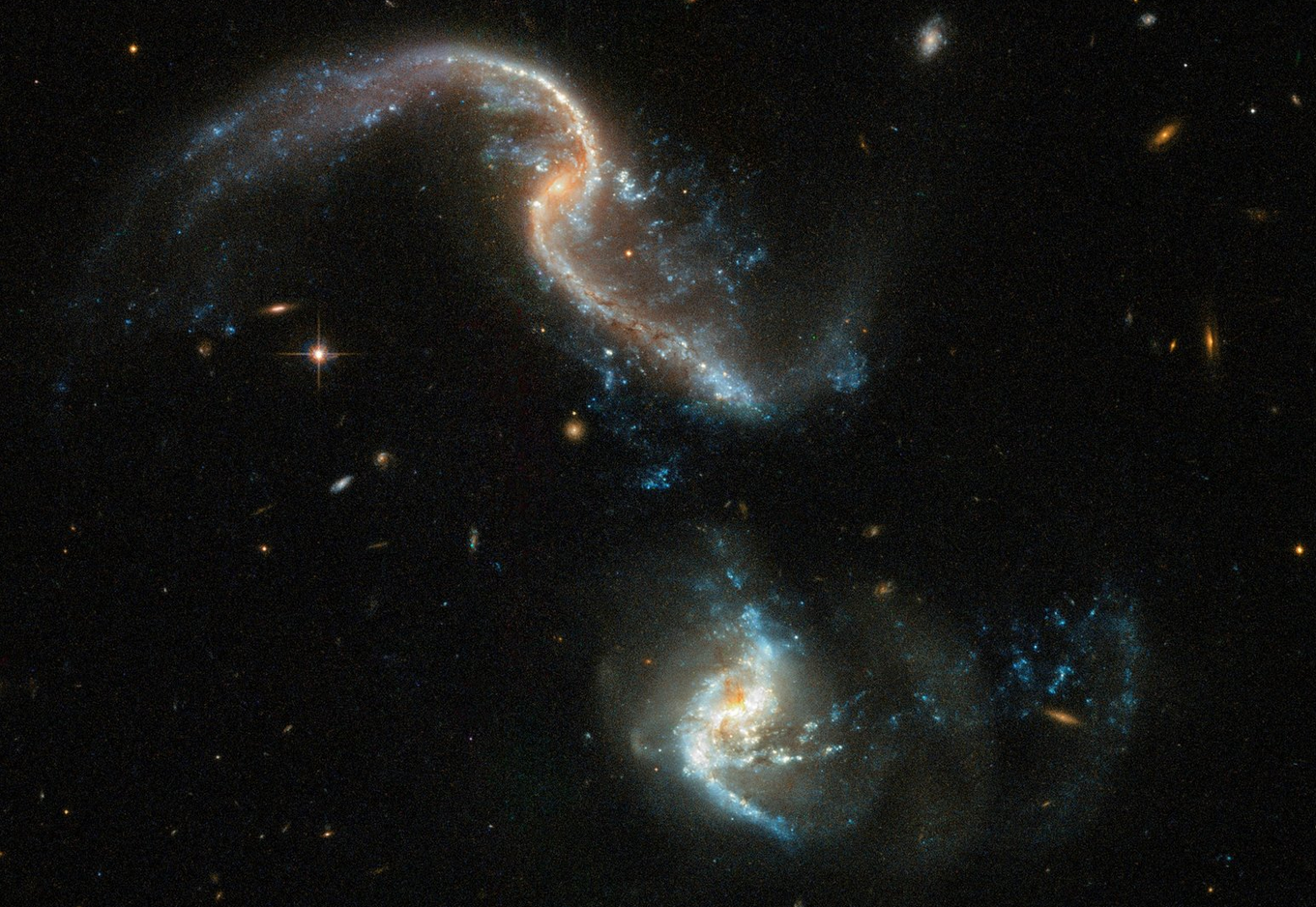
When Galaxies Collide: How a Cosmic Merger Twists Stellar Streams
Claire Guillaume and collaborators used detailed simulations to study how a galactic merger distorts stellar streams, thin trails of stars orbiting the Milky Way. They found that mergers create lasting asymmetries between the leading and trailing arms of these streams, especially for those on wide orbits. These distortions can persist for billions of years, complicating efforts to use stellar streams to map dark matter.
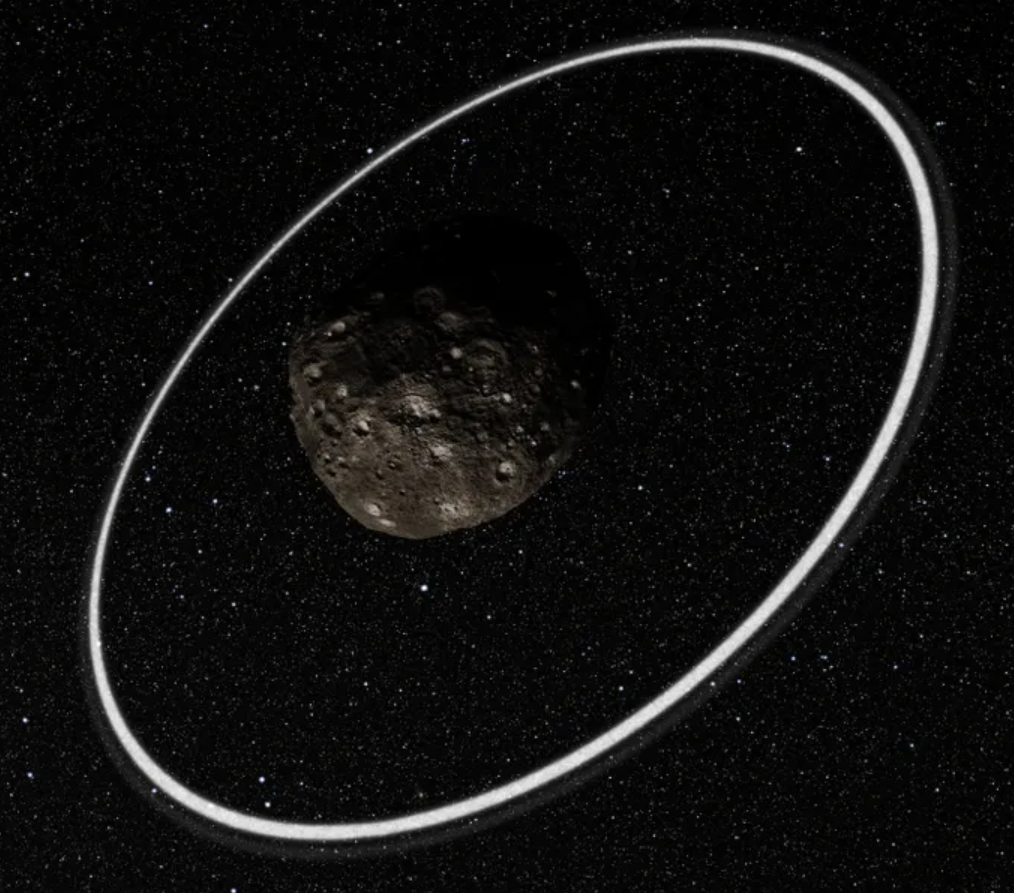
JWST Unveils the Hidden Complexity of Chariklo’s Rings
Using the James Webb Space Telescope, Pablo Santos-Sanz et al. observed Chariklo’s rings through a stellar occultation, revealing unexpected changes. The inner ring (C1R) has grown denser, while the faint outer ring (C2R) appears to be fading, possibly due to dust loss. Models suggest C2R contains tiny silicate grains, and the findings indicate Chariklo’s rings are dynamic, evolving, and may even be transient.
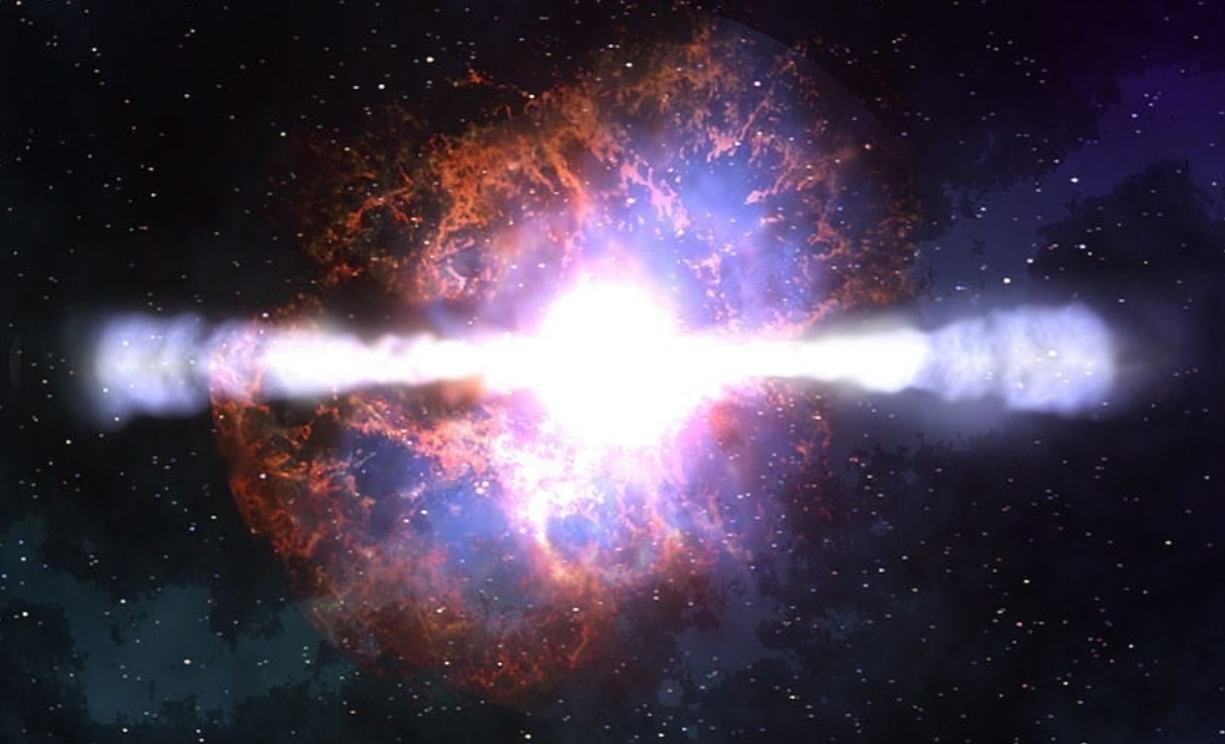
Mapping the Motion of the Milky Way’s r-Process Stars
Pallavi Saraf and collaborators studied how r-process-enhanced stars, those rich in heavy elements formed by rapid neutron capture, move through the Milky Way. Using Gaia data and orbital simulations, they found these stars are almost evenly split between the disk and halo. Most have uncertain origins, though halo stars are more likely accreted. Similar chemical patterns across regions suggest r-process enrichment occurred under comparable conditions throughout the Galaxy.
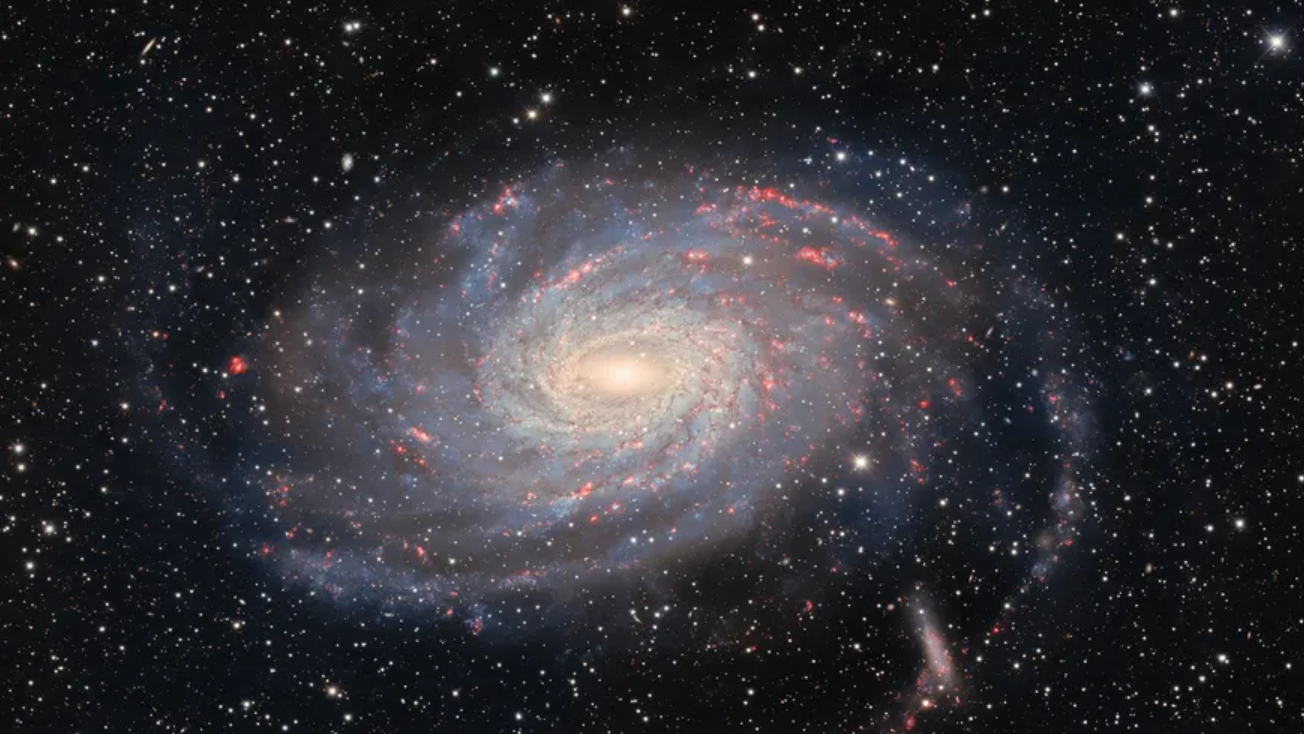
Tracing the Heartbeat of the Milky Way: Bursts of Star Formation Revealed by Gaia
Ruiz-Lara et al. use Gaia data to trace the Milky Way’s inner history through super metal-rich stars near the Sun, which likely migrated outward. Their analysis reveals six bursts of star formation over 13.5–1 billion years, coinciding with major galactic mergers and interactions. The findings suggest that the Galaxy’s center evolved through episodic, interaction-driven events rather than steady star formation.

Probing Hidden Galaxies: Tracing Dark Matter with the GD-1 Stellar Stream
Jacob Nibauer and collaborators analyzed the GD-1 stellar stream’s star motions to study invisible dark matter subhalos around the Milky Way. They found that the stream’s velocity dispersion is higher than expected, suggesting interactions with compact, dense dark matter clumps. Their models show that about 5% of the Milky Way’s mass is in these subhalos, possibly indicating self-interacting dark matter rather than the standard cold dark matter model.
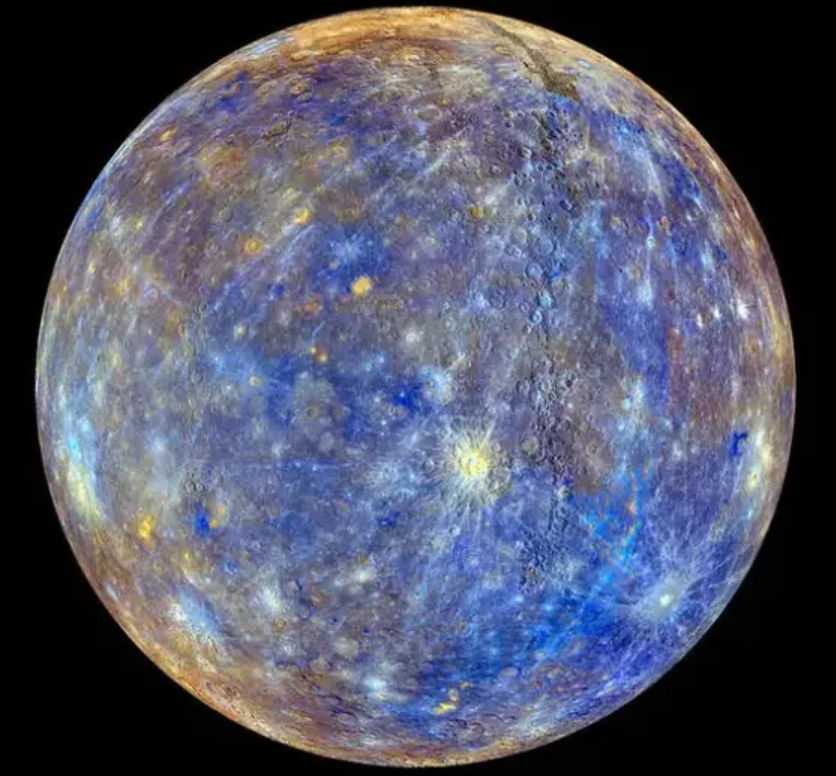
When Impacts Supercharged Mercury’s Ancient Magnetic Field
Isaac Narrett and colleagues show that giant impacts on Mercury, like the Caloris Basin event, could have briefly amplified the planet’s weak magnetic field by up to 20 times through hot plasma generation. These amplified fields may have been recorded in rocks at the impact’s antipode, explaining parts of Mercury’s ancient magnetization, though a stronger ancient dynamo is still needed to account for all observations.

A United Nations for the Stars: Building a Global Effort to Study Interstellar Visitors
The paper by Eldadi, Tenenbaum, and Loeb proposes creating a United Nations Committee on Interstellar Objects (UNCIO) to coordinate global research on interstellar visitors like ‘Oumuamua and 3I/ATLAS. With improved detection from the Vera C. Rubin Observatory, UNCIO would unify observation, mission response, and data sharing while engaging the public through real-time tracking, ensuring humanity never misses a chance to study objects from beyond our solar system.
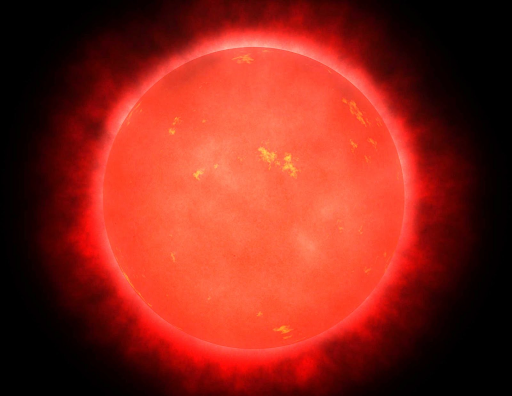
Why We Don’t Live Around a Red Star: Understanding Why M-Dwarfs May Be Unlikely Homes for Observers
David Kipping’s paper argues that our existence around a Sun-like star is unlikely to be random. Using Bayesian modeling, he finds that most M-dwarfs, the Universe’s most common stars, probably cannot host observers like us. His analysis suggests a lower mass cutoff of about 0.34 solar masses, implying that two-thirds of all stars may be inhospitable to complex life and that Sun-like stars are uniquely favorable for observers.