
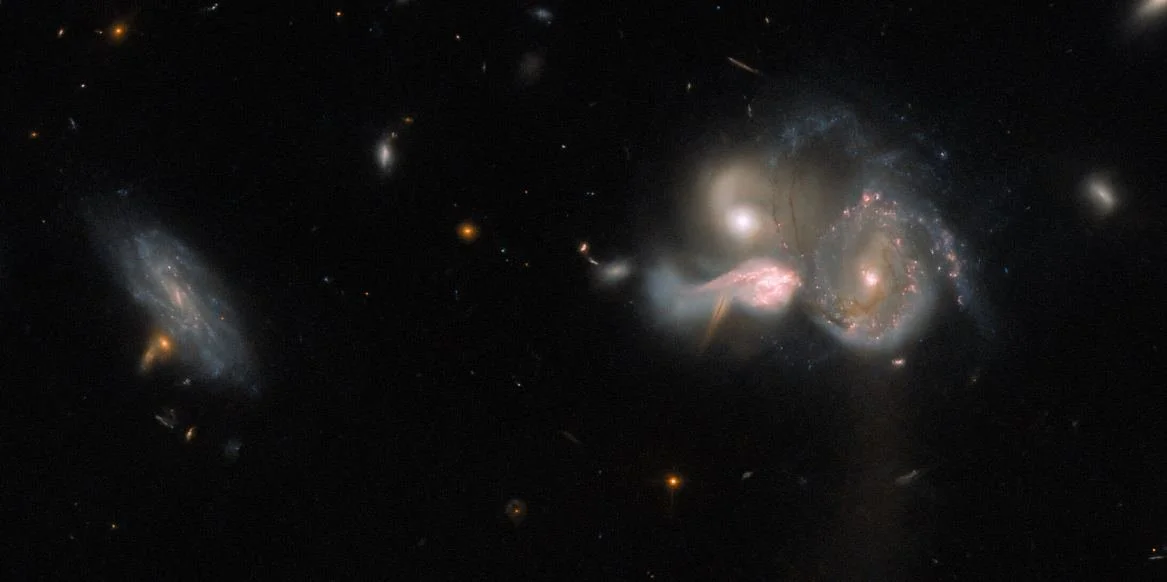
Two Faces of a Galactic Collision: Uncovering the Chemical Story of Gaia–Sausage–Enceladus
This paper uses stellar chemical abundances and machine learning to study the Milky Way’s stellar halo, focusing on the ancient merger Gaia–Sausage–Enceladus. By applying a graph attention network to GALAH survey data, the authors identify chemically coherent groups of stars. They find that GSE splits into two distinct chemical populations, interpreted as stars originating from different regions of the same progenitor galaxy.
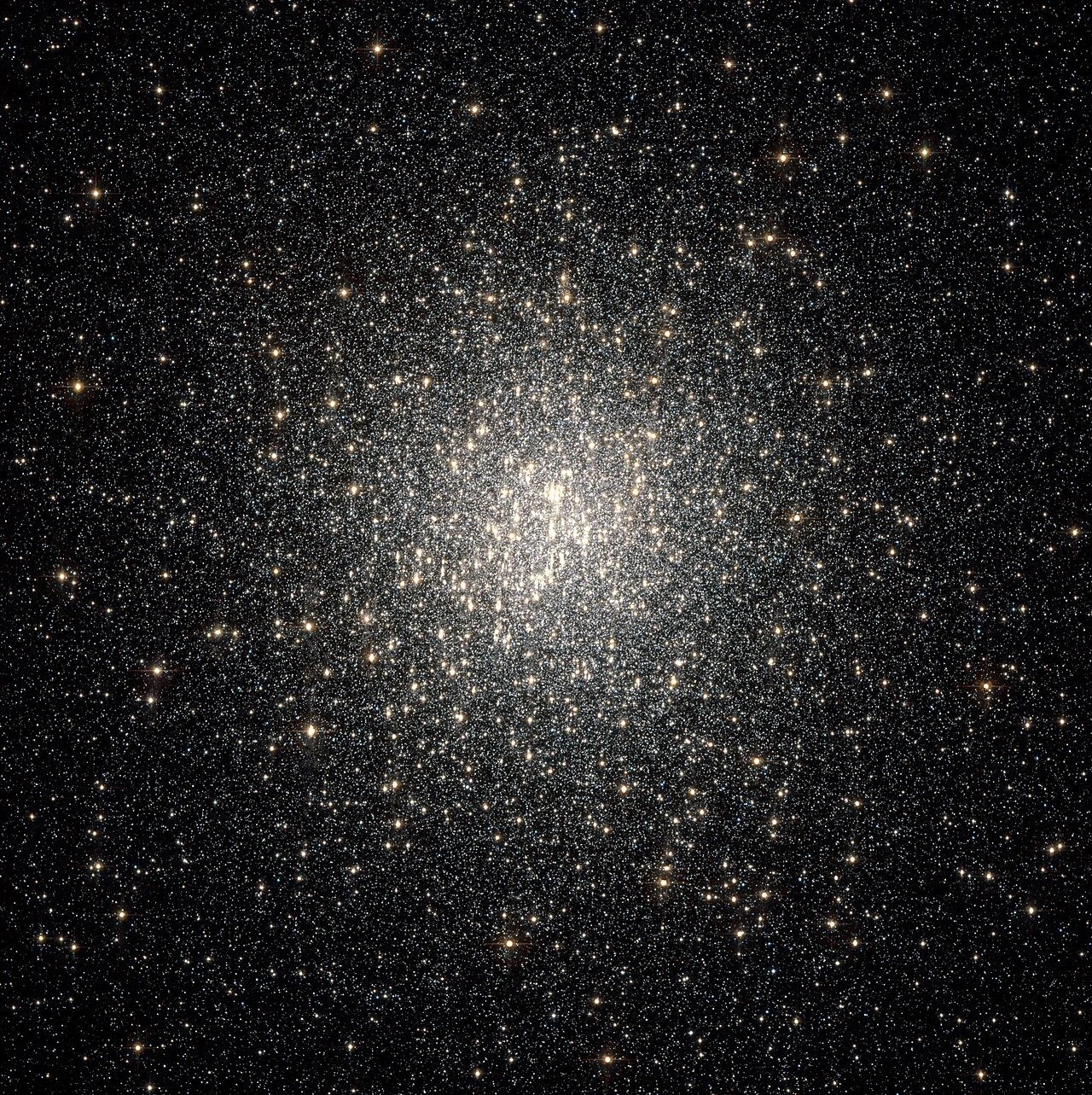
Neon, Argon, and the Puzzle of Multiple Stellar Populations in Globular Clusters
This paper explores why globular clusters like NGC 2808 contain stars with very different chemical compositions. The authors show that uncertainties in the initial abundances of noble gases, especially neon, and possibly argon, can significantly affect models of massive AGB stars. Enhancing neon and slightly lowering metallicity helps reproduce most observed abundance patterns, though the most extreme stars remain challenging to explain.
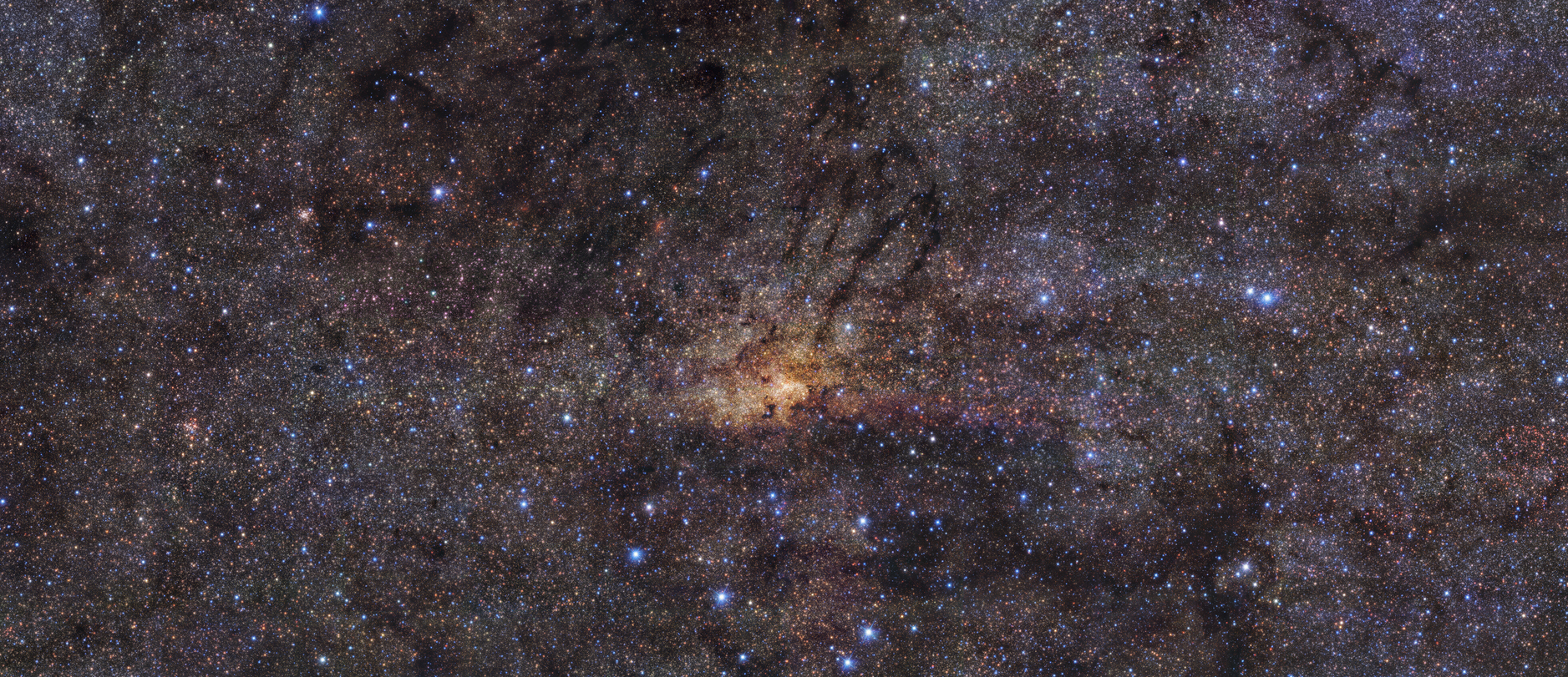
Diluting the Galactic Center: How the Milky Way’s Nuclear Stellar Disc Got Its Chemical Mix
This paper presents the first Bayesian chemical evolution model of the Milky Way’s Nuclear Stellar Disc. The authors show that gas flowing inward from the inner Galactic disc alone cannot explain the observed metal-poor stars. Instead, the best-fitting models require dilution by lower-metallicity gas, likely from the thick disc or later accretion events, highlighting a complex formation history for the Galaxy’s center.
Mass Clues in Carbon and Nitrogen: How Red Giants Reveal Their Hidden Histories
Roberts et al. (2026) use asteroseismic masses and [C/N] birth-mass indicators to measure how much mass red giants lose and to identify stars that have likely undergone mass transfer. They find that RGB mass loss decreases with both mass and metallicity, contradicting classical Reimers’ predictions, and propose an adjusted η calibration. They also identify 207 unusual stars whose current masses cannot be explained without past binary interaction.

Metal Pipe: Building a Unified Path to Stellar Chemistry
Metal Pipe is a new stellar abundance pipeline designed to measure chemical compositions consistently across many star types, including cooler K and M dwarfs. By combining photometry, high-resolution spectra, and iterative modeling, it achieves agreement with major catalogs while overcoming limitations of earlier methods. Its design promises a unified, expandable framework for studying how stellar chemistry relates to planet formation.
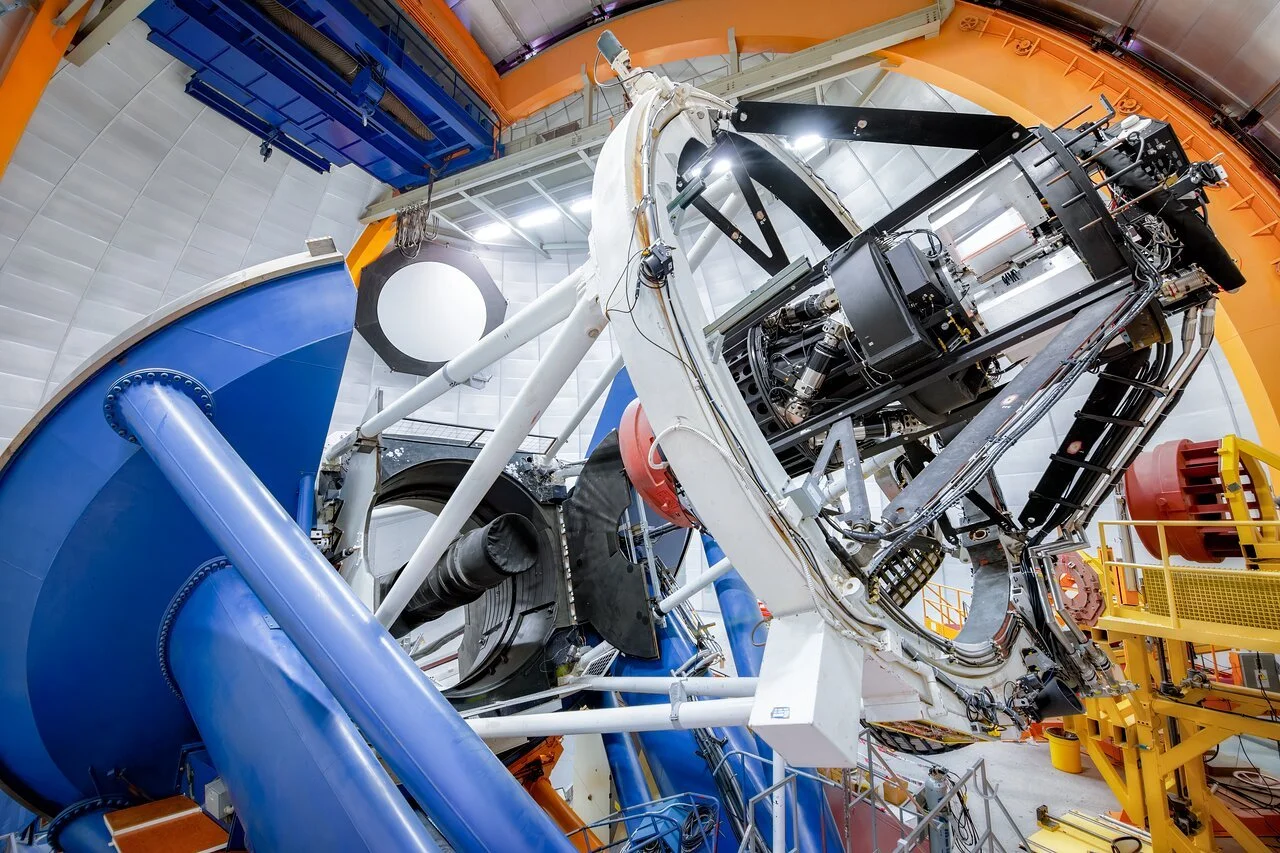
Tracing the Earliest Stars: A Guide to the DECam MAGIC Survey
The paper presents high-resolution observations of six extremely metal-poor stars selected with DECam MAGIC photometry, confirming the survey’s ability to identify ancient stellar fossils. One star, J0433−5548, is an ultra metal-poor, carbon-enhanced second-generation star likely enriched by a single Population III supernova. The stars’ chemical patterns and orbital motions link them to major Galactic structures, offering insights into the Milky Way’s early formation.
Revisiting a Classic Stellar Tool: How Calcium Light Reveals the Metal Content of Stars
This paper revisits the Calcium II Triplet method for measuring stellar metallicity, using updated data and modern Python-based analysis tools. By recalibrating CaT line strengths across a large sample of red giant stars and adding the Gaia G-band, the authors produce a more robust metallicity calibration. The new results improve accuracy, especially for metal-rich stars, and better suit large surveys in the Gaia era.
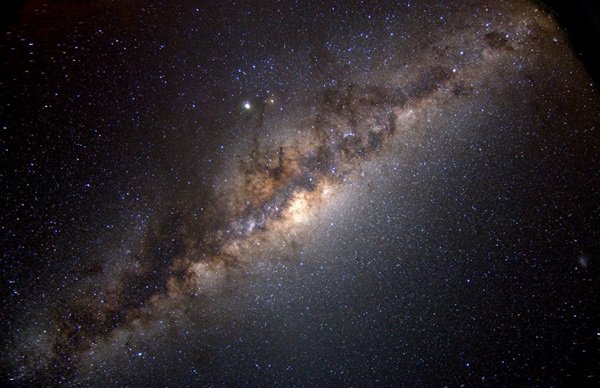
Building the Milky Way: How Gas, Chemistry, and New Telescopes Reveal Our Galaxy’s Hidden Structure
The paper reviews how gas in the Milky Way gathers and changes chemically to form stars, using (sub-)millimeter spectral lines to trace physical conditions from giant molecular clouds down to star-forming cores. It highlights limits of current surveys and argues that new facilities and layered Galactic Plane surveys are essential to fully understand mass assembly, star formation, and chemical complexity in our Galaxy
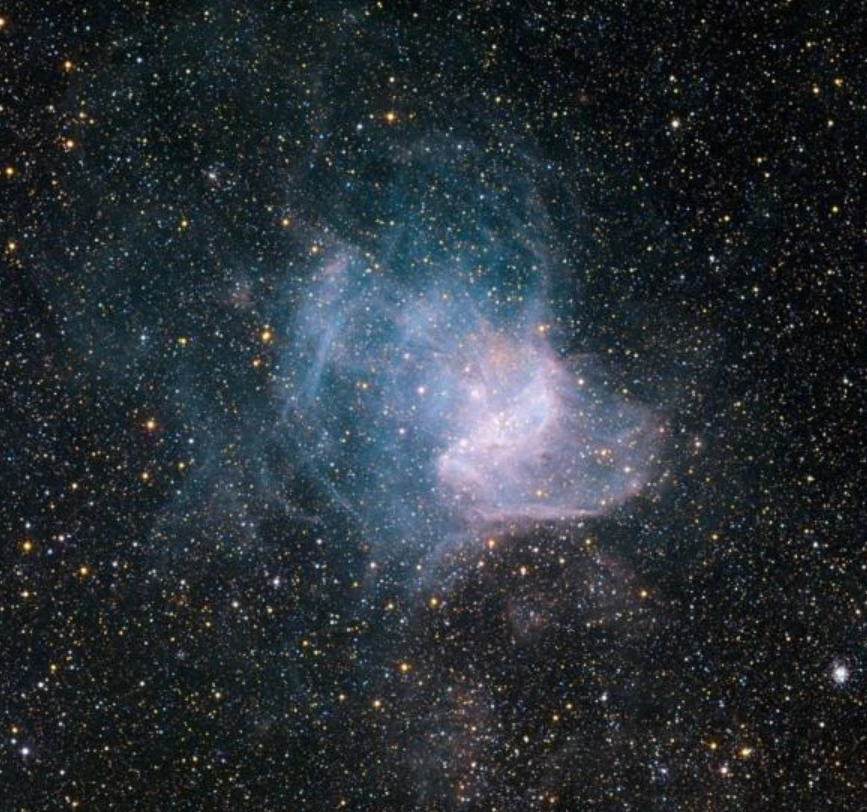
Tracing the Chemical DNA of the Small Magellanic Cloud’s Oldest Stars
The study analyzes 12 of the oldest stars in the Small Magellanic Cloud to trace how heavy elements formed early in the galaxy’s history. It finds that neutron-capture elements are dominated by the r-process, with large star-to-star variations caused by rare enrichment events and inefficient gas mixing. These patterns reflect the SMC’s slow star formation and distinct chemical evolution compared to the Milky Way.
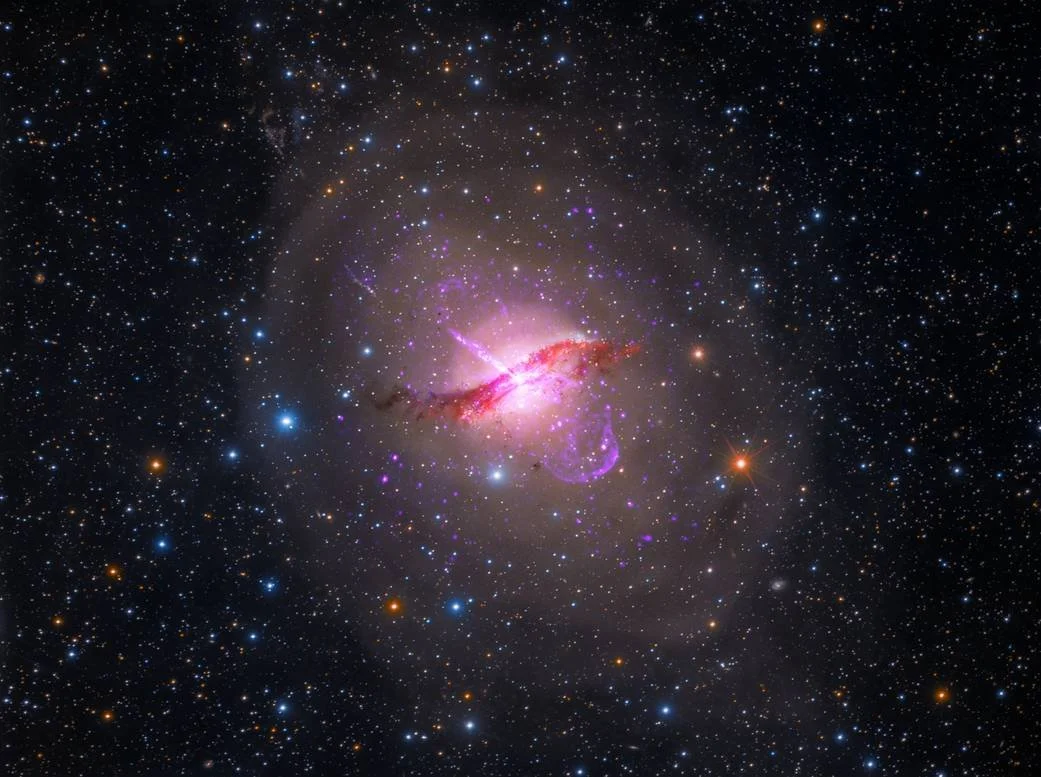
A High-Resolution Look at Cosmic Metals: What XRISM Reveals About the Centaurus Cluster Core
Using high-resolution XRISM/Resolve data, Mernier et al. measure the chemical composition of the Centaurus cluster core with unprecedented precision. Most element-to-iron ratios are close to solar, but nitrogen is enhanced and magnesium is depleted compared to the Solar System. These differences suggest that cluster cores may not share a universal chemical composition and reflect variations in stellar enrichment histories.
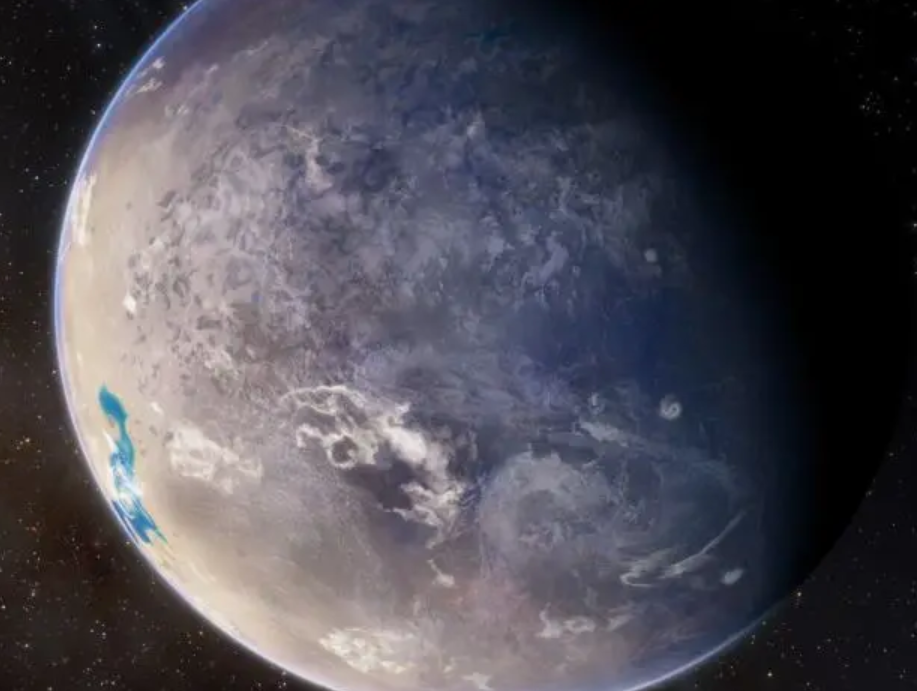
Heavy Atmospheres and Hidden Birthplaces: Tracing Where Giant Planets Form
This paper shows that many giant exoplanets are rich in heavy elements because they likely formed in the inner regions of their protoplanetary discs. There, inward-drifting pebbles evaporate and enrich the gas, which planets then accrete into their atmospheres. By matching simulations to observed planets, the authors link heavy element content and atmospheric composition to planetary birth locations.
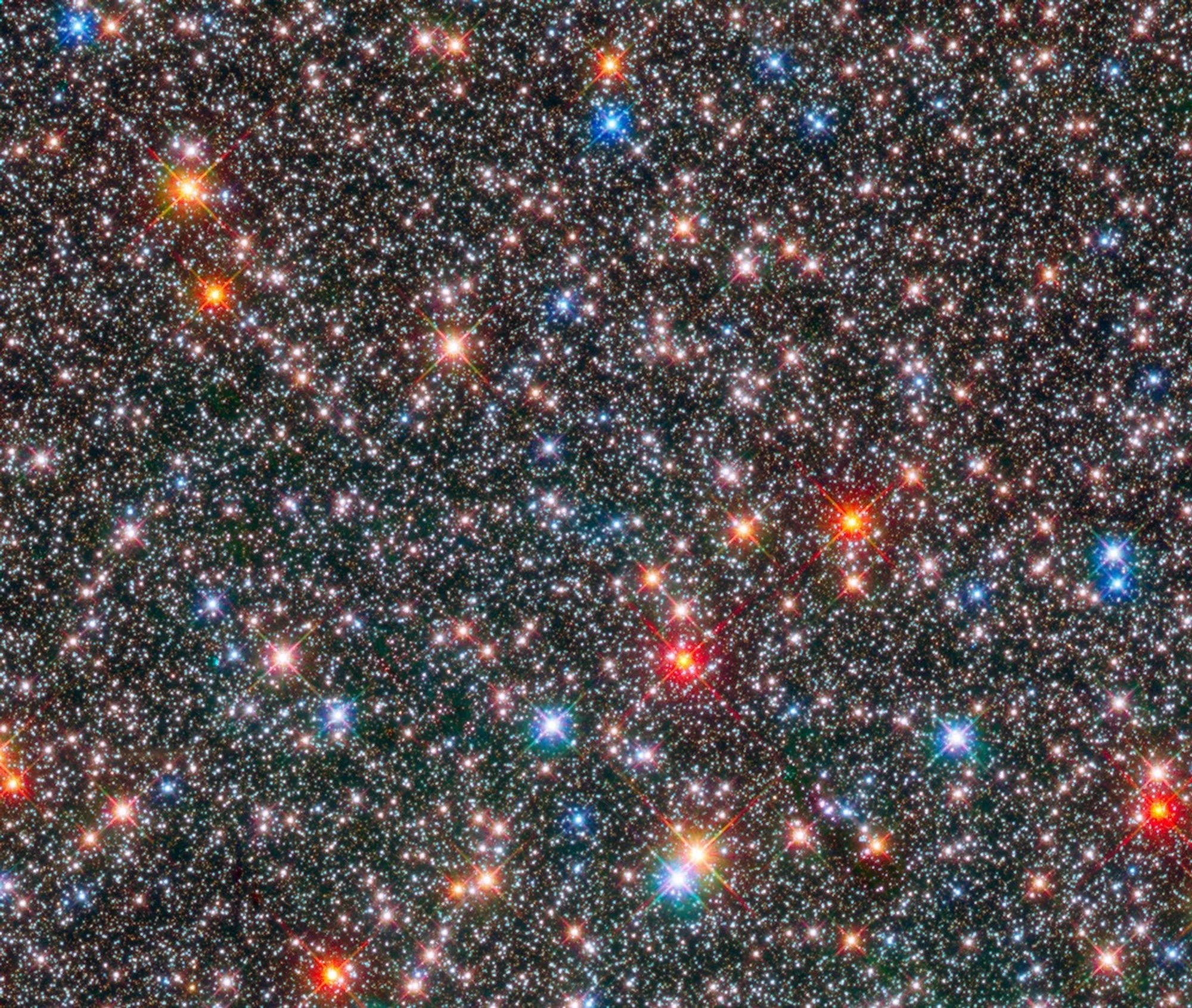
Revisiting the Two-Infall Model: How the Milky Way’s Bulge Formed in Two Acts
Miller et al. (2025) use over 30,000 chemical evolution models and machine learning to show that the Milky Way’s bulge formed in two major stages, a rapid early starburst followed by a slower, smaller second infall about 5 billion years later. This two-infall model explains the bulge’s bimodal metallicity and supports a composite origin involving both classical collapse and later bar-driven evolution.
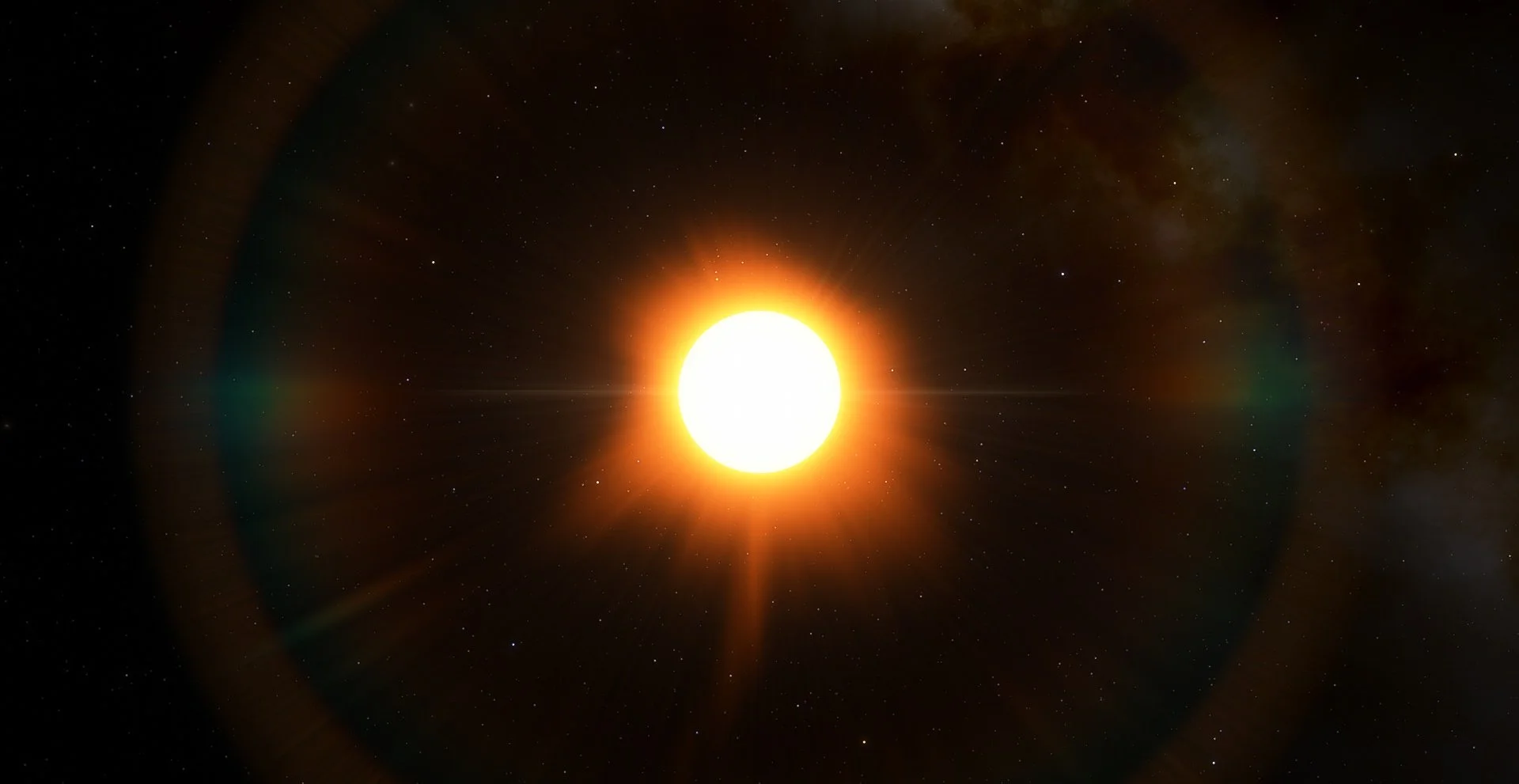
JEWELS: Reading the Chemical Fingerprints of Planet-Hosting Stars
The JEWELS survey presents precise chemical abundances for 20 FGK stars observed in JWST Cycle 2, enabling consistent comparisons between stellar compositions and exoplanet atmospheres. Sun and collaborators identify wide chemical diversity, including carbon-enhanced and α-rich stars, which may shape planet interiors and atmospheric chemistry. This uniform stellar dataset forms a foundation for linking JWST atmospheric measurements to planetary formation pathways.
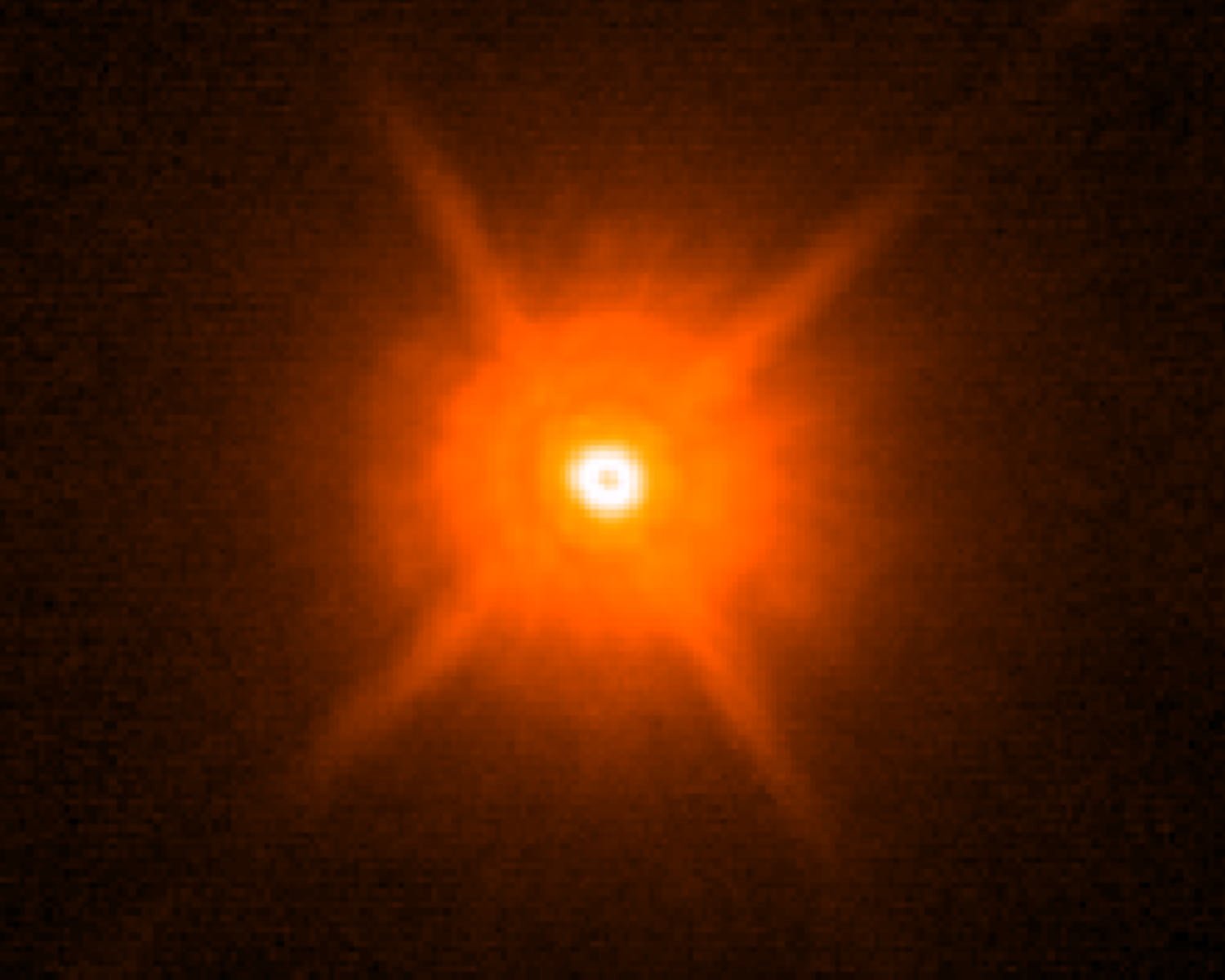
The Star That Reveals a Hidden Cosmic Process: SMSS J0224−5737 and the Weak r-Process
SMSS J0224−5737 is an extremely metal-poor star showing the strongest known weak r-process signature, with very high Sr, Y, and Zr but extremely low Ba and Eu. Its chemical pattern, including an unusually high zinc abundance, points to enrichment by a magneto-rotational supernova rather than a neutron star merger or electron-capture supernova. This makes the star a key probe of how the earliest heavy elements formed in the universe.
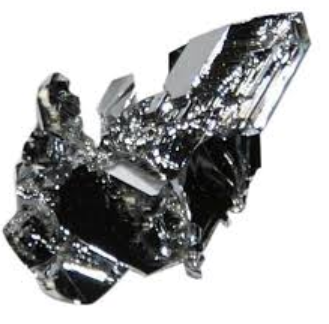
Unraveling the Origins of Molybdenum and Ruthenium in the Milky Way Disk
This study measures molybdenum and ruthenium in 154 giant stars in the Milky Way disk to better understand how these elements were produced. The authors find that both elements decrease in abundance relative to iron as stars become more metal-rich, matching trends seen in zirconium but not strontium. Their abundance ratios suggest that the s-process and r-process explain most observations, though additional contributions, such as the i-process or neutrino-driven winds, may still be needed to account for the remaining scatter.

Tracking Carbon Through the Milky Way: What the Stars Tell Us About How Carbon Forms
The paper investigates how carbon is produced in the Milky Way by comparing chemical evolution models with APOGEE observations of subgiant stars. The authors find that massive stars must produce more carbon at higher metallicity, while AGB stars contribute a delayed but significant fraction, about 10–40% of the Sun’s carbon. Their results suggest that current AGB models may underestimate carbon production from lower-mass, longer-lived stars.

Heavy Elements in a Swirling Storm: How Neutron Stars Inside Common Envelopes Forge the Universe’s Rarest Atoms
Anninos et al. model how a neutron star inside a common envelope can forge heavy elements as infalling gas heats, cools, and cycles through turbulent convection. Their simulations show that both r-process and rare p-nuclei can form, even in slightly proton-rich conditions, because high entropy and rapid expansion prevent neutrons from being fully locked into alpha particles. Some material escapes the star’s gravity, suggesting CE systems may contribute to the Universe’s heaviest elements.

Trading Oxygen for Iron: Rethinking How the Universe Built Its Stars
The paper argues that oxygen and iron trace galaxy evolution very differently because they form on different timescales. Using a new [O/Fe]–sSFR relation, the authors show that most stars formed with non-solar O/Fe, especially in the early universe. Their iron-based cosmic star formation history aligns with RR Lyrae, globular cluster, and GRB-host data, highlighting that models assuming solar abundance patterns often misrepresent real cosmic conditions.

Tracing the Chemistry of Massive Stars Before They Shine: A Tour Through High-Mass Star-Forming Regions
High-mass stars form in dense, distant, and fast-evolving environments that produce distinct chemical signatures. The chemistry progresses from simple, highly deuterated molecules in cold starless cores to rich complex organic molecules in warmer protostellar objects, then becomes dominated by ultraviolet-driven processes in H II regions. Upcoming ALMA and JWST observations are expected to clarify this chemical evolution and its implications for star and planet formation.

Learning the Chemistry of Stars Without Models: A New Way to Spot Unusual Stars
Theosamuele Signor and collaborators present a neural network that learns stellar chemical abundances directly from spectra without using theoretical models. Using a variational autoencoder, the model isolates chemical information for iron, carbon, and α-elements, successfully identifying unusual stars like CEMP and αPMP types. This data-driven, model-free approach could transform how astronomers study stellar chemistry and the Milky Way’s history.