

Exploring Moving Groups in Our Galactic Neighborhood
Liang et al. examined nine moving groups in our solar neighborhood using data from surveys like Gaia and APOGEE. By analyzing the groups’ positions, velocities, chemical properties, and ages, they discovered that these groups often formed from distinct star formation events, showing unique chemical and age profiles compared to surrounding stars. The study suggests that moving groups retain the characteristics of their formation environments, shaped by processes like gravitational effects and gas accumulation, offering valuable insights into the Milky Way’s evolution.

Unveiling the Hubble Constant: A New Approach with Blue Supernovae
SNe Ia are used as standard candles for measuring distances in the universe, but dust in galaxies can cause their light to appear dimmer, leading to errors in calculations like the Hubble constant (H₀). Gall and her team suggest focusing on blue SNe Ia, which are less affected by dust and therefore offer a more accurate measure of brightness. This approach helps avoid the complications of dust extinction corrections, potentially leading to a more reliable measurement of H₀.

Exploring Uranus at New Angles: Insights from New Horizons' Observations
Samantha Hasler and colleagues analyzed unique high-phase-angle observations of Uranus captured by New Horizons in 2010, 2019, and 2023, revealing insights into Uranus’s energy balance and atmospheric characteristics. They found that Uranus’s brightness varies minimally across its surface and appears darker in certain filters than models predicted, suggesting limited large-scale atmospheric features. These observations, complemented by Hubble and amateur astronomer data, provide valuable benchmarks for future studies of ice giants, including distant exoplanets observed at similar angles.
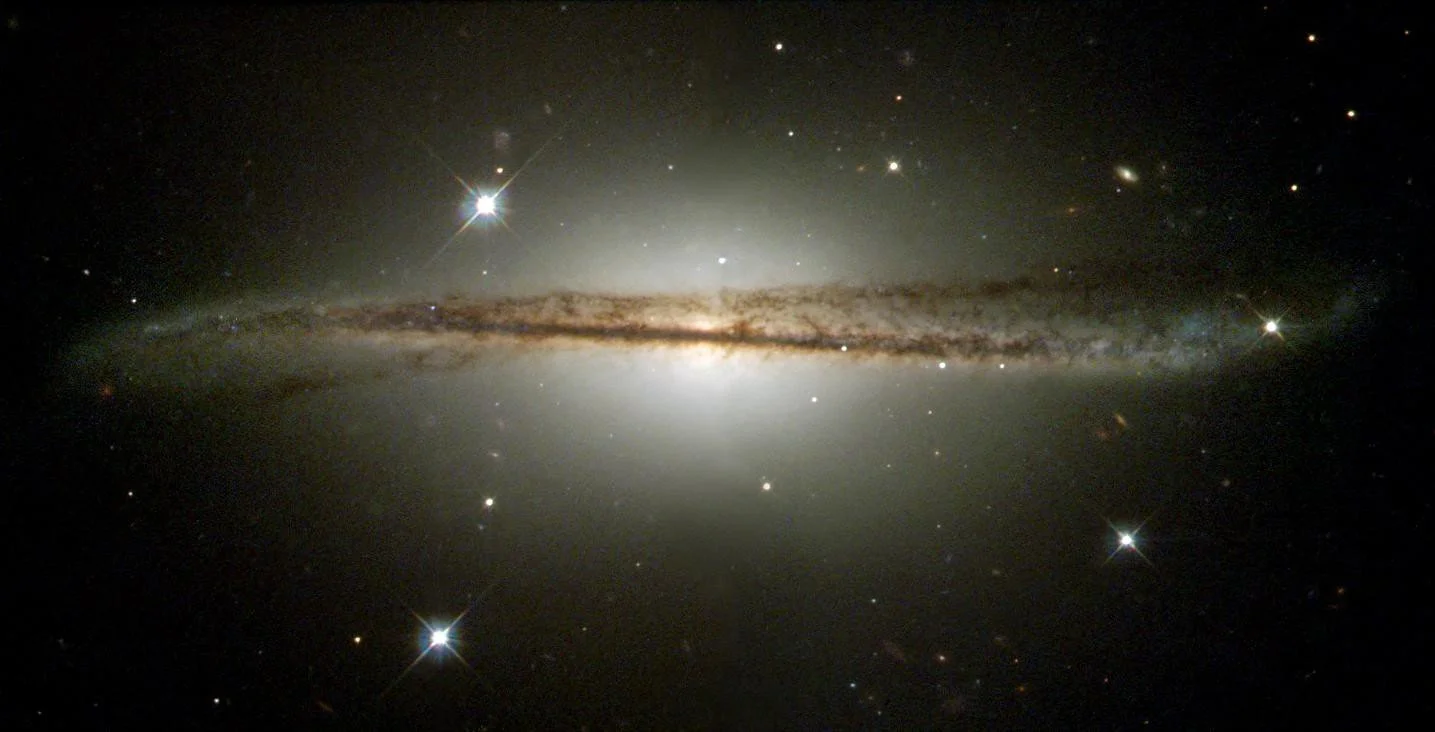
Understanding Galactic Disc Warps: The Influence of Dark Matter and the Sagittarius Dwarf Galaxy
This paper by James Binney explores why spiral galaxies, like the Milky Way, often have warped outer discs. By revisiting and updating earlier models, Binney shows how galactic warps form and evolve, especially under the influence of the Sagittarius Dwarf Galaxy's gravitational pull during close encounters. His model suggests that these interactions cause the Milky Way’s disc to warp temporarily, gradually winding into spiral patterns. This work highlights that such warps provide insight into the dark matter halo’s density and shape, offering a new understanding of galactic dynamics and structure.

Tracing the Chemical Fingerprints of Early Stars through Elemental Patterns in the Milky Way
This study examines the chemical evolution of elements like carbon, nitrogen, oxygen, and lithium in 52 metal-poor giant stars in the Milky Way’s halo to understand the early Galaxy’s chemical history. By analyzing patterns in “mixed” and “unmixed” stars, the researchers found that mixed stars show evidence of internal processes altering their elemental composition, while unmixed stars retain the chemical signature of the early Galaxy. Lithium detection in some stars supported this classification, and stellar rotation was identified as a crucial factor in explaining observed nitrogen levels.
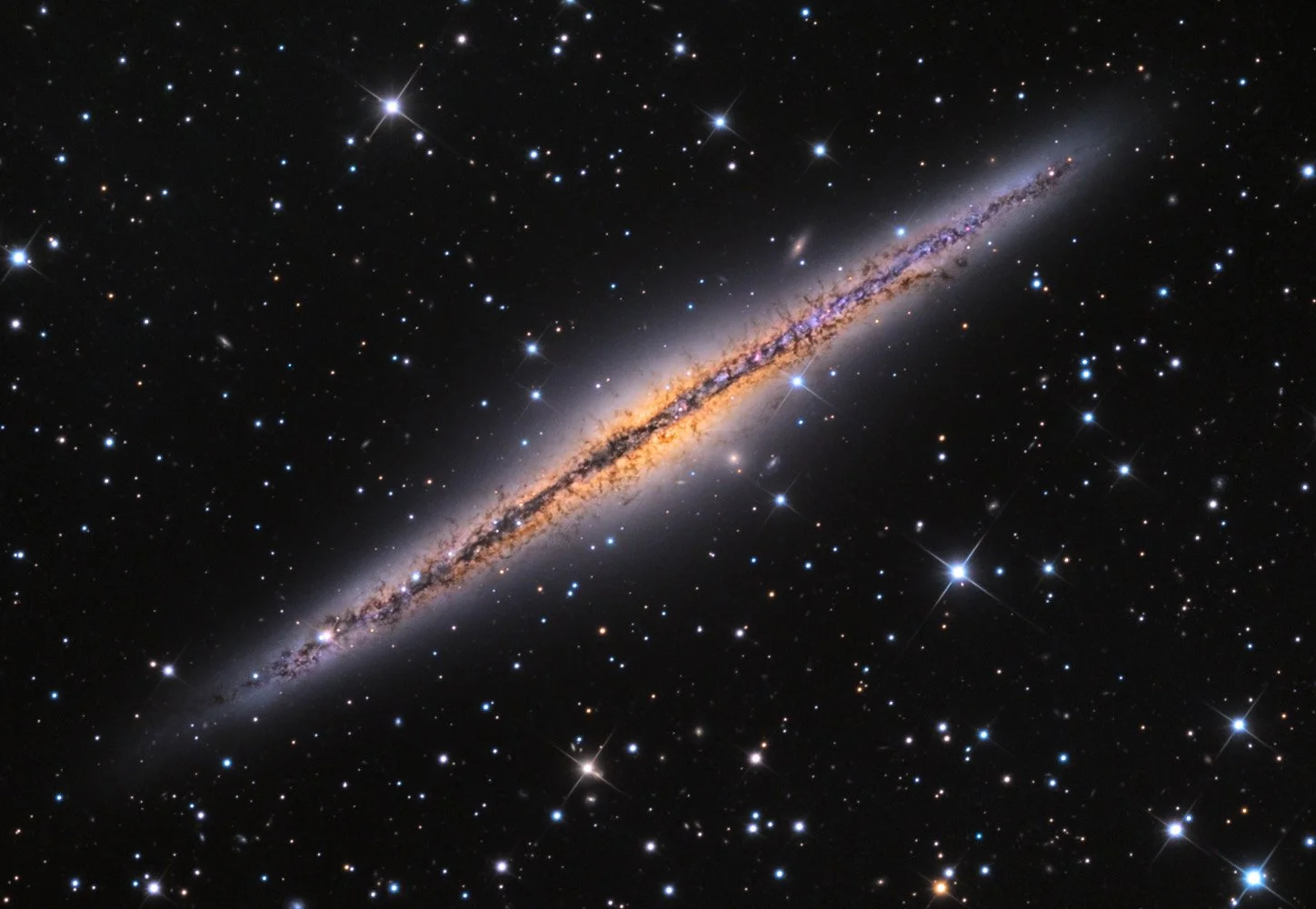
Exploring Galactic Sub-Structures: A Look into the GECKOS Survey of Edge-On Galaxies
The GECKOS Survey examines edge-on, Milky Way-like galaxies to understand the structures and kinematics within them, focusing on features like boxy-peanut bulges and bars. Using high-resolution imaging and the nGIST pipeline for data analysis, researchers identified diverse kinematic patterns and evidence of nuclear discs, revealing how these sub-structures influence galaxy shape and evolution. The findings suggest that kinematic mapping provides a richer view of galaxy morphology than imaging alone, supporting a complex, modern understanding of galactic structure.

Investigating the Milky Way’s Thin Disk Evolution Through Solar Twins
The study by Anastasiia Plotnikova investigates the chemical evolution of the Milky Way’s thin disk by analyzing solar twins—stars similar to the Sun. Using high-resolution spectroscopy, the team examined the age-metallicity relationship (AMR) and found no evidence for a split into distinct populations, challenging previous studies. They suggest that radial migration and galaxy mergers, like the Gaia-Enceladus/Sausage event, significantly shape the disk’s chemical composition, indicating a more continuous, smooth evolution of the thin disk than previously thought.

Exploring Diverging Worlds: The Habitability of Venus, Earth, and Mars
Stephen R. Kane and colleagues explore why Earth supports life while Venus and Mars do not by examining their atmospheres, geology, and solar influences. Earth’s stability stems from processes that balanced its climate, supporting liquid water and life. Venus, with a runaway greenhouse effect, and Mars, which lost its atmosphere, exemplify extreme planetary conditions. Their findings offer insights into the “habitable zone” and guide the search for life on exoplanets using Venus, Earth, and Mars as models of diverse evolutionary paths.
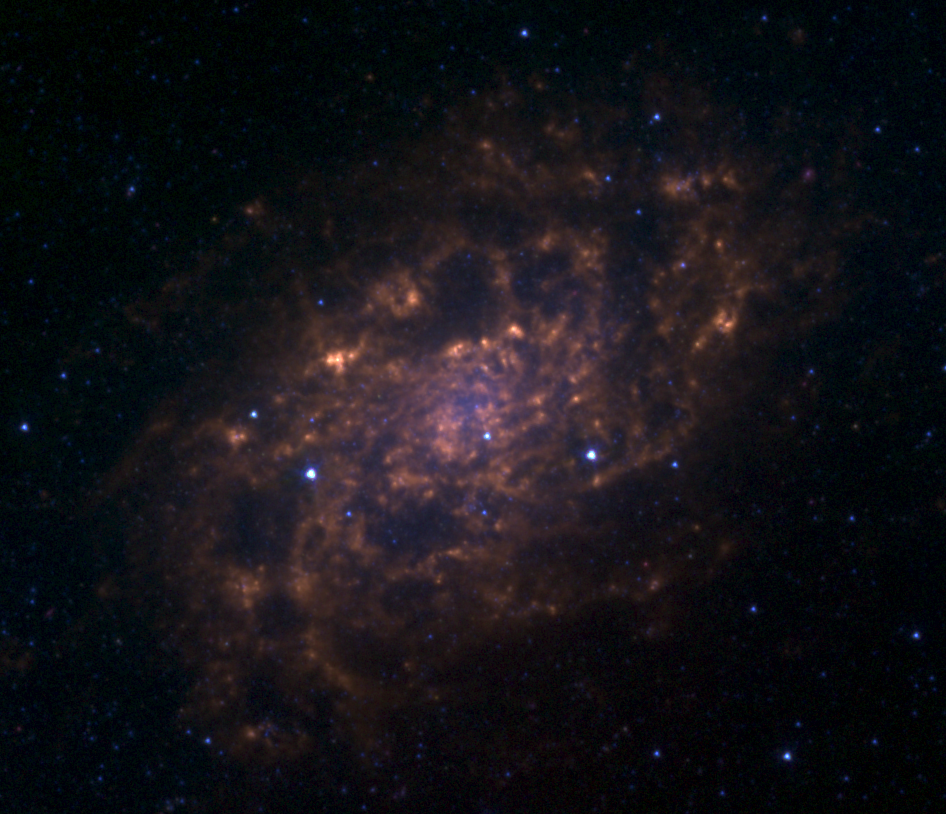
Discovering Dwarf Galaxy Satellites: The Satellite Census of NGC 2403
Jeffrey L. Carlin and his team studied the dwarf galaxies around NGC 2403, an LMC-sized galaxy, as part of the MADCASH survey. Using deep imaging, they identified two true satellite galaxies, DDO 44 and MADCASH-1, and confirmed their detection sensitivity for galaxies as faint as -7.5 magnitude. Their findings align with theoretical predictions and offer a foundation for understanding satellite galaxy populations around galaxies like NGC 2403, paving the way for future surveys to reveal more faint, distant dwarf galaxies.

Formation of Star Clusters and Black Holes in the Early Universe: Insights from High-Redshift Galaxies
Lucio Mayer and colleagues used high-resolution simulations to investigate the formation of ultra-compact star clusters and massive black holes in early galaxies at redshifts greater than 7. They found that dense, gas-rich disks in these galaxies could fragment, rapidly forming compact star clusters with extreme stellar densities. The team suggests that these clusters could generate intermediate-mass black holes, which would then merge to form supermassive black holes, explaining the overmassive black holes observed by JWST in the early universe.
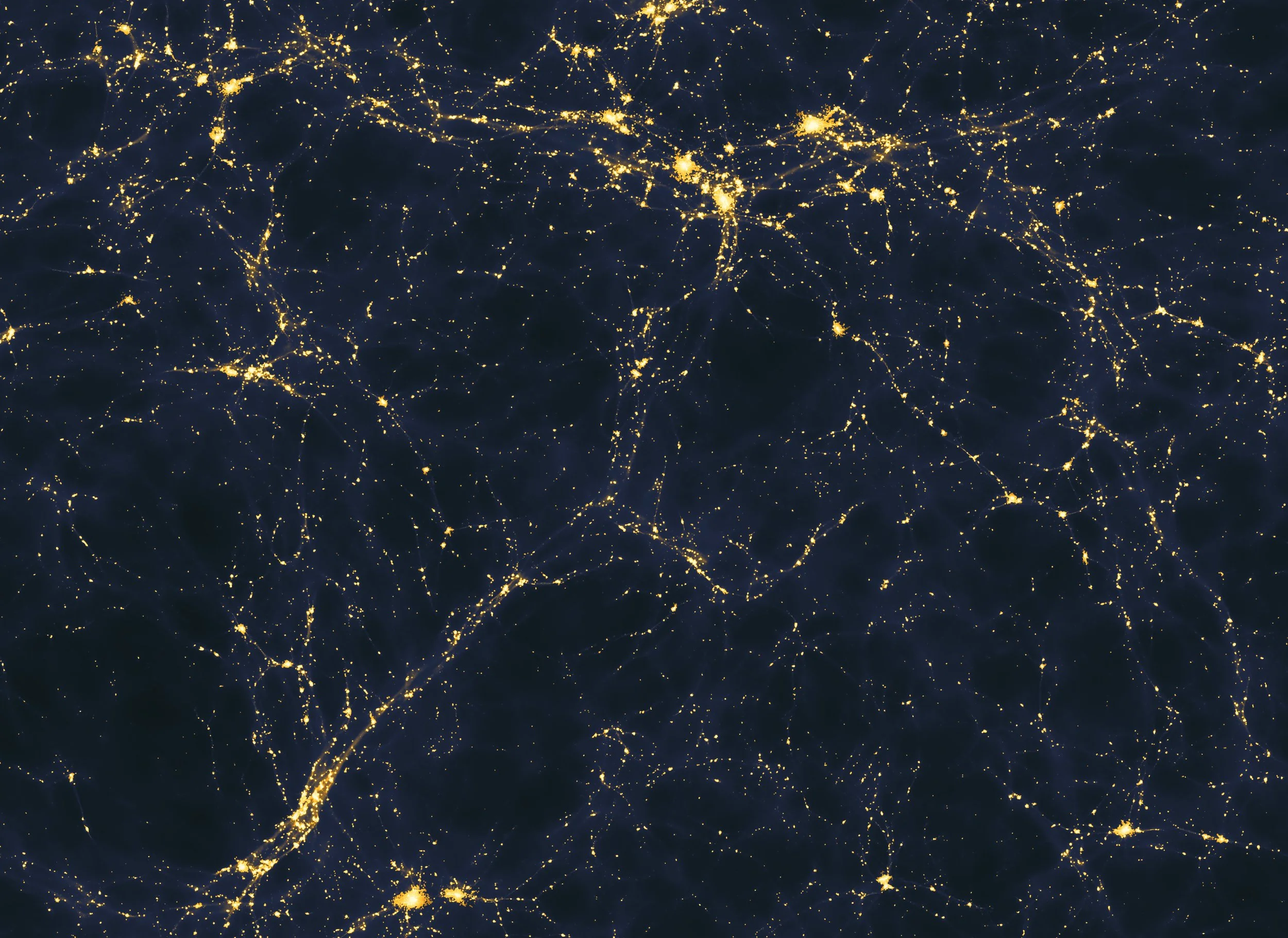
Mapping the Gravitational Wave Background: Unveiling Cosmic Structures with Black Hole Mergers
This study by Semenzato and colleagues investigates how gravitational waves from supermassive black hole binaries might reveal patterns in the universe's large-scale structure (LSS). Using simulations, they show that filtering out loud sources uncovers a gravitational wave background (GWB) that aligns with galaxy clustering, suggesting that the GWB could serve as a cosmic map of LSS. They conclude that cross-correlating GWB maps with galaxy distributions in future pulsar timing array experiments could offer unique insights into the structure of the universe and the distribution of dark matter.

Building a Window into the Galaxy: Designing a Home Radio Telescope for Detecting 21 cm Hydrogen Emission
Phelps’ study outlines the design of a low-cost, home-built radio telescope capable of detecting the 21 cm hydrogen line, allowing for the observation of neutral hydrogen distribution and motion within the Milky Way. By measuring Doppler shifts, the setup captures velocity data for hydrogen clouds, revealing details about the galaxy's structure and rotational dynamics. Through effective signal processing and interference reduction, this project makes advanced galactic observations accessible to amateur astronomers, helping map the motion of hydrogen gas in the Milky Way's spiral arms.

Tracing the Origins of ω Centauri: A Chemical and Orbital Investigation of Globular Clusters
This study explores ω Centauri’s origins by analyzing the chemical compositions and orbits of similar globular clusters, suggesting they may all stem from a common progenitor—an ancient dwarf galaxy disrupted by the Milky Way’s gravitational forces. Using data from the APOGEE catalog and advanced modeling techniques, six clusters were identified with chemical abundances and metallicity distributions closely matching ω Centauri. Their orbital characteristics further support an accretion origin, contributing to the understanding of how interactions with smaller galaxies have shaped the Milky Way.
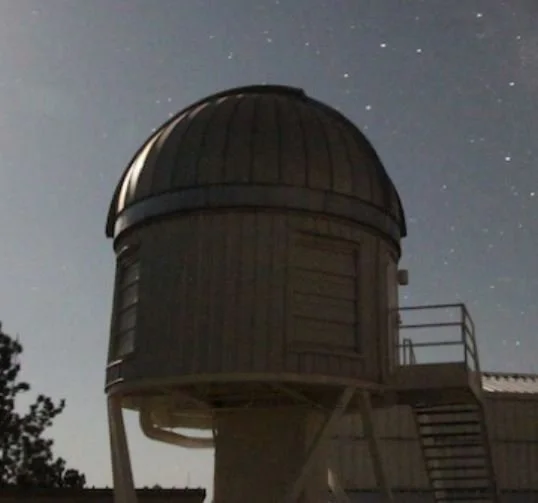
Unraveling the Galactic Halo: Identifying Components in the Milky Way’s Stellar Halo
Elliot Y. Davies and his team used a method called Non-negative Matrix Factorization (NMF) to separate the Milky Way’s stellar halo into distinct components based on chemical and spatial data. They identified both in-situ (formed within the Milky Way) and accreted (originating from other galaxies) stars, revealing that the inner halo is dominated by in-situ stars, while accreted stars prevail in the outer regions. Unique structures, such as "Eos" and "Aurora," suggest complex interactions between accreted and in-situ material, reflecting the galaxy's intricate formation history. This study sheds light on how the Milky Way evolved through both internal processes and mergers.

Mapping the Milky Way: New Metallicity Estimates for 100 Million Stars Using Gaia Colors
Bowen Huang and colleagues developed a method to estimate metallicity for 100 million Milky Way stars using synthetic colors from Gaia’s photometric data, achieving a precision comparable to spectroscopic measurements. By applying corrections for dust and brightness variations, they created a catalog that reveals metallicity distributions across the galaxy. This large dataset enables astronomers to study the chemical evolution of the Milky Way and identify candidates for detailed follow-up, marking a significant advance in using photometric data for stellar analysis.
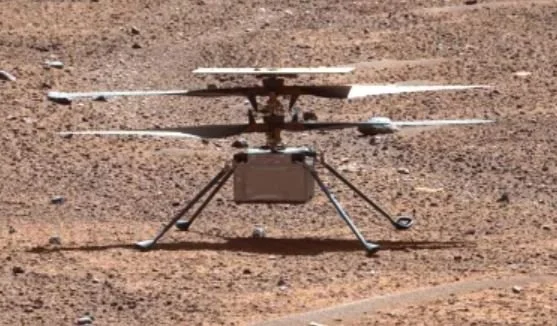
Exploring Martian Winds with Ingenuity: The First Near-Surface Wind Profiling on Mars
The Mars Ingenuity helicopter has been repurposed to study near-surface winds, providing unprecedented data on wind speeds and directions at altitudes between 3 and 24 meters. Ingenuity’s telemetry data, analyzed by Brian Jackson's team, showed winds significantly stronger and sometimes in different directions than predicted by Mars climate models, suggesting complex local wind dynamics influenced by terrain around Jezero Crater. These findings highlight the potential of drones to deepen understanding of Martian atmospheric layers and improve future exploration models and planning.
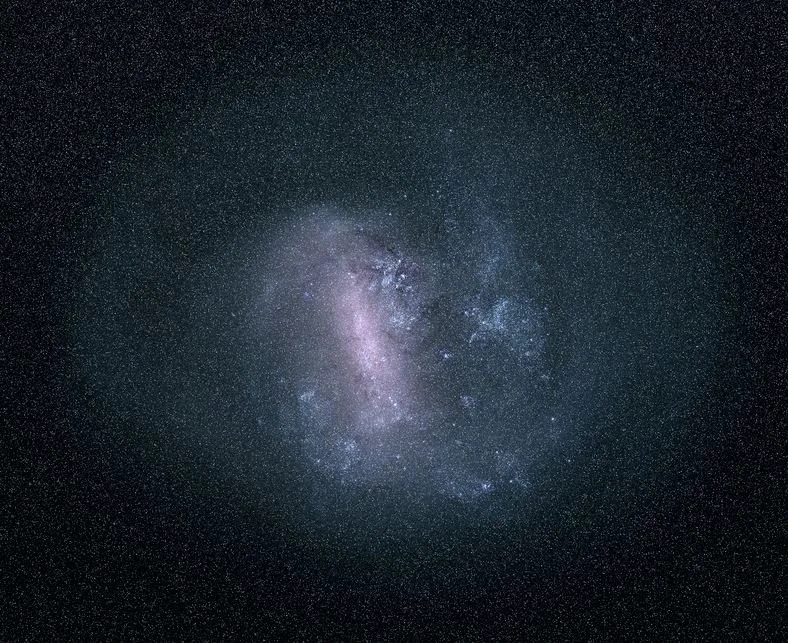
Mapping the LMC Bar: A Closer Look at the Structure of a Neighboring Galaxy
Himansh Rathore and colleagues used Gaia DR3 data to map the unusual structure of the Large Magellanic Cloud's (LMC) central bar. They addressed crowding issues that hinder star counts in dense regions by developing a “completeness map” to correct for missing stars. With this method, they measured the bar’s position, size, and orientation precisely, finding it to be offset from the galaxy’s center. Their findings support the idea that recent interactions with the Small Magellanic Cloud (SMC) likely influenced the LMC’s unusual bar structure. This technique could also help study other crowded galaxy systems.

Investigating the Orbit of a Potential 'Planet X' in the Outer Solar System
Siraj and colleagues explore the possibility of a hidden "Planet X" in the outer Solar System by analyzing clustering patterns in the orbits of distant trans-Neptunian objects (TNOs). They find statistically significant clustering that may indicate the gravitational influence of an unseen planet with around 4.4 Earth masses, located approximately 290 AU from the Sun. Their simulations suggest that this hypothetical planet could be detected by future surveys, especially the upcoming Vera C. Rubin Observatory, which could confirm the existence of Planet X.
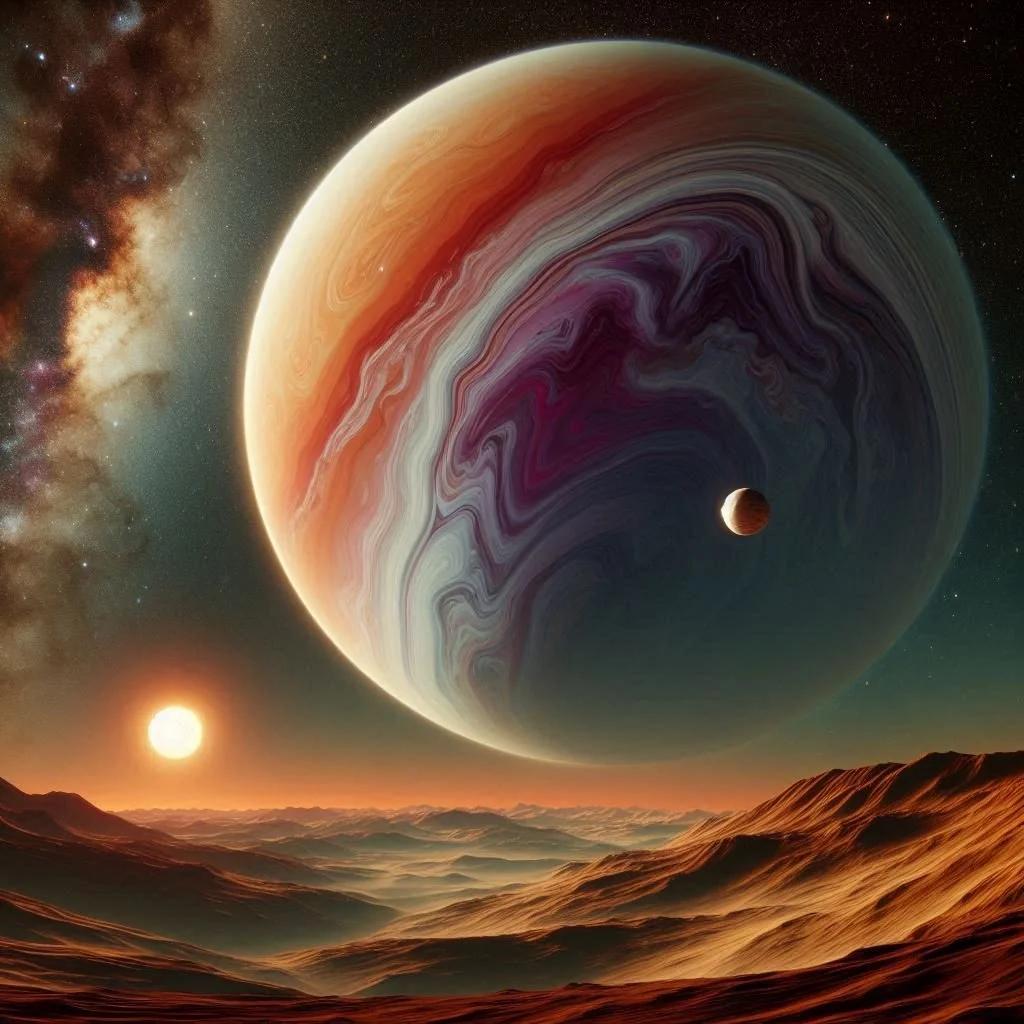
Exploring Exoplanet Atmospheres: Low-Resolution Spectroscopy of Three Hot Jupiters with the Himalayan Chandra Telescope
This study used the Himalayan Chandra Telescope to perform transmission spectroscopy on three hot Jupiters, HAT-P-1b, WASP-127b, and KELT-18b, marking the first time this telescope was used for such analysis. The team observed Rayleigh scattering in the atmospheres of HAT-P-1b and WASP-127b, suggesting hazy atmospheres, while KELT-18b showed a relatively featureless spectrum. By combining ground-based data from HCT with space-based infrared observations, the researchers improved their atmospheric models, demonstrating the potential of smaller telescopes in exoplanet studies.
Unveiling the Origins of the Leiptr Stellar Stream: A Disrupted Ultra-Faint Dwarf Galaxy?
The study by Kaia R. Atzberger and team analyzes the chemical composition of stars in the Leiptr stellar stream, suggesting it originated from a low-mass dwarf galaxy, not a globular cluster as previously thought. By examining the abundances of elements like iron, magnesium, and barium, the researchers found variations consistent with ultra-faint dwarf galaxies. This supports the idea that Leiptr is a remnant of one of the smallest and earliest galaxies that merged with the Milky Way.