

Mapping the Milky Way's DNA: Stellar Parameters and Chemical Abundances Unveiled with S-PLUS
The S-PLUS survey analyzed 5 million Milky Way stars, estimating atmospheric parameters and chemical abundances using machine learning on multi-band photometric data. Neural networks outperformed random forests in accuracy, revealing trends like [Mg/Fe] bimodality and robustly mapping stellar properties. This cost-effective, scalable approach complements spectroscopy, offering new insights into Galactic evolution and paving the way for broader stellar population studies.

Unveiling the Secrets of Metal-Poor Stars: Tracing Single Supernova Enrichment
Yutaka Hirai and colleagues used simulations to study mono-enriched stars, which form from a single supernova's ejecta. They found these stars are rare, with higher fractions at lower metallicities, and mostly form early in a galaxy's history near its center. This work provides new insights into early star formation and nucleosynthesis, with future observations expected to confirm these predictions.
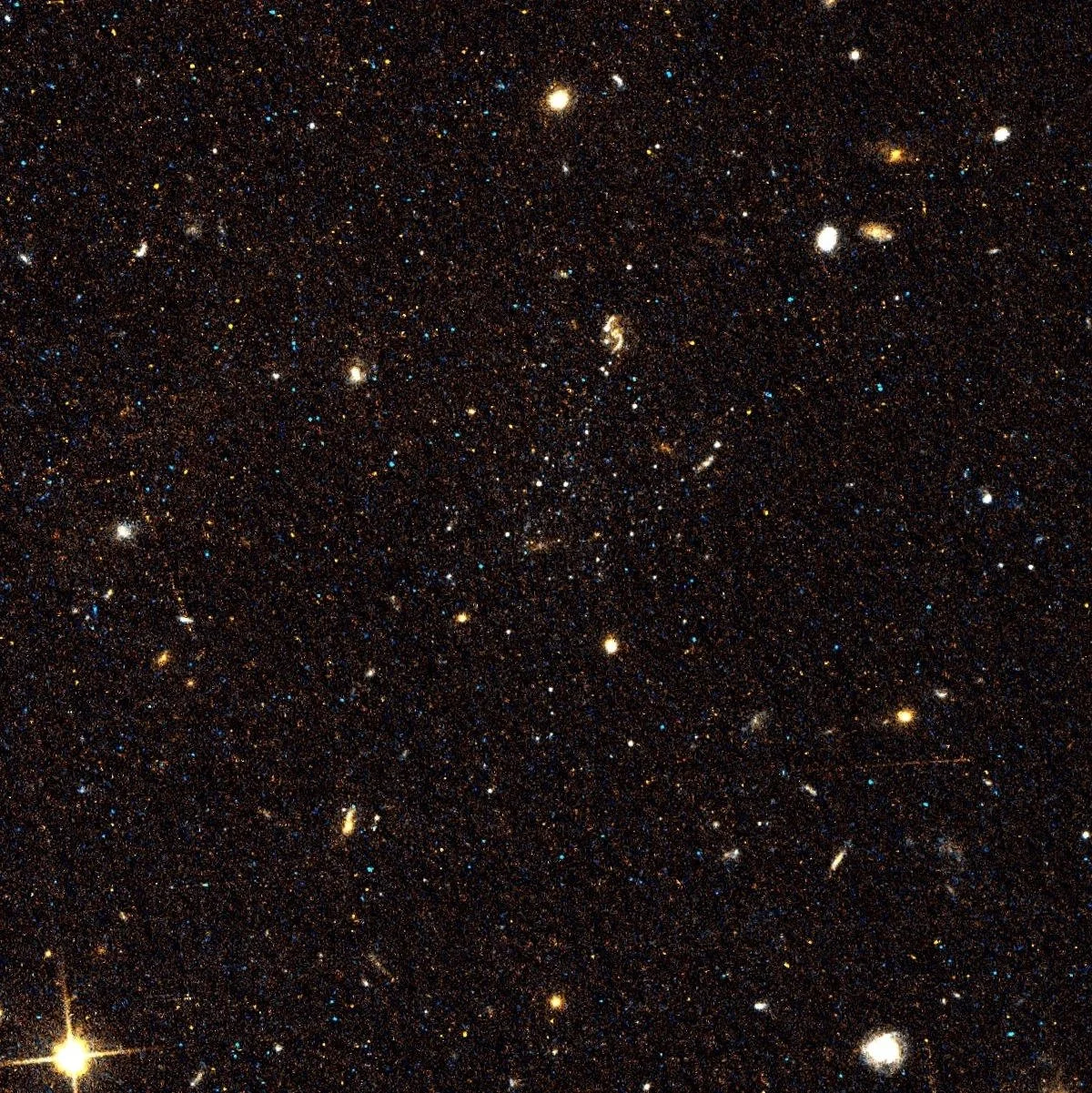
Understanding Star Formation and Metal Enrichment in Ultra-Faint Dwarf Galaxies
The study explores how different Initial Mass Function (IMF) sampling methods affect star formation and metal enrichment in Ultra-Faint Dwarf (UFD) galaxies using simulations. The researchers find that the individual IMF sampling method produces more continuous star formation, higher stellar masses, and greater metallicities compared to the burst and stochastic models. The results emphasize the importance of accurate IMF modeling for understanding UFD galaxies' evolution and alignment with observed properties.

Decoding WASP-43b: Exploring Water in a Distant Gas Giant's Atmosphere
Scientists studied the atmosphere of the hot Jupiter WASP-43b using high-resolution spectroscopy, detecting water with a precise abundance measurement. Other molecules like methane and carbon dioxide were not found, and the carbon-to-oxygen ratio was constrained to less than 0.95. The findings align with prior observations from JWST, supporting a clearer day side and cloudy night side. Future telescopes may uncover more details about the planet's atmospheric composition.
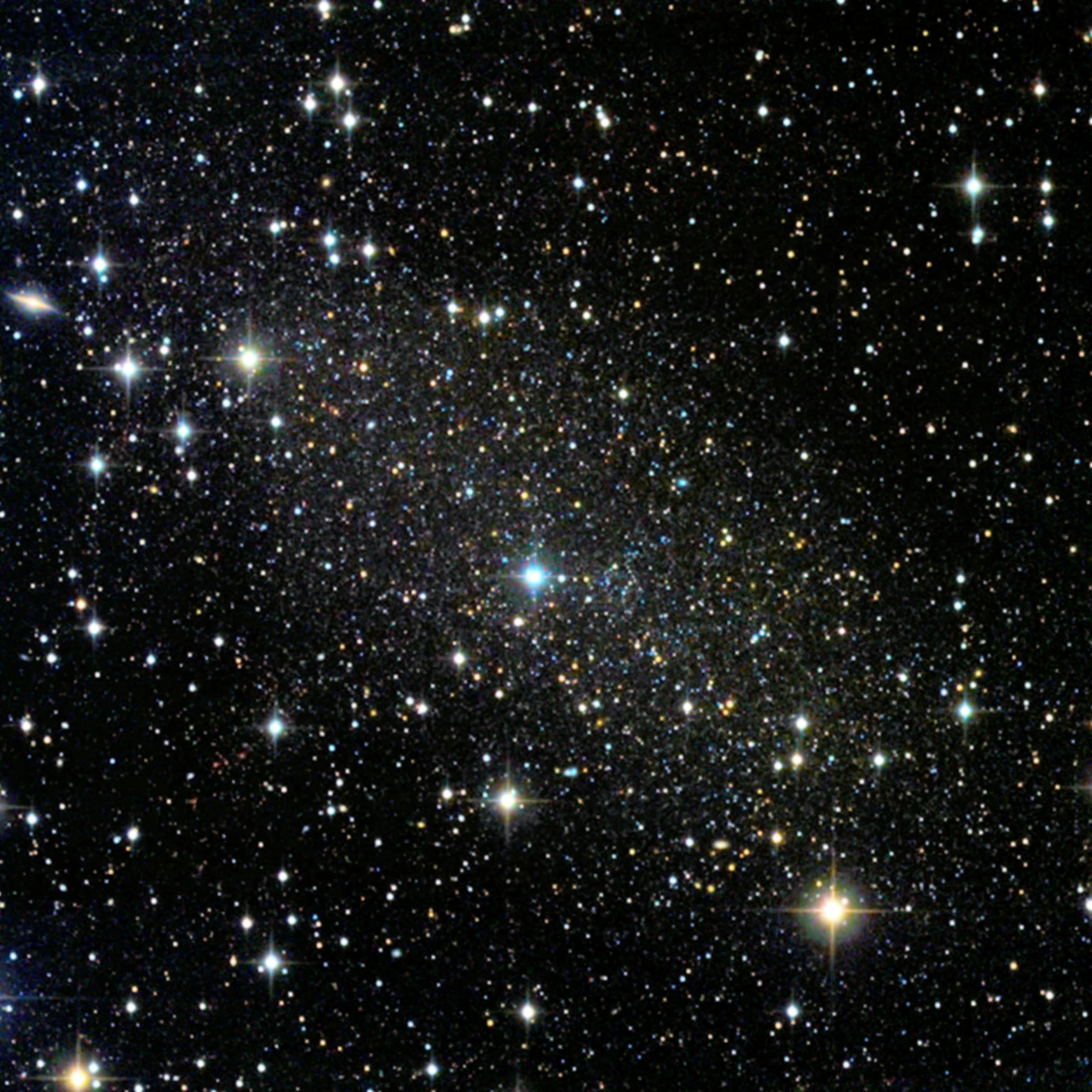
Unveiling the Structure of Milky Way Satellite Planes: Exploring Planarity in a Cosmic Context
The study introduces "planarity" to assess the alignment of Milky Way satellite galaxies, finding significant positional but inconclusive kinematic coherence due to velocity data errors. Simulations reveal that such planarity is common and kinematically supported in MW-like galaxies, aligning with the ΛCDM model. This suggests satellite planes are shaped by cosmic web structures and are consistent with hierarchical galaxy formation theories.
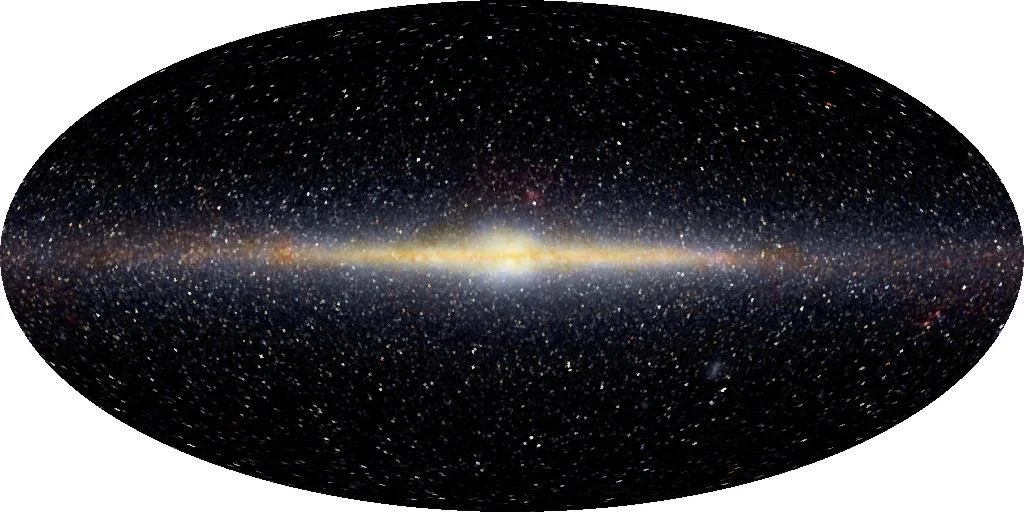
Revealing the Milky Way: Mapping the Stars and Their Movements Using the APOGEE Survey
Khoperskov and collaborators used APOGEE DR17 data and a novel orbit superposition method to map the Milky Way's stellar disc, revealing detailed chemo-kinematic structures. They identified distinct high-α (older, centrally concentrated) and low-α (younger, extended) star populations, supporting an inside-out galaxy formation model. The study highlights a complex disc evolution involving radial migration and an inner-outer disc dichotomy, offering new insights into the Milky Way's history.
What Happens When Giant Stars Encounter Black Holes? Understanding Partial Tidal Disruption Events
Giant stars undergoing Partial Tidal Disruption Events (PTDEs) near black holes lose parts of their envelopes but retain their dense cores. These remnants quickly re-expand into giant-like structures, often brighter than stars of similar mass. Repeated PTDEs gradually strip more mass, creating lighter giants without significantly altering their lifetimes. Observing such remnants near galactic centers could reveal past black hole activity and stellar dynamics.

Exploring the Origins of the Milky Way: Insights from Metal-Poor Stars
Metal-poor stars are ancient remnants of the early universe, formed from gas enriched by the first stars. Their low metallicity reveals insights into early chemical processes, star formation, and galaxy evolution. Found across the Milky Way and its satellites, they are studied using spectroscopy to uncover their diverse chemical histories, including carbon enhancement and neutron-capture processes. These stars serve as vital tools for exploring the universe's origins and the Milky Way's formation.
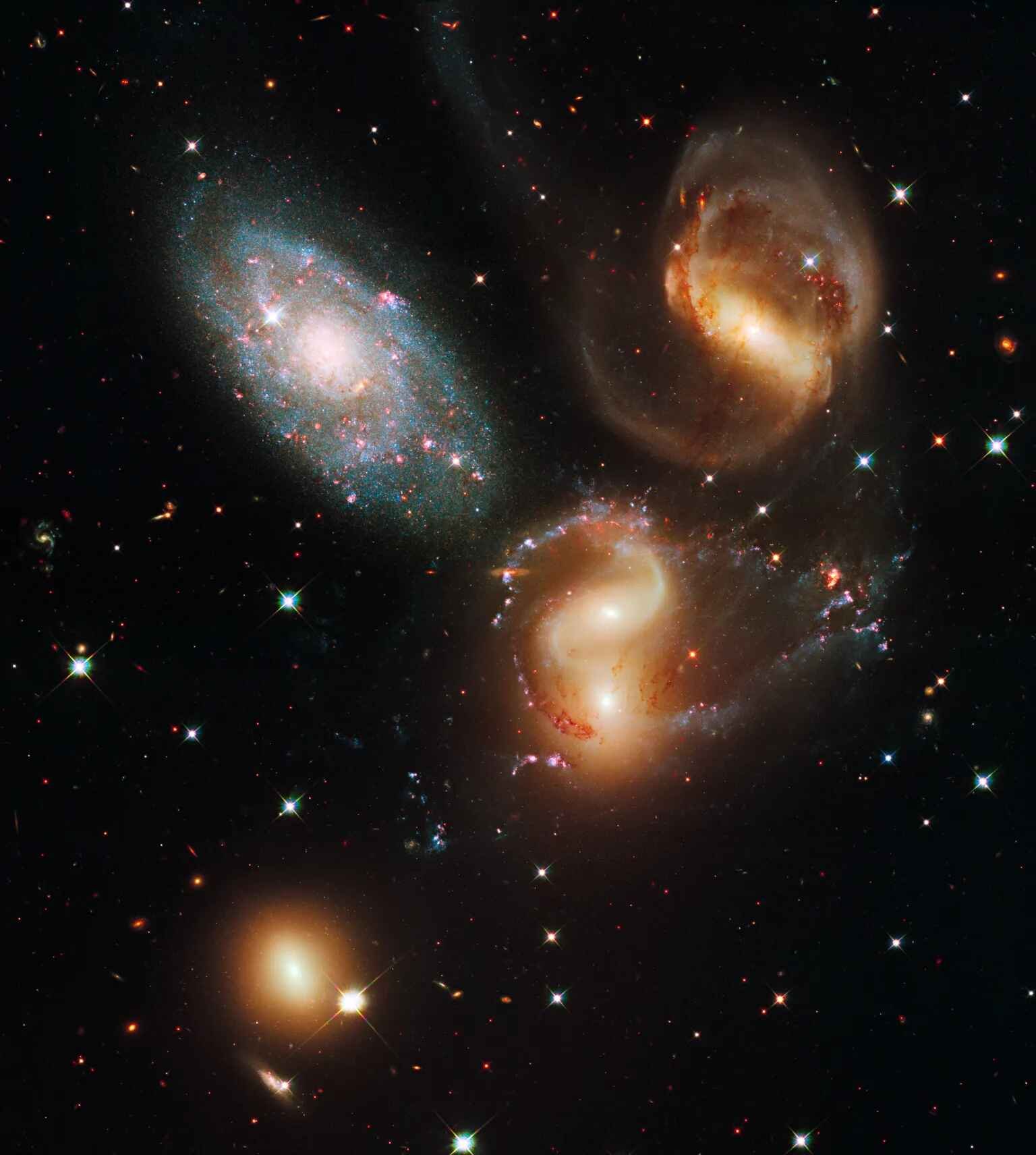
Finding the Origins of a Galactic Collision: Shock Dynamics in Stephan’s Quintet
The study examines the large-scale shock front in Stephan's Quintet, formed by galaxy collisions, using data from WEAVE, JWST, and radio telescopes. It reveals the shock's role in heating the intergalactic medium, boosting radio emissions, and allowing molecular hydrogen formation despite dust destruction. The findings highlight the complex interactions between shocks, gas, and dust, offering insights into how galactic collisions impact star formation and interstellar matter.

Unveiling the Chemical Map of the Milky Way’s Thin Disc
The study examines metallicity gradients in the Milky Way's thin disc using GALAH and Gaia data. It finds a consistent negative metallicity gradient, reflecting inside-out Galactic growth, with minimal impact from radial orbital variations. Younger stars show steeper gradients, indicating ongoing enrichment, while older stars’ gradients are shaped by long-term dynamics. The findings align with Galactic evolution models.
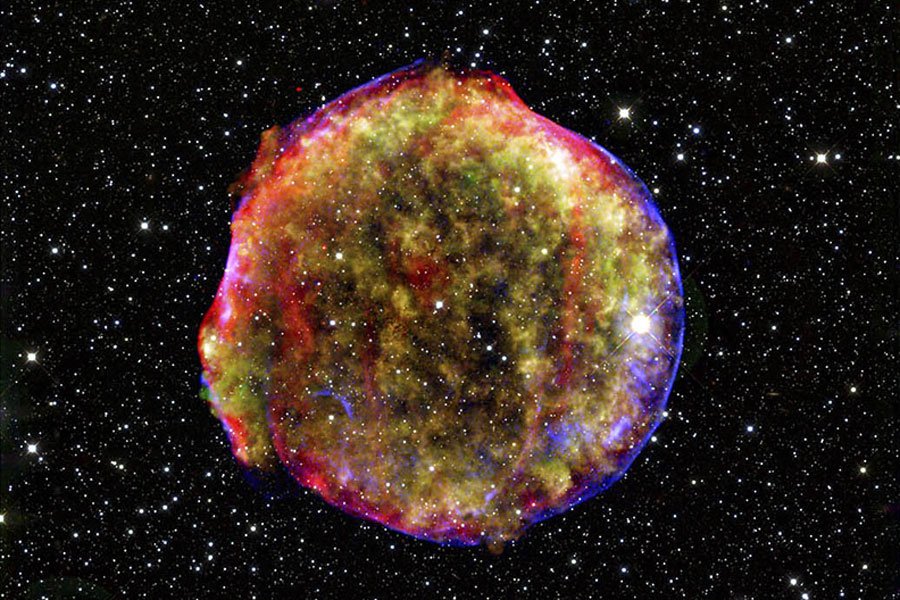
Knowing the Hubble Tension: A Historical Perspective on Cosmic Measurements
The study by Martín López-Corredoira examines the historical underestimation of errors in Hubble constant (H0) measurements, revealing persistent tensions often misinterpreted as significant anomalies. Recalibrating probabilities, the study finds modern "Hubble tension" aligns with historical trends, driven by systematic errors and sociological groupthink. The work emphasizes cautious interpretation of discrepancies and the need to challenge dominant narratives in cosmology for a broader understanding of cosmic phenomena.
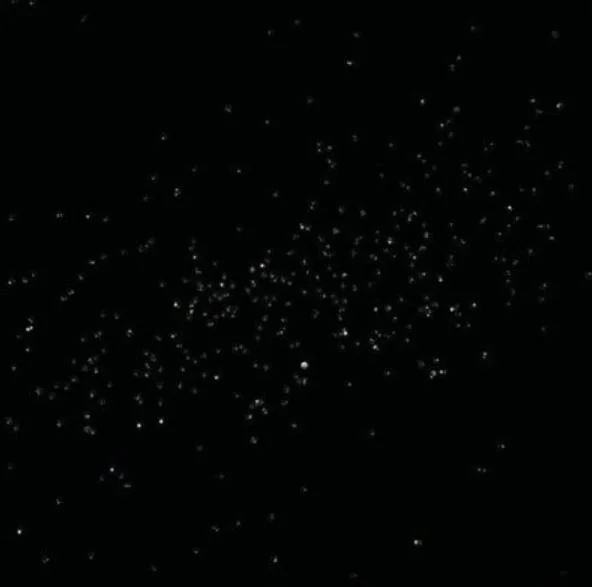
Tracing the Galactic Past: Linking Stars to Reticulum II’s Tidal History
Researchers traced the origins of r-process-enhanced stars in the Milky Way halo to the ultra-faint dwarf galaxy Reticulum II (Ret-II). Using advanced simulations and star catalogs, they identified 93 stars likely ejected from Ret-II over 11.5 billion years as it orbited the galaxy. This study highlights Ret-II’s role in the Milky Way’s formation and provides insights into the origins of heavy elements through cosmic events like neutron star mergers.

Exploring Black Holes in Dwarf Galaxies: Insights from Omega Centauri
This study by Limberg explores the proposed intermediate-mass black hole (IMBH) in Omega Centauri (ωCen), a stripped nuclear star cluster thought to be from the dwarf galaxy Gaia-Sausage/Enceladus. It extends known relationships between black hole mass, stellar mass, and velocity dispersion to dwarf galaxies, suggesting such galaxies follow similar evolutionary patterns as larger systems. The findings emphasize the importance of studying IMBHs to understand black hole formation and their role in galaxy evolution.
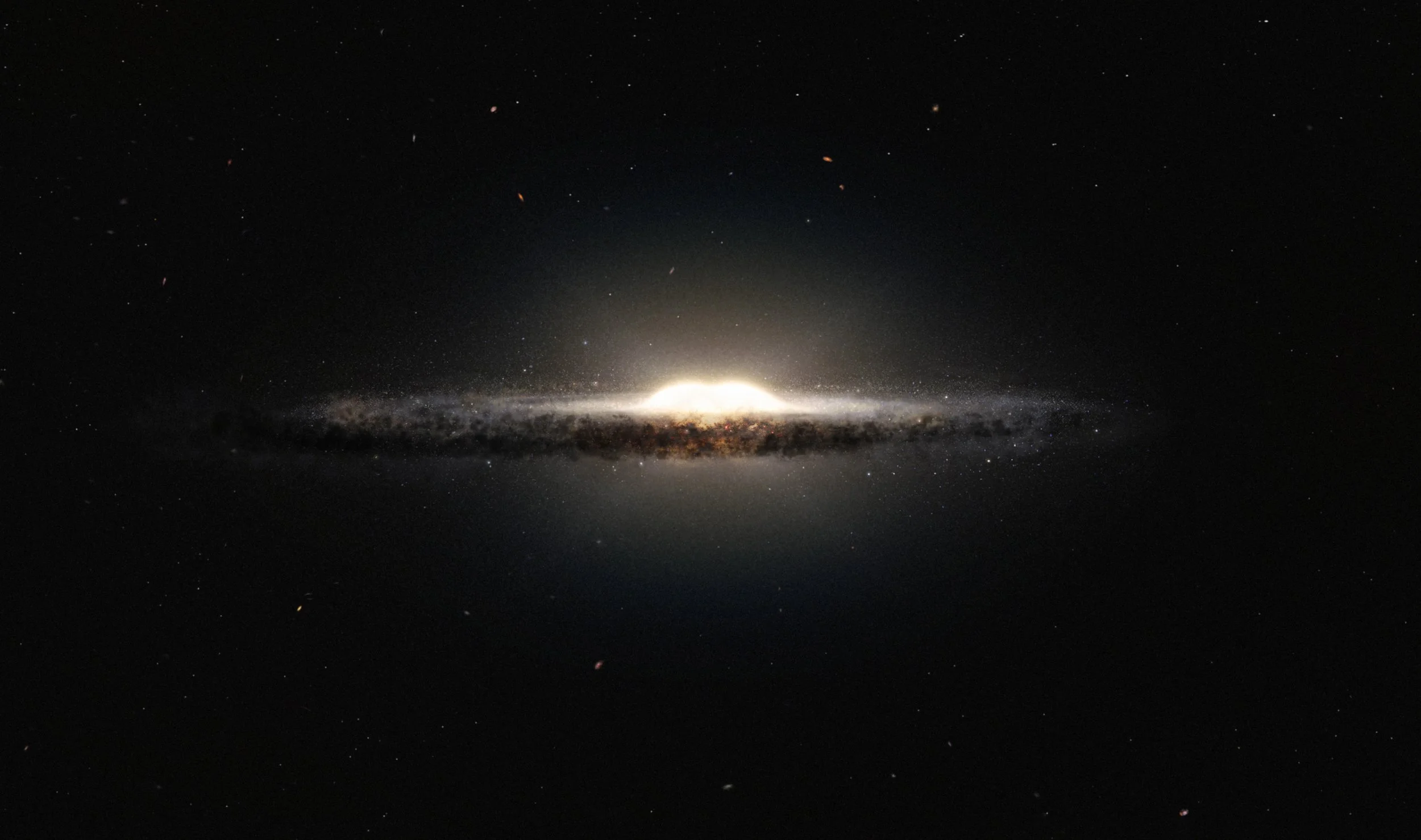
Tracing the Origins of the Milky Way's Bulge
Tristan Boin et al. investigate puzzling velocity trends in the Milky Way’s bulge, where metal-rich stars exhibit high velocity dispersion near the midplane, reversing at higher latitudes. Using APOGEE data and N-body simulations, they show that the bulge's bar-like structure traps metal-rich, thin-disk stars more efficiently. This study reinforces the idea that the bulge forms from disk material rather than a classical spheroid.
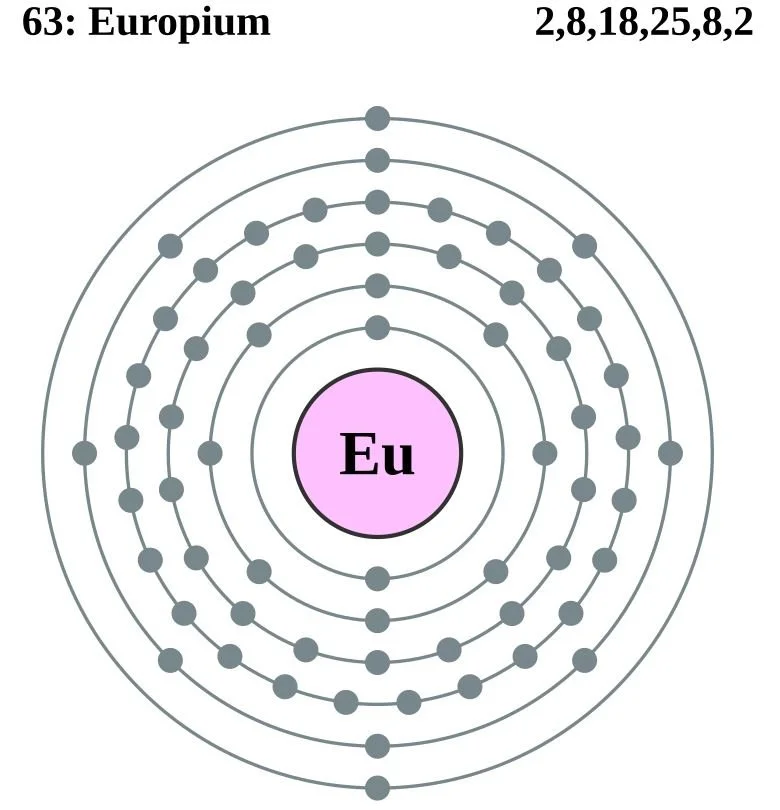
The Goldilocks Zone of Europium: Exploring Planetary Habitability and R-Process Origins
The study by Carrasco et al. explores how europium, a proxy for uranium and thorium, affects planetary habitability by influencing magnetic field generation on rocky planets. They identify a "Goldilocks zone" of stellar metallicity, where planets are most likely to sustain stable magnetic dynamos critical for life. Additionally, the research links europium’s distribution to neutron star mergers, refining our understanding of r-process element production and its role in shaping habitable environments across the galaxy.
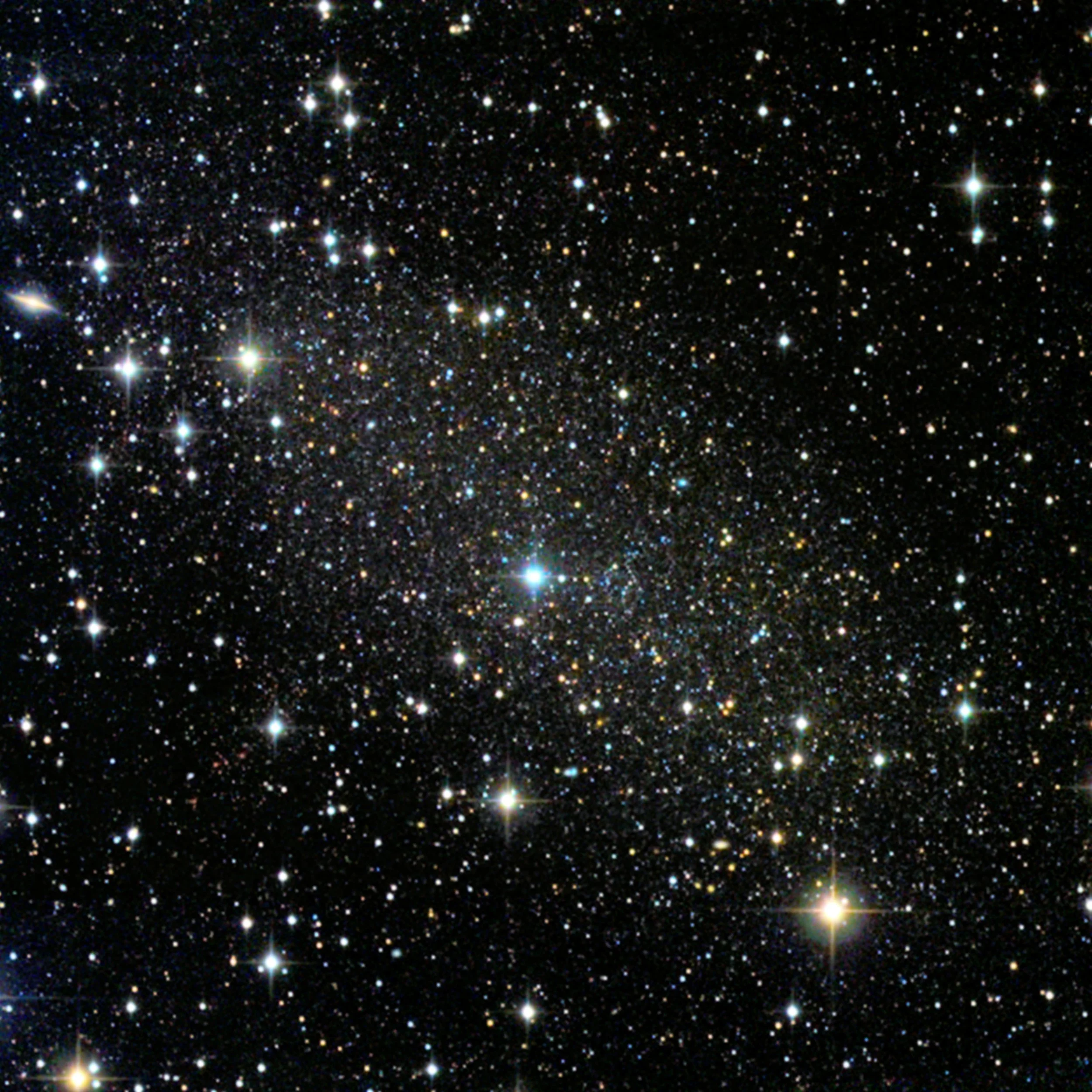
Unveiling the Milky Way’s Past: Insights from Dwarf Galaxies and Simulations
The study by François Hammer and collaborators examines the Milky Way's accretion history by comparing observational data, including globular clusters and dwarf galaxies, to predictions from cosmological simulations. They find that older mergers align well with simulations, but most dwarf galaxies appear to have been captured relatively recently, contradicting simulation predictions. The study highlights mismatches in rotation curves and binding energy distributions, suggesting current models need refinement. The work concludes that more realistic simulations are required to accurately capture the Milky Way's mass distribution and evolutionary history.
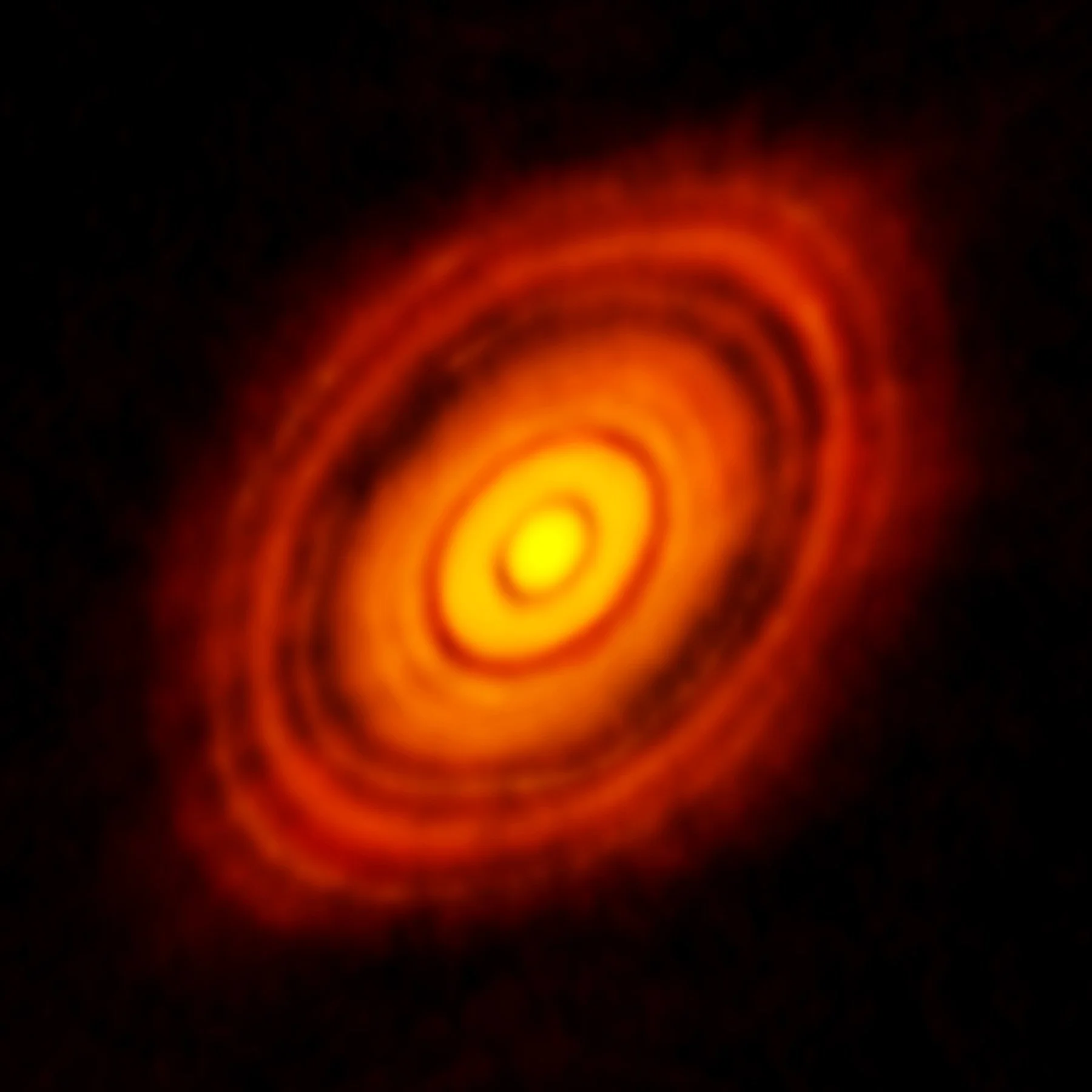
Did the Terrestrial Planets Form by Pebble Accretion?
The study by Alessandro Morbidelli and colleagues evaluates two theories of terrestrial planet formation: the classical model and pebble accretion. The classical model, involving collisions and mergers of planetesimals, aligns better with observed isotopic compositions, volatile element patterns, and planetary dynamics. In contrast, pebble accretion, which predicts significant contributions of carbonaceous material and rapid formation within the gas disk's lifetime, is inconsistent with the data. The researchers conclude that while pebbles may have contributed early in planetary growth, the formation of Earth and its neighbors was dominated by the classical model of planetesimal collisions and giant impacts.
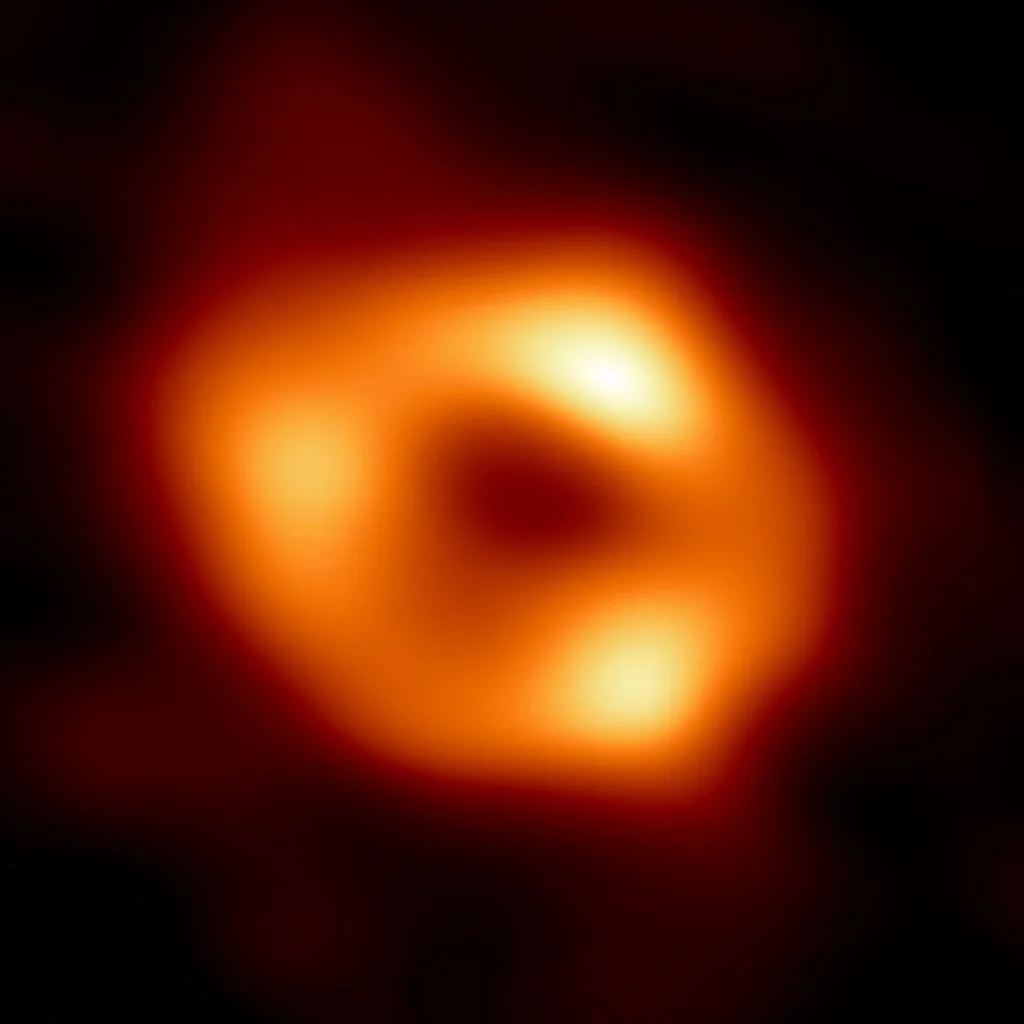
A Deeper Look at the Mysterious Heart of our Galaxy: Understanding Sagittarius A*
The study focuses on Sagittarius A* (Sgr A*), the supermassive black hole at the center of the Milky Way, examining its behavior and influence on its surroundings. Using advanced observational techniques across multiple wavelengths, scientists explore its accretion disk, occasional bursts of activity, and the jets it emits. By analyzing these phenomena, researchers aim to understand how supermassive black holes form, grow, and shape their host galaxies. Future advancements, such as the Event Horizon Telescope, promise even deeper insights into Sgr A* and its broader implications for galactic evolution.

Decoding the Dynamics of Leo T: A Perturbed Dwarf Galaxy at the Milky Way's Edge
Matías Blaña and collaborators used simulations to study Leo T, a gas-rich dwarf galaxy on the outskirts of the Milky Way. They investigated why its stars and gas are misaligned, exploring the effects of environmental forces, stellar winds, and internal dynamics. The results suggest that Leo T likely has a "cored" dark matter profile, allowing for long-lasting oscillations in its gas distribution. This study highlights how a combination of internal processes and interactions with the Milky Way shape the evolution of small galaxies like Leo T, providing insights into dark matter behavior.
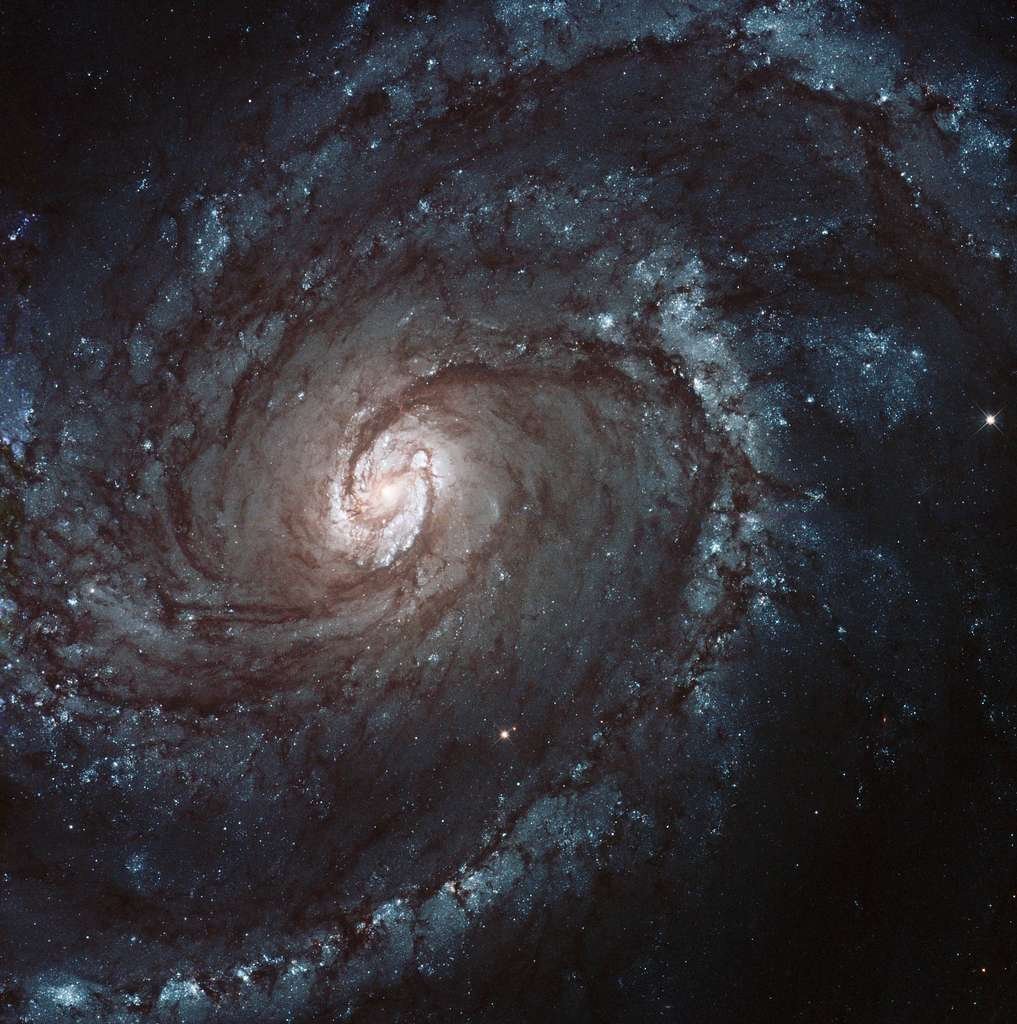
Why is the Galactic Disk So Cool? Exploring Stellar Migration and Heating
The Milky Way’s stellar disk is unusually “cool,” with stars migrating radially without significant orbital heating. This study explores how spiral arms and other perturbations influence this dynamic. Simulations reveal that maintaining this balance requires fine-tuned conditions, such as open spiral structures or localized effects near corotation. Traditional models, like the horseshoe mechanism, often lead to excessive heating unless adjusted. The findings challenge existing theories and offer key insights into the Galaxy’s evolution and the role of spiral arms in shaping disk dynamics.