

Peering into the Starspots: The First Doppler Image of λ Andromedae
Researchers produced the first Doppler image of λ Andromedae, revealing four large starspots and refining its orbital parameters with high precision. By correcting radial velocity signals caused by these spots, they confirmed the star’s nearly circular orbit and identified its companion as a likely brown dwarf. This study improves our understanding of magnetic activity in evolved stars and its impact on orbital measurements.

Stellar Secrets: Mapping M Dwarfs with SAPP
The adapted Stellar Abundances and atmospheric Parameters Pipeline (SAPP) successfully analyzes M dwarf stars, focusing on temperature, surface gravity, and metallicity using near-infrared spectra. Validated with APOGEE data, it shows good accuracy and prepares for missions like ESA’s Plato. Future updates aim to enhance precision and include full chemical abundance analysis.

The Search for Life on Hycean Worlds: Could These Ocean Planets Host Microbial Life?
Hycean worlds are ocean-covered exoplanets with hydrogen-rich atmospheres, offering potential habitats for microbial life. The study shows that small temperature changes significantly affect evolutionary rates, with warmer conditions accelerating complexity and biosignature production. These findings highlight warmer Hycean planets as prime targets for detecting life.
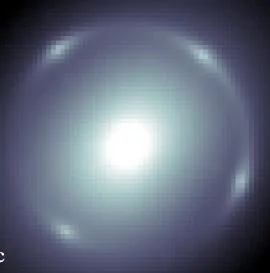
Altieri’s Lens: A Rare Einstein Ring Discovered by Euclid
O’Riordan et al. discovered a rare Einstein ring, “Altieri’s Lens,” around NGC 6505 using Euclid data. The lensing galaxy, at redshift z=0.042, bends light from a background galaxy, forming a near-perfect ring. Detailed analysis reveals a low dark matter fraction and a heavier-than-usual stellar population, providing new insights into galaxy structure and evolution.

Cygnus A Through JWST’s Eyes: Unraveling a Galactic Jet with a Twist
Astronomers used JWST to study Cygnus A, revealing powerful jets from a black hole shaping the galaxy’s gas into a spiral flow. High-speed outflows, or “bullets,” were detected, driven by jet-gas interactions. These findings show how black hole jets influence galaxy evolution by ejecting and heating gas.

Unraveling the Secrets of δ Scuti Stars: A Journey with TESS Data
The study analyzed four δ Scuti stars using TESS and Gaia DR3 data, identifying their pulsation modes and physical properties. Two stars pulsate in the fundamental mode, while the others in the first overtone. All were classified as Low Amplitude δ Scuti Stars. The findings enhance our understanding of these variable stars and their position on the Hertzsprung-Russell diagram.

How Globular Clusters Shape the Streams of Stars in the Milky Way
The paper explores how interactions with globular clusters, not just dark matter, create gaps in stellar streams like those of Palomar 5. Simulations show that close encounters with clusters like NGC 2808 can cause these gaps, complicating efforts to study dark matter using streams. This reveals the role of globular clusters in shaping galactic structures.
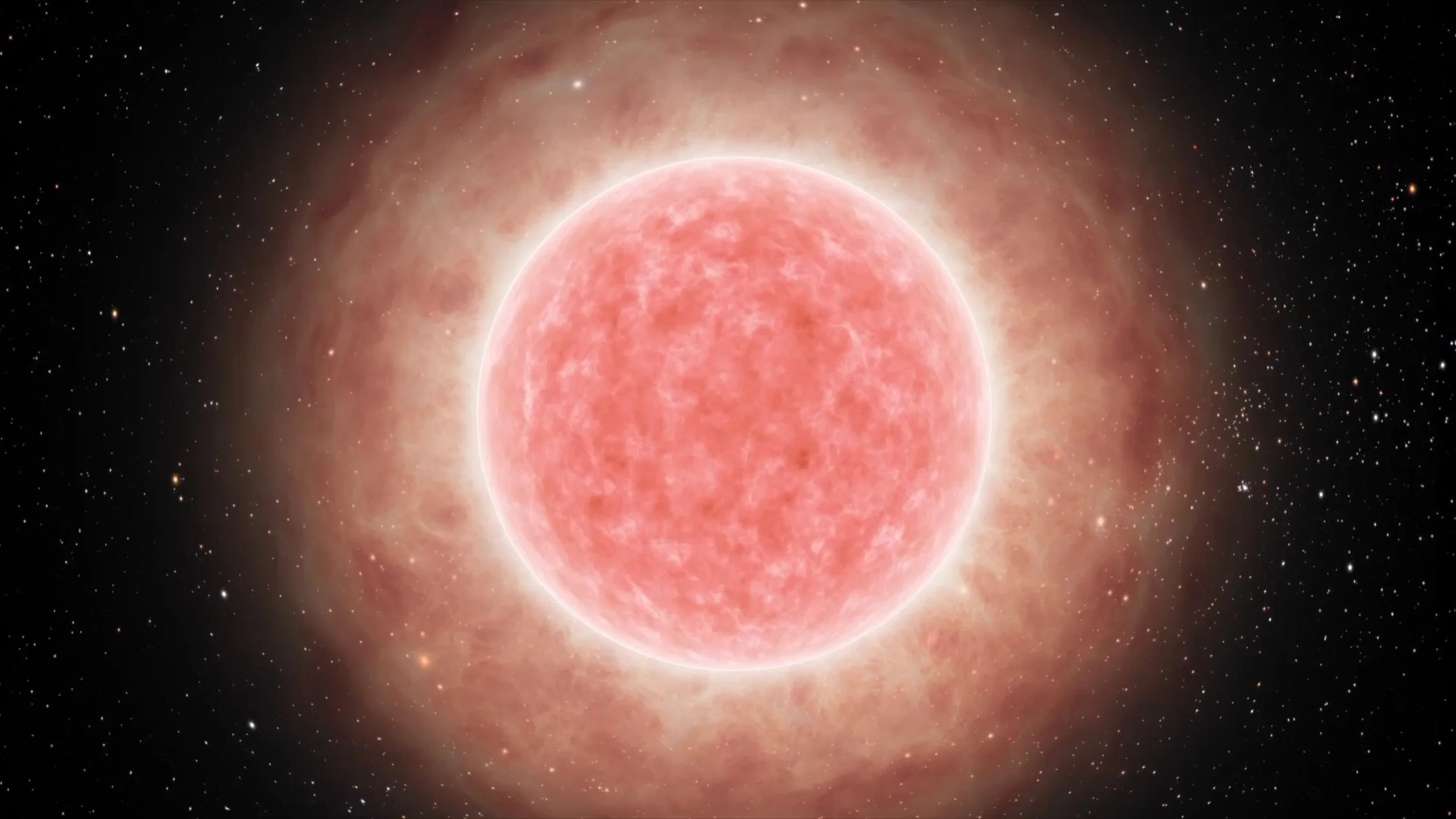
Illuminating the Red Giant Branch: Exploring Stellar Magnitudes and Metallicity
This study refines how metallicity affects the brightness of tip of red giant branch (TRGB) stars. It confirms that in the I band, TRGB stars are reliable distance indicators below a certain metallicity, but higher metallicity makes them fainter. Optical bands dim with metallicity, while infrared bands brighten, aligning with stellar models. These findings improve distance measurements and Hubble constant calculations.
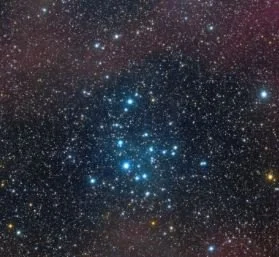
Unlocking the Secrets of Star Cluster UPK 220 with Gaia and TESS
The study analyzes open star cluster UPK 220 using Gaia DR3 and TESS data, identifying eight variable stars, including eclipsing binaries and pulsating stars. By combining these findings with stellar models, the team determined the cluster’s distance (832 parsecs), age (200 million years), and metal-poor composition, refining previous estimates.
Unveiling the Stars: Using Machine Learning to Map Stellar Parameters for 21 Million Stars
Astronomers used machine learning to estimate stellar parameters for 21 million stars from photometric data. Combining SAGES, Gaia, 2MASS, and WISE datasets, they achieved high precision in temperature, metallicity, and surface gravity measurements. This catalog offers new insights into the Milky Way and metal-poor stars, expanding future research possibilities.

Mapping the Chemical Story of Galaxies: Understanding Metallicity Profiles
The study explores how galaxies evolve chemically by analyzing metallicity gradients using the CIELO simulations. It identifies inner and outer breaks in metal distribution, shaped by star formation, gas inflows, and mergers. Stellar feedback plays a key role, sometimes enriching or diluting central regions. The findings highlight the complex interplay of internal and external forces in shaping a galaxy’s chemical history, offering insights into how galaxies grow and change over time.
Unraveling the Planet-Metallicity Connection in Intermediate-Mass Stars
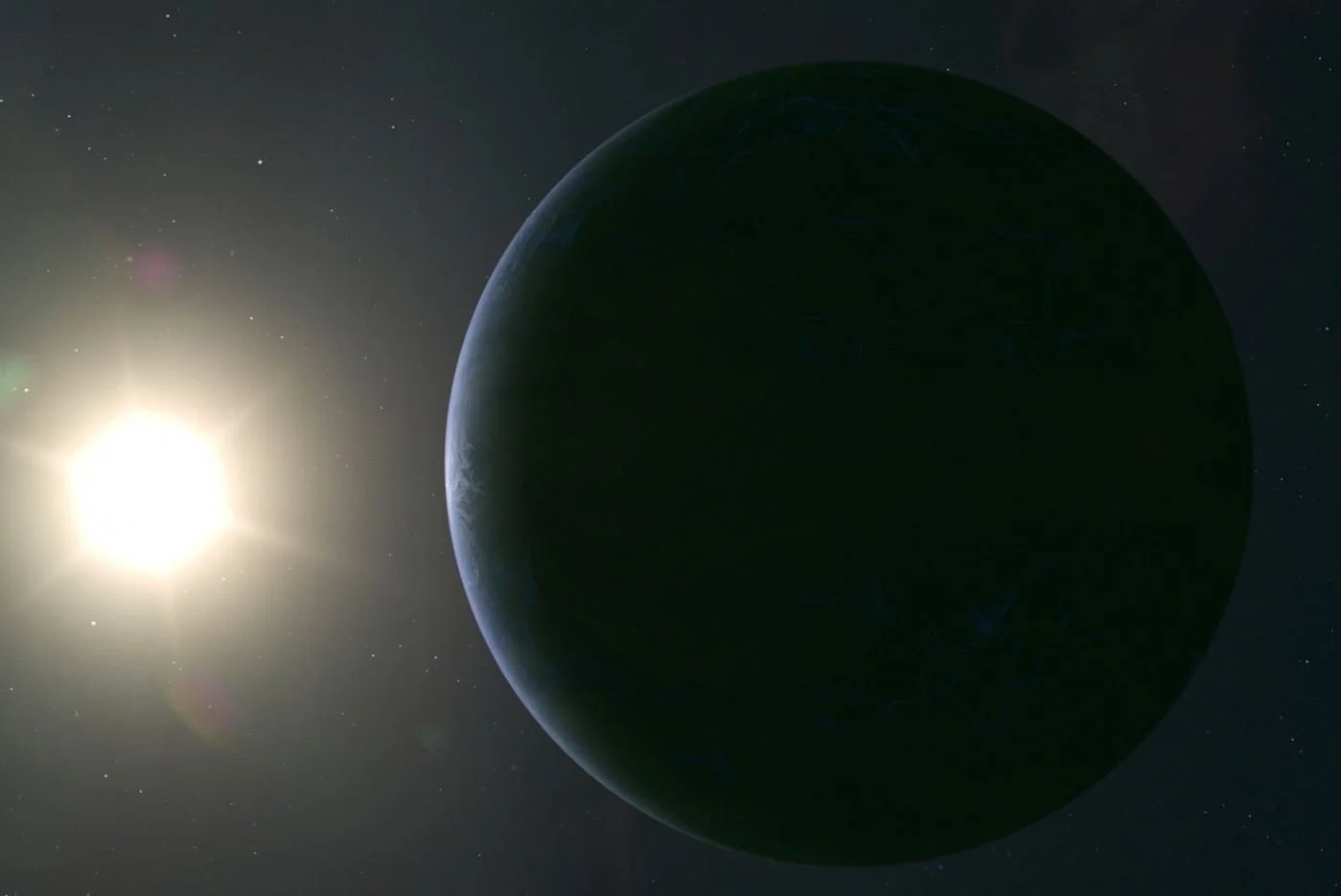
The study investigates the planet-metallicity correlation in intermediate-mass stars at different evolutionary stages. It finds that pre-main sequence stars with planets have lower metallicities, while main sequence stars show a weak correlation, and red giants exhibit a strong planet-metallicity trend. The findings suggest that stellar structure and evolution impact how metallicity is observed, supporting the core accretion model of planet formation.

A Volcanic Atmosphere on L 98-59 b: Evidence from JWST Observations
Scientists used JWST to analyze L 98-59 b, a rocky exoplanet orbiting an M-dwarf star, and found evidence of a volcanic sulfur dioxide (SO₂) atmosphere. Tidal heating may fuel extreme volcanism, continuously replenishing the atmosphere. Their data suggests L 98-59 b could have a magma ocean beneath its surface. While not confirmed, additional observations could strengthen the case, offering new insights into how small planets retain atmospheres.

Carbon Stars and Their Hidden Population: Insights from Gaia DR3
The study used Gaia DR3 data and machine learning to identify 43,574 carbon star candidates, including dwarf carbon (dC) stars, which inherit carbon from former AGB companions. They measured a dC space density of 1.96 × 10⁻⁶ stars per cubic parsec, showing they are more common than previously thought. This research improves understanding of binary star evolution and highlights the power of machine learning in astronomy. Future work will refine classifications and explore dC star variability.

Unraveling the GD-1 Stream and Its Mysterious Cocoon: A DESI Perspective
The study by Valluri et al. uses DESI data to confirm a cocoon surrounding the GD-1 stellar stream—a broader, kinematically hotter structure with a common origin. Possible explanations include pre-accretion stripping, debris from a parent galaxy, interactions with dark matter subhalos, or perturbations from the Sagittarius dwarf galaxy. Future DESI observations will help determine the cocoon’s origin, providing insights into the Milky Way’s evolution and dark matter structure.

The Mystery of Wide Binaries in Metal-Poor Stars
This study examines the frequency of wide binary companions among metal-poor stars using Gaia and infrared surveys. Researchers found that while close binaries (separations <8 AU) are common (about 20%), wide binaries (separations >8 AU) are rare, with a frequency below 3%. This suggests that metal-poor environments and dynamical interactions disrupt wide binaries over time. The findings provide insights into star formation in the early universe.

A Starburst in the Early Milky Way: A New Look at Our Galaxy’s Beginnings
A recent study led by Boquan Chen reveals that the early Milky Way experienced a massive starburst around 13 billion years ago, triggered by a rapid inflow of gas. By analyzing metal-poor stars from Gaia data, researchers found evidence of two distinct stellar populations, suggesting a sharp transition in star formation history. Their findings, supported by galaxy simulations, show that the Milky Way’s formation was not gradual but included bursts of intense star formation, shaping its present structure.
Bright Skies on a Distant Neptune: Discovering Reflective Clouds on LTT 9779b
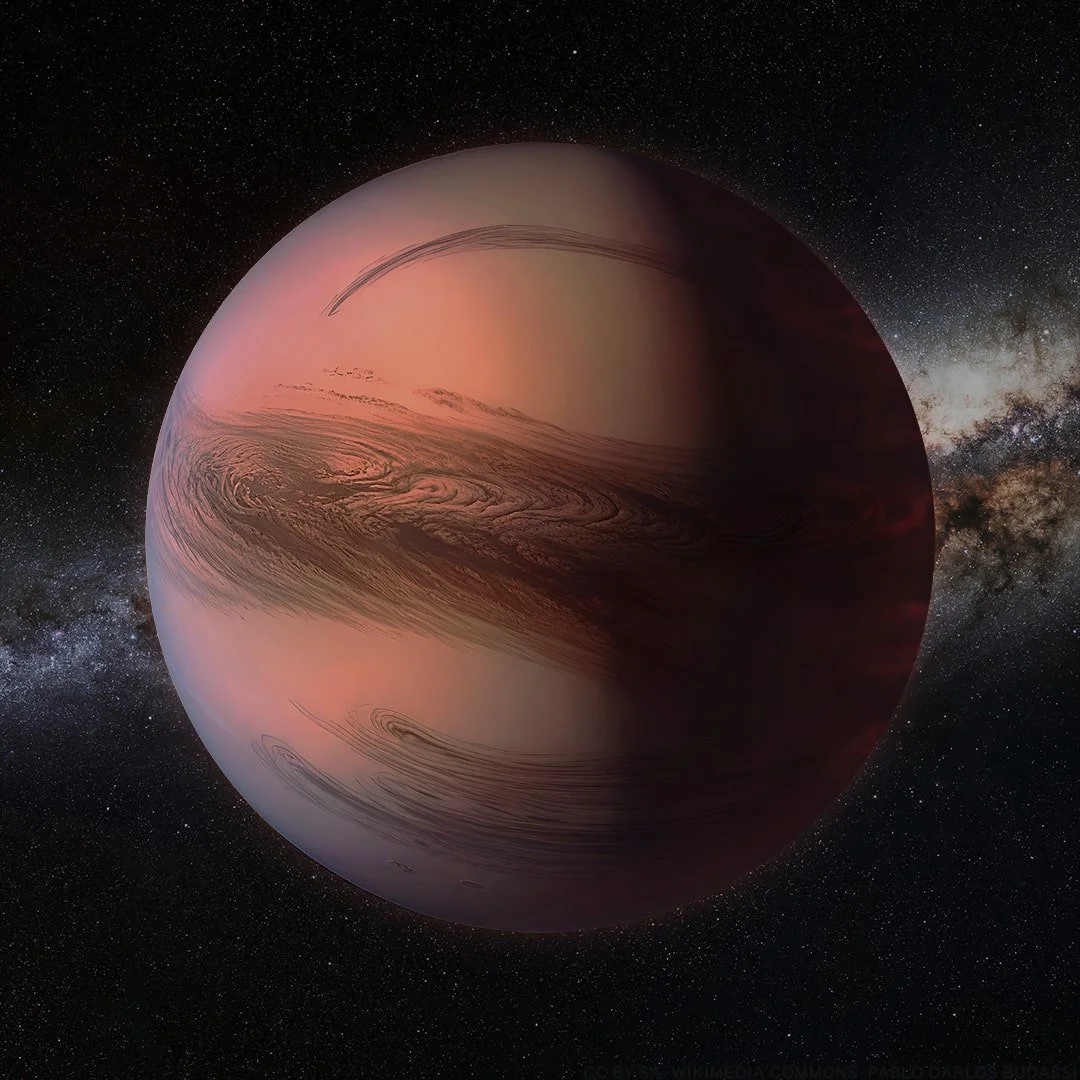
Astronomers observed the ultra-hot Neptune LTT 9779b using JWST and found that its western dayside is highly reflective due to silicate clouds, while the eastern dayside absorbs more light. The planet’s temperature is 2,260 K on the dayside and below 1,330 K on the nightside. An eastward jet likely moves heat away, allowing clouds to form in cooler regions. These findings improve our understanding of exoplanet atmospheres and cloud formation.

Exploring the Chemical Fingerprints of Metal-Poor Stars: Insights from the MINCE III Project
The MINCE III project analyzes 99 intermediate-metallicity stars to understand neutron-capture elements, key to the Milky Way’s chemical history. Using high-resolution spectra, the study reveals chemical abundances, including unique findings like a lithium-rich star. Results align with models of Galactic evolution, highlighting the origins of heavy elements through processes like supernovae and neutron-star mergers, advancing our understanding of the Galaxy's formation.

Decoding the Chemical Puzzle of the Sagittarius Dwarf Galaxy
Researchers analyzed 37 stars in the Sagittarius Dwarf Galaxy to study its chemical evolution. They found significant enrichment of heavy elements through the r-process, likely from neutron star mergers. Stars in the galaxy's core and tidal streams showed similar chemical patterns, indicating a shared history. The study highlights how dwarf galaxies contribute to the universe's chemical complexity.