

Titan’s Changing Skies: New Insights from JWST and Keck
Scientists used JWST and Keck observations to study Titan’s atmosphere during late northern summer. They detected the CH₃ radical for the first time, observed CO and CO₂ emissions across a wide altitude range, and tracked evolving methane clouds. These findings reveal active weather, deep convection, and confirm long-standing predictions about Titan’s atmospheric composition and seasonal climate changes.
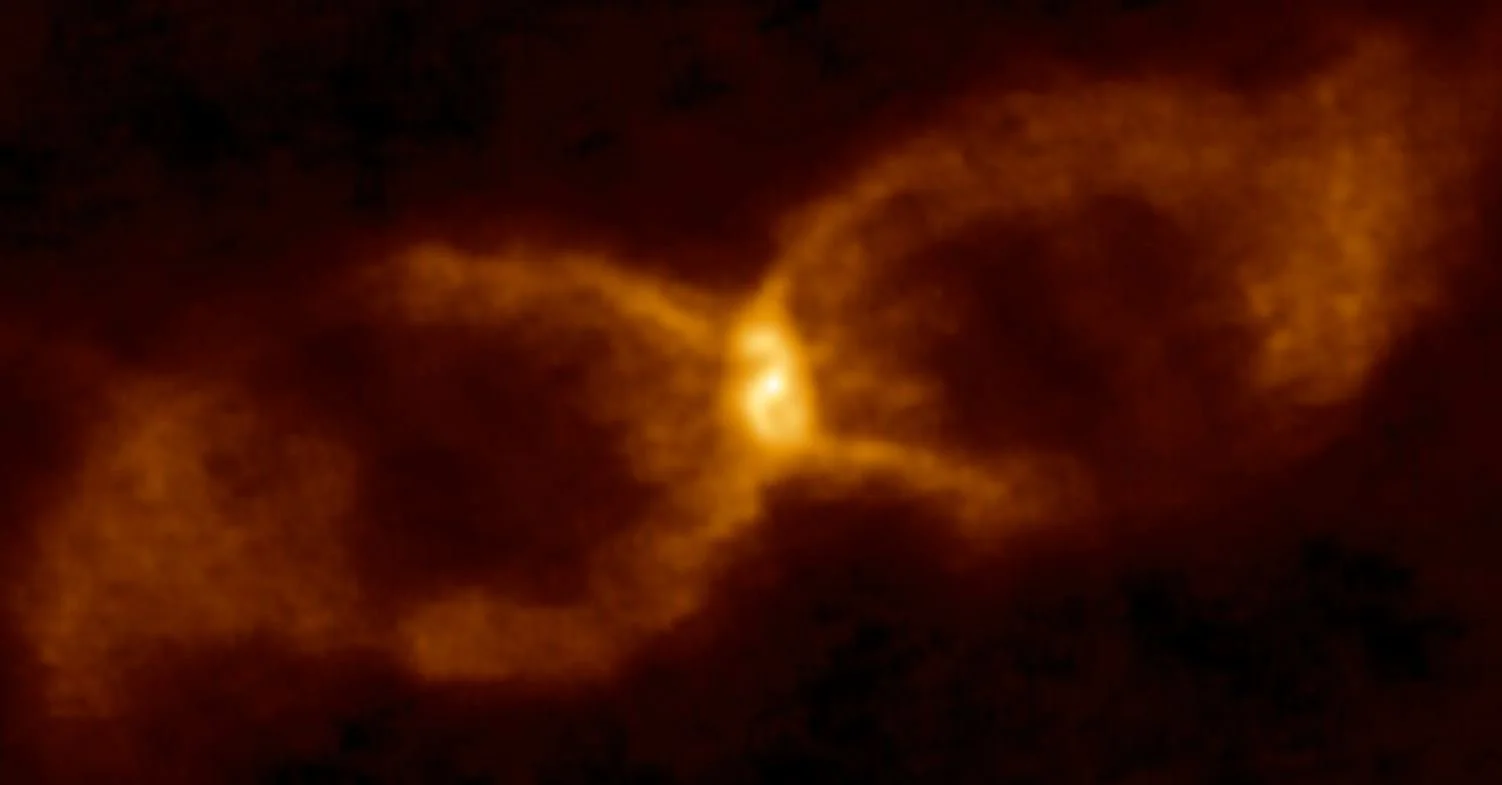
A Star to Remember: Investigating the 1408 Celestial Guest
Researchers reanalyzed a 1408 “guest star” recorded in Chinese texts and concluded it was likely a classical nova, not a comet. They identified CK Vul, a remnant of a later 1670 event, as a possible related system. The study highlights how historical records and modern astronomy together can reveal long-term stellar evolution.
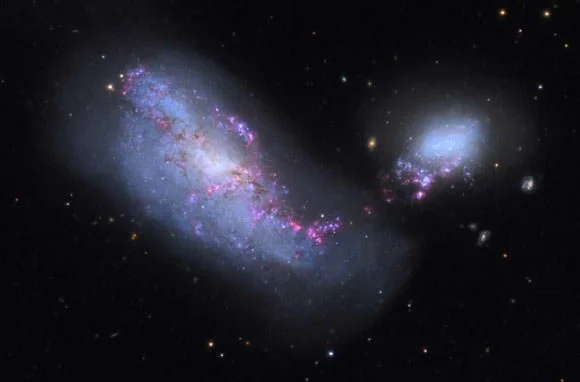
Ghosts and Companions of the Milky Way: What Dwarf Galaxies Tell Us About Galaxy Formation
Grimozzi et al. used simulations to compare gas in disrupted and surviving dwarf galaxies around the Milky Way. They found that disrupted dwarfs, accreted earlier, have lower metallicity and higher [Mg/Fe], reflecting bursty star formation. These chemical differences reveal how timing influences galaxy evolution in the Milky Way’s past.
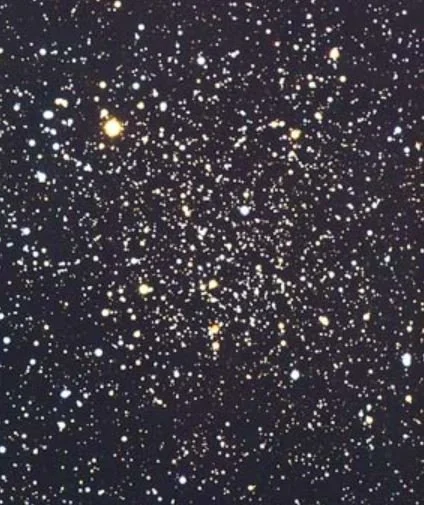
Peering Through the Dust: Exploring the Metal-Poor Open Cluster Trumpler 5 in Infrared
This study used infrared spectroscopy to analyze seven red giant stars in the dust-obscured open cluster Trumpler 5 (Tr5). The team developed a new method to estimate stellar gravity and measured abundances for over 20 elements. Their findings confirmed Tr5’s metal-poor nature, estimated its age at 2.5 billion years, and enhanced understanding of stellar evolution in dusty regions of the Milky Way.
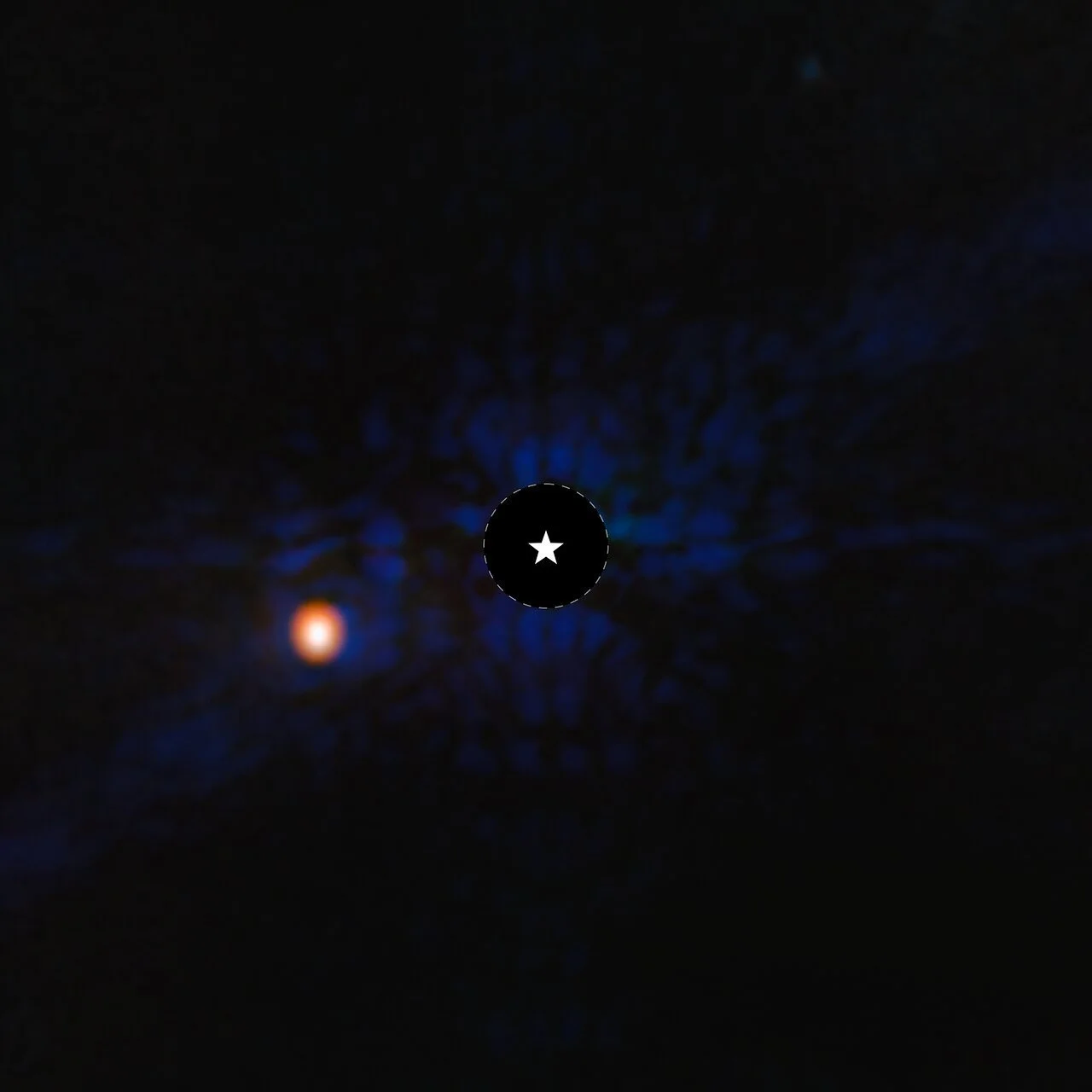
From Pebbles to Planets: Exploring the Rich Diversity of Small Worlds Beyond Our Solar System
This review explores the diverse worlds of low-mass exoplanets, focusing on how they form, what they're made of, and how we study them using tools like JWST. It highlights the importance of planet size, disk structure, and atmospheric loss, and even examines clues from planets orbiting dead stars. These findings offer key insights into how Earth-like planets may form and evolve.
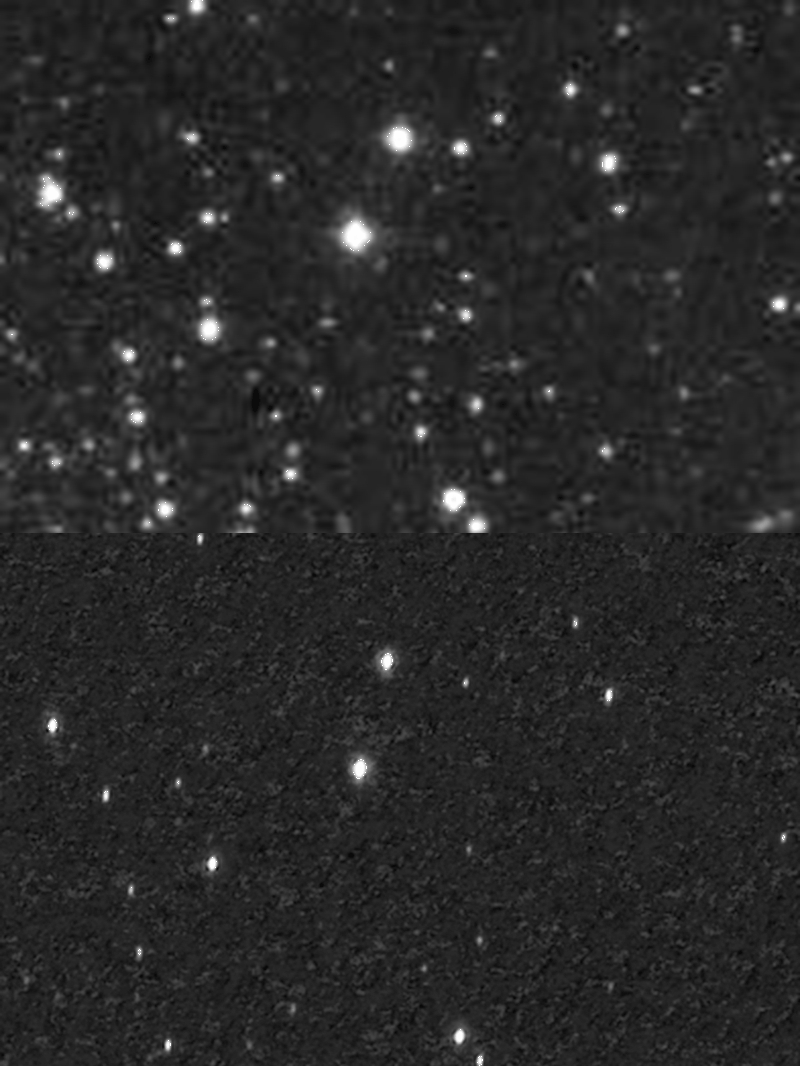
Chasing a Galactic Starburst: Clues from the Milky Way’s High Proper-Motion Stars
This study uncovers a unique group of stars, called LAHN stars, that likely formed during a major merger between the Milky Way and the Gaia-Sausage/Enceladus galaxy. Their distinct chemical signatures and orbits suggest a burst of star formation triggered by the collision. These stars help reveal how such events shaped the Milky Way’s early evolution.

Reading Planetary Surfaces in the Skies: How Exoplanet Atmospheres Reveal Their Rocky Roots
Herbort and Sereinig model how rocky exoplanet surfaces influence their atmospheres, showing that specific gases and clouds in an atmosphere can hint at underlying rock types. Using chemical equilibrium models and simulated spectra, they find links between atmospheric composition and crustal minerals. This research helps interpret telescope data to infer exoplanet surface composition.
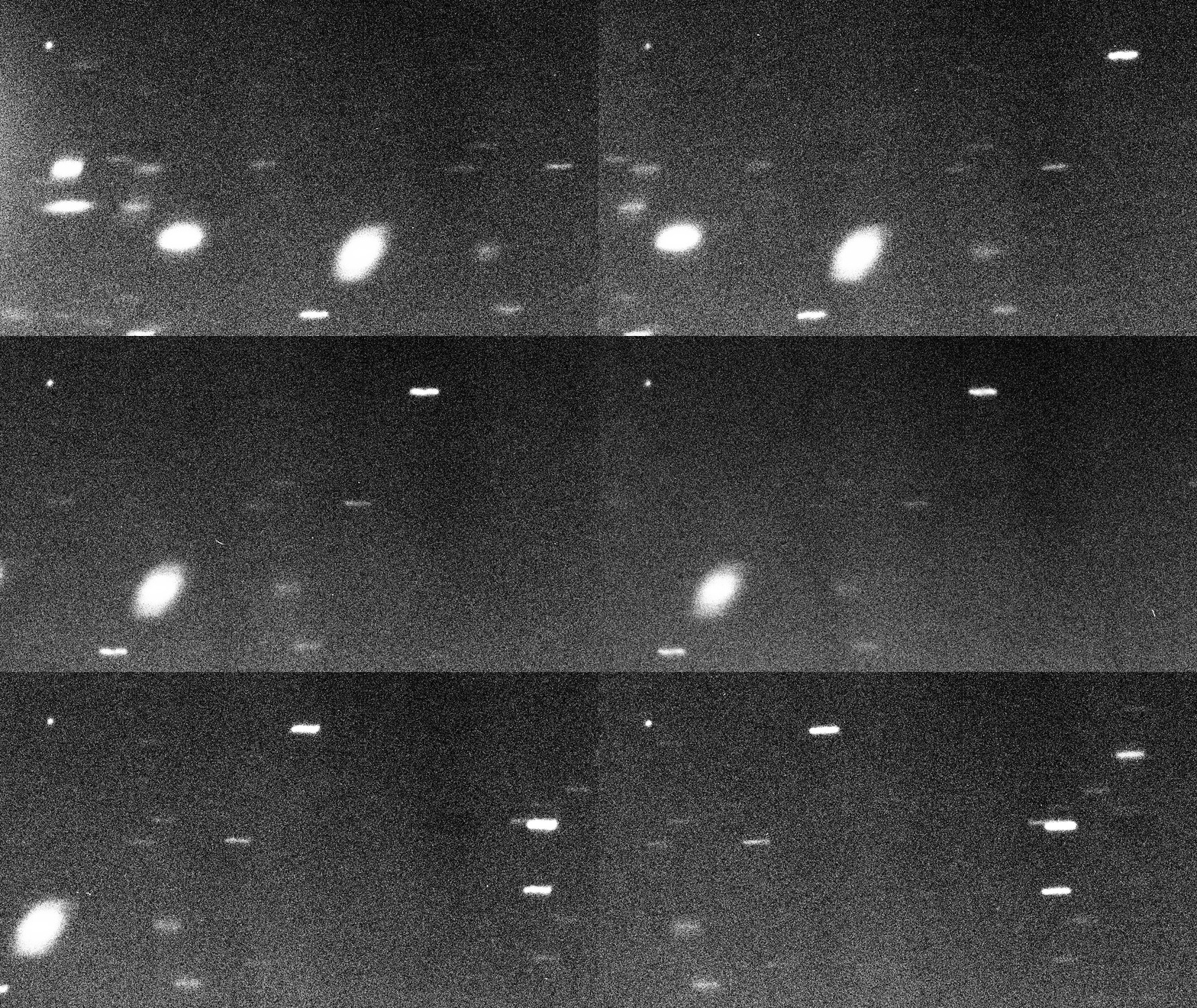
Lunar Launchpads: How the Moon Might Be Creating Earth’s Orbiting Companions
This study explores how fragments from the Moon, ejected during impacts, could become Earth’s co-orbital companions. Simulations show that about 6.7% of lunar ejecta can enter such orbits, especially when launched from equatorial regions at specific speeds. The findings support a lunar origin for objects like Kamo’oalewa and suggest a steady process replenishing these near-Earth companions over time.

Illuminating Star Birth: JWST Reveals the Life Stages of Emerging Star Clusters in M83
This study uses JWST observations to uncover the early life stages of star clusters in the galaxy M83. By classifying clusters based on infrared emissions, the authors track their emergence from gas and dust. Most clusters become exposed within 6 million years, though only 20–30% remain bound. The central galaxy region forms the most massive clusters, highlighting environmental effects on star formation.

Tracking Star Movements: What NGC 2808 Reveals About the Lives of Star Clusters
This study of NGC 2808 shows that its different stellar populations move separately, especially in the cluster's outer regions. Second-generation stars exhibit more radial motion, supporting theories about their central origin and outward diffusion. The cluster also shows partial energy equipartition, more developed near the center.

Mapping the Metal of the Milky Way: How Gaia’s Spectra Help Us Understand Giant Stars
This study uses Gaia XP spectra and a neural network model (UA-CSNet) to estimate the metallicities of 20 million giant stars. The model is especially accurate for very metal-poor stars and provides reliable uncertainty estimates. Results align well with other datasets and reveal chemical patterns across the Milky Way.
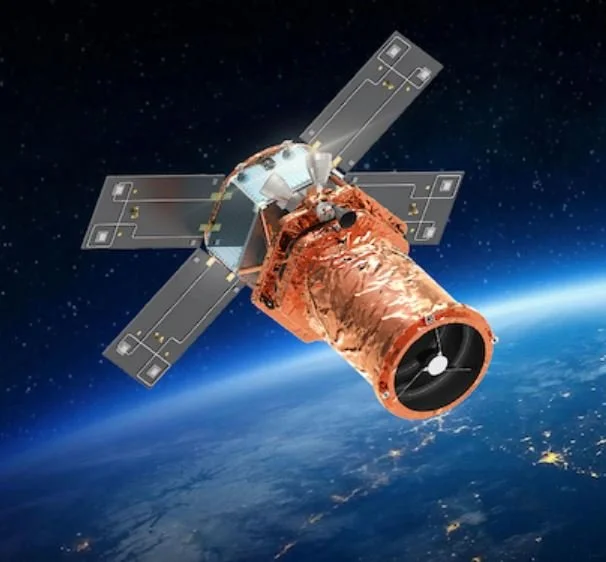
Uneven Eyes in the Sky: Investigating Who Benefits from High-Resolution Satellite Imagery
The study by Musienko et al. reveals that high-resolution satellite imagery is unevenly distributed across the globe. Wealthier, more populated, and geopolitically important regions receive more frequent and detailed coverage, while rural and low-income areas are often overlooked. This bias, driven by satellite orbits and commercial demand, limits equal access to the benefits of Earth observation.

A Planet That Wasn’t: Uncovering the True Nature of 42 Draconis b
A 2009 discovery of a planet orbiting the giant star 42 Draconis was overturned by new data. Long-term measurements revealed that the original signal weakened over time and matched stellar brightness variations, indicating it was caused by stellar activity, not a planet. The case highlights the difficulty of confirming planets around giant stars and the importance of long-term monitoring.

Clues from the Cosmic Past: Unraveling the Chemical History of NGC 2298
This study analyzes 13 stars in the globular cluster NGC 2298 using the Gemini South telescope. It identifies two stellar generations with distinct light element patterns and finds notable variations in heavier elements like Sc, Sr, and Eu. These differences suggest complex, uneven early chemical enrichment from supernovae and rare r-process events, highlighting the cluster’s dynamic formation history.

Clocking the Cosmos: Measuring the Ages of Milky Way’s Ancient Star Clusters
This study uses advanced modeling and Hubble data to estimate the absolute ages of eight Milky Way globular clusters. By comparing synthetic and observed color-magnitude diagrams, the authors find ages ranging from 11.6 to 13.2 billion years. Distance and reddening are the largest sources of uncertainty, and results support a trend of older ages for metal-poor clusters.
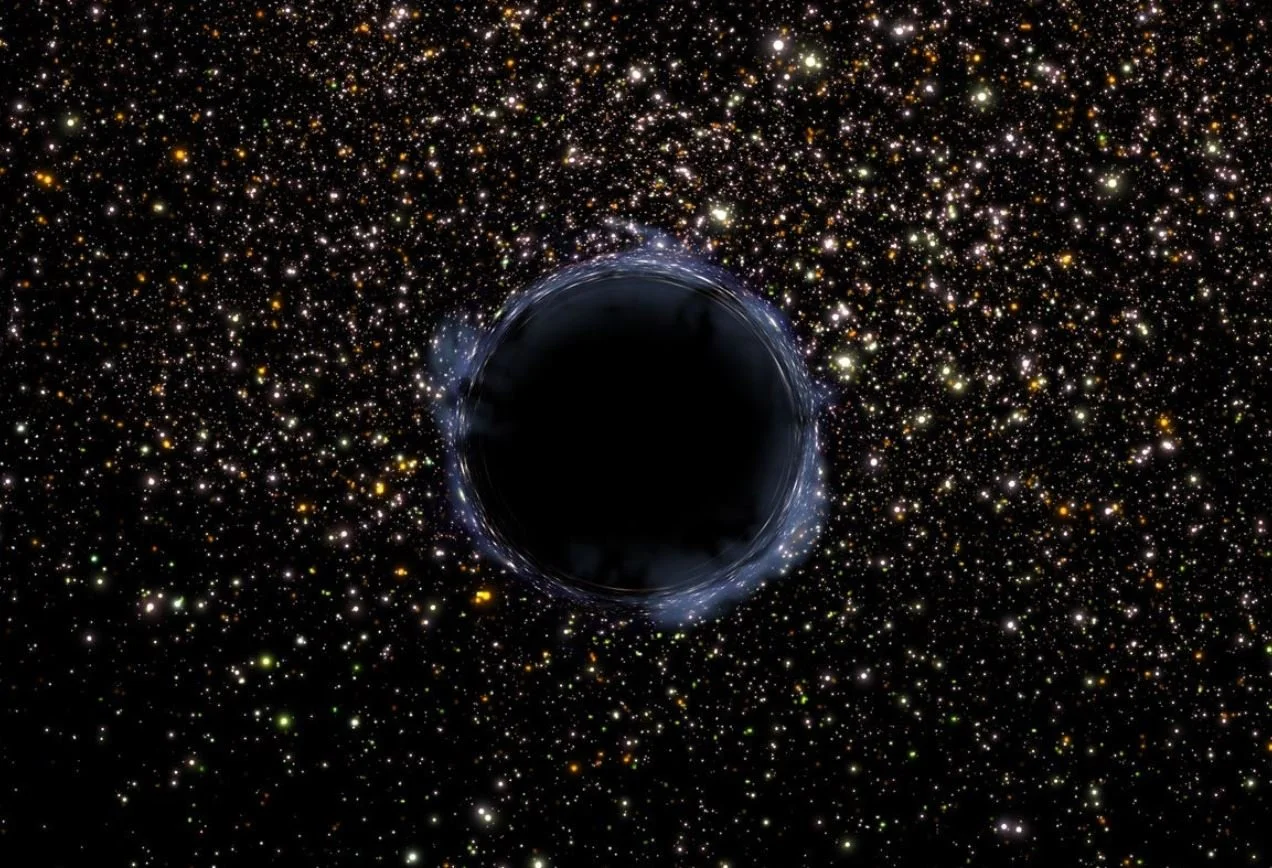
Gaia’s Faintest Stars: Chasing Primordial Black Holes in the Galactic Backyard
Jeremy Mould’s study used Gaia data to search for primordial black holes (PBHs) among the faintest nearby stars but found none. The dim objects are mostly brown dwarfs, with possible contributions from free-floating planets and compact ultracool dwarfs. Future detection of PBHs will likely rely on microlensing with more powerful telescopes like Rubin.
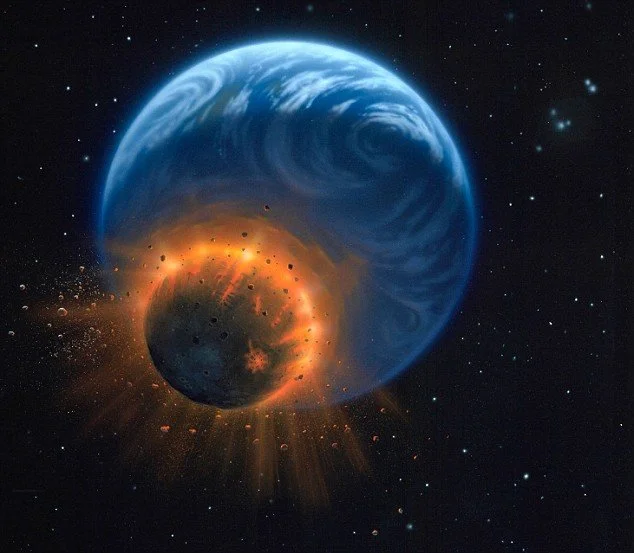
When Giants Collide: How Planetary Impacts Can Make Planets Ring Like Bells
Zanazzi et al. show that giant impacts on young gas giants can trigger seismic oscillations lasting millions of years. These vibrations, especially from low-order pressure modes, may cause detectable brightness changes. The study suggests JWST could observe such signals in planets like Beta Pictoris b, offering a new way to study planetary interiors and past collisions.
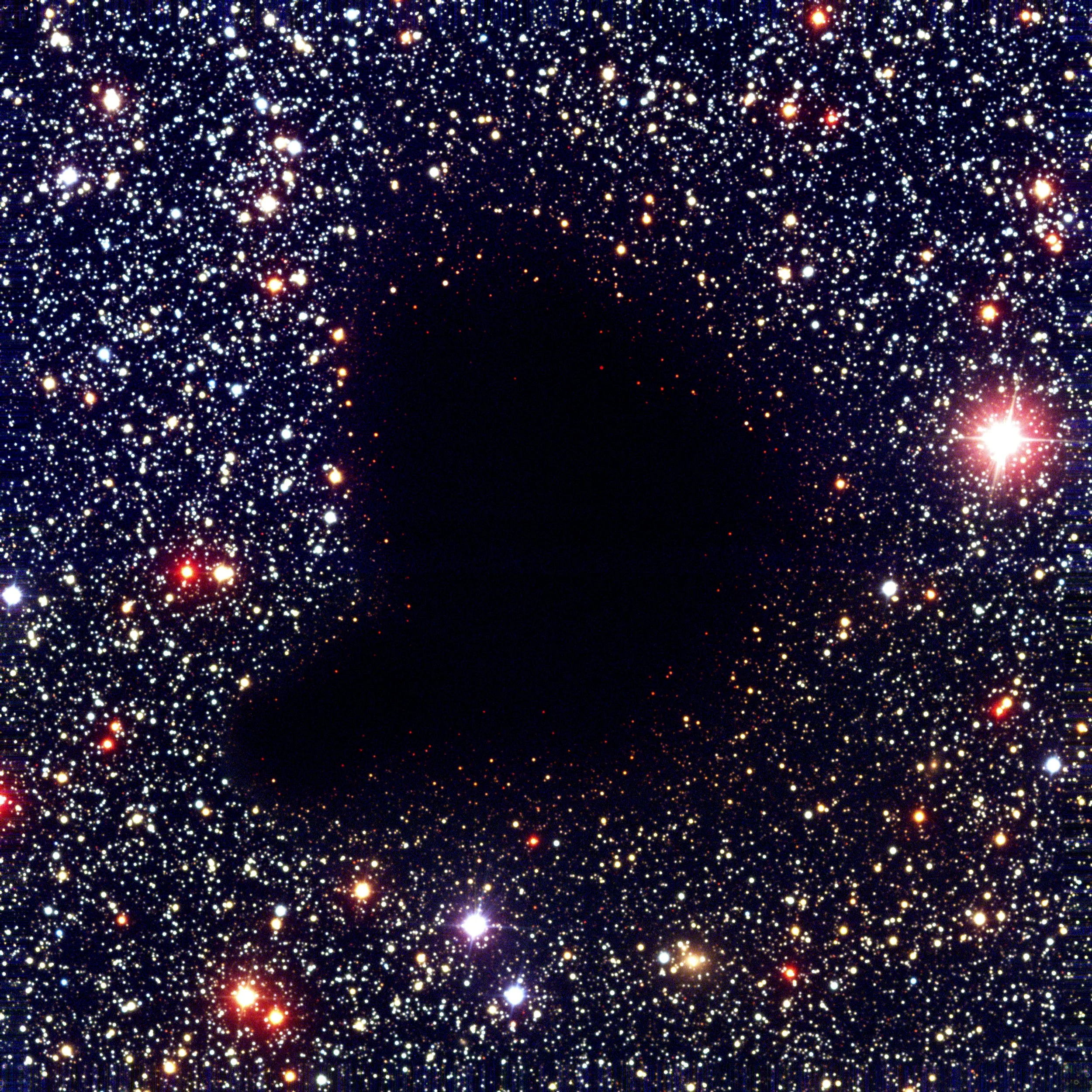
When Cores Collide: New Clues from Barnard 68
Astronomers observed the dark cloud Barnard 68 and found strong evidence that a smaller gas core, or “bullet,” is colliding with it. Using sulfur monoxide (SO) emissions, they detected shock-induced chemical changes and motion matching earlier predictions. This core-core collision may be triggering the cloud’s collapse and eventual star formation.

Building Planets Close to Home — Can Pebble Accretion Form Hot Worlds?
This study explores whether close-in exoplanets can form via pebble accretion. It finds that low disc turbulence and moderate pebble fragmentation speeds are key for successful growth. While higher metallicity helps, it's less influential than stellar mass or disc conditions. Timing of planetesimal formation is also critical.
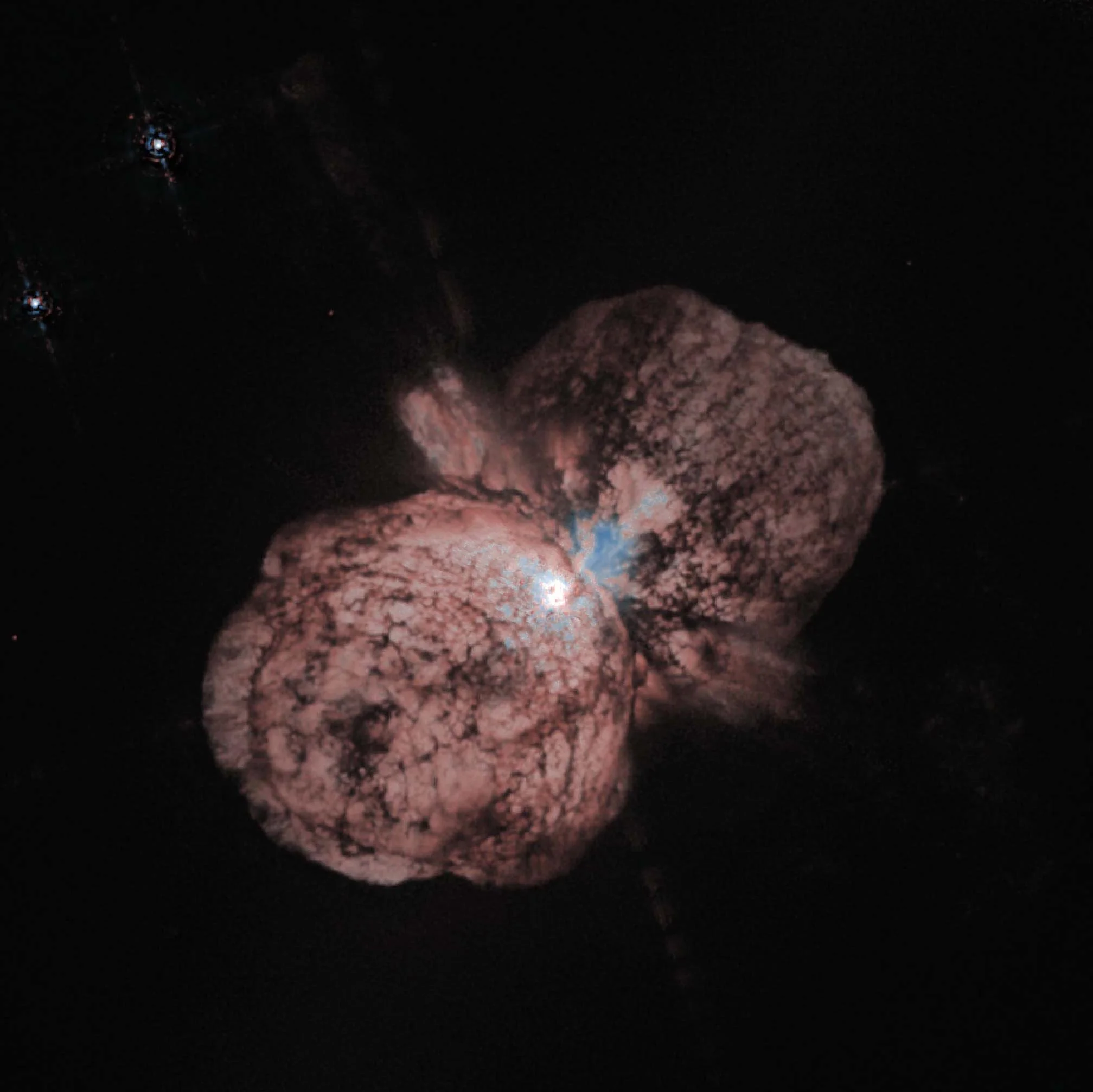
Tricky Triplets: How Simulations Reveal New Paths for Massive Triple Stars
Sciarini et al. show that detailed stellar models like mesa predict very different outcomes for massive triple star systems compared to faster, simplified models like seba. These differences, especially in stellar size and mass loss, can dramatically alter whether stars interact, merge, or destabilize—affecting predictions for events like gravitational wave sources.