
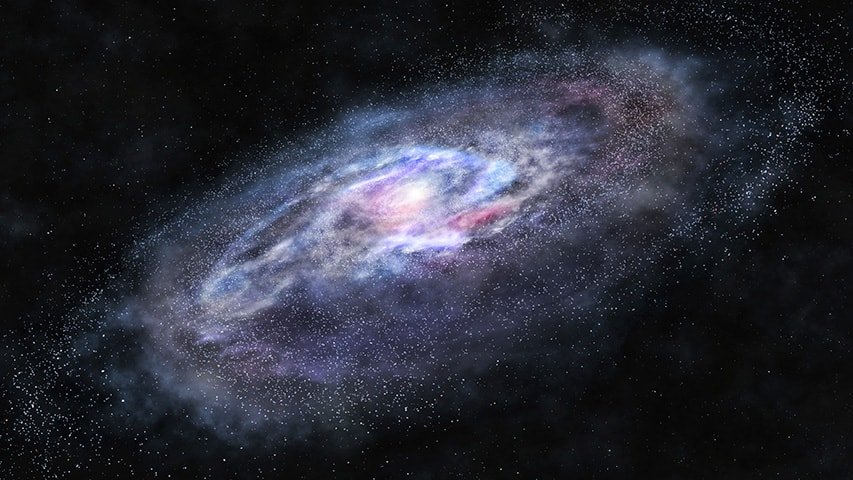
Inside-Out Chemistry: Unveiling the Metal Distribution in Simulated Milky Way-Mass Galaxies
Iza et al. use simulations from the Auriga Project to study how metals are distributed in galaxies like the Milky Way. They find that older, metal-poor stars dominate the halo, while younger, iron-rich stars are found in the disc. The bulge shows intermediate properties, supporting an inside-out galaxy formation scenario.
A New Kind of Trojan: JWST Reveals Unusual Asteroids Near Jupiter
Using JWST, Brown and colleagues studied four small, unusually bright Jupiter Trojans and found they share unique spectral features unlike any known Trojan class. These objects resemble the Trojan Polymele, suggesting the existence of a third, previously unrecognized surface type. The upcoming Lucy spacecraft flyby of Polymele may help reveal their origins.
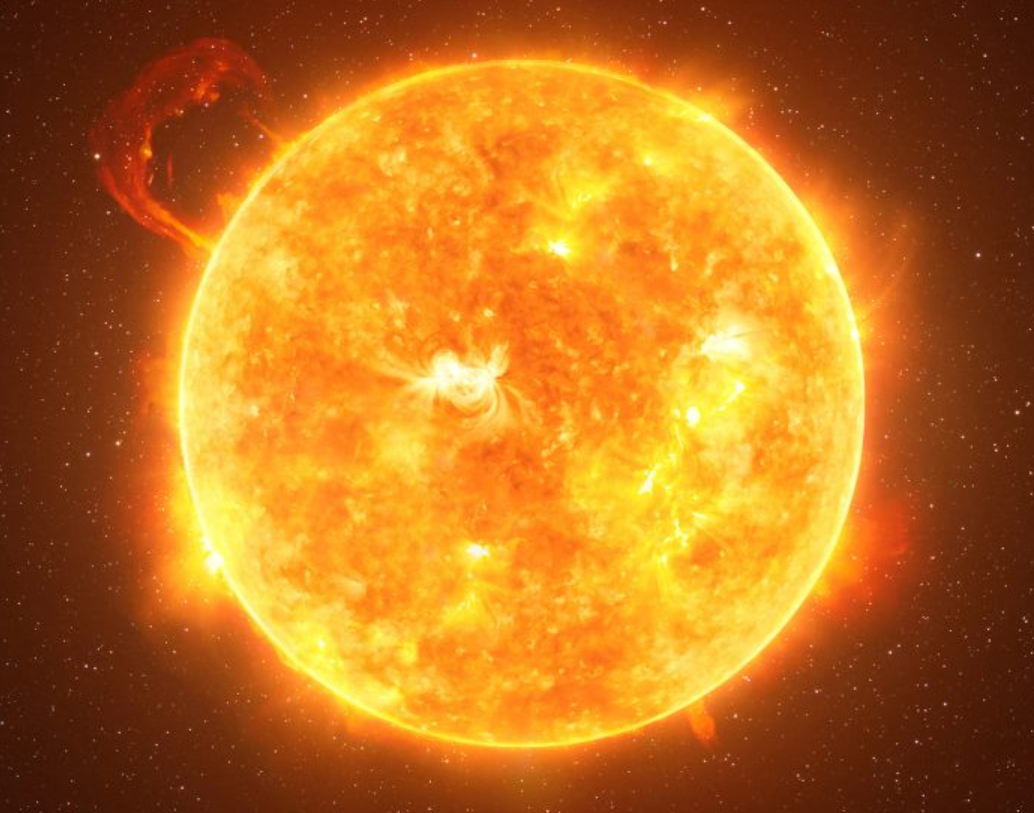
Chemical Fingerprints of Planets: What Solar Twins Tell Us About the Sun and the Galaxy
Martos et al. used a neural network to measure precise chemical abundances in stars similar to the Sun. They found the Sun is unusually depleted in refractory elements, likely due to planet formation. Their results also suggest the presence of distinct stellar subpopulations in the Milky Way, offering new insights into stellar and planetary evolution.
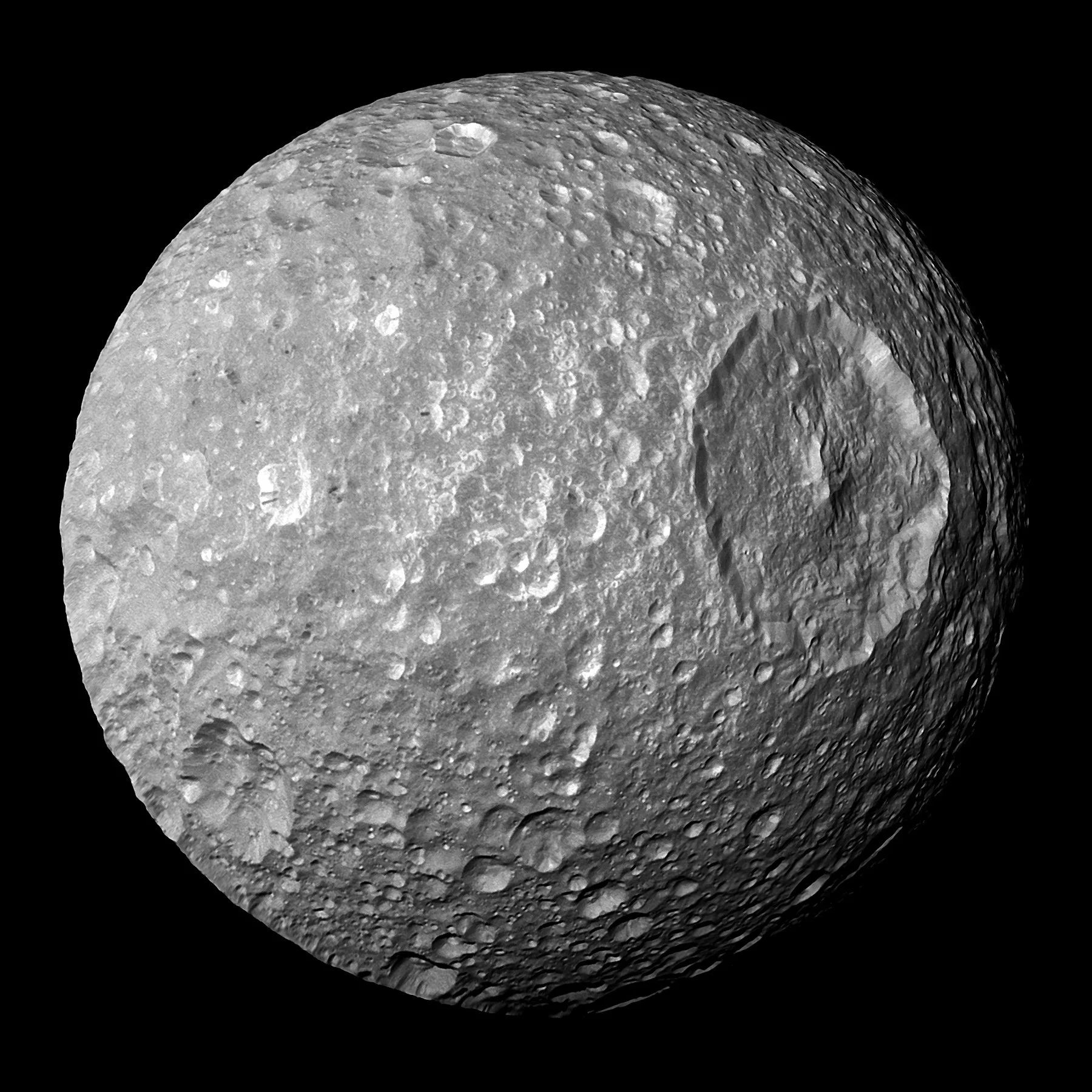
Cold Clues: JWST Detects Multiple Forms of CO₂ on Saturn’s Moons
Using JWST, Brown et al. detected carbon dioxide ice on eight of Saturn’s moons, revealing four distinct trapping mechanisms. Inner moons show CO₂ trapped in amorphous water ice and dark material, while outer moons display CO₂ linked to organic-rich regions and unique icy environments. These findings suggest complex surface chemistry and highlight the need for further lab and observational studies.
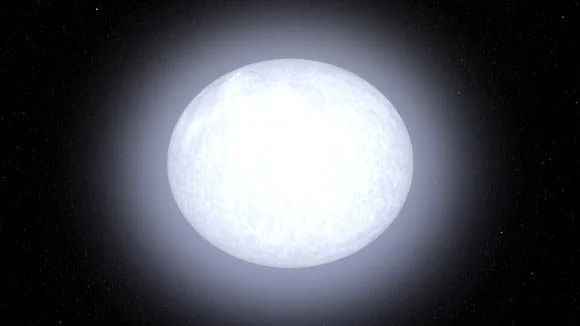
Astronomical Cardiology: Charting the Rhythms of Heartbeat Stars with Gaia and TESS
This study identifies 112 new heartbeat star systems by combining Gaia motion data with TESS brightness measurements. Using both manual and automated methods, the team modeled light curves to determine orbital properties. Most new systems are hotter, evolved stars, and the findings help explain how stellar evolution and tidal forces shape binary star behavior.
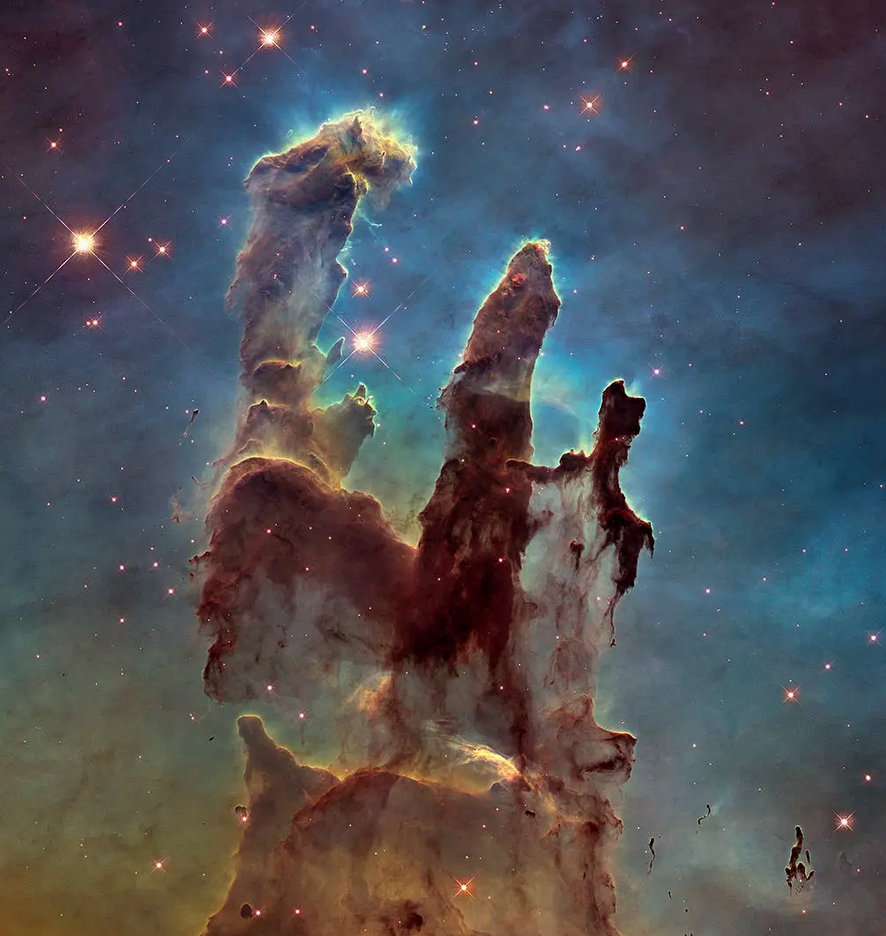
Magnetic Fields Sculpt the Pillars of Creation
This study maps magnetic fields in the Pillars of Creation using infrared dust polarization data. The fields align with the pillar structures and vary in strength, influencing where stars form. Findings support a model where initially weak magnetic fields were compressed and strengthened over time, helping shape the Pillars and regulate star formation.

The Secrets of a Shattered Cluster: Uncovering the Past of ESO 280-SC06
ESO 280-SC06 is a faint globular cluster with unexpectedly high levels of chemically enriched second-population stars. Analysis suggests it was once much more massive but lost most of its stars due to tidal disruption. The discovery of a rare nitrogen-enriched star hints at a less dense environment that allowed binary interactions.
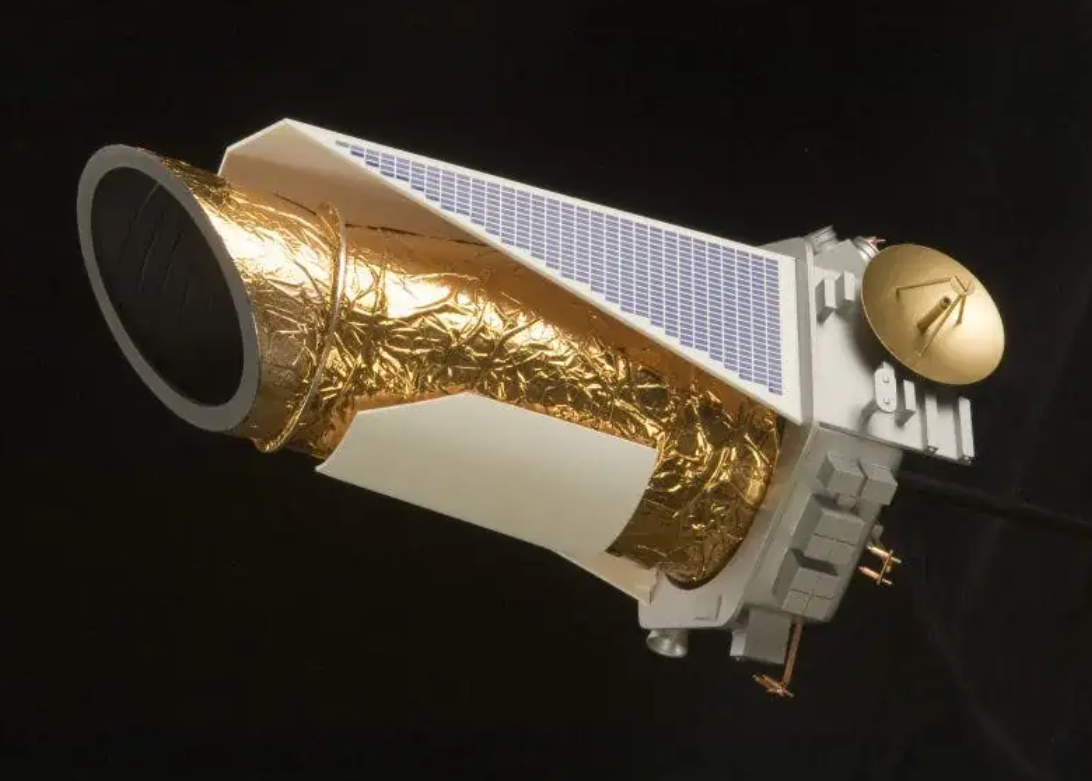
Telling Time with Stars: Using Kepler Data to Build Galactic Clocks
Casali et al. used precise Kepler asteroseismology and detailed chemical analysis to calibrate “chemical clocks” that estimate stellar ages. By studying 68 red giant stars, they identified element ratios—especially [Ce/Mg] and [Zr/Ti]—that strongly correlate with age. Applying these clocks to large star surveys reveals the Milky Way’s age structure and evolutionary history.

Forging the Light Elements: How Low-Metallicity Novae Could Shape the Early Universe
This study explores how low-metallicity novae—stellar explosions in early, metal-poor environments—can trigger a weak rp-process, producing elements heavier than calcium. Using simulations and Monte Carlo analysis, the authors identify key nuclear reactions and highlight their astrophysical impact. These novae may leave detectable chemical signatures, offering clues to the early Universe’s element formation.
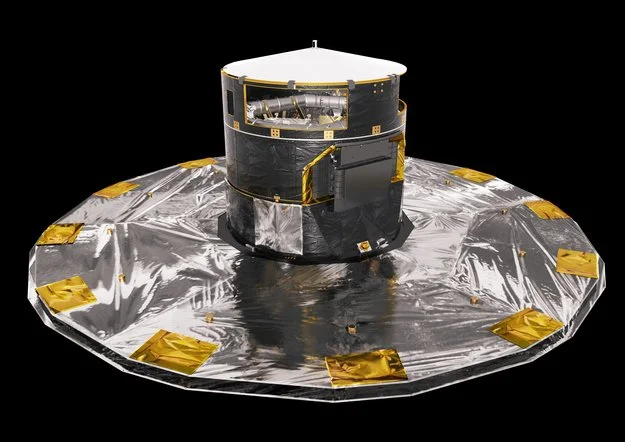
Galactic Ripples in a Turbulent Sea: Can Phase Spirals Survive the Clumpy Interstellar Medium?
The paper explores whether the Milky Way’s phase spiral—a ripple in stellar motion—can persist in a clumpy, star-forming interstellar medium. Simulations show that while smooth, gas-free discs best preserve the spiral, turbulence from star formation can still support it. However, overly clumpy gas suppresses the pattern, making the spiral a sensitive probe of galactic structure and dynamics.

Spinning Up the Galaxy: How the Milky Way’s Bar Transfers Motion to Its Bulge and Halo
Using Gaia data and simulations, Zhuohan Li et al. identified a rotating group of stars in the Milky Way's bulge and halo. Their findings show that the central bar, slowing down over time, transfers angular momentum to these stars through resonance trapping. This process explains the unexpected rotation in regions once thought to be mostly static.
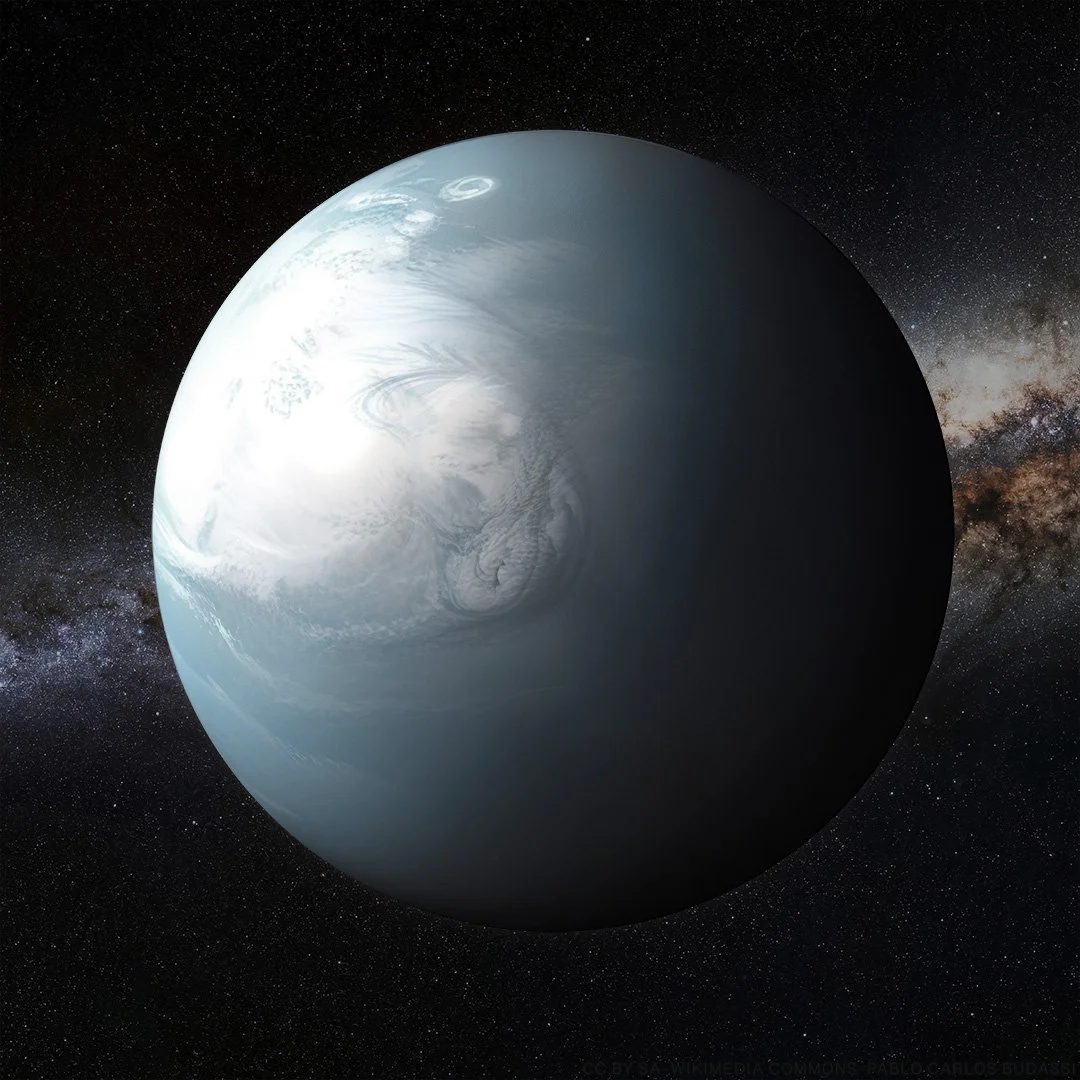
Tides and the Hidden Boundaries of Hycean Habitability
This paper explores how tidal heating affects the habitability of hycean planets—water-rich worlds with hydrogen atmospheres. While these planets were thought to have wide habitable zones, the authors show that tidal forces, especially in systems with companion planets, can raise surface temperatures and shrink the inner edge of the habitable zone, potentially making some planets less suitable for life.

Transient Treasures: Discovering Explosive Events in JWST’s Infrared Dark Field
Using JWST’s NIRCam, researchers found 21 transient events—brief cosmic explosions—in a dark, low-background sky region. Some matched known supernova types, while others were fainter “gap” events that could represent rare or unknown phenomena. Future frequent monitoring and spectroscopy may help uncover their true nature.

Tracing the Twists and Turns of a Galaxy Like Ours: What Simulations Reveal About the Milky Way's Dynamic Heart
This study uses a detailed simulation to explore the Milky Way’s structure, showing that spiral arms are dynamic, short-lived features shaped by gas flows rather than fixed patterns. The inner bar drives much of this motion, influencing where arms form and dissolve. These findings explain why the Galaxy’s spiral structure is difficult to pin down and suggest a more chaotic process behind star formation.

What Titan Teaches Us About Alien Atmospheres: The Detection-vs-Retrieval Challenge
This study uses Titan’s atmosphere as a test case to highlight challenges in analyzing exoplanet atmospheres. The authors show that pre-selecting molecules for retrieval can bias results, even for major gases like methane. They propose an iterative method using scale height to better identify dominant atmospheric components, offering a more reliable approach for future exoplanet studies.

A Cold Clue in the Sky: Using Infrared Light to Hunt for Planet Nine
Chen et al. searched AKARI infrared data for Planet Nine by looking for heat rather than sunlight. After filtering millions of sources for movement and known objects, they identified two promising candidates. These objects matched expected brightness and motion patterns, but further observations are needed to confirm if either one is truly Planet Nine.

Mining for the Ancient: A New Catalog of Metal-Poor Stars from LAMOST DR10
This study presents a catalog of 8,440 very metal-poor stars identified using red spectra from LAMOST DR10. By measuring calcium triplet lines with two methods, the authors accurately estimated metallicities down to [Fe/H] = −4.0. The catalog offers high-quality targets for studying the early Milky Way and validates its results against multiple major surveys.

Stellar Archaeology Disrupted: How the Milky Way’s Bar Smears Out Substructure
This study shows that the Milky Way’s rotating bar disrupts the orbits of stars, dispersing ancient substructures like globular clusters and stellar streams in integral of motion space. Traditional search methods may miss these smeared-out features. Instead, the authors suggest using the Jacobi integral and chemical properties, which better preserve the signatures of disrupted structures.
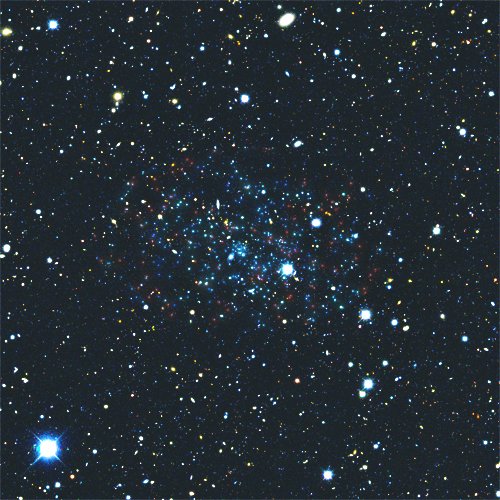
Born to Be Starless: Why Many Mini-Galaxies Never Shine
Jeon et al. use high-resolution simulations to show that many dark matter subhalos never form stars because they are born in low-density regions and can't resist early-universe UV heating during reionization. Common explanations like supernova feedback or environmental effects don’t apply. These subhalos aren’t failed galaxies—they were "born to be starless."

Tracing Stellar Origins with Alpha Elements: What Globular Clusters and Dwarf Galaxies Tell Us About Star Formation
This study uses APOGEE data to compare α-element abundances in stars from globular clusters, halo substructures, and satellite galaxies. The authors focus on the “hex ratio” to trace massive star contributions. They find that Milky Way clusters and halo stars have higher hex ratios than satellite galaxies, suggesting different star formation histories and initial mass functions.