
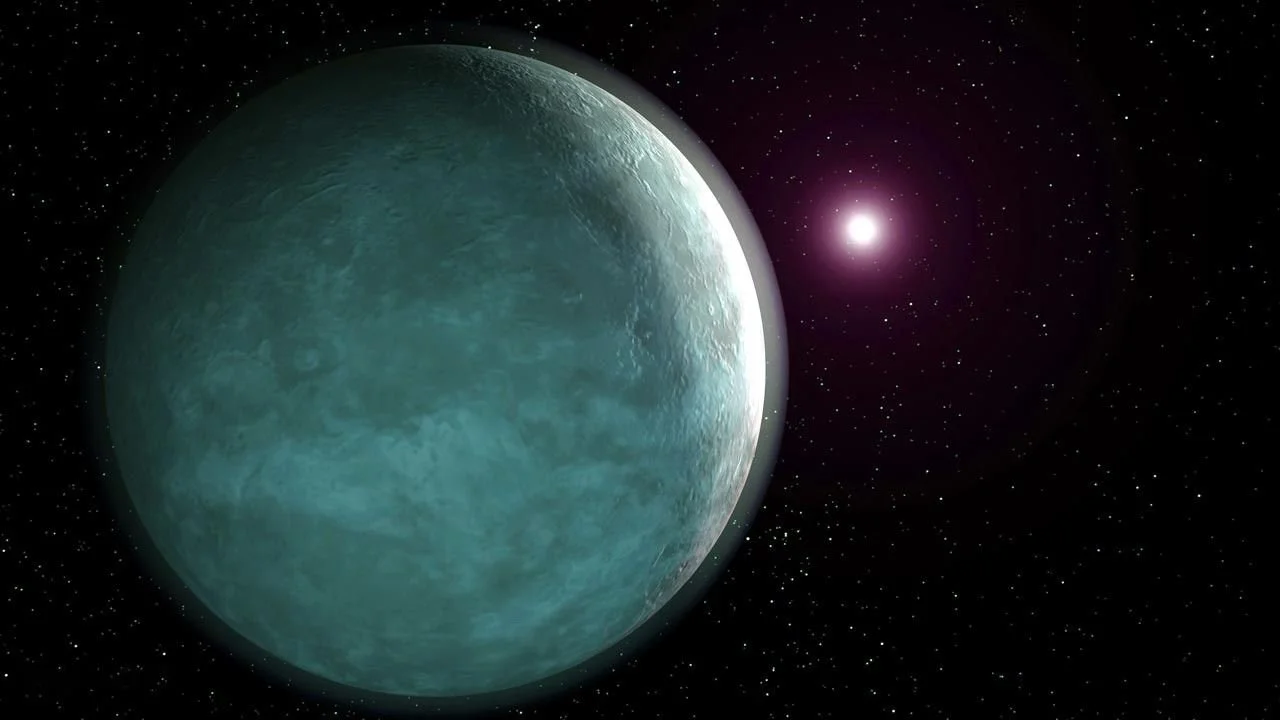
A Planet of Fire and Gas: How Magma Oceans May Explain TOI-270 d’s Mysterious Atmosphere
Matthew C. Nixon and collaborators show that magma-ocean interactions between TOI-270 d’s molten interior and gaseous atmosphere can naturally explain JWST’s detection of H₂O, CH₄, and CO₂ without invoking icy material. Their integrated models link interior chemistry to observable spectra, reproducing the planet’s high metallicity and low C/O ratio. This work suggests that sub-Neptunes’ atmospheres may be strongly shaped by deep, ongoing magma processes.

Binary Stars Illuminate the Secrets of NGC 2506: A Precise Age and Distance for a Middle-Aged Star Cluster
Kadri Yakut et al. used data from Gaia, TESS, and ground-based telescopes to analyze five binary stars in the open cluster NGC 2506. By jointly modeling their light, velocity, and energy distributions, the team derived a precise cluster age of 1.94 billion years and a distance of about 3,200 parsecs. This method demonstrates how binary systems can accurately reveal a cluster’s age, distance, and evolutionary state.
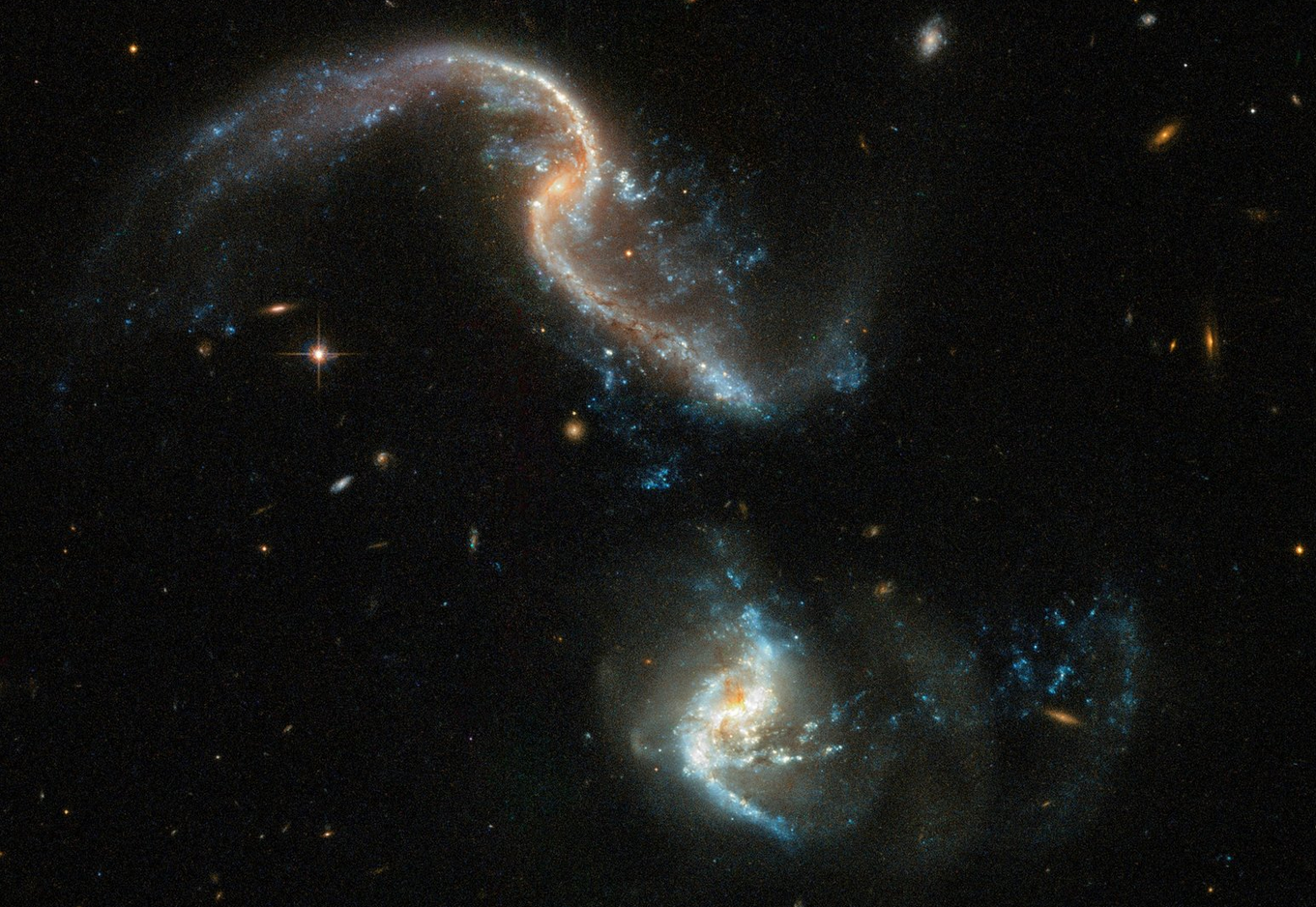
When Galaxies Collide: How a Cosmic Merger Twists Stellar Streams
Claire Guillaume and collaborators used detailed simulations to study how a galactic merger distorts stellar streams, thin trails of stars orbiting the Milky Way. They found that mergers create lasting asymmetries between the leading and trailing arms of these streams, especially for those on wide orbits. These distortions can persist for billions of years, complicating efforts to use stellar streams to map dark matter.
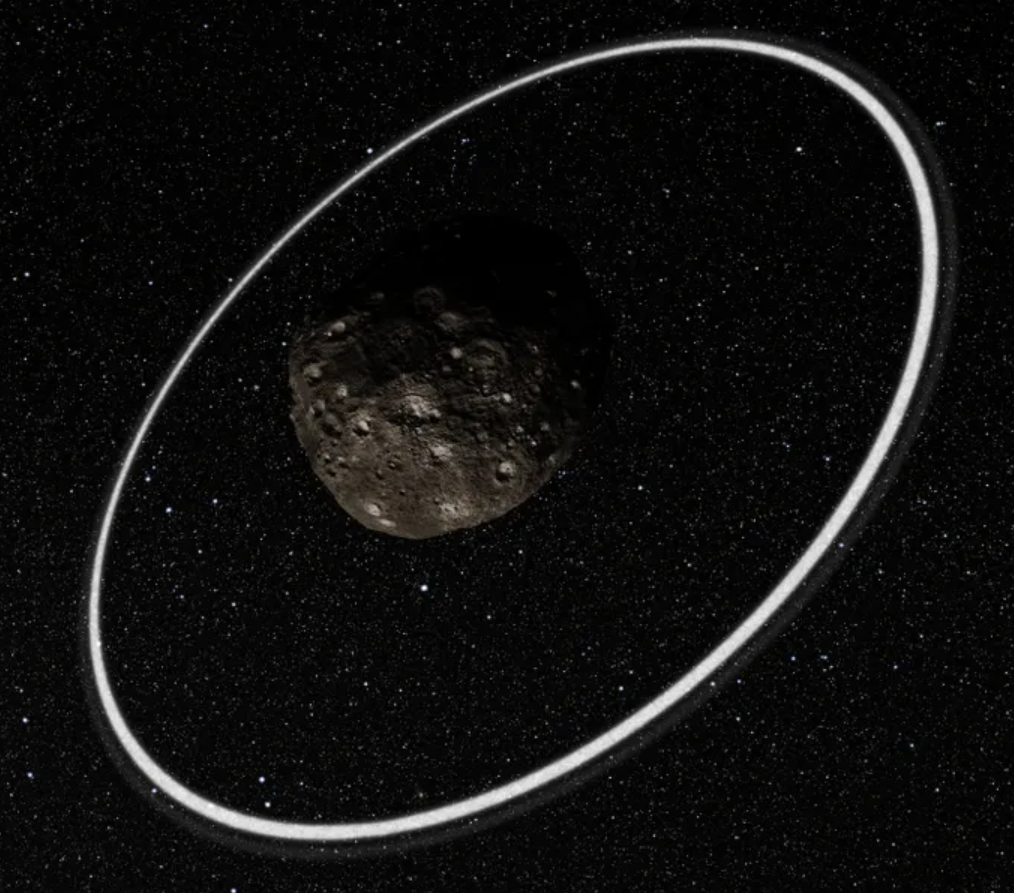
JWST Unveils the Hidden Complexity of Chariklo’s Rings
Using the James Webb Space Telescope, Pablo Santos-Sanz et al. observed Chariklo’s rings through a stellar occultation, revealing unexpected changes. The inner ring (C1R) has grown denser, while the faint outer ring (C2R) appears to be fading, possibly due to dust loss. Models suggest C2R contains tiny silicate grains, and the findings indicate Chariklo’s rings are dynamic, evolving, and may even be transient.
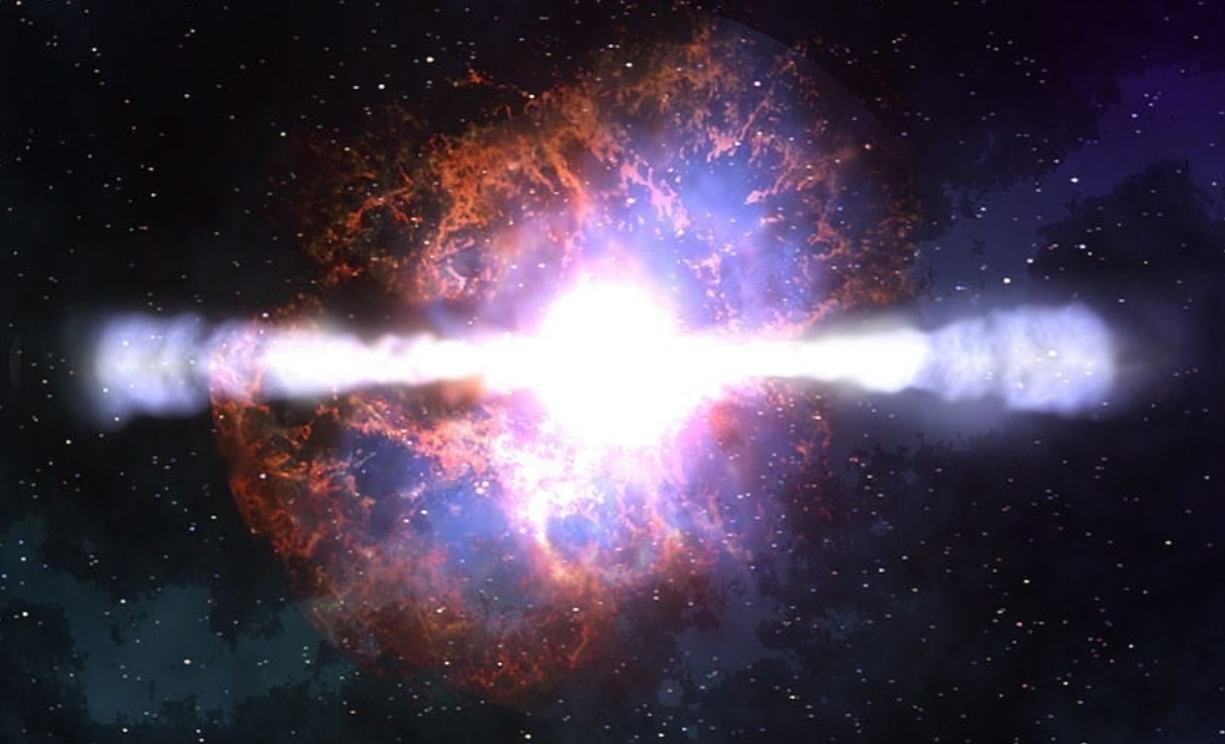
Mapping the Motion of the Milky Way’s r-Process Stars
Pallavi Saraf and collaborators studied how r-process-enhanced stars, those rich in heavy elements formed by rapid neutron capture, move through the Milky Way. Using Gaia data and orbital simulations, they found these stars are almost evenly split between the disk and halo. Most have uncertain origins, though halo stars are more likely accreted. Similar chemical patterns across regions suggest r-process enrichment occurred under comparable conditions throughout the Galaxy.
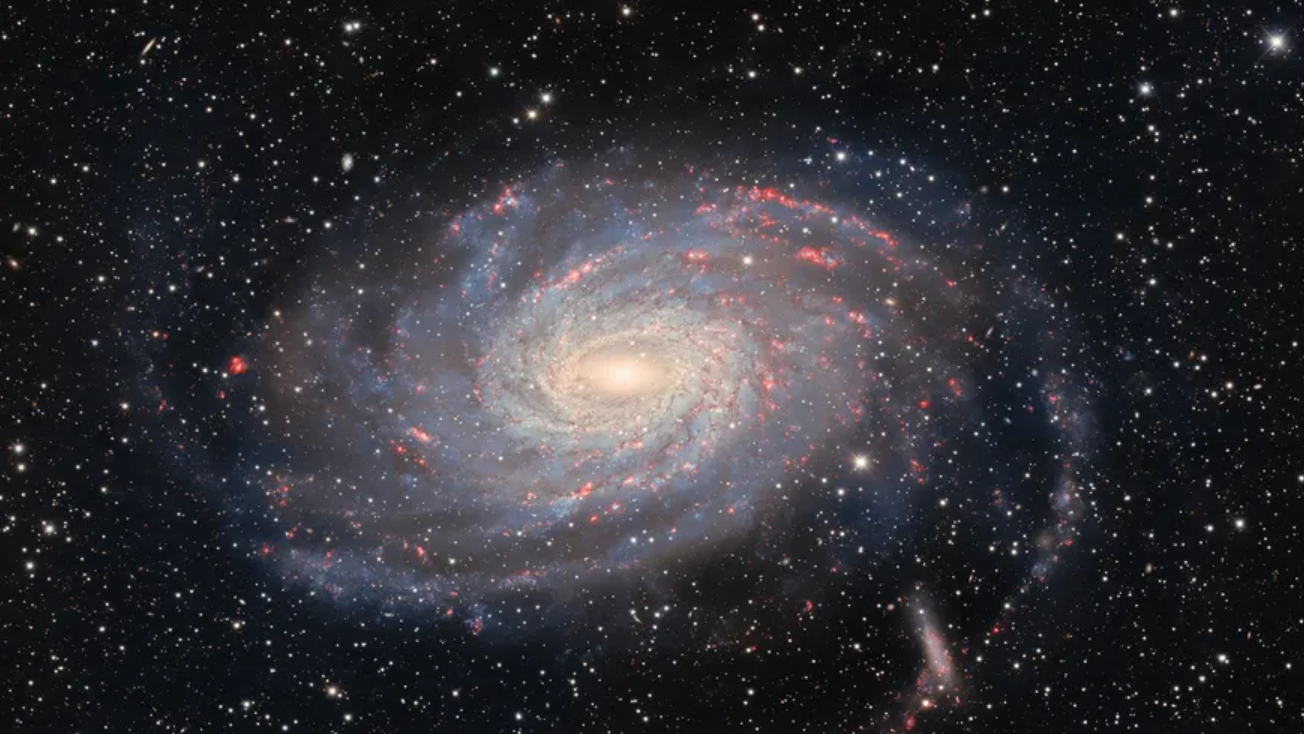
Tracing the Heartbeat of the Milky Way: Bursts of Star Formation Revealed by Gaia
Ruiz-Lara et al. use Gaia data to trace the Milky Way’s inner history through super metal-rich stars near the Sun, which likely migrated outward. Their analysis reveals six bursts of star formation over 13.5–1 billion years, coinciding with major galactic mergers and interactions. The findings suggest that the Galaxy’s center evolved through episodic, interaction-driven events rather than steady star formation.

Probing Hidden Galaxies: Tracing Dark Matter with the GD-1 Stellar Stream
Jacob Nibauer and collaborators analyzed the GD-1 stellar stream’s star motions to study invisible dark matter subhalos around the Milky Way. They found that the stream’s velocity dispersion is higher than expected, suggesting interactions with compact, dense dark matter clumps. Their models show that about 5% of the Milky Way’s mass is in these subhalos, possibly indicating self-interacting dark matter rather than the standard cold dark matter model.
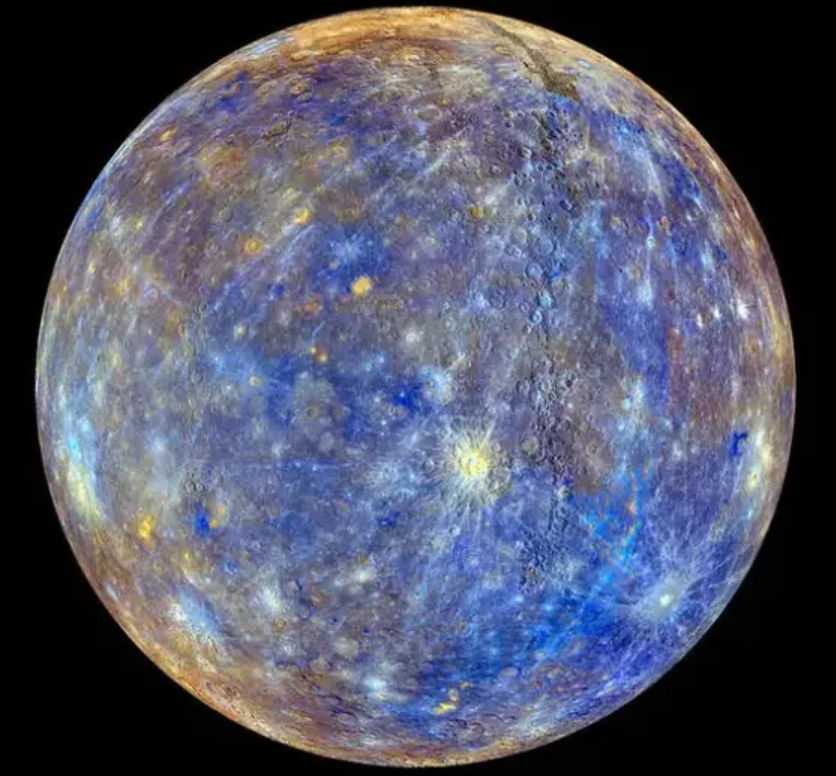
When Impacts Supercharged Mercury’s Ancient Magnetic Field
Isaac Narrett and colleagues show that giant impacts on Mercury, like the Caloris Basin event, could have briefly amplified the planet’s weak magnetic field by up to 20 times through hot plasma generation. These amplified fields may have been recorded in rocks at the impact’s antipode, explaining parts of Mercury’s ancient magnetization, though a stronger ancient dynamo is still needed to account for all observations.

A United Nations for the Stars: Building a Global Effort to Study Interstellar Visitors
The paper by Eldadi, Tenenbaum, and Loeb proposes creating a United Nations Committee on Interstellar Objects (UNCIO) to coordinate global research on interstellar visitors like ‘Oumuamua and 3I/ATLAS. With improved detection from the Vera C. Rubin Observatory, UNCIO would unify observation, mission response, and data sharing while engaging the public through real-time tracking, ensuring humanity never misses a chance to study objects from beyond our solar system.
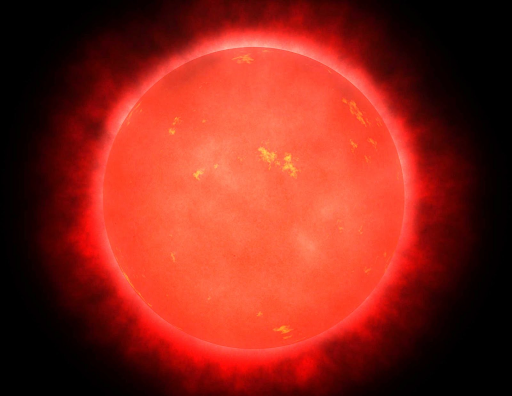
Why We Don’t Live Around a Red Star: Understanding Why M-Dwarfs May Be Unlikely Homes for Observers
David Kipping’s paper argues that our existence around a Sun-like star is unlikely to be random. Using Bayesian modeling, he finds that most M-dwarfs, the Universe’s most common stars, probably cannot host observers like us. His analysis suggests a lower mass cutoff of about 0.34 solar masses, implying that two-thirds of all stars may be inhospitable to complex life and that Sun-like stars are uniquely favorable for observers.

How Giant Planets Collect Their Metals: A New Look at the Mass-Metallicity Relation
Chachan et al. analyze 147 giant exoplanets to refine the mass–metallicity relation. They find that smaller planets are metal-rich, while metallicity decreases with mass but flattens at about seven times solar. This suggests that giant planets continue to accrete heavy elements even during gas accretion, delaying runaway growth until 30–60 Earth masses and challenging classical formation models.

Little Red Dots and the Birth of Black Holes
Little Red Dots (LRDs), discovered by JWST, are extremely dense, compact galaxies seen early in the universe. Andrés Escala and collaborators show that, under the “stellar-only” view, their extreme densities make them unstable and prone to runaway star collisions. No matter the scenario, whole system collapse, shrinking sizes, or collapsing cores, the likely fate of LRDs is to form massive black holes, making them prime sites to study black hole seeds in formation.

A Cosmic Contrail: Clues from a Flyby in NGC 3627
Astronomers led by Zhao discovered a massive contrail of gas and dust in the galaxy NGC 3627, stretching over 20,000 light-years. The structure likely formed when a massive black hole or dwarf galaxy nucleus sped through the disk, compressing gas into a long, turbulent trail. This rare feature provides new clues for detecting hidden compact objects in galaxies.
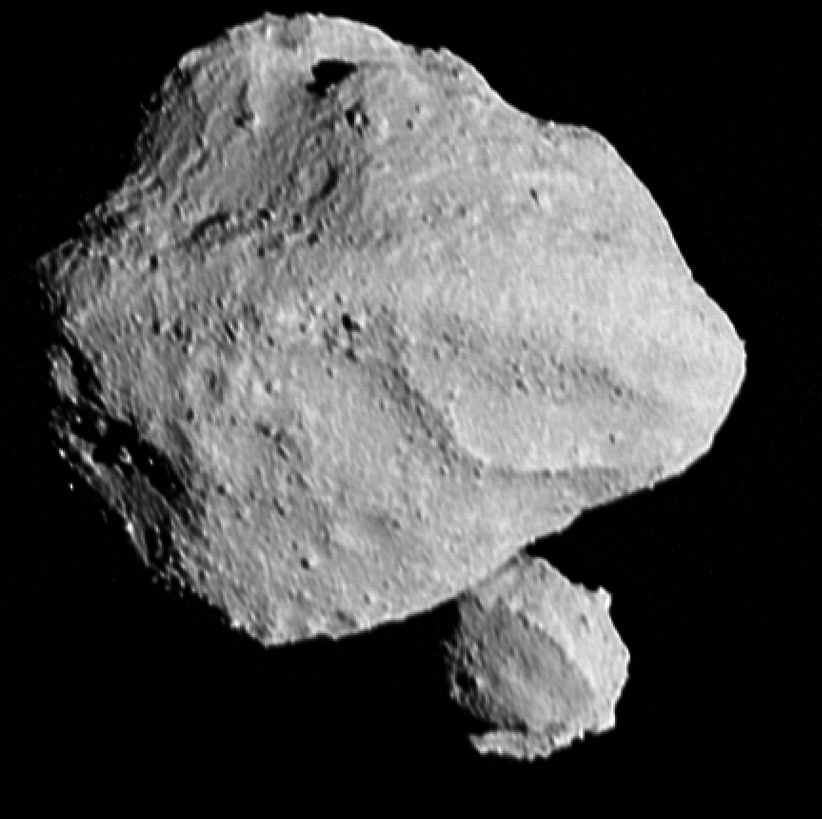
How the Asteroid Belt Shapes Earth’s Impact History
Julio Fernández’s paper explores how the asteroid belt steadily loses mass through both fragments and dust, with about 80% of the loss occurring as dust. This depletion directly shapes Earth’s impact history, linking asteroid belt dynamics to the decline in bombardment over billions of years. Geological evidence suggests past fluctuations, with higher impact rates tied to catastrophic collisions and early gravitational stirring.

Peering Into TRAPPIST-1e: JWST’s First Glimpses of a Habitable-Zone Rocky World
Espinoza and collaborators used JWST to observe four transits of TRAPPIST-1 e, a rocky planet in the habitable zone. They found that stellar activity strongly contaminates the data but developed new statistical methods to handle it. Their results rule out a thick hydrogen-rich atmosphere, suggesting TRAPPIST-1 e, if it has an atmosphere, likely hosts heavier gases such as carbon dioxide.
TRAPPIST-1 d: Searching for Signs of Air on a Nearby Earth-Sized World
Astronomers used JWST to study TRAPPIST-1 d, an Earth-sized planet near the habitable zone of its star. The data revealed a flat transmission spectrum, ruling out thick atmospheres of hydrogen, methane, water vapor, or carbon dioxide. This suggests TRAPPIST-1 d is either airless, has only a very thin atmosphere, or is shrouded by high-altitude clouds, offering key insights into how rocky planets around small stars evolve.
From Clouds to Planets: Tracking Organic Molecules Through Star Formation
Pierre Marchand and collaborators used simulations to study how complex organic molecules (COMs) evolve during star formation. They found that only simple COMs like methanol and ethanol are mostly inherited from the parent cloud, while heavier molecules form later during collapse or in the disk. Abundances change with time and depend on environmental conditions, meaning the chemical makeup of forming planets is shaped by both inheritance and new formation.

Breaking Up Star Clusters: The Source of Blue Light in NGC1275
NGC1275, the central galaxy of the Perseus Cluster, shows unusual bluish light in its inner regions. Levitskiy and colleagues argue this glow comes from the tidal disruption of super star clusters formed about 500 million years ago, triggered by activity from the galaxy’s black hole. The surviving clusters, disrupted stellar streams, and central spiral disk all fit into this unified scenario.

How Binary Stars Complicate the Dark Matter Mystery in Tiny Galaxies
Gration and collaborators show that binary stars can skew measurements of ultrafaint dwarf galaxies by inflating their stellar velocity dispersions. Using simulations, they find unresolved binaries add significant “noise,” sometimes making globular clusters appear like galaxies. The effect is even stronger if the galaxies form fewer low-mass stars. Their work highlights the need to account for binaries when estimating galactic masses and testing dark matter theories.

Building Earth Through Cosmic Collisions: How Giant Impacts Shaped Rocky Planets
The study by Maeda and Sasaki shows that Earth-like planets form through repeated giant impacts and chemical reactions between atmospheres, magma oceans, and cores. Early impacts load protoplanets with too much hydrogen, while later collisions, after the gas disk fades, strip and rebalance this excess. This sequence produces planets with core compositions and densities similar to Earth’s, highlighting the importance of timing in planet formation.