
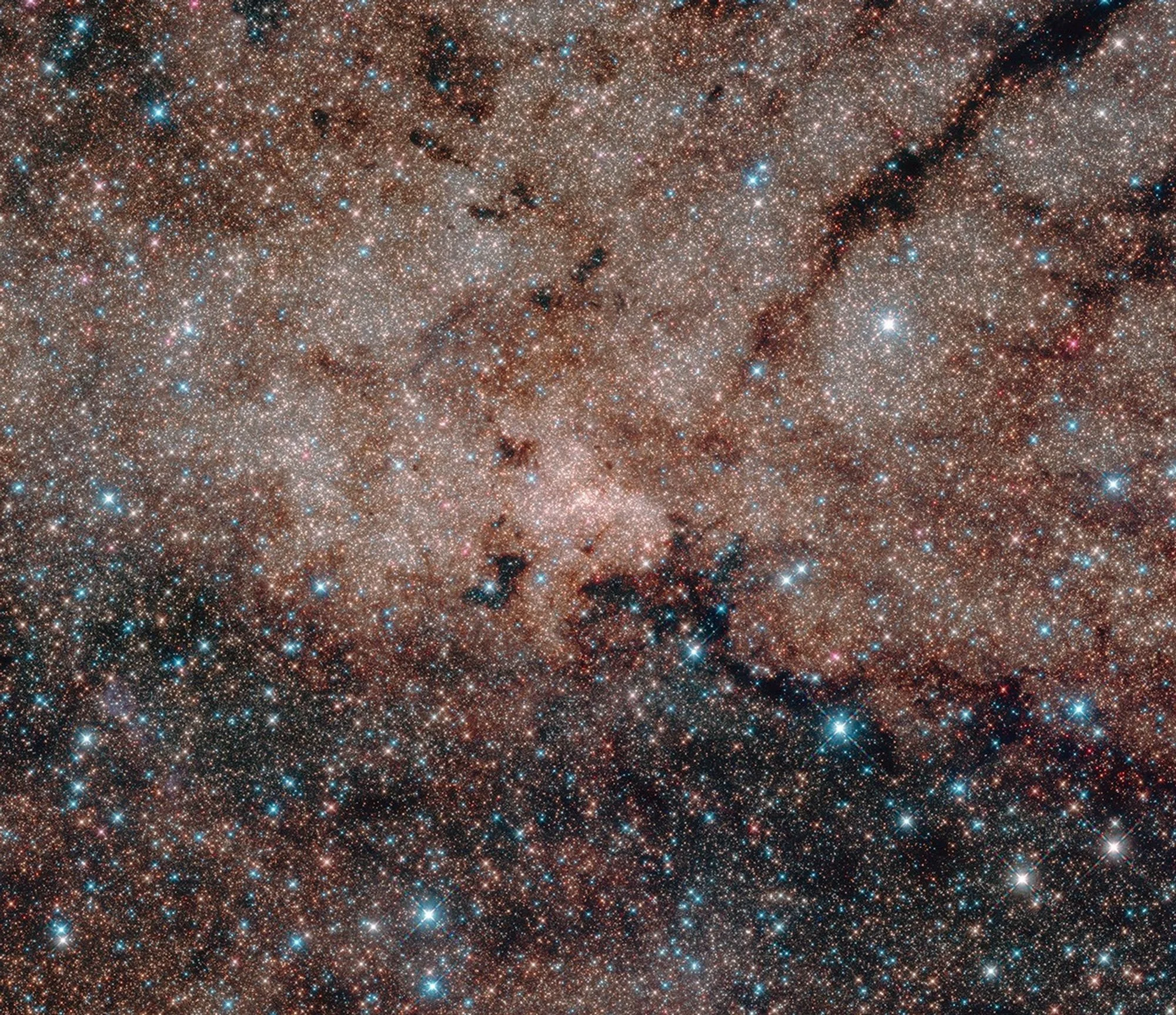
Mapping the Metals at the Milky Way’s Heart: A New Look at the Nuclear Star Cluster
This paper reanalyzes infrared spectra of M giant stars in the Milky Way’s nuclear star cluster using improved models. The authors find two stellar populations, a dominant metal-rich one and a significant metal-poor one, and detect a clear negative metallicity gradient. This gradient provides strong evidence that the cluster formed through an inside-out process driven by gas inflow and ongoing star formation.
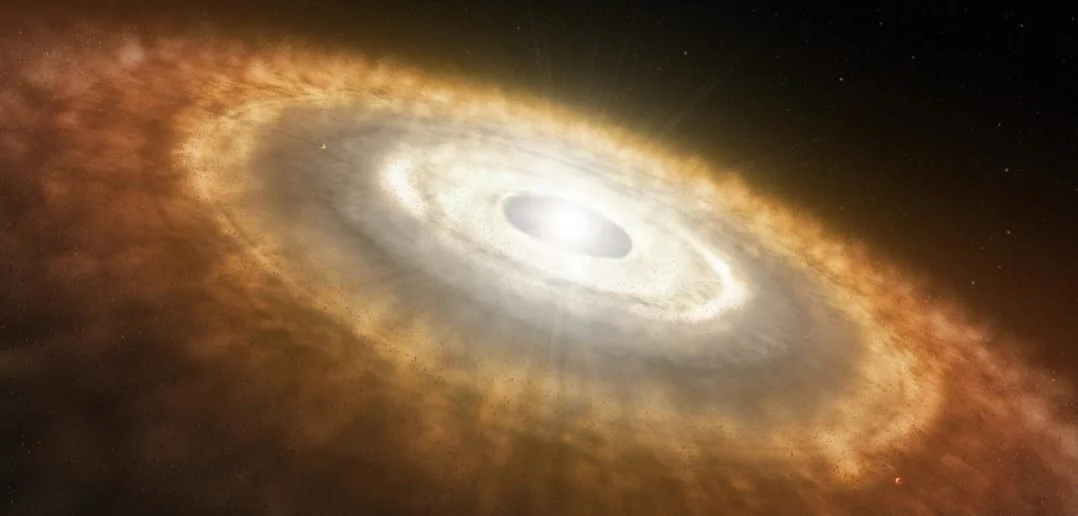
Icy Beginnings: How Growing Planetesimals Warmed, Melted, and Evolved
Kimura et al. model how icy planetesimals heat, melt, and chemically evolve as they grow, showing that final size, growth timing, and accretion rate strongly control whether they stay cold, experience aqueous alteration, or even melt metal. Their results explain how Ryugu’s parent body remained cool while other bodies formed iron meteorites, and they outline conditions that could produce Enceladus-like interiors.
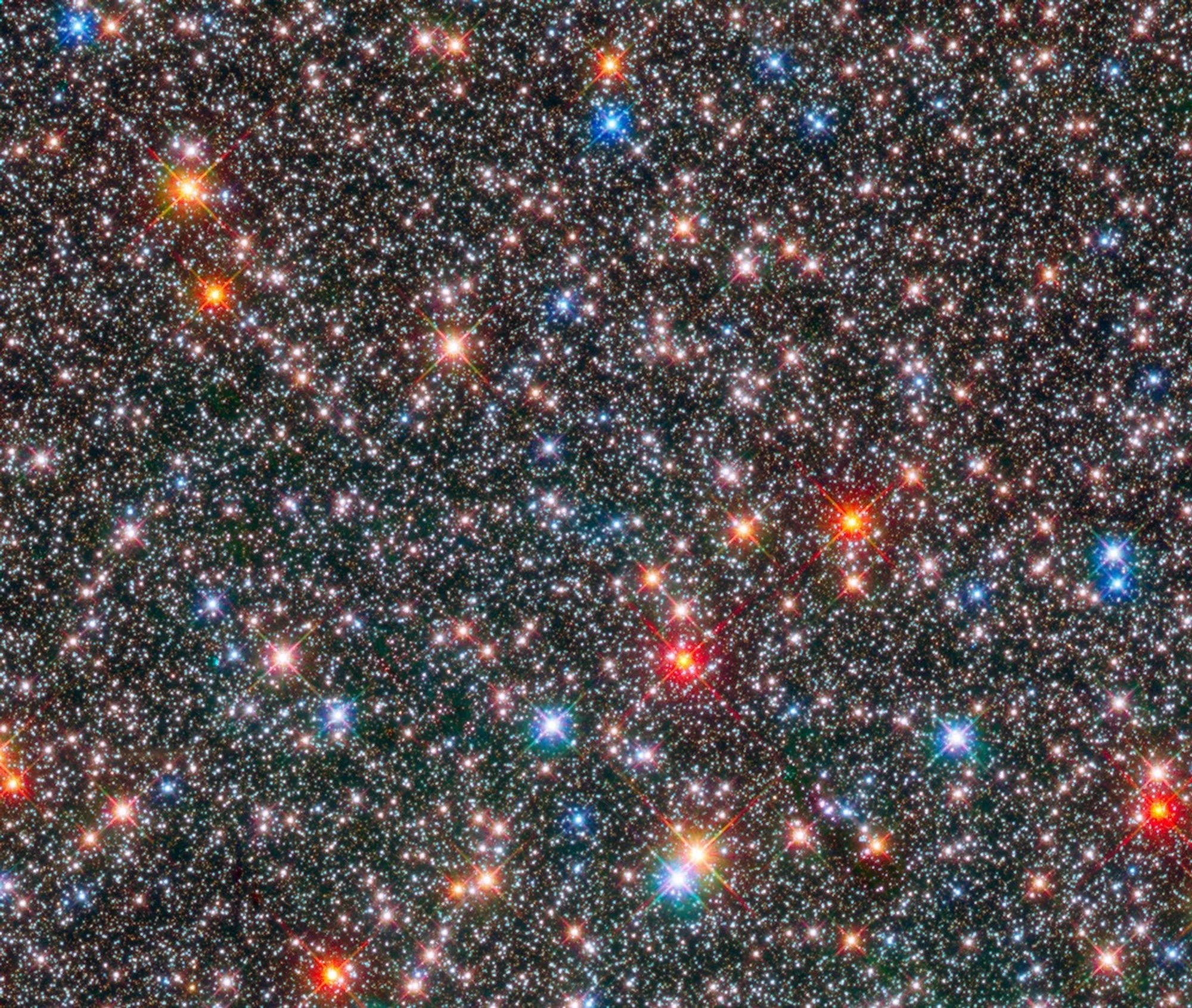
Revisiting the Two-Infall Model: How the Milky Way’s Bulge Formed in Two Acts
Miller et al. (2025) use over 30,000 chemical evolution models and machine learning to show that the Milky Way’s bulge formed in two major stages, a rapid early starburst followed by a slower, smaller second infall about 5 billion years later. This two-infall model explains the bulge’s bimodal metallicity and supports a composite origin involving both classical collapse and later bar-driven evolution.
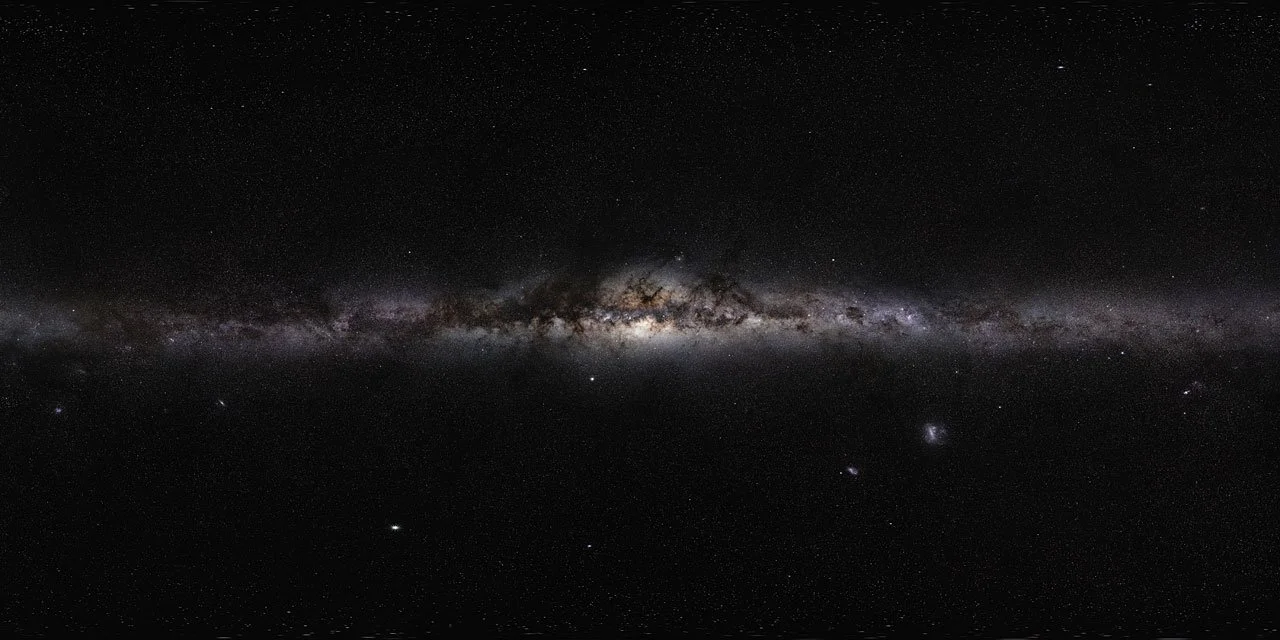
When Galaxies Tug: The Fragile Dance of the Milky Way’s Satellite Plane
Pilipenko and Arakelyan study how Andromeda’s gravity affects the Milky Way’s “thin plane” of satellite galaxies. Using simulations based on cosmological models, they find that environmental forces can destabilize this plane within 2–3 billion years. While inner satellites remain stable, distant ones drift away, suggesting the plane is a temporary structure shaped by the Milky Way’s interaction with its cosmic neighborhood.
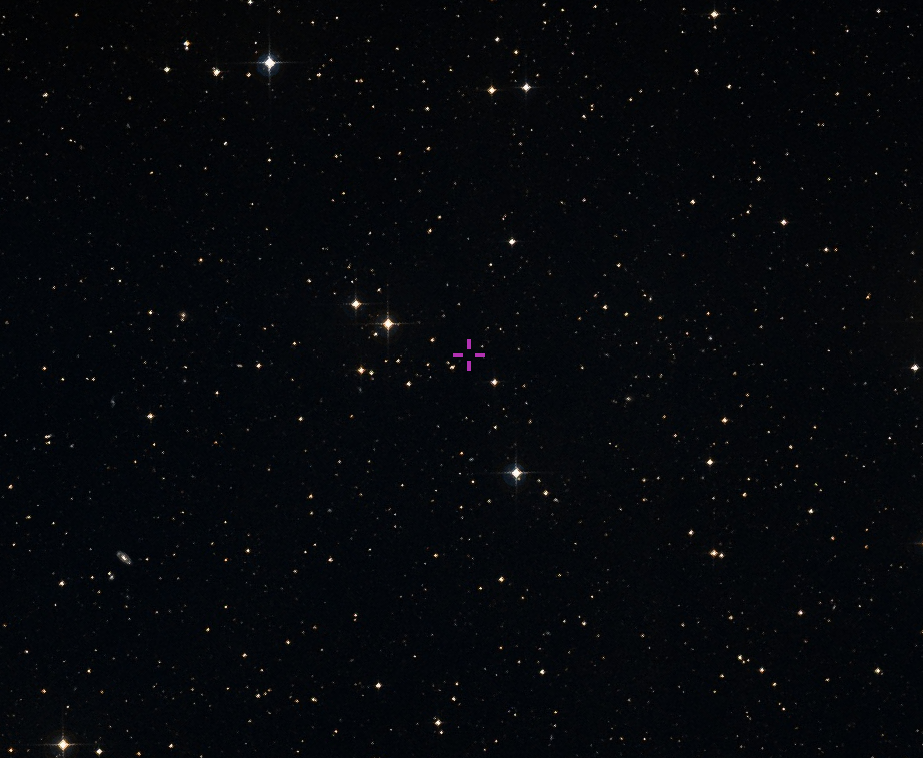
Crater II: A Ghostly Galaxy Losing Its Grip
Crater II is a faint Milky Way satellite that is clearly being torn apart by tidal forces. Using deep DECam imaging, Vivas et al. mapped 46 variable stars and uncovered long stellar tails stretching nearly 10° across the sky. These stars show a strong distance gradient, confirming that Cra II is losing mass as its stars are stripped away. The study strengthens the view that Cra II is in an advanced stage of tidal disruption.

Tracing the Galactic Memory: How Flow Matching Unlocks the Story of the GD-1 Stellar Stream
Viterbo and Buck use advanced simulations and a machine-learning method called Flow Matching to decode the GD-1 stellar stream’s “dynamical memory.” By modeling both the Milky Way’s gravitational potential and GD-1’s original star cluster, they show that stellar streams can strongly constrain galactic structure. Their approach accurately recovers key parameters and demonstrates a scalable path toward simulation-driven galactic archaeology.
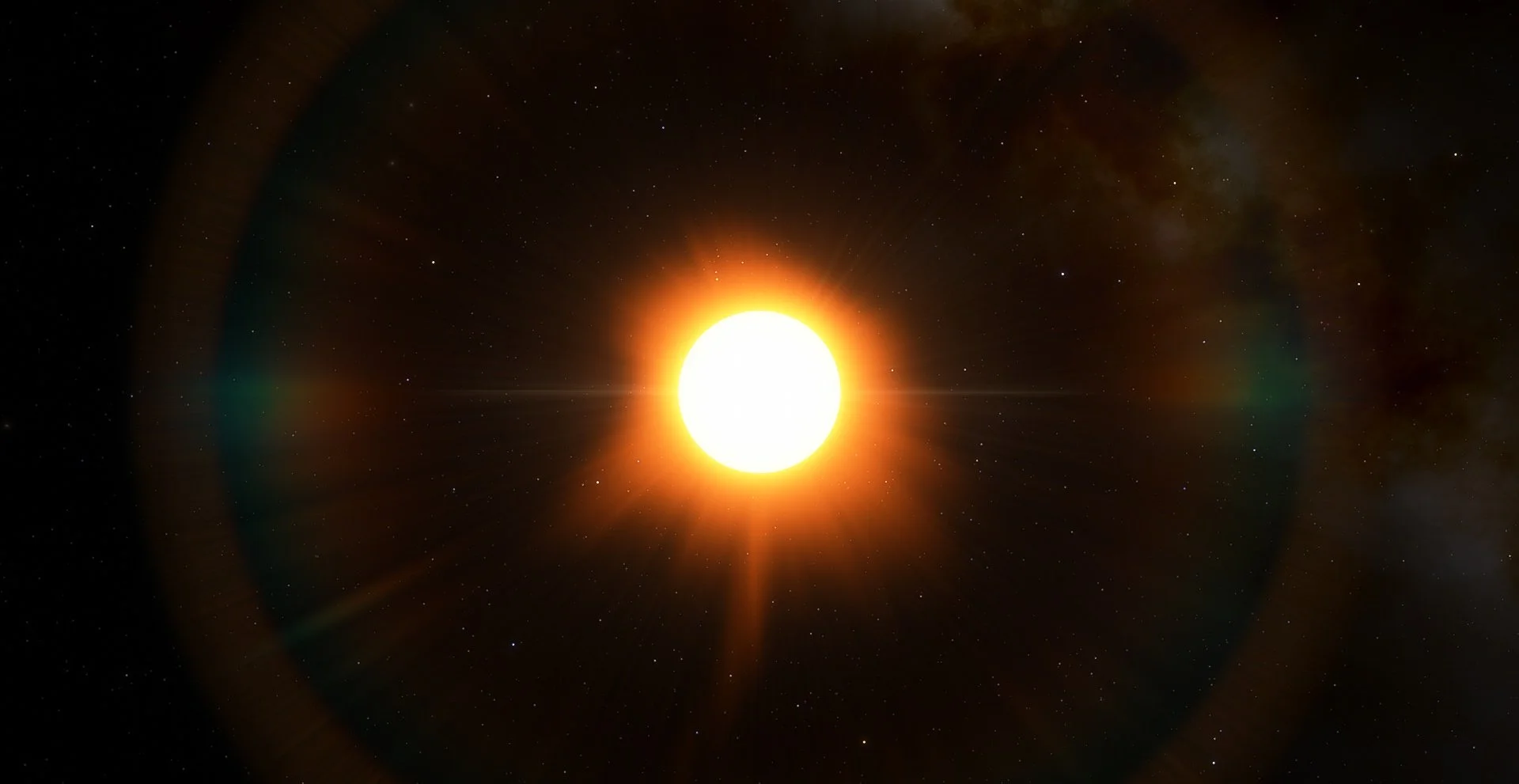
JEWELS: Reading the Chemical Fingerprints of Planet-Hosting Stars
The JEWELS survey presents precise chemical abundances for 20 FGK stars observed in JWST Cycle 2, enabling consistent comparisons between stellar compositions and exoplanet atmospheres. Sun and collaborators identify wide chemical diversity, including carbon-enhanced and α-rich stars, which may shape planet interiors and atmospheric chemistry. This uniform stellar dataset forms a foundation for linking JWST atmospheric measurements to planetary formation pathways.
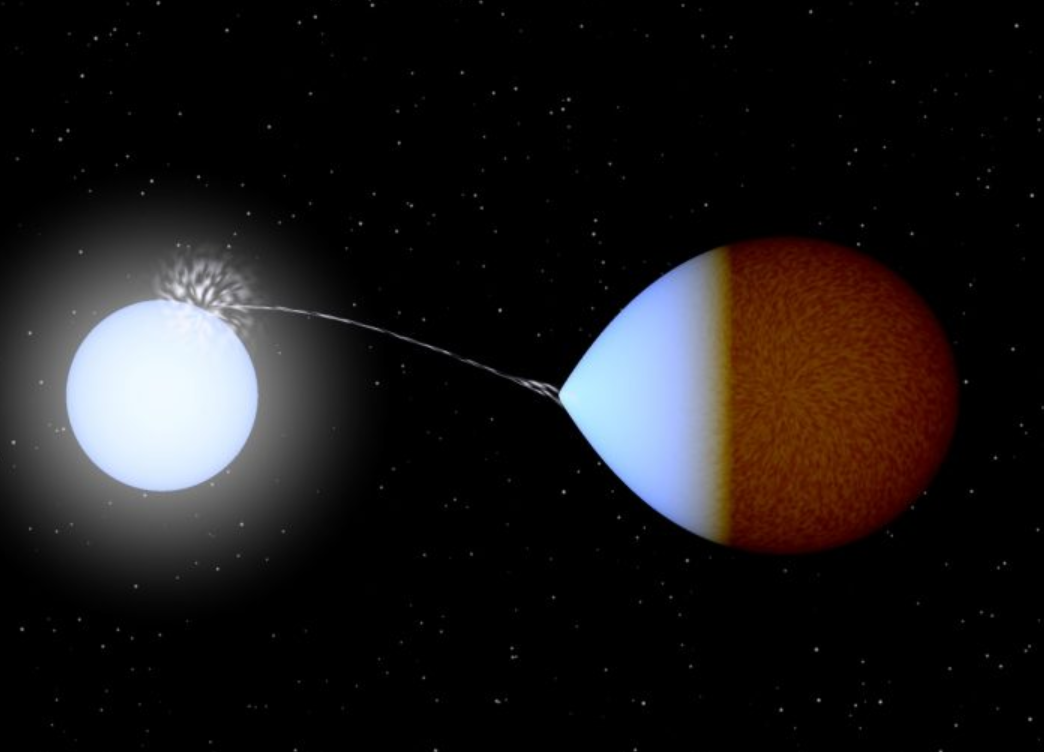
Tracing the Origins of a Cosmic Pair: Unveiling the History of the Ultra-Compact Binary ZTF J2252−05
W. Yu et al. used Hubble’s ultraviolet observations to study the AM CVn system ZTF J2252−05, revealing a hot, helium-rich white dwarf with an extreme nitrogen-to-carbon ratio. This chemistry rules out the helium-star formation path, favoring either the white-dwarf or cataclysmic-variable origin. Their results show how UV spectroscopy can precisely trace the evolution of ultra-compact binary stars.
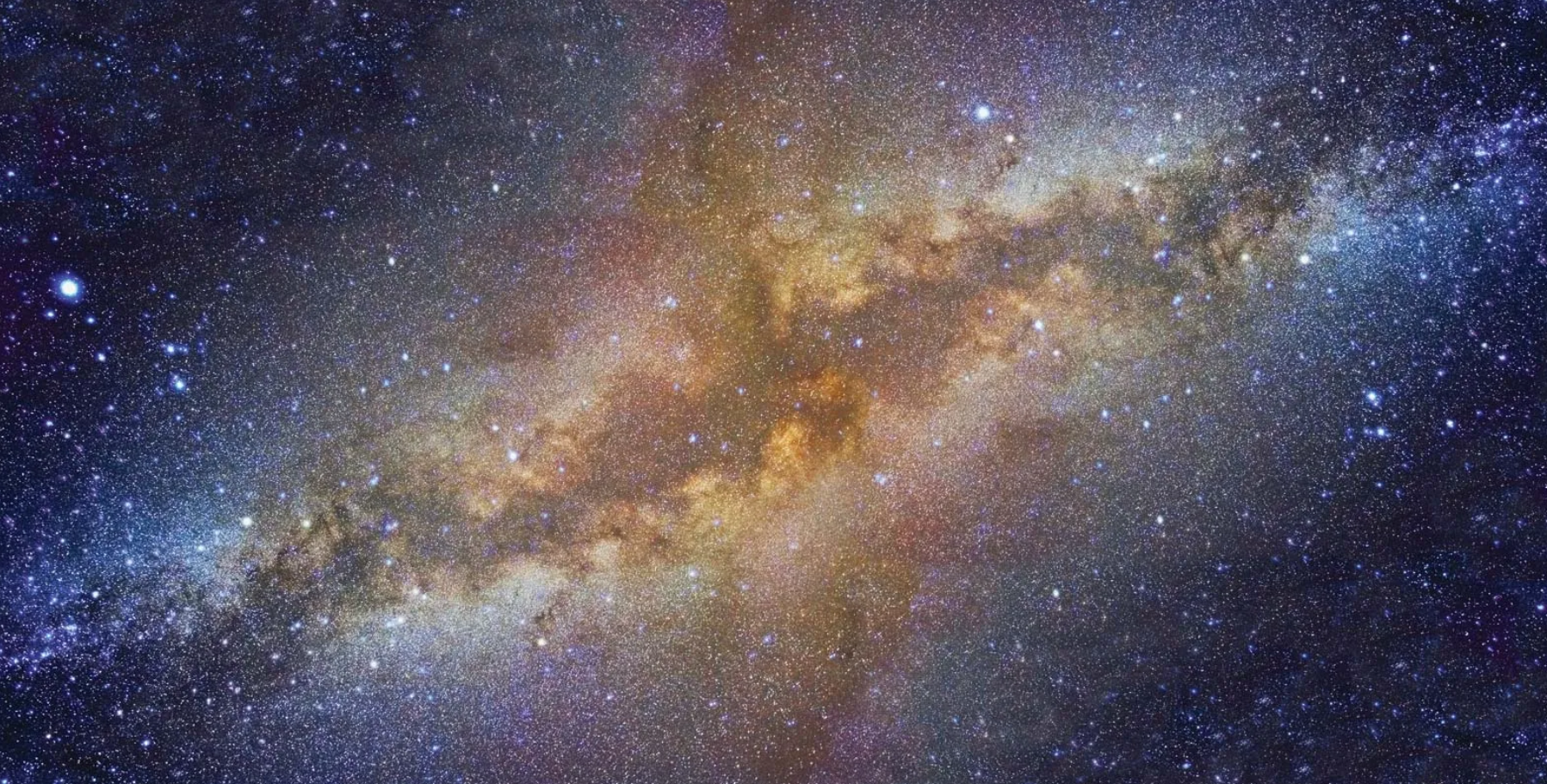
A Twisted, Two-Break Milky Way Halo: What DESI Reveals
DESI observations of distant K giant stars reveal that the Milky Way’s stellar halo is triaxial, tilted, and twists with distance, switching from oblate and disk aligned inside 30 kpc to prolate and nearly perpendicular outside. The halo’s density shows two major breaks linked to past mergers, including Gaia Sausage Enceladus and the Large Magellanic Cloud. Several overdensities and metal poor stars further trace the Galaxy’s complex assembly history.
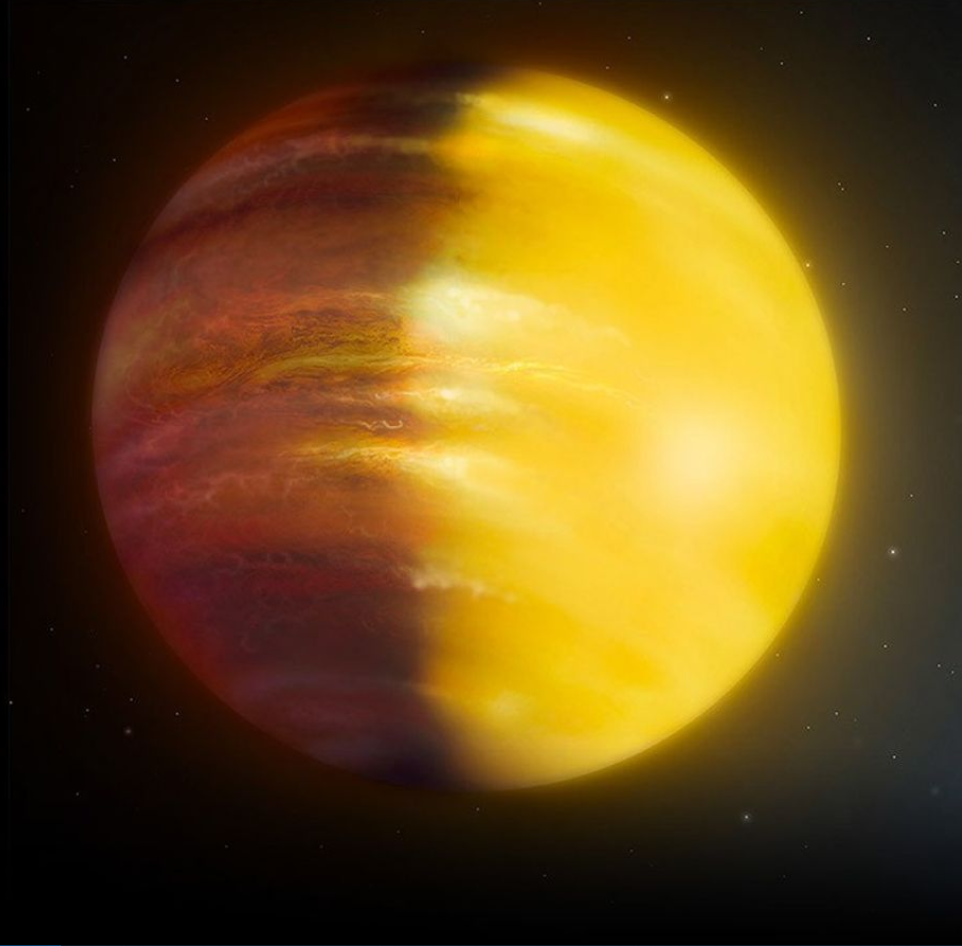
When Growing Giants Push Back, How Gas Accretion Drives Planets Outward
Ida and collaborators show that gas-accreting giant planets can migrate outward rather than inward, thanks to an asymmetry in gas flow around the planet created during accretion. This effect occurs only when the planet opens a moderate-depth gap in the disk, captured by the range (0.03 <= K' <= 50). The authors develop a semi-analytical formula describing this behavior and demonstrate that such outward migration helps explain why many gas giants are found beyond 1 au.
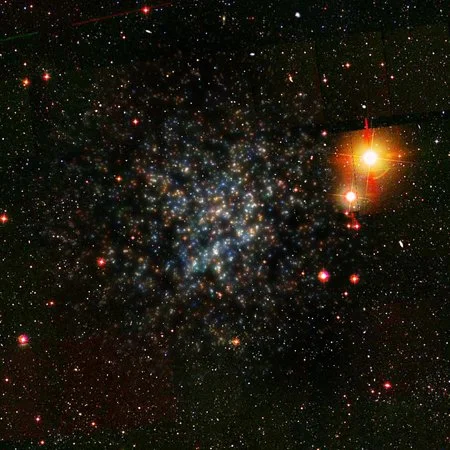
Unearthing Ancient Stars: The Hidden History of the Boötes I Dwarf Galaxy
Muratore et al. (2025) used Hubble and JWST data to study the ultra-faint dwarf galaxy Boötes I, revealing that about 85% of its stars have very low metallicities ([Fe/H] < −2). They found a total binary fraction of ~30%, similar to that in star clusters of comparable mass. These results show Boötes I is an ancient “fossil” galaxy, preserving stars from the Universe’s earliest generations.
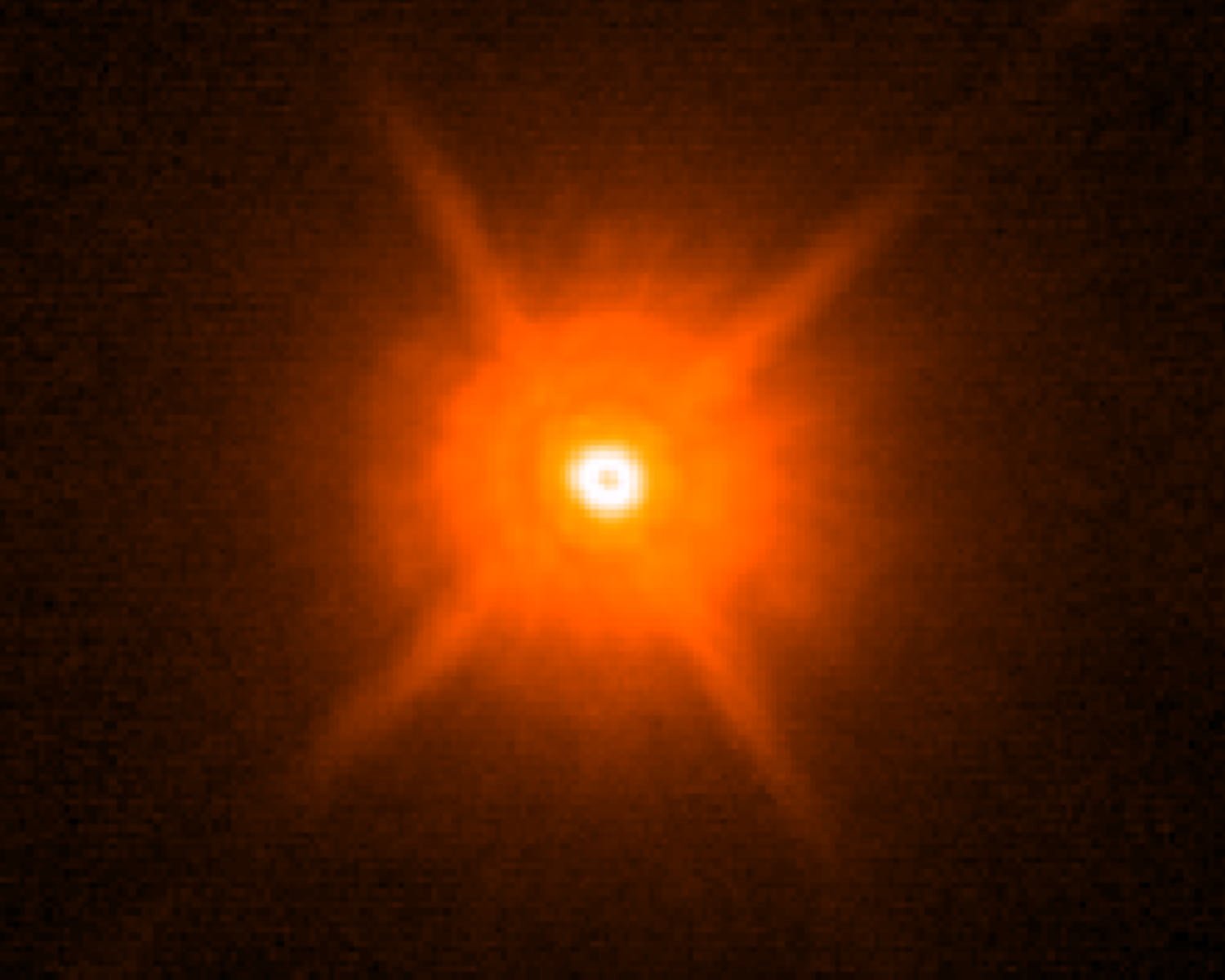
The Star That Reveals a Hidden Cosmic Process: SMSS J0224−5737 and the Weak r-Process
SMSS J0224−5737 is an extremely metal-poor star showing the strongest known weak r-process signature, with very high Sr, Y, and Zr but extremely low Ba and Eu. Its chemical pattern, including an unusually high zinc abundance, points to enrichment by a magneto-rotational supernova rather than a neutron star merger or electron-capture supernova. This makes the star a key probe of how the earliest heavy elements formed in the universe.

Unraveling the Origins of Molybdenum and Ruthenium in the Milky Way Disk
This study measures molybdenum and ruthenium in 154 giant stars in the Milky Way disk to better understand how these elements were produced. The authors find that both elements decrease in abundance relative to iron as stars become more metal-rich, matching trends seen in zirconium but not strontium. Their abundance ratios suggest that the s-process and r-process explain most observations, though additional contributions, such as the i-process or neutrino-driven winds, may still be needed to account for the remaining scatter.
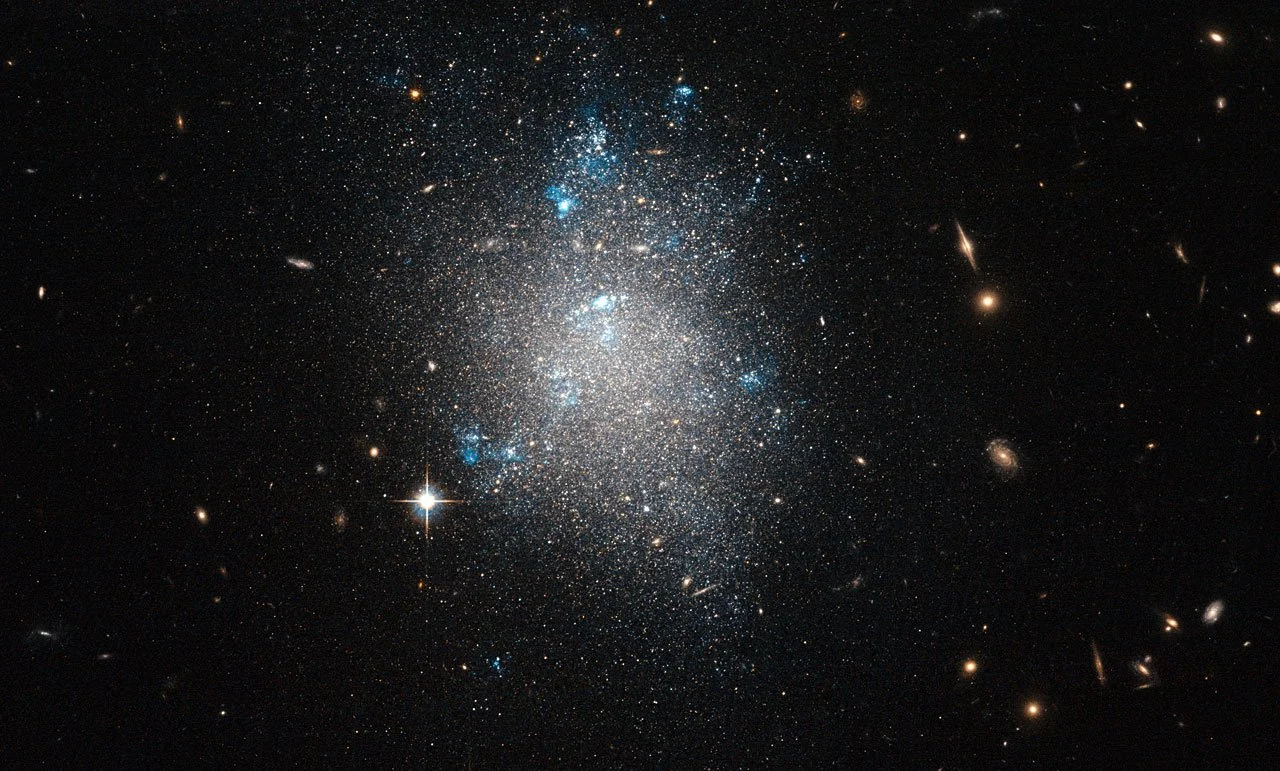
Mapping the Metallic Hearts and Ancient Halos of Dwarf Galaxies
Tau et al. study 17 simulated dwarf galaxies to track how their stars’ ages and metallicities change from the center to the stellar halo. They find universal negative metallicity gradients, frequent U-shaped age profiles driven by in-situ stars, and strong links between halo properties and the timing of satellite accretion. Overall, dwarf stellar halos preserve clear signatures of each galaxy’s unique merger and star-formation history.

Tracking Carbon Through the Milky Way: What the Stars Tell Us About How Carbon Forms
The paper investigates how carbon is produced in the Milky Way by comparing chemical evolution models with APOGEE observations of subgiant stars. The authors find that massive stars must produce more carbon at higher metallicity, while AGB stars contribute a delayed but significant fraction, about 10–40% of the Sun’s carbon. Their results suggest that current AGB models may underestimate carbon production from lower-mass, longer-lived stars.
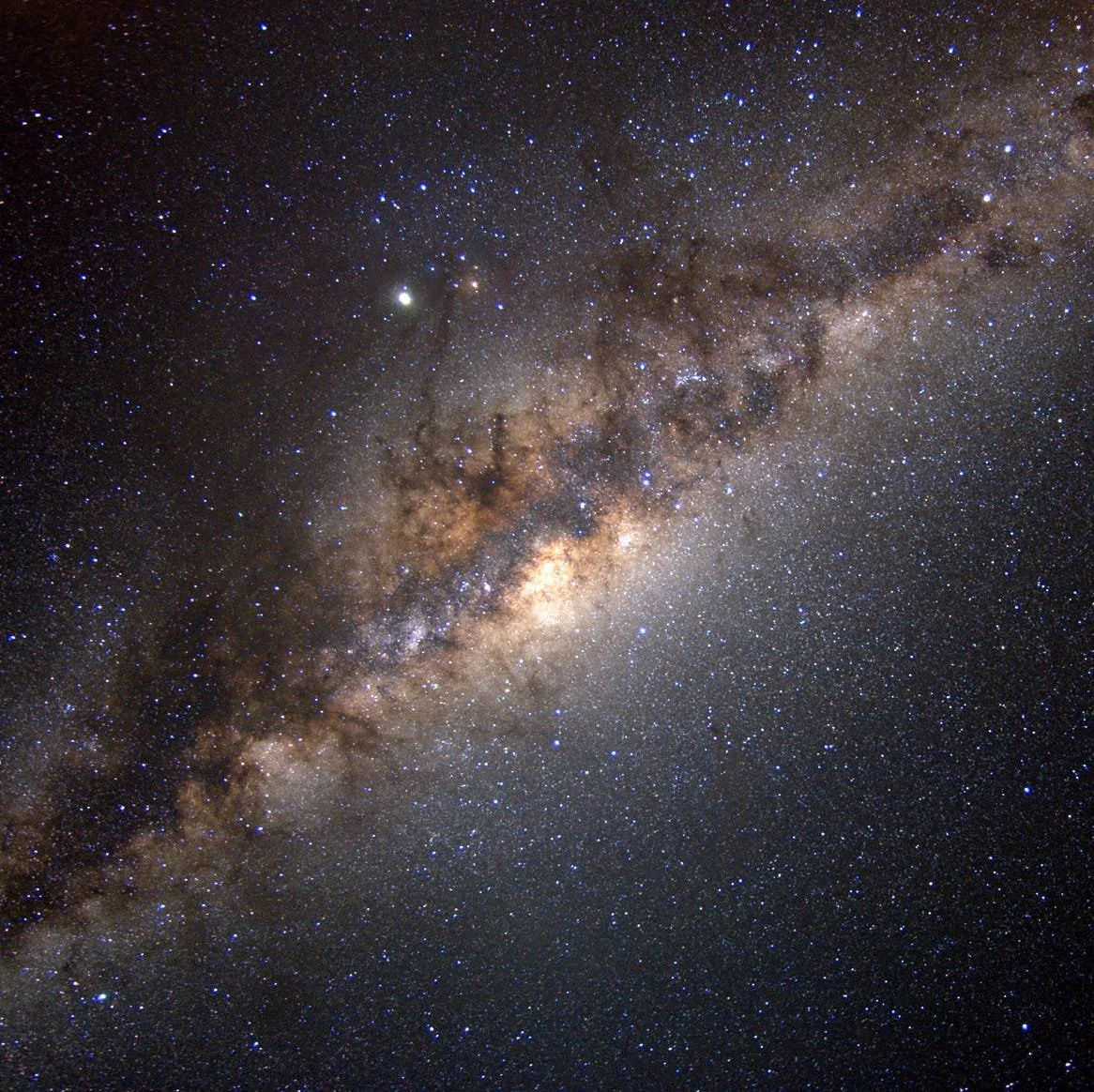
The Milky Way’s Peculiar Primordial Halo: A Shallow Core with a Steep Decline
Li et al. (2025) use Gaia data and a numerical “reverse–compression” method to infer the Milky Way’s primordial dark matter halo. They find an unusual structure: a shallow inner core and a steep outer decline, unlike halos predicted by standard cold dark matter models. Neither baryonic feedback nor alternative dark matter models fully explains this combination, suggesting gaps in current theories of dark matter or galaxy formation.
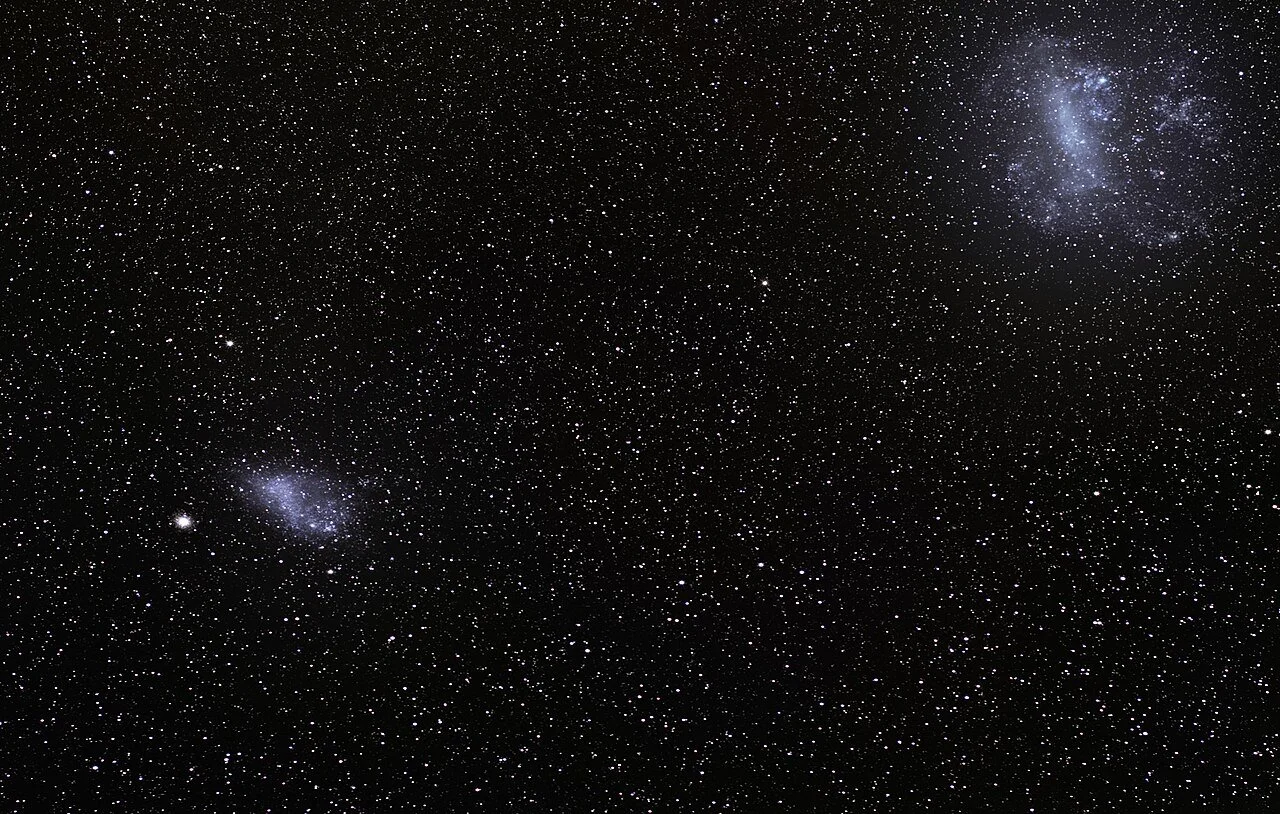
Extending the Magellanic Stream: A Hidden Ionized Trail Across the Galactic Plane
Bo-Eun Choi and collaborators discovered a highly ionized northern extension of the Magellanic Stream using Hubble’s ultraviolet observations. The new region, traced mainly by C IV absorption, extends about 60° beyond the known Stream and shows similar velocity and ionization patterns. Modeling suggests collisional ionization at around 10⁵ K, adding up to 60% more ionized mass and offering new clues to the Magellanic Clouds’ recent orbital history.

Heavy Elements in a Swirling Storm: How Neutron Stars Inside Common Envelopes Forge the Universe’s Rarest Atoms
Anninos et al. model how a neutron star inside a common envelope can forge heavy elements as infalling gas heats, cools, and cycles through turbulent convection. Their simulations show that both r-process and rare p-nuclei can form, even in slightly proton-rich conditions, because high entropy and rapid expansion prevent neutrons from being fully locked into alpha particles. Some material escapes the star’s gravity, suggesting CE systems may contribute to the Universe’s heaviest elements.
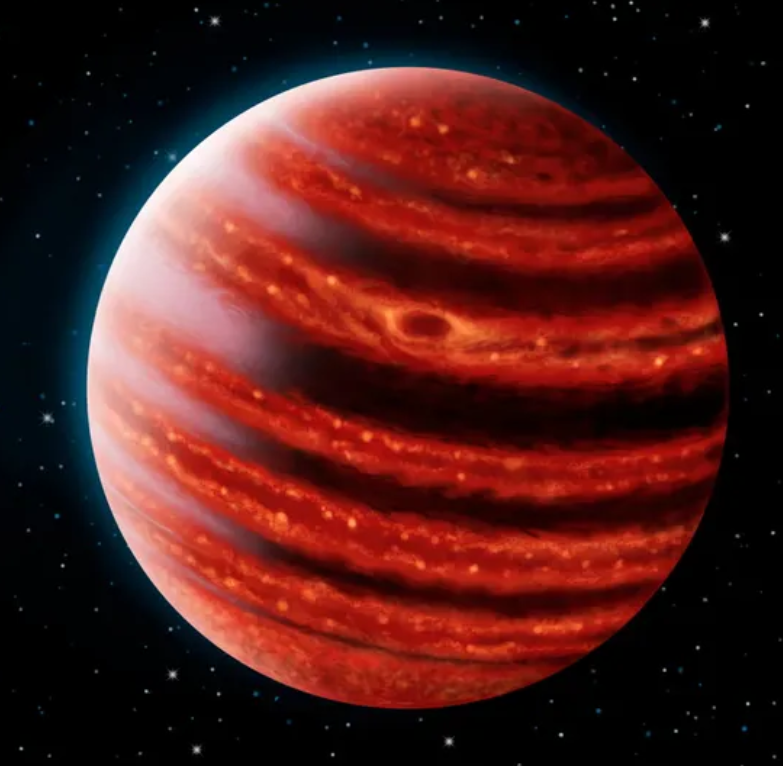
Born to Be Habitable: How the First Moments of Planet Formation Shape Worlds Like Ours
The paper argues that a planet’s ability to host life is shaped very early, during its formation in the protoplanetary disk. Farcy and collaborators highlight how bulk composition, volatile elements, core structure, and internal heat all arise from these initial conditions and later control atmospheres, magnetic fields, and surface environments. They conclude that comparative planetology, studying planets alongside their host stars, is essential for understanding how habitable worlds emerge.
A Fossil Star Without Planets? A High-Precision Look at BD+44°493
BD+44°493 is an ancient, extremely metal-poor star whose chemistry preserves the imprint of a single early-Universe supernova. Using new high-precision NEID spectra, the authors refined its elemental abundances, age, and Galactic orbit, confirming it as a second-generation star about 12–13 billion years old. Ultra-precise radial velocities show no evidence of planets and rule out companions more massive than ~2 Jupiter masses on short orbits.