
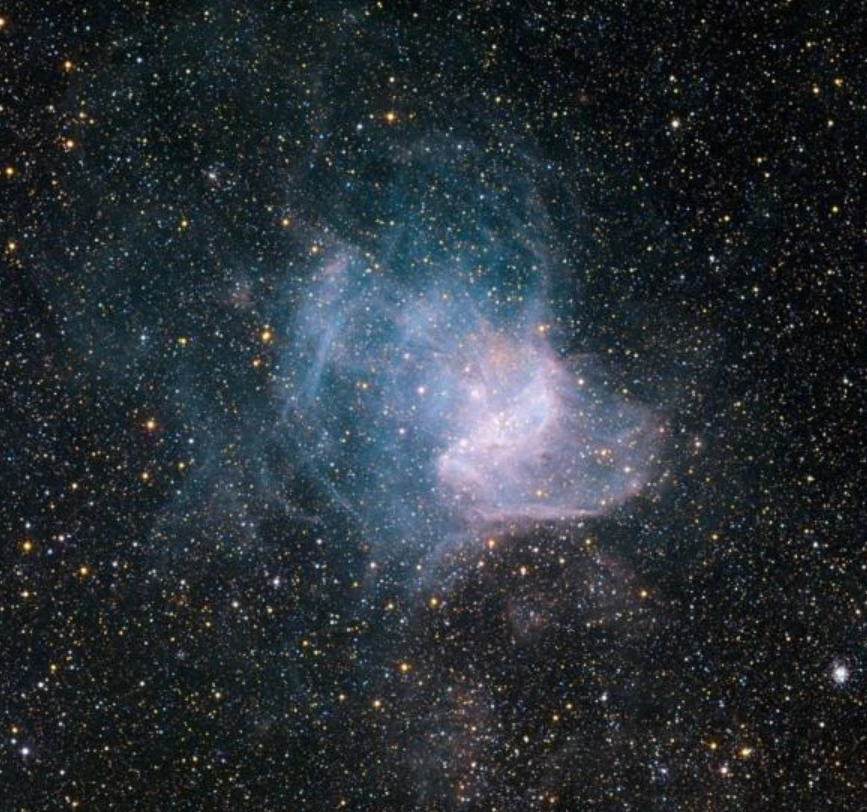
Tracing the Chemical DNA of the Small Magellanic Cloud’s Oldest Stars
The study analyzes 12 of the oldest stars in the Small Magellanic Cloud to trace how heavy elements formed early in the galaxy’s history. It finds that neutron-capture elements are dominated by the r-process, with large star-to-star variations caused by rare enrichment events and inefficient gas mixing. These patterns reflect the SMC’s slow star formation and distinct chemical evolution compared to the Milky Way.
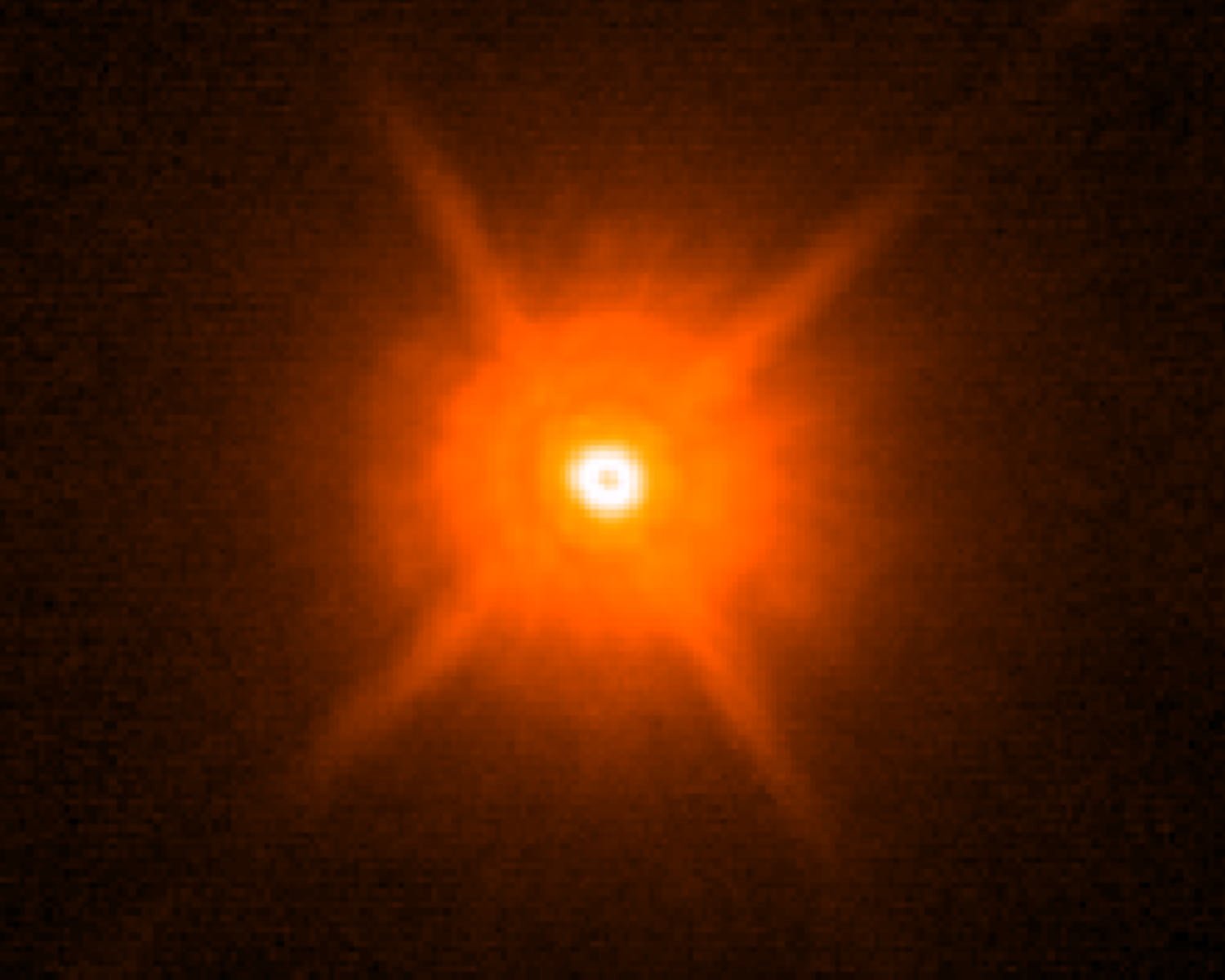
The Star That Reveals a Hidden Cosmic Process: SMSS J0224−5737 and the Weak r-Process
SMSS J0224−5737 is an extremely metal-poor star showing the strongest known weak r-process signature, with very high Sr, Y, and Zr but extremely low Ba and Eu. Its chemical pattern, including an unusually high zinc abundance, points to enrichment by a magneto-rotational supernova rather than a neutron star merger or electron-capture supernova. This makes the star a key probe of how the earliest heavy elements formed in the universe.

Heavy Elements in a Swirling Storm: How Neutron Stars Inside Common Envelopes Forge the Universe’s Rarest Atoms
Anninos et al. model how a neutron star inside a common envelope can forge heavy elements as infalling gas heats, cools, and cycles through turbulent convection. Their simulations show that both r-process and rare p-nuclei can form, even in slightly proton-rich conditions, because high entropy and rapid expansion prevent neutrons from being fully locked into alpha particles. Some material escapes the star’s gravity, suggesting CE systems may contribute to the Universe’s heaviest elements.

Rare Earth Elements in the Stars: Detecting Dy, Er, Lu, and Th in Cepheids
Trentin et al. (2025) analyzed 60 Classical Cepheids in the C-MetaLL survey, detecting rare elements, Dysprosium, Erbium, Lutetium, and Thorium, for the first time in such stars. Using high-resolution spectroscopy, they confirmed a negative metallicity gradient across the Milky Way and showed that Cepheids trace its spiral arms. These results reveal Cepheids as powerful probes of Galactic chemical evolution and heavy-element enrichment.
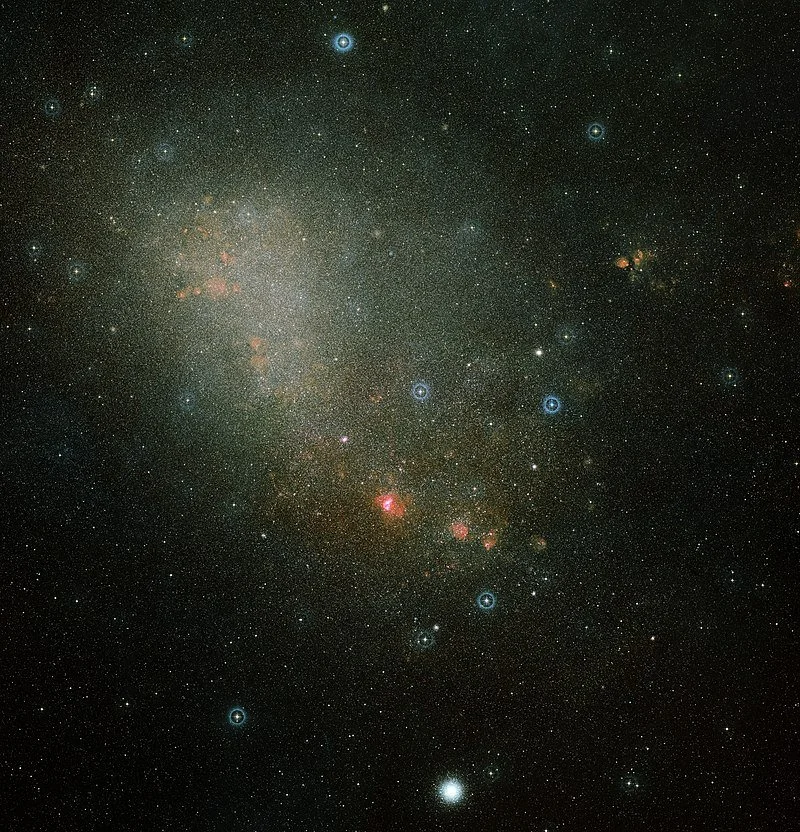
Tracing Cosmic Origins: Europium in the Small Magellanic Cloud
Anoardo et al. present the first large survey of europium in 209 stars of the Small Magellanic Cloud, tracing how heavy elements formed there. They find the SMC has high [Eu/Mg] ratios, signifying strong r-process enrichment, compared to the Milky Way. This suggests dwarf galaxies produce europium more efficiently due to slower star formation, offering key insight into how such systems contributed heavy elements to our Galaxy.
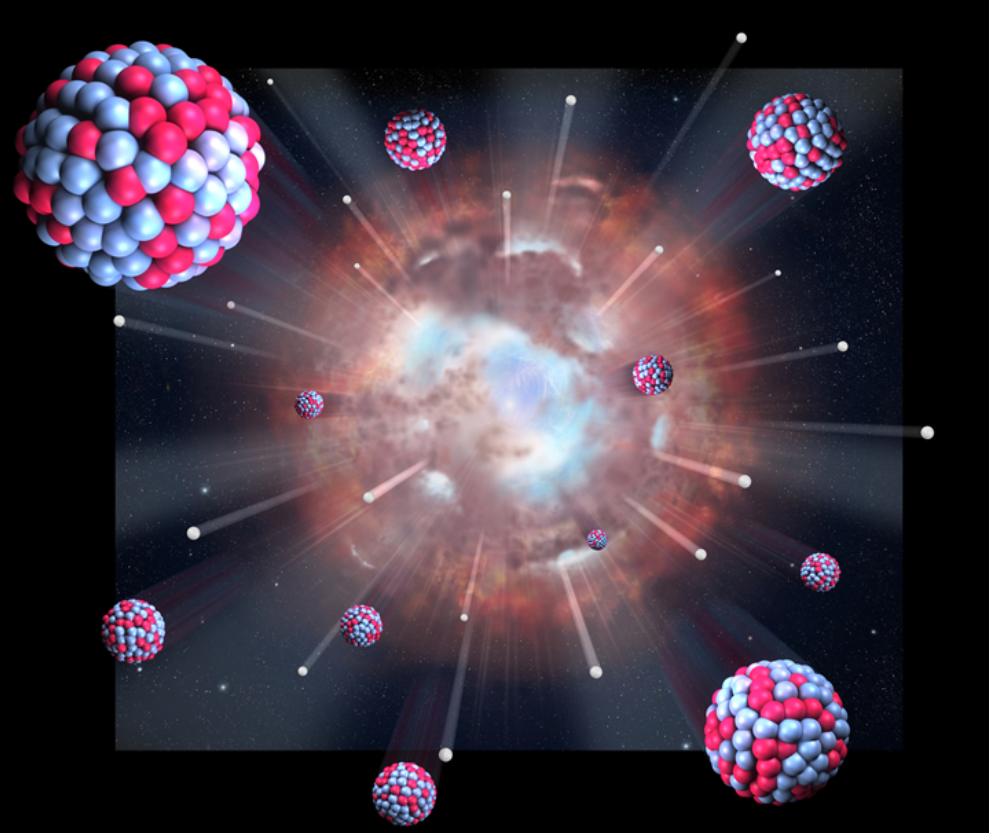
Tracing the Origins of the Universe’s Heaviest Elements: The R-Process Alliance Examines Ten Ancient Stars
Racca et al. (2025) studied ten ancient, r-process-enriched stars to uncover how the universe creates its heaviest elements. Using high-resolution spectroscopy, they found nearly identical abundance patterns across stars from distinct origins, with minimal variation (<0.1 dex). This surprising uniformity suggests that r-process nucleosynthesis, likely from neutron-star mergers or similar extreme events, follows a consistent, universal mechanism throughout cosmic history.

Seeing the Hidden Differences: Neutron-Capture Elements in Stellar Doppelgängers
Catherine Manea and collaborators studied “chemical doppelgängers,” stars that look identical in APOGEE survey data. Using high-resolution optical spectra, they found that while these stars match in lighter elements, they often differ in heavier neutron-capture elements like Ba and Eu by up to 140%. This shows APOGEE alone can miss hidden chemical differences, highlighting the need for optical data to fully trace the Milky Way’s history.
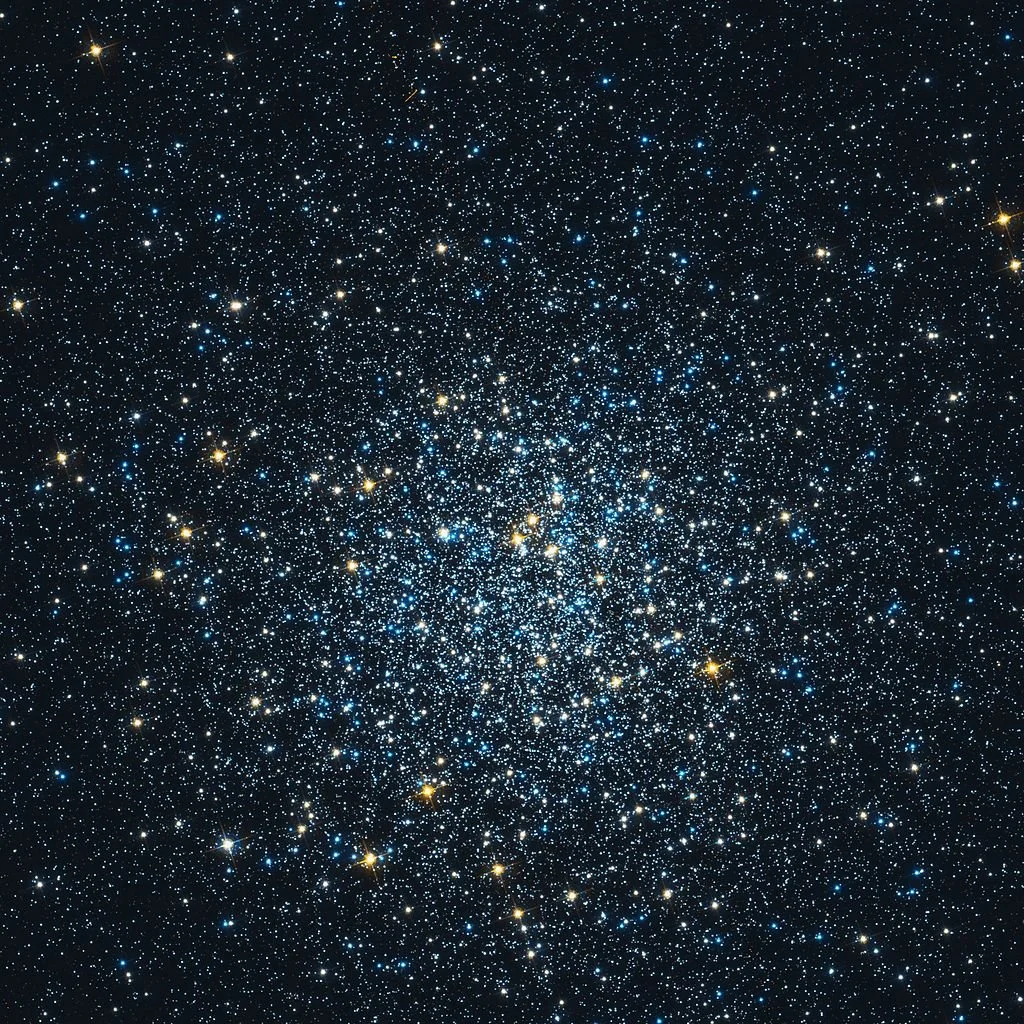
A Tenuous Signal: Searching for Heavy Element Dispersion in the Stars of M5
Nalamwar and collaborators studied 28 stars in the globular cluster M5 using Keck spectra to test for r-process variations. They found a small spread in neodymium among first-generation stars but no clear dispersion in europium or second-generation stars. This suggests early, uneven enrichment of heavy elements in M5, possibly from a rare stellar explosion or merging gas clouds, though the evidence remains tentative.

Tracing the Heavy Elements: How Neutron-Capture Chemistry Connects Stars and Planets
Sharma et al. studied 160 planet-hosting stars, measuring nine neutron-capture elements to explore links between stellar chemistry and planet formation. Most abundances match normal Galactic evolution, but zirconium, lanthanum, and cerium are often enhanced. In giant stars, several elements correlate with higher planet masses. Younger, metal-rich systems tend to be richer in refractory elements, hinting at possible chemical fingerprints of planet formation.

Elemental Secrets of a Stellar Stream: Chemical Abundances in GD-1’s Disrupted Cluster
Zhao et al. analyzed seven stars in the GD-1 stellar stream using high-resolution spectroscopy, finding remarkably consistent metallicities and element abundances. The results support a single low-mass globular cluster origin, with no evidence for multiple stellar populations. Elevated europium levels point to early r-process enrichment, while low strontium and yttrium suggest limited s-process contribution.

Forging the Light Elements: How Low-Metallicity Novae Could Shape the Early Universe
This study explores how low-metallicity novae—stellar explosions in early, metal-poor environments—can trigger a weak rp-process, producing elements heavier than calcium. Using simulations and Monte Carlo analysis, the authors identify key nuclear reactions and highlight their astrophysical impact. These novae may leave detectable chemical signatures, offering clues to the early Universe’s element formation.
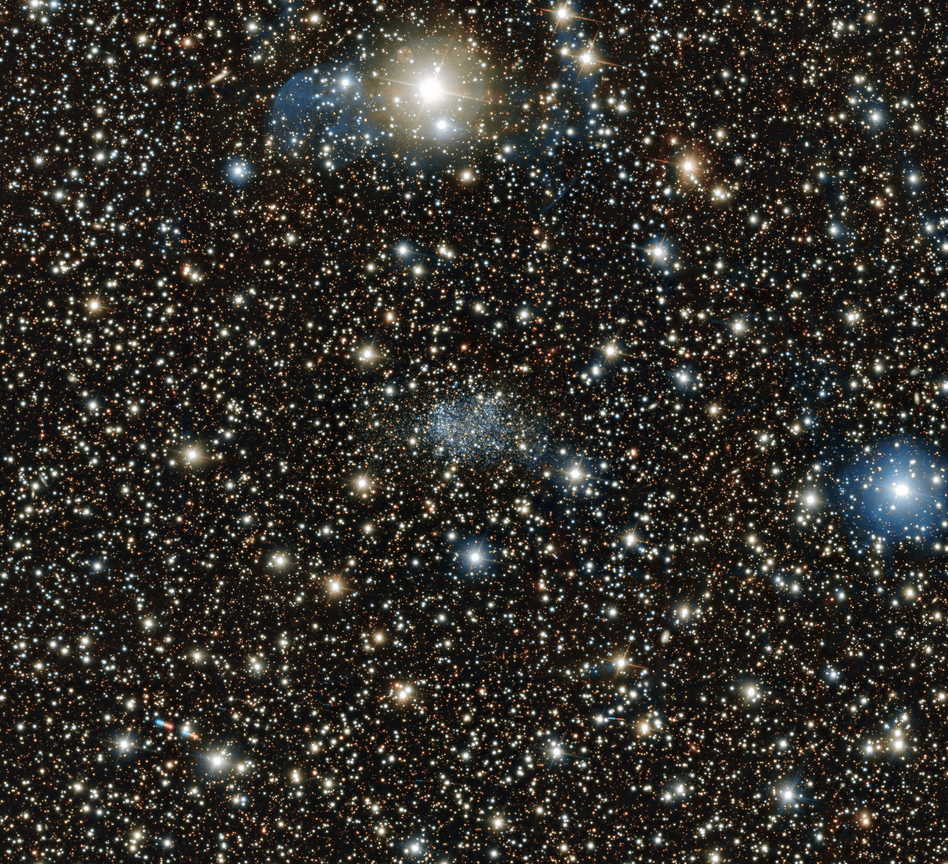
Unpacking the Chemical History of a Galaxy in Ruins: A Close Look at the Sagittarius Dwarf
This study analyzes 37 stars in the Sagittarius dwarf galaxy to trace its chemical evolution. It finds that Sagittarius experienced slower star formation than the Milky Way, with fewer massive stars and more contributions from certain types of supernovae and neutron-capture events. These findings suggest the galaxy once had a complex and rich history before being disrupted by the Milky Way.

Clues from the Cosmic Past: Unraveling the Chemical History of NGC 2298
This study analyzes 13 stars in the globular cluster NGC 2298 using the Gemini South telescope. It identifies two stellar generations with distinct light element patterns and finds notable variations in heavier elements like Sc, Sr, and Eu. These differences suggest complex, uneven early chemical enrichment from supernovae and rare r-process events, highlighting the cluster’s dynamic formation history.

Digging for Cosmic Gold: Unveiling the Secrets of a Rare r-Process Star in the Ultraviolet
Hansen et al. analyze the metal-poor star J0538, revealing detailed abundances of 43 elements, including rare r-process products like gold and cadmium. Using UV observations from Hubble, they find unexpected star-to-star variation, suggesting non-LTE effects. Their findings support ongoing efforts to trace the cosmic origins of heavy elements and hint at the star’s possible origin in a disrupted dwarf galaxy.

Exploring the Chemical Fingerprints of Metal-Poor Stars: Insights from the MINCE III Project
The MINCE III project analyzes 99 intermediate-metallicity stars to understand neutron-capture elements, key to the Milky Way’s chemical history. Using high-resolution spectra, the study reveals chemical abundances, including unique findings like a lithium-rich star. Results align with models of Galactic evolution, highlighting the origins of heavy elements through processes like supernovae and neutron-star mergers, advancing our understanding of the Galaxy's formation.

Decoding the Chemical Puzzle of the Sagittarius Dwarf Galaxy
Researchers analyzed 37 stars in the Sagittarius Dwarf Galaxy to study its chemical evolution. They found significant enrichment of heavy elements through the r-process, likely from neutron star mergers. Stars in the galaxy's core and tidal streams showed similar chemical patterns, indicating a shared history. The study highlights how dwarf galaxies contribute to the universe's chemical complexity.

The Riddle of Cosmic Heavyweights: How Stars Forge Elements in the Early Universe
The CERES project investigates how early stars formed heavy elements through neutron-capture processes. Focusing on 52 ancient metal-poor stars, the study found that the rapid r-process dominated at low metallicities, while the slower s-process emerged later. Variations in element abundances suggest diverse nucleosynthesis events, with findings aligning well with galactic chemical evolution models, shedding light on the universe's early chemical enrichment.