

Unveiling the Chemical Legacy of the Sagittarius Dwarf Galaxy
The study examines the Sagittarius dwarf galaxy (Sgr dSph), revealing its star formation history and chemical evolution through high-resolution spectroscopy of 111 giant stars. The findings highlight a slower star formation rate compared to the Milky Way, distinct elemental patterns from neutron-capture processes, and contributions from ancient and younger stellar populations. Sgr's evolution offers insights into galactic mergers and enrichment in the Milky Way's halo.

Exploring Venus: A New Era in Planetary Science
Venus, Earth's "sister planet," offers crucial insights into planetary evolution, climate change, and habitability. NASA's Venus Exploration Analysis Group outlines a bold strategy with missions like VERITAS, DAVINCI, and EnVision, aiming to unravel Venus's past and its divergence from Earth. Advances in technology and international collaboration are key to exploring its extreme environment, with long-term plans including sample-return missions and human exploration.

Uncovering the Mystery of Stripped Stars in Binary Systems
Stripped stars in binary systems lose their hydrogen-rich layers, contributing to supernovae and ionizing radiation. This study shows that while low-mass stripped stars are common, massive stripped stars are rare in low-metallicity environments, forming a "helium-star desert." These findings impact our understanding of early galaxies, cosmic reionization, and stellar evolution, highlighting the need for further observations.
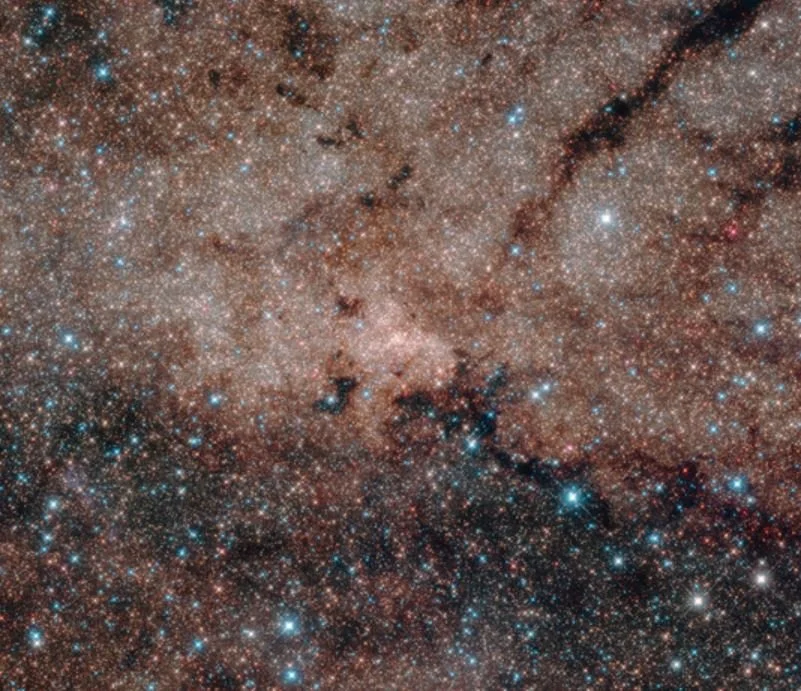
Exploring the Heart of the Galaxy: Chemical Secrets of the Milky Way's Nuclear Star Cluster
The study analyzed the chemical compositions of nine stars in the Milky Way's Nuclear Star Cluster (NSC), focusing on α-elements like magnesium, silicon, and calcium. The results reveal that the NSC shares similar chemical trends with the Galactic bulge and thick disk, indicating a shared evolutionary history characterized by rapid star formation over billions of years. This challenges theories of recent dominant starbursts in the NSC.

Echoes from the Cosmos: A Study of Massive Pulsating Stars
A study by Xiang-dong Shi and colleagues examined 155 massive O- and B-type pulsating stars using data from TESS, LAMOST, and Gaia. They identified two main types: Slowly Pulsating B (SPB) stars and β Cephei (BCEP) stars, mapping their pulsations and positions on evolutionary diagrams. Their findings reveal distinct frequency patterns and relationships between pulsation periods, luminosities, and temperatures, advancing our understanding of massive star evolution.

Unveiling Hidden Worlds: Hunting for Exoplanets with SHARK-NIR at the LBT
Astronomers used the SHARK-NIR instrument at the Large Binocular Telescope to investigate potential planetary companions causing proper motion anomalies in three nearby stars. While no planets were directly detected, constraints suggest companions with masses between 2–16 Jupiter masses at separations of 2.5–30 AU for HIP 11696 and HIP 47110. For HIP 36277, two candidate companions were identified, one requiring confirmation. The study highlights SHARK-NIR's capabilities and the value of combining imaging with astrometric data.

Revealing the Coldest: Investigating the Metal-Poor T and Y Dwarf Populations
The study explores the coldest metal-poor T and Y dwarfs, expanding their optical dataset and refining parallax measurements. It confirms "The Accident" as a Y subdwarf and highlights discrepancies in theoretical models predicting metallicity effects on colors. These findings enhance understanding of ancient stellar populations and inform future atmospheric modeling and surveys.
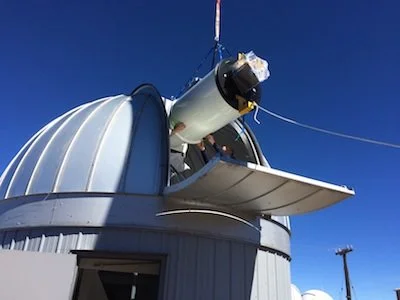
A Cosmic Clue: A Gravitational Wave Candidate for Supernova Origins
ATLAS J1138-5139, a compact binary white dwarf system with a 28-minute orbit, is a promising Type Ia supernova progenitor and detectable gravitational wave source. Its mass transfer and evolution provide critical insights into supernova origins and binary evolution. This system serves as a key target for future gravitational wave observatories like LISA, advancing multi-messenger astronomy.
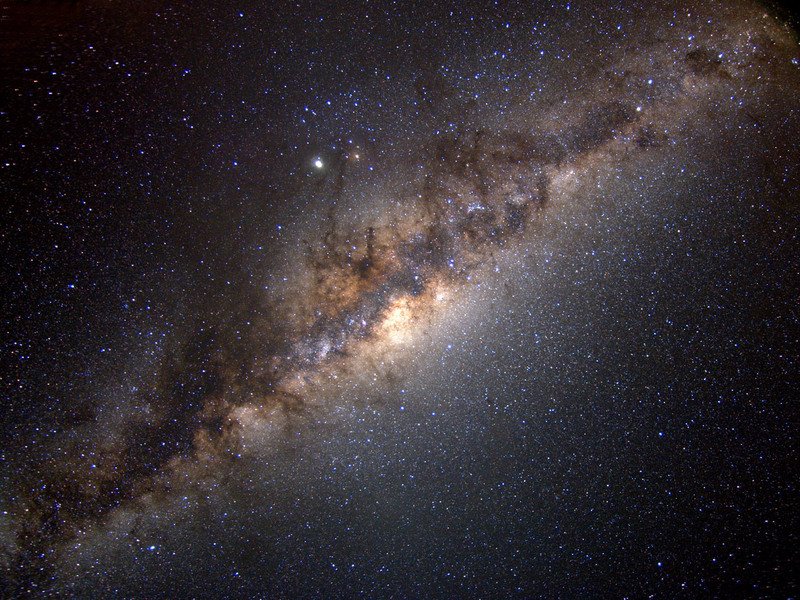
Exploring the Heart of the Milky Way: A Study of Its Bulge Structure, Kinematics, and Stars
This study explores the Milky Way’s bulge using OGLE, APOGEE, and Gaia data, focusing on its structure, stellar populations, and dynamics. Researchers identified distinct central and inner bulge star groups, with the inner aligning with the Galactic bar and the central showing slower rotation. Chemical analyses revealed differences in star formation histories. A boxy bulge shape was supported over an X-shaped structure, highlighting the bulge's complex evolution from the Galactic disk.
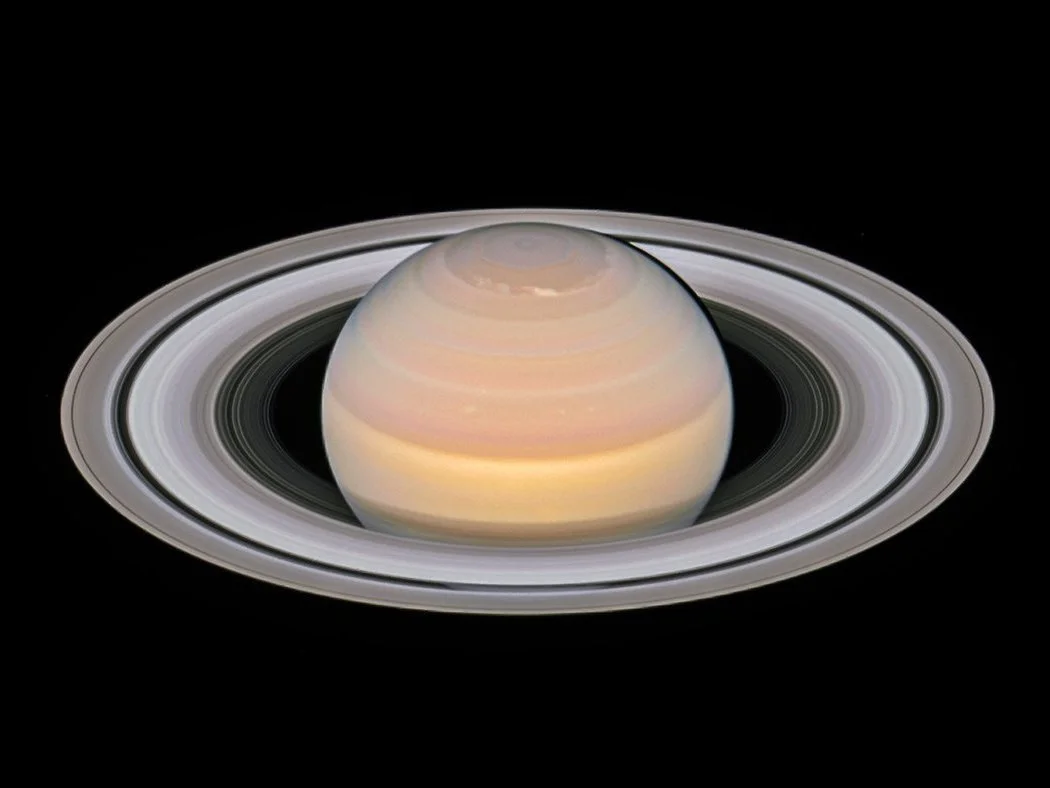
Rings of the Solar System: Exploring Origins and Mysteries
Rings in the solar system, once thought exclusive to giant planets, have been discovered around smaller objects like Chariklo, Haumea, and Quaoar. These rings exhibit diverse origins, from tidal disruptions to cometary activity, yet often converge in structure due to shared physical processes. The puzzling presence of Quaoar’s rings beyond its Roche limit challenges traditional models, suggesting unique dynamics shaped by resonance and particle collisions in cold environments.

Mapping the Milky Way's DNA: Stellar Parameters and Chemical Abundances Unveiled with S-PLUS
The S-PLUS survey analyzed 5 million Milky Way stars, estimating atmospheric parameters and chemical abundances using machine learning on multi-band photometric data. Neural networks outperformed random forests in accuracy, revealing trends like [Mg/Fe] bimodality and robustly mapping stellar properties. This cost-effective, scalable approach complements spectroscopy, offering new insights into Galactic evolution and paving the way for broader stellar population studies.

Unveiling the Secrets of Metal-Poor Stars: Tracing Single Supernova Enrichment
Yutaka Hirai and colleagues used simulations to study mono-enriched stars, which form from a single supernova's ejecta. They found these stars are rare, with higher fractions at lower metallicities, and mostly form early in a galaxy's history near its center. This work provides new insights into early star formation and nucleosynthesis, with future observations expected to confirm these predictions.
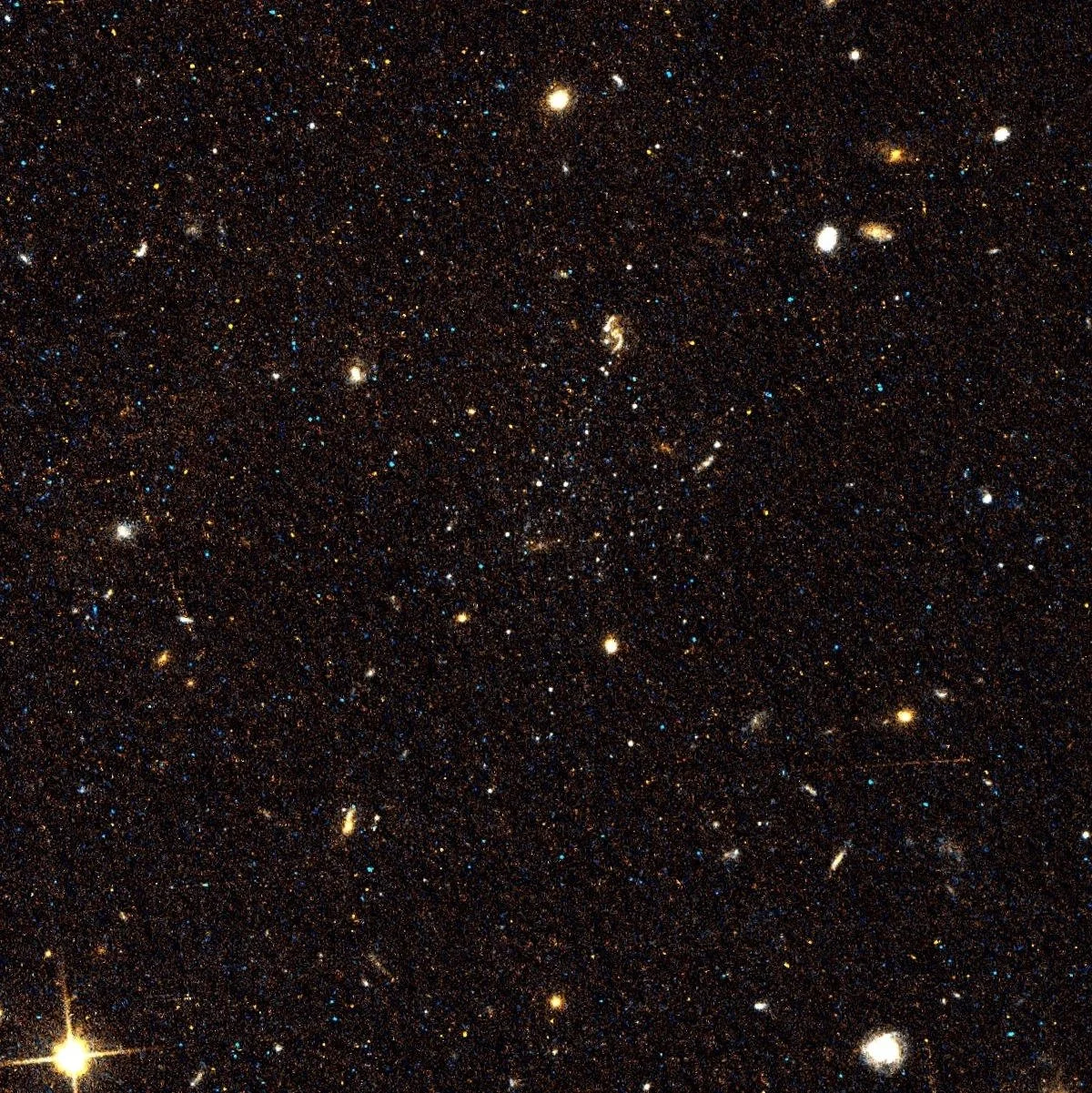
Understanding Star Formation and Metal Enrichment in Ultra-Faint Dwarf Galaxies
The study explores how different Initial Mass Function (IMF) sampling methods affect star formation and metal enrichment in Ultra-Faint Dwarf (UFD) galaxies using simulations. The researchers find that the individual IMF sampling method produces more continuous star formation, higher stellar masses, and greater metallicities compared to the burst and stochastic models. The results emphasize the importance of accurate IMF modeling for understanding UFD galaxies' evolution and alignment with observed properties.

Decoding WASP-43b: Exploring Water in a Distant Gas Giant's Atmosphere
Scientists studied the atmosphere of the hot Jupiter WASP-43b using high-resolution spectroscopy, detecting water with a precise abundance measurement. Other molecules like methane and carbon dioxide were not found, and the carbon-to-oxygen ratio was constrained to less than 0.95. The findings align with prior observations from JWST, supporting a clearer day side and cloudy night side. Future telescopes may uncover more details about the planet's atmospheric composition.
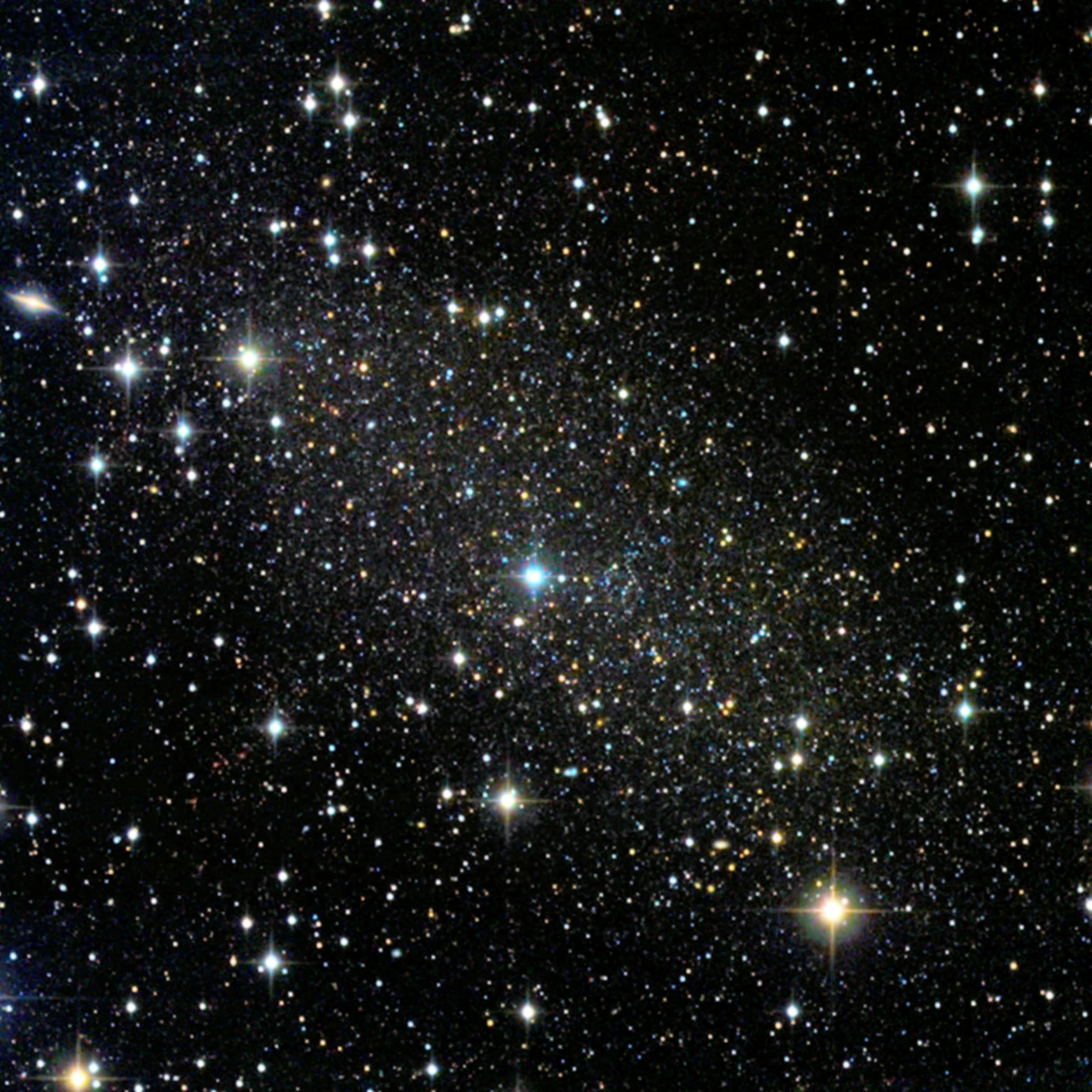
Unveiling the Structure of Milky Way Satellite Planes: Exploring Planarity in a Cosmic Context
The study introduces "planarity" to assess the alignment of Milky Way satellite galaxies, finding significant positional but inconclusive kinematic coherence due to velocity data errors. Simulations reveal that such planarity is common and kinematically supported in MW-like galaxies, aligning with the ΛCDM model. This suggests satellite planes are shaped by cosmic web structures and are consistent with hierarchical galaxy formation theories.
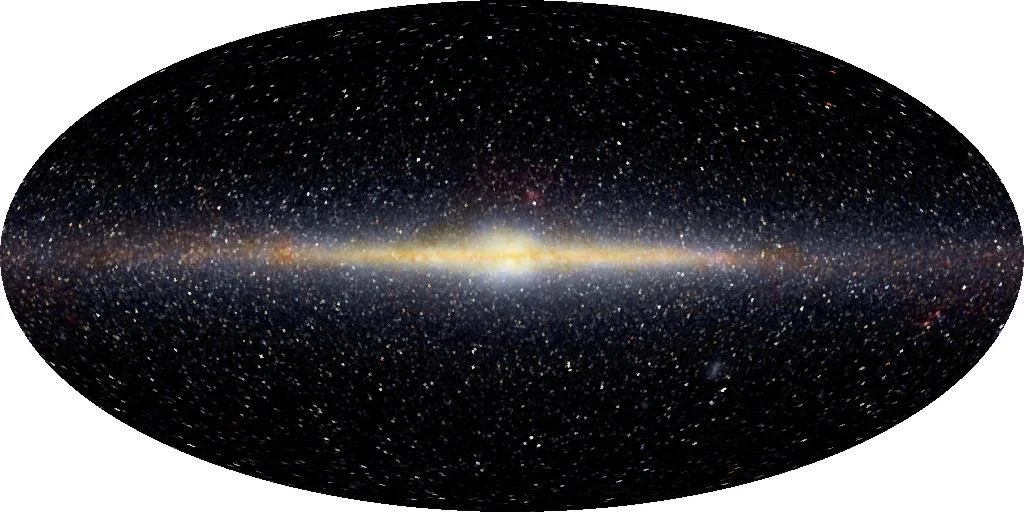
Revealing the Milky Way: Mapping the Stars and Their Movements Using the APOGEE Survey
Khoperskov and collaborators used APOGEE DR17 data and a novel orbit superposition method to map the Milky Way's stellar disc, revealing detailed chemo-kinematic structures. They identified distinct high-α (older, centrally concentrated) and low-α (younger, extended) star populations, supporting an inside-out galaxy formation model. The study highlights a complex disc evolution involving radial migration and an inner-outer disc dichotomy, offering new insights into the Milky Way's history.
What Happens When Giant Stars Encounter Black Holes? Understanding Partial Tidal Disruption Events
Giant stars undergoing Partial Tidal Disruption Events (PTDEs) near black holes lose parts of their envelopes but retain their dense cores. These remnants quickly re-expand into giant-like structures, often brighter than stars of similar mass. Repeated PTDEs gradually strip more mass, creating lighter giants without significantly altering their lifetimes. Observing such remnants near galactic centers could reveal past black hole activity and stellar dynamics.

Exploring the Origins of the Milky Way: Insights from Metal-Poor Stars
Metal-poor stars are ancient remnants of the early universe, formed from gas enriched by the first stars. Their low metallicity reveals insights into early chemical processes, star formation, and galaxy evolution. Found across the Milky Way and its satellites, they are studied using spectroscopy to uncover their diverse chemical histories, including carbon enhancement and neutron-capture processes. These stars serve as vital tools for exploring the universe's origins and the Milky Way's formation.
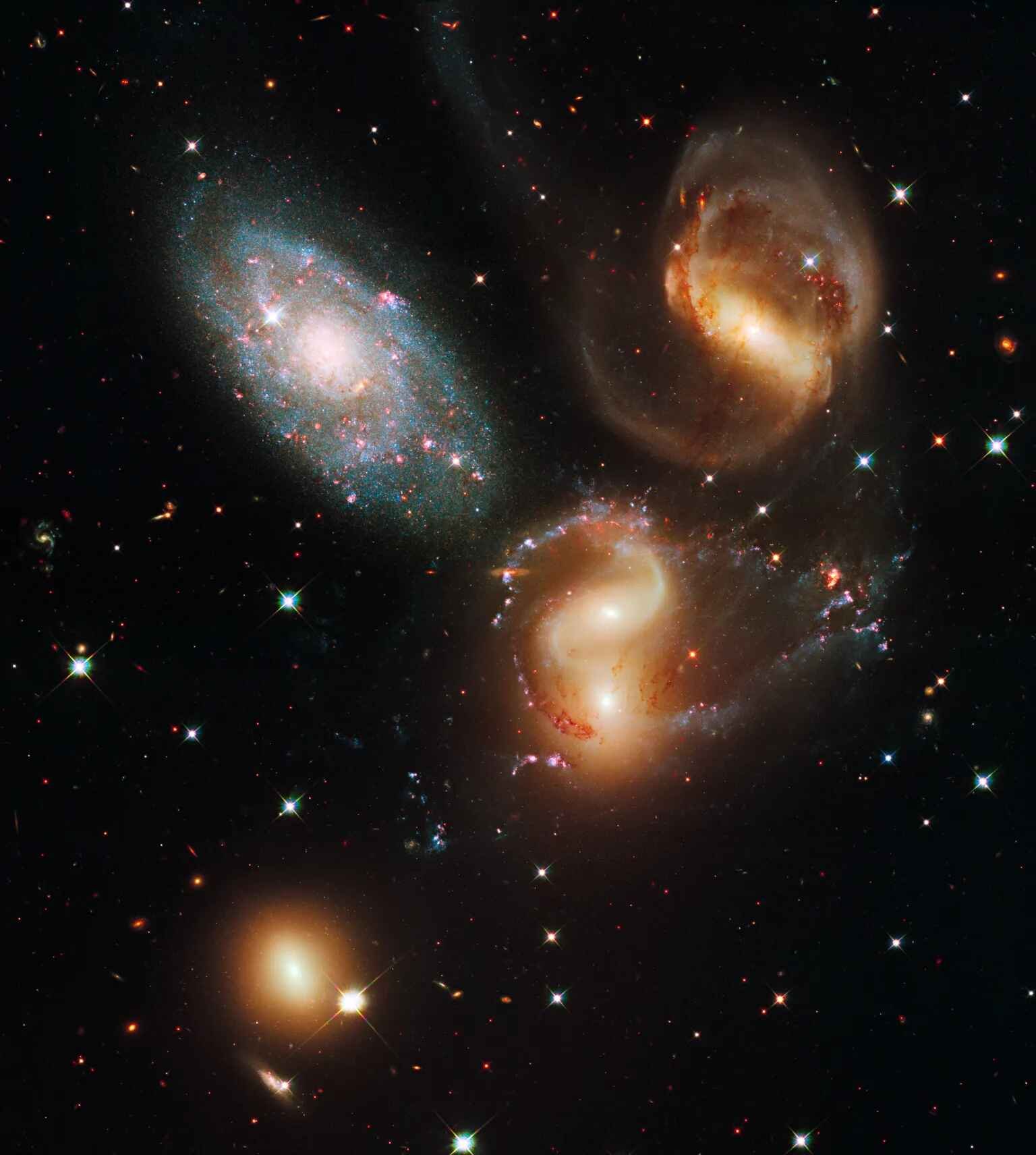
Finding the Origins of a Galactic Collision: Shock Dynamics in Stephan’s Quintet
The study examines the large-scale shock front in Stephan's Quintet, formed by galaxy collisions, using data from WEAVE, JWST, and radio telescopes. It reveals the shock's role in heating the intergalactic medium, boosting radio emissions, and allowing molecular hydrogen formation despite dust destruction. The findings highlight the complex interactions between shocks, gas, and dust, offering insights into how galactic collisions impact star formation and interstellar matter.

Unveiling the Chemical Map of the Milky Way’s Thin Disc
The study examines metallicity gradients in the Milky Way's thin disc using GALAH and Gaia data. It finds a consistent negative metallicity gradient, reflecting inside-out Galactic growth, with minimal impact from radial orbital variations. Younger stars show steeper gradients, indicating ongoing enrichment, while older stars’ gradients are shaped by long-term dynamics. The findings align with Galactic evolution models.