

Unraveling the Secrets of Globular Clusters: Stars in Motion
The study explores the kinematics of 30 Milky Way globular clusters and their multiple stellar populations (MPs), analyzing rotation, anisotropy, and correlations with cluster properties. Using data from Hubble, Gaia, and spectroscopic surveys, the researchers found that MPs generally share similar rotational behaviors, with some differences tied to cluster age and dynamics. This work provides clues about globular cluster formation and evolution.

Tracing the Milky Way’s Warp: A New Chemical Clue
The study explores the Milky Way's warp—a twist in its disk—using the chemical composition (metallicity) of over 170,000 stars. Researchers found that the galaxy's north-south metallicity asymmetry mirrors its warp, offering a new tracer to map this structure. Their results align with previous studies of young stars and overcome limitations of traditional methods like star motions.
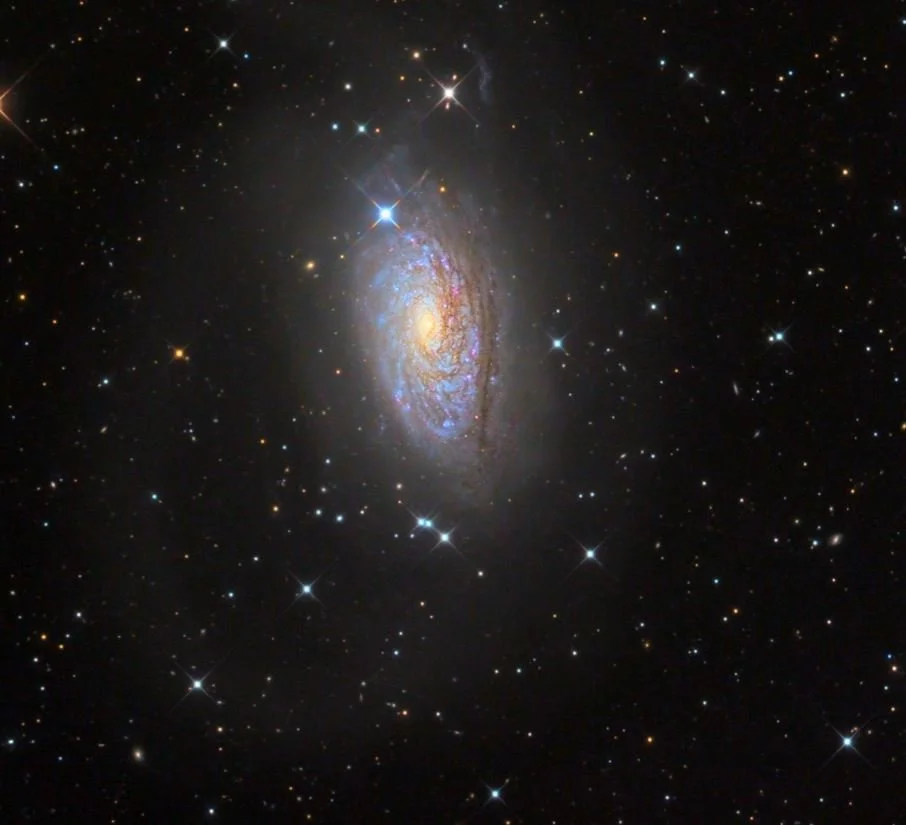
Exploring Stellar Halos: Unraveling Cosmic Histories with Chemical Clues
Stellar halos, the faint outskirts of galaxies, hold clues about galaxy formation. Using simulations, researchers divided halo stars into ex-situ, endo-debris, and in-situ categories, tracing their origins and chemical fingerprints. Most halo stars come from merged galaxies, with larger halos requiring more mergers. The study revealed a clear mass-metallicity relationship, linking chemical patterns to galaxy formation histories and enhancing our understanding of cosmic evolution.
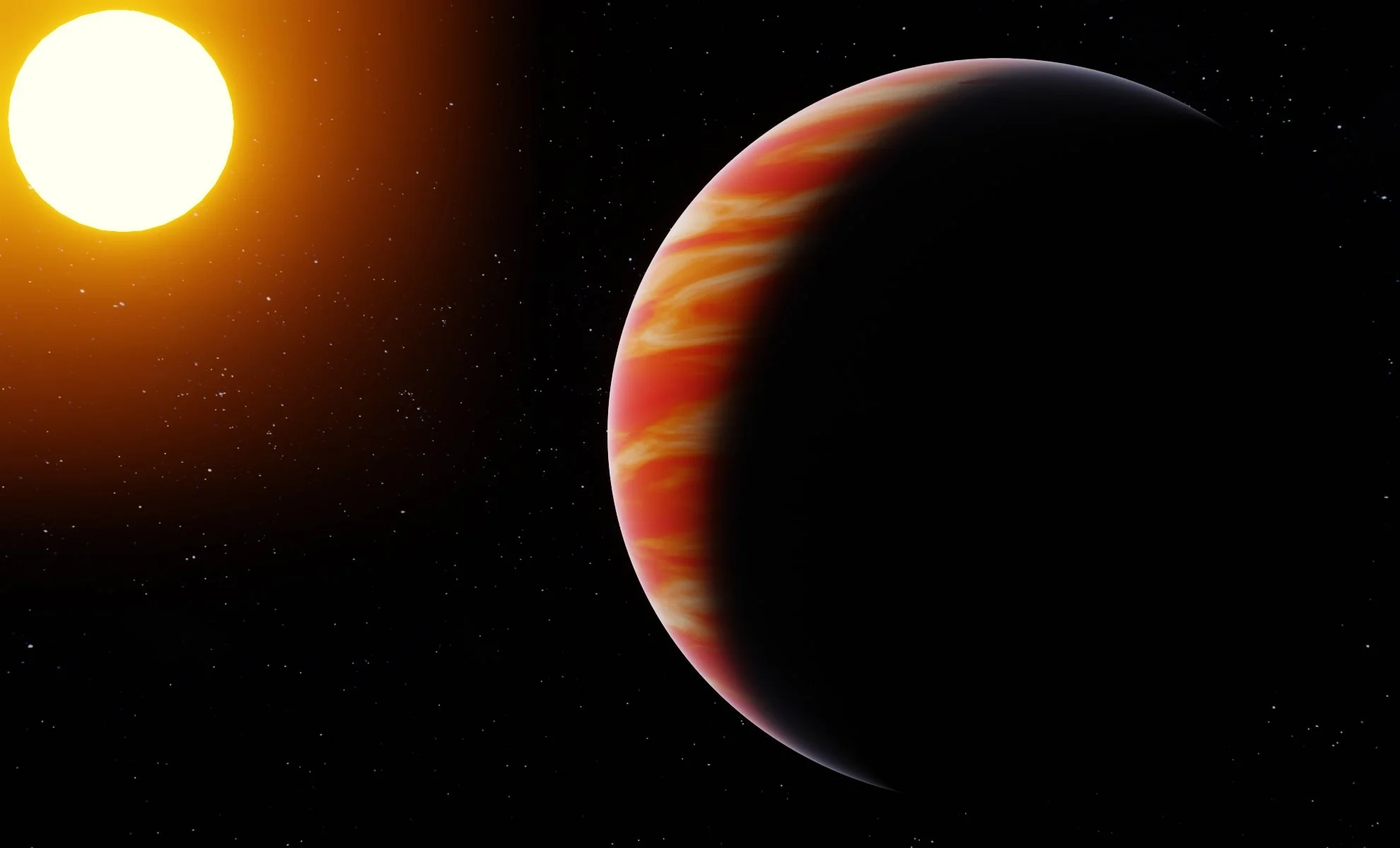
The Hottest Neptunes: Exploring Planet Formation in Metal-Rich Systems
The study explores "Neptune desert" planets—rare, close-orbiting worlds between Neptune and Saturn in size—and finds they orbit metal-rich stars. These planets likely formed from gas giants that lost their outer layers, as their host stars' metallicities resemble those of hot Jupiter hosts. The findings challenge other formation theories, offering new insights into planetary evolution near stars.

Unveiling a Trio of Earth-Sized Worlds Around a Neighboring Star
Astronomers discovered two Earth-sized planets, HD 101581 b and c, and a potential third around a nearby K-dwarf star, just 12.8 light-years away. These planets exhibit a "peas-in-a-pod" configuration, with similar sizes and evenly spaced orbits, making them excellent for studying planetary formation and atmospheres. The system’s brightness enables detailed follow-up observations to confirm the third planet and analyze the planets’ masses and atmospheric properties.

Exploring the History of the Milky Way with Gaia’s Giant Stars
The study uses Gaia data and machine learning models to estimate the ages of giant stars, revealing insights into the Milky Way's evolution. By analyzing over 2.2 million stars, the researchers identified three major phases in the galaxy's history, including a starburst triggered by a major merger and the formation of the thin disc. Their method advances our ability to trace the Milky Way's structure and development.

Tracing the Origins of Alpha-Poor, Very Metal-Poor Stars
Alpha-poor very metal-poor stars are rare stars with unique chemical signatures, primarily explained by core-collapse supernova ejecta. Some stars also show contributions from sub-Chandrasekhar Type Ia supernovae. Pair-instability supernovae play a minimal role, highlighting the diversity of processes shaping early cosmic chemical evolution.

The Riddle of Cosmic Heavyweights: How Stars Forge Elements in the Early Universe
The CERES project investigates how early stars formed heavy elements through neutron-capture processes. Focusing on 52 ancient metal-poor stars, the study found that the rapid r-process dominated at low metallicities, while the slower s-process emerged later. Variations in element abundances suggest diverse nucleosynthesis events, with findings aligning well with galactic chemical evolution models, shedding light on the universe's early chemical enrichment.

Understanding the Evolution of Sun-like Stars in Nearby Stellar Streams
Lehmann et al. analyze Sun-like stars in nearby moving groups using precise measurements from the GALAH DR3 survey. They uncover age-metallicity trends, showing younger stars with consistent metallicity and older stars with declining metallicity. The Hercules stream stands out for hosting young, metal-rich stars which likely migrated from the inner Galaxy, revealing insights into Galactic evolution and stellar migration driven by the Galactic bar.
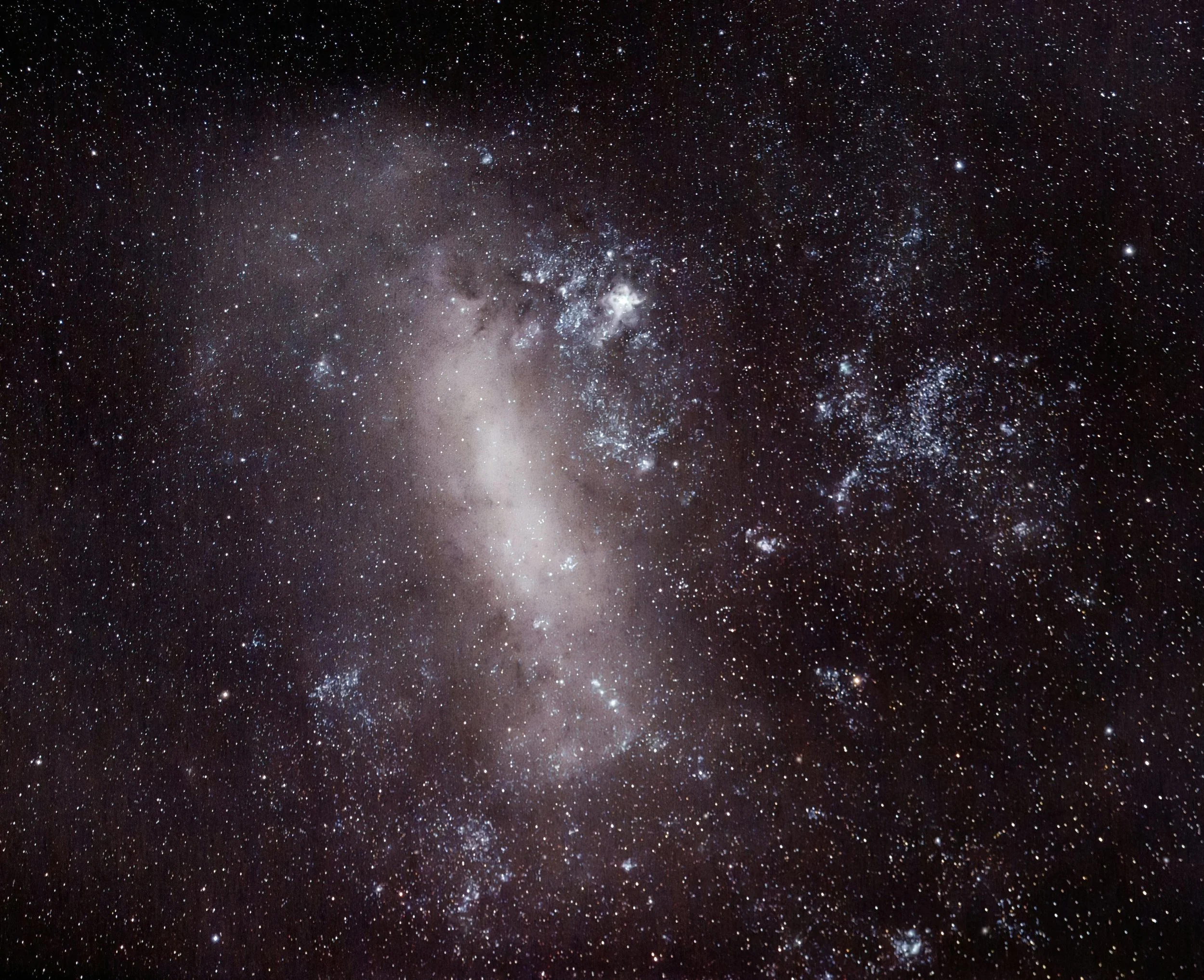
Tracing Galactic History: Age and Motion in the Milky Way Disk
Weixiang Sun et al. studied over 230,000 red clump stars to explore how stellar motions vary with age across the Milky Way’s thin and thick disks. They found that older stars have higher velocity dispersions, with differences shaped by processes like giant molecular cloud heating, spiral arms, and galaxy mergers. The study highlights the thin disk’s gradual heating and the thick disk’s turbulent formation, offering insights into the Milky Way’s dynamic history.

Unveiling the Chemical Legacy of the Sagittarius Dwarf Galaxy
The study examines the Sagittarius dwarf galaxy (Sgr dSph), revealing its star formation history and chemical evolution through high-resolution spectroscopy of 111 giant stars. The findings highlight a slower star formation rate compared to the Milky Way, distinct elemental patterns from neutron-capture processes, and contributions from ancient and younger stellar populations. Sgr's evolution offers insights into galactic mergers and enrichment in the Milky Way's halo.

Exploring Venus: A New Era in Planetary Science
Venus, Earth's "sister planet," offers crucial insights into planetary evolution, climate change, and habitability. NASA's Venus Exploration Analysis Group outlines a bold strategy with missions like VERITAS, DAVINCI, and EnVision, aiming to unravel Venus's past and its divergence from Earth. Advances in technology and international collaboration are key to exploring its extreme environment, with long-term plans including sample-return missions and human exploration.

Uncovering the Mystery of Stripped Stars in Binary Systems
Stripped stars in binary systems lose their hydrogen-rich layers, contributing to supernovae and ionizing radiation. This study shows that while low-mass stripped stars are common, massive stripped stars are rare in low-metallicity environments, forming a "helium-star desert." These findings impact our understanding of early galaxies, cosmic reionization, and stellar evolution, highlighting the need for further observations.
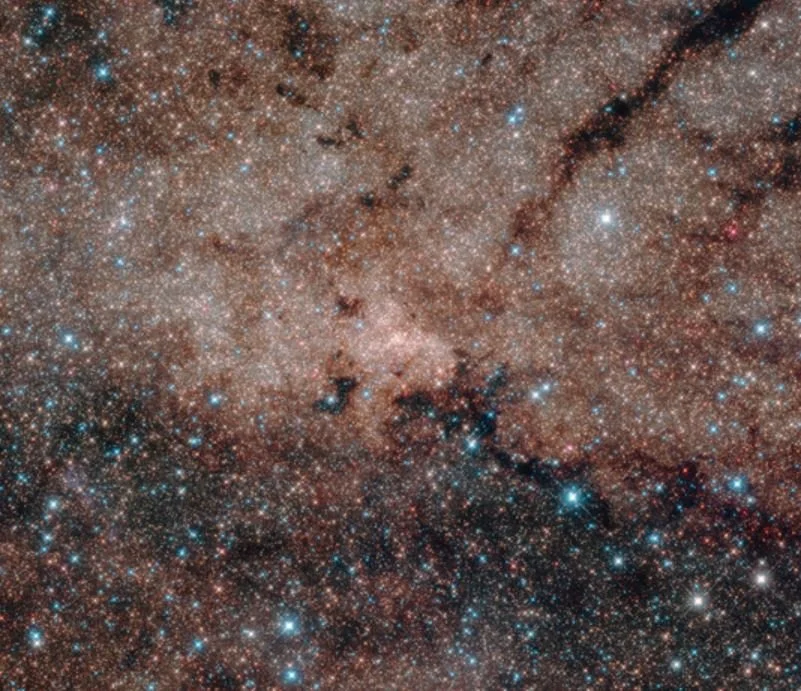
Exploring the Heart of the Galaxy: Chemical Secrets of the Milky Way's Nuclear Star Cluster
The study analyzed the chemical compositions of nine stars in the Milky Way's Nuclear Star Cluster (NSC), focusing on α-elements like magnesium, silicon, and calcium. The results reveal that the NSC shares similar chemical trends with the Galactic bulge and thick disk, indicating a shared evolutionary history characterized by rapid star formation over billions of years. This challenges theories of recent dominant starbursts in the NSC.

Echoes from the Cosmos: A Study of Massive Pulsating Stars
A study by Xiang-dong Shi and colleagues examined 155 massive O- and B-type pulsating stars using data from TESS, LAMOST, and Gaia. They identified two main types: Slowly Pulsating B (SPB) stars and β Cephei (BCEP) stars, mapping their pulsations and positions on evolutionary diagrams. Their findings reveal distinct frequency patterns and relationships between pulsation periods, luminosities, and temperatures, advancing our understanding of massive star evolution.

Unveiling Hidden Worlds: Hunting for Exoplanets with SHARK-NIR at the LBT
Astronomers used the SHARK-NIR instrument at the Large Binocular Telescope to investigate potential planetary companions causing proper motion anomalies in three nearby stars. While no planets were directly detected, constraints suggest companions with masses between 2–16 Jupiter masses at separations of 2.5–30 AU for HIP 11696 and HIP 47110. For HIP 36277, two candidate companions were identified, one requiring confirmation. The study highlights SHARK-NIR's capabilities and the value of combining imaging with astrometric data.

Revealing the Coldest: Investigating the Metal-Poor T and Y Dwarf Populations
The study explores the coldest metal-poor T and Y dwarfs, expanding their optical dataset and refining parallax measurements. It confirms "The Accident" as a Y subdwarf and highlights discrepancies in theoretical models predicting metallicity effects on colors. These findings enhance understanding of ancient stellar populations and inform future atmospheric modeling and surveys.
A Cosmic Clue: A Gravitational Wave Candidate for Supernova Origins
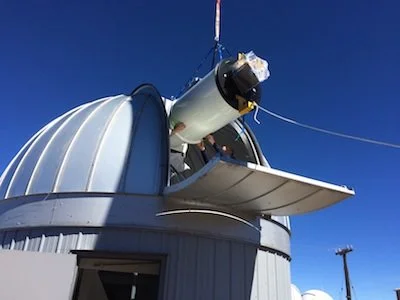
ATLAS J1138-5139, a compact binary white dwarf system with a 28-minute orbit, is a promising Type Ia supernova progenitor and detectable gravitational wave source. Its mass transfer and evolution provide critical insights into supernova origins and binary evolution. This system serves as a key target for future gravitational wave observatories like LISA, advancing multi-messenger astronomy.
Exploring the Heart of the Milky Way: A Study of Its Bulge Structure, Kinematics, and Stars
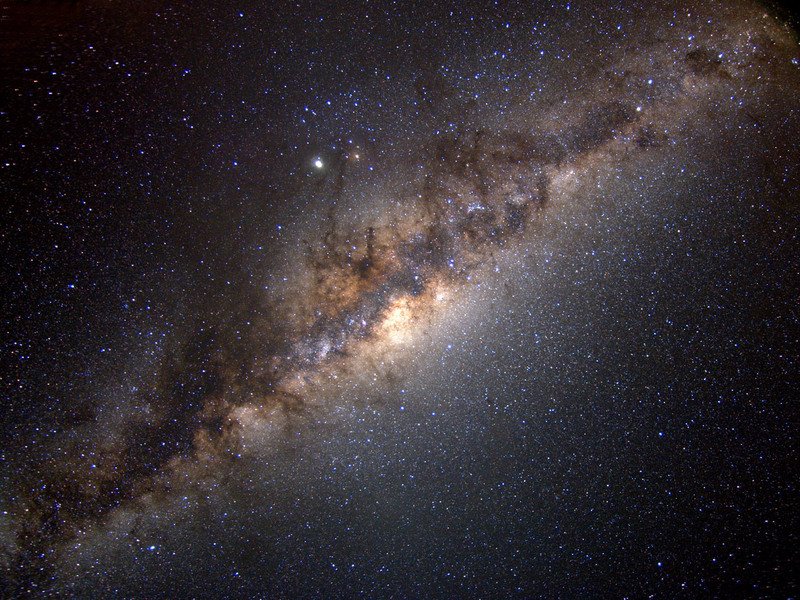
This study explores the Milky Way’s bulge using OGLE, APOGEE, and Gaia data, focusing on its structure, stellar populations, and dynamics. Researchers identified distinct central and inner bulge star groups, with the inner aligning with the Galactic bar and the central showing slower rotation. Chemical analyses revealed differences in star formation histories. A boxy bulge shape was supported over an X-shaped structure, highlighting the bulge's complex evolution from the Galactic disk.
Rings of the Solar System: Exploring Origins and Mysteries
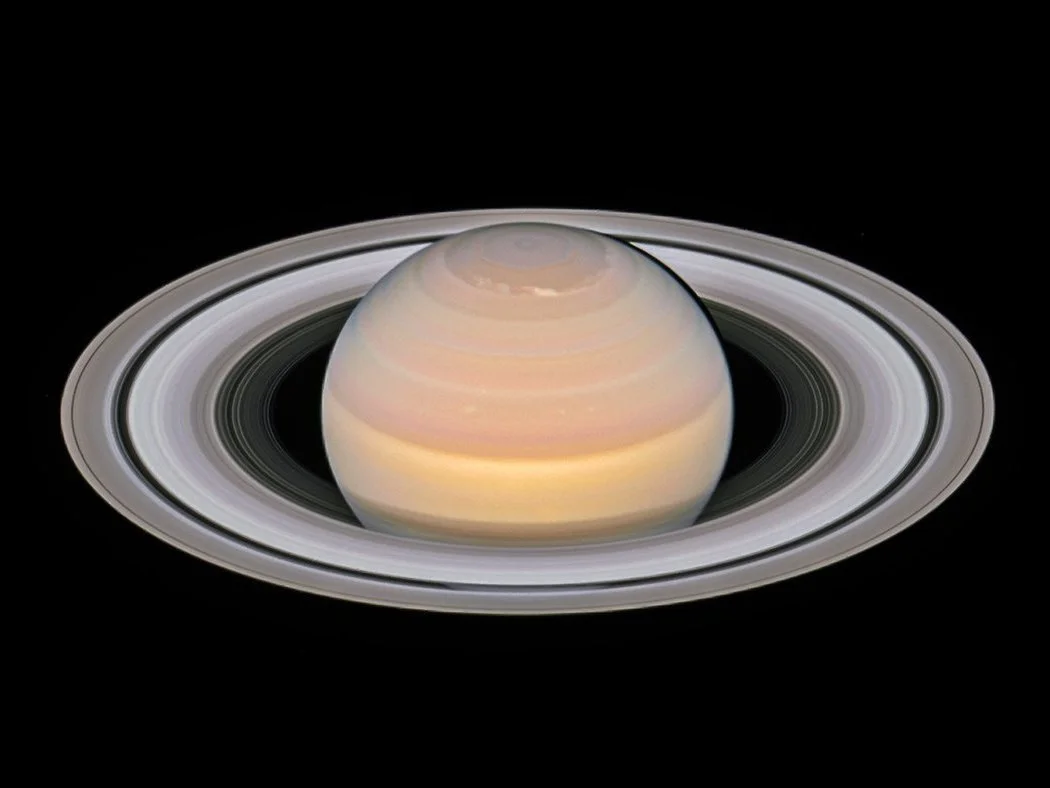
Rings in the solar system, once thought exclusive to giant planets, have been discovered around smaller objects like Chariklo, Haumea, and Quaoar. These rings exhibit diverse origins, from tidal disruptions to cometary activity, yet often converge in structure due to shared physical processes. The puzzling presence of Quaoar’s rings beyond its Roche limit challenges traditional models, suggesting unique dynamics shaped by resonance and particle collisions in cold environments.