
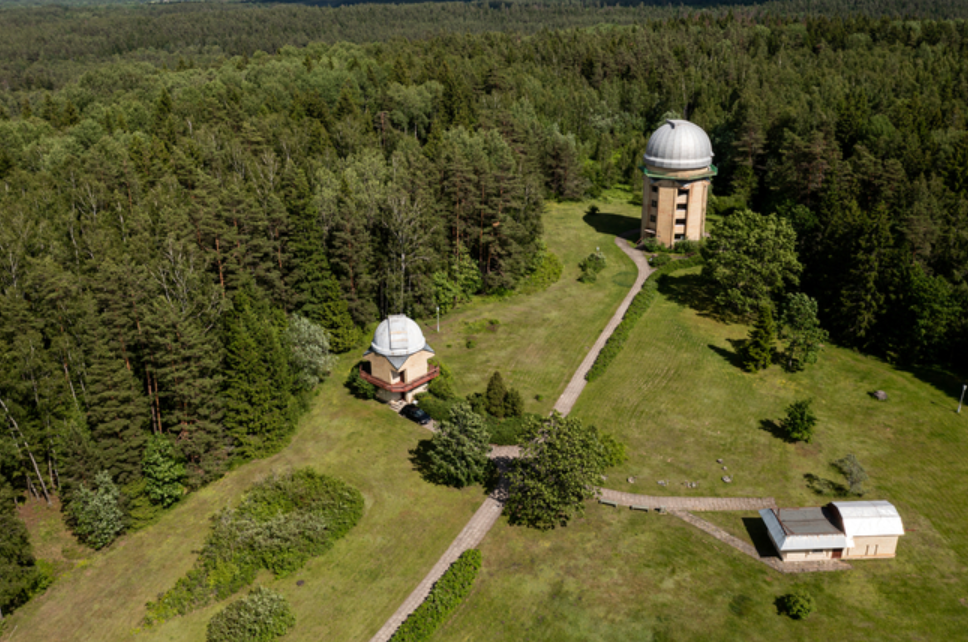
Tracing the Heavy Elements: How Neutron-Capture Chemistry Connects Stars and Planets
Sharma et al. studied 160 planet-hosting stars, measuring nine neutron-capture elements to explore links between stellar chemistry and planet formation. Most abundances match normal Galactic evolution, but zirconium, lanthanum, and cerium are often enhanced. In giant stars, several elements correlate with higher planet masses. Younger, metal-rich systems tend to be richer in refractory elements, hinting at possible chemical fingerprints of planet formation.
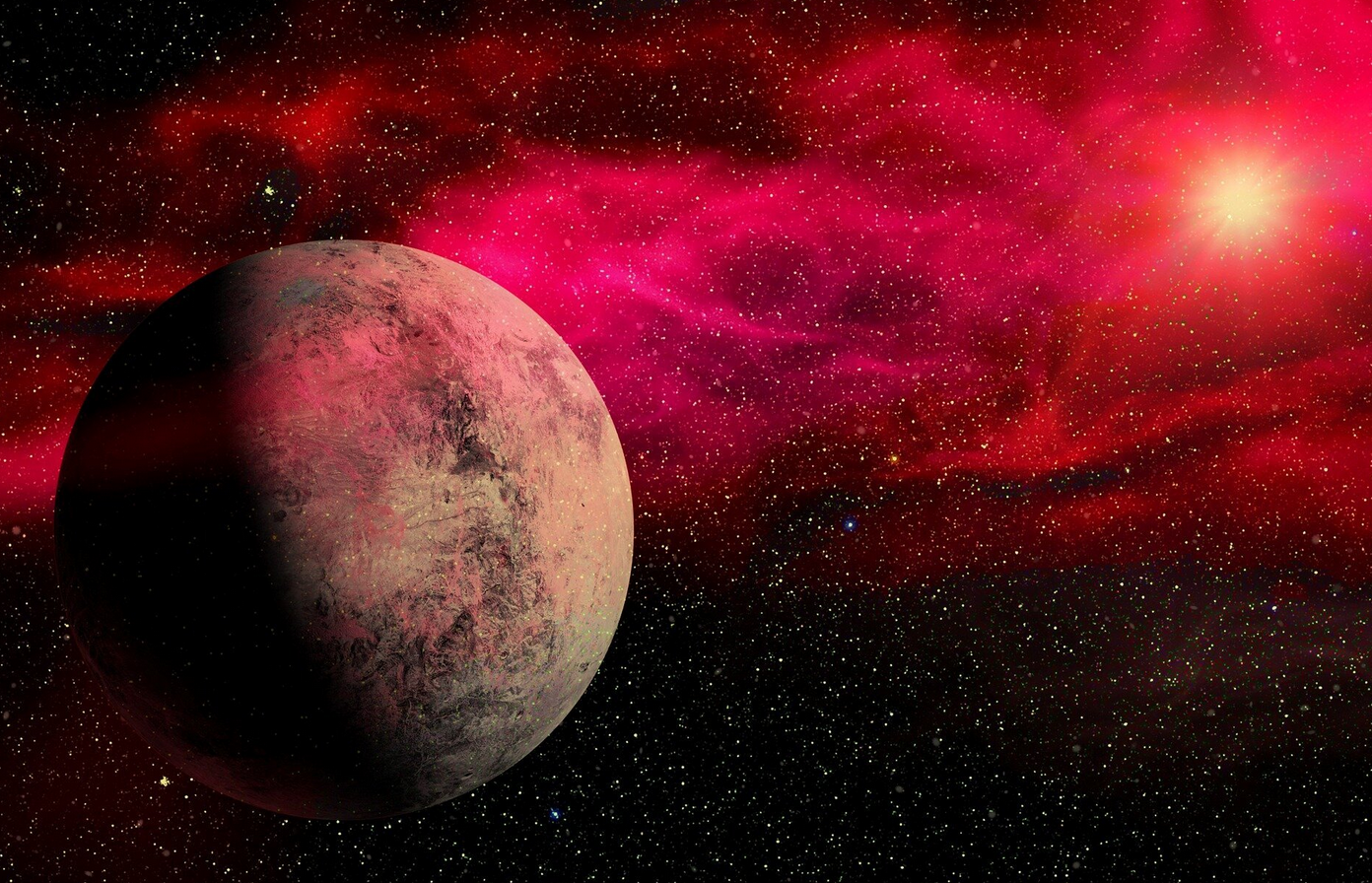
Hunting for Air: Testing the Cosmic Shoreline Around M Stars with JWST
The paper by Jegug Ih and collaborators uses simulations and statistical modeling to determine whether rocky planets around M stars have atmospheres. By framing target selection as an optimization problem, they test different observation strategies with JWST. Results show that a “wide and shallow” survey can efficiently limit atmospheric occurrence rates and, if a Cosmic Shoreline exists, detect it within ~500 hours.
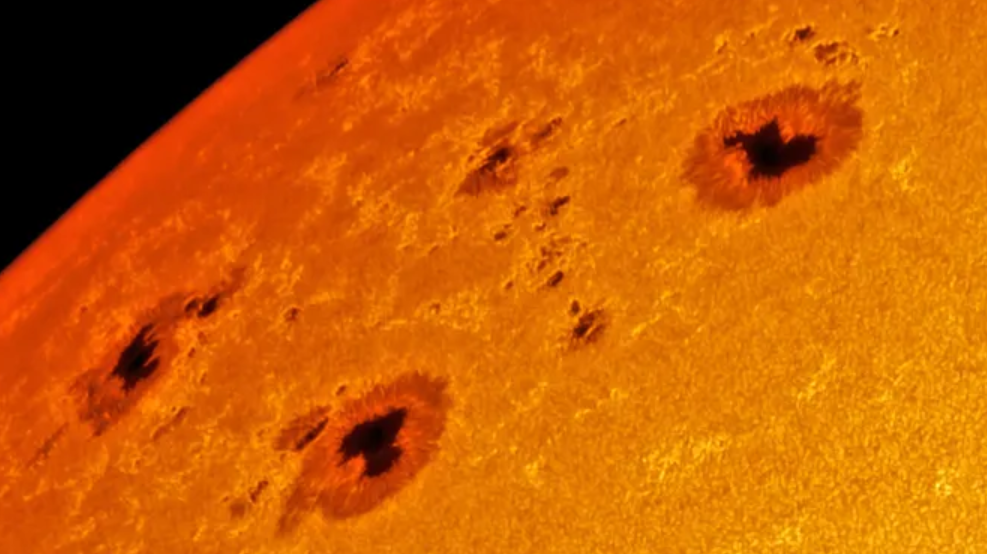
Spinning Spots: Tracking the Rotation of Solar α-Sunspots and What It Means for Other Stars
Emily Joe Lößnitz and colleagues measured how α-sunspots, stable round sunspots, rotate across the Sun. They found these spots spin slightly faster than the quiet Sun but slower than average sunspots, indicating shallower anchoring. Using this data, they developed a rotation law adaptable to other stars, showing how differential rotation shapes stellar light curves and can influence exoplanet studies.
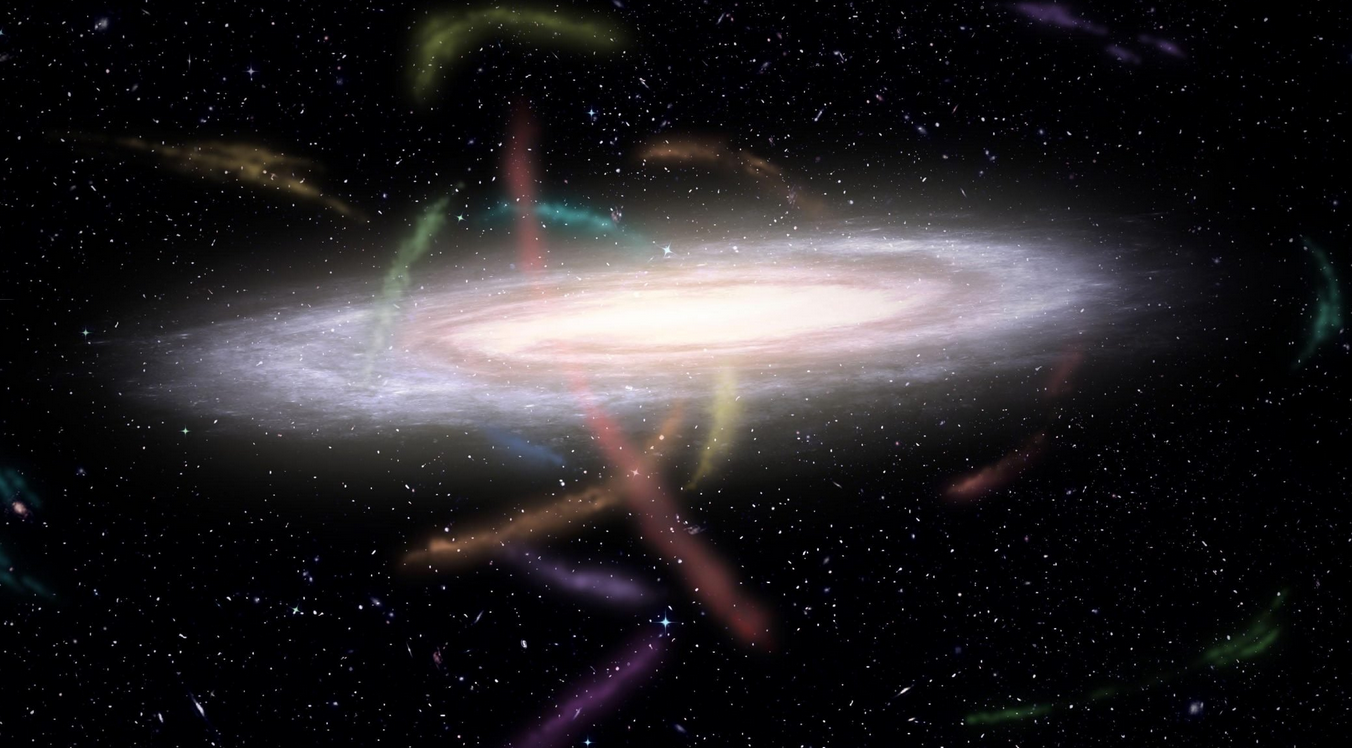
Tracing the Galactic Past: How Precession Shapes the Milky Way’s Stellar Streams
Elena Asencio and collaborators studied 91 Milky Way stellar streams to see if their orbits align with the Vast Polar Structure (VPOS). They found no strong alignment overall, but more distant streams showed greater clustering, likely because precession disrupts inner orbits over time. Simulations of a past MW–Andromeda fly-by predict such patterns, suggesting a common origin could be confirmed by finding more distant streams beyond ~150 kpc.
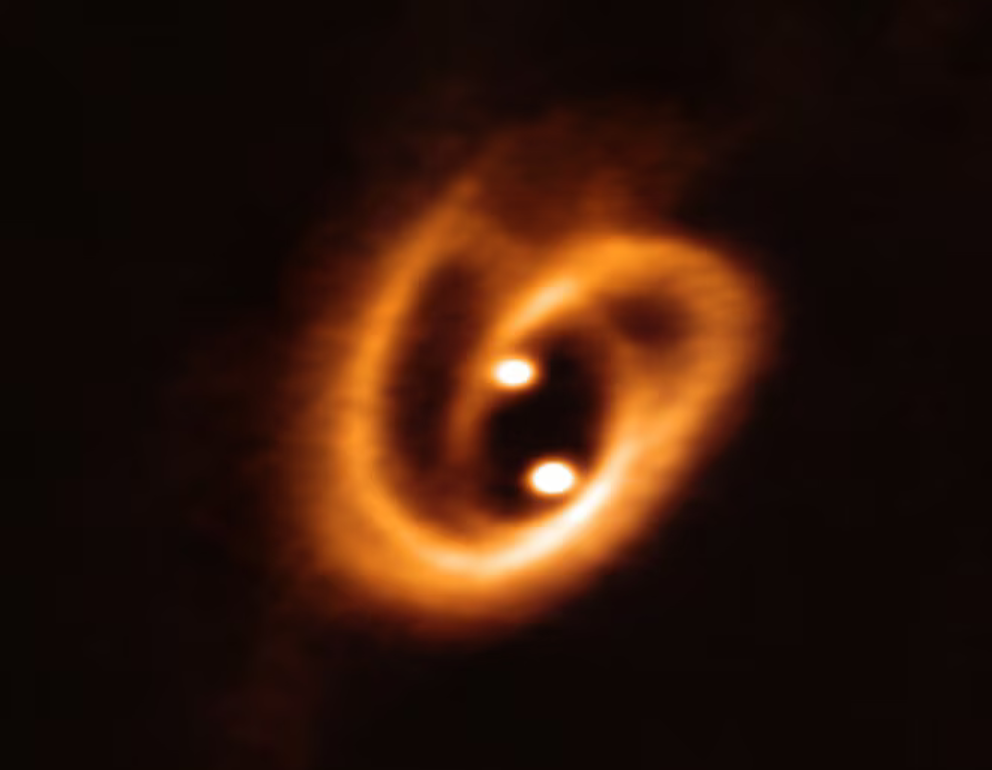
When Discs Dance: How Misaligned Binary Stars Create Unusual Spiral Arms
Rowther et al. use 3D simulations to show that moderately misaligned circumbinary discs can form unusual leading spiral arms at connection points between inner and outer discs. These spirals don’t rotate with the disc and vanish when the discs align or fully break. The effect is independent of detailed disc physics, and in some cases shadows can also launch trailing spirals, meaning both types can coexist.
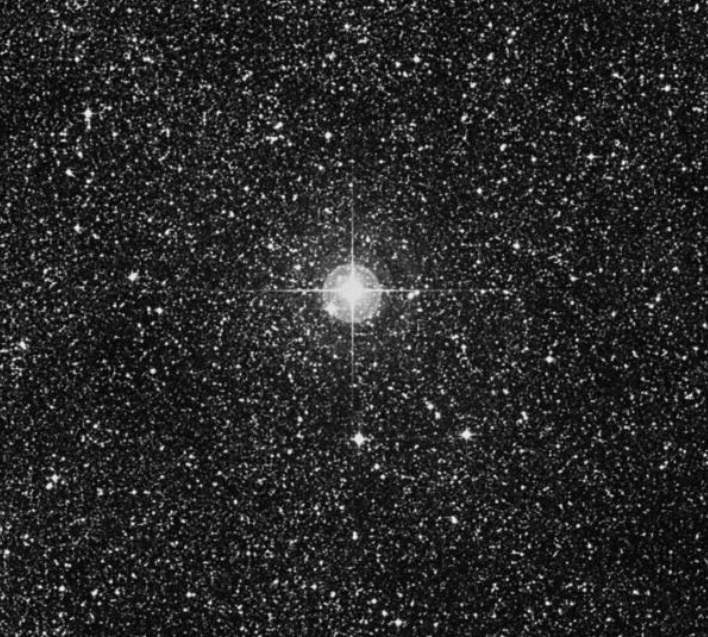
Spectroscopic Sleuthing: Unmasking Chemically Peculiar δ Scuti Stars
Kahraman Alıçavuş and colleagues analyzed ten δ Scuti stars previously labeled as chemically peculiar using high-resolution spectra and TESS data. Only three, AU Scl and FG Eri (Am stars) and HZ Vel (λ Bootis), were confirmed as peculiar, with the rest chemically normal. Their results highlight the need for detailed spectroscopic analysis and show that chemically peculiar A stars can still pulsate like δ Scuti stars, offering valuable tests for stellar evolution theories.
Galactic Encounters: What TNG50 Reveals About the Milky Way’s Dance with Sagittarius
Using the TNG50 simulation, researchers studied galaxy interactions similar to that between the Milky Way and Sagittarius. They found that such encounters rarely disturb the host galaxy’s vertical stellar motions or trigger star formation, unless the galaxy was already unusually cold or inactive. Most Milky Way-like discs were already perturbed, raising questions about how common this disequilibrium is in the universe.

The Quiet Wanderer: Tracking Interstellar Comet 3I/ATLAS Before Its Solar Flyby
Comet 3I/ATLAS, the third known interstellar object, shows weak activity and reddening as it approaches the Sun. It spins every 16.16 hours and lacks a visible tail, likely due to geometry and low dust output. Despite its extrasolar origin, its properties resemble distant Solar System comets.
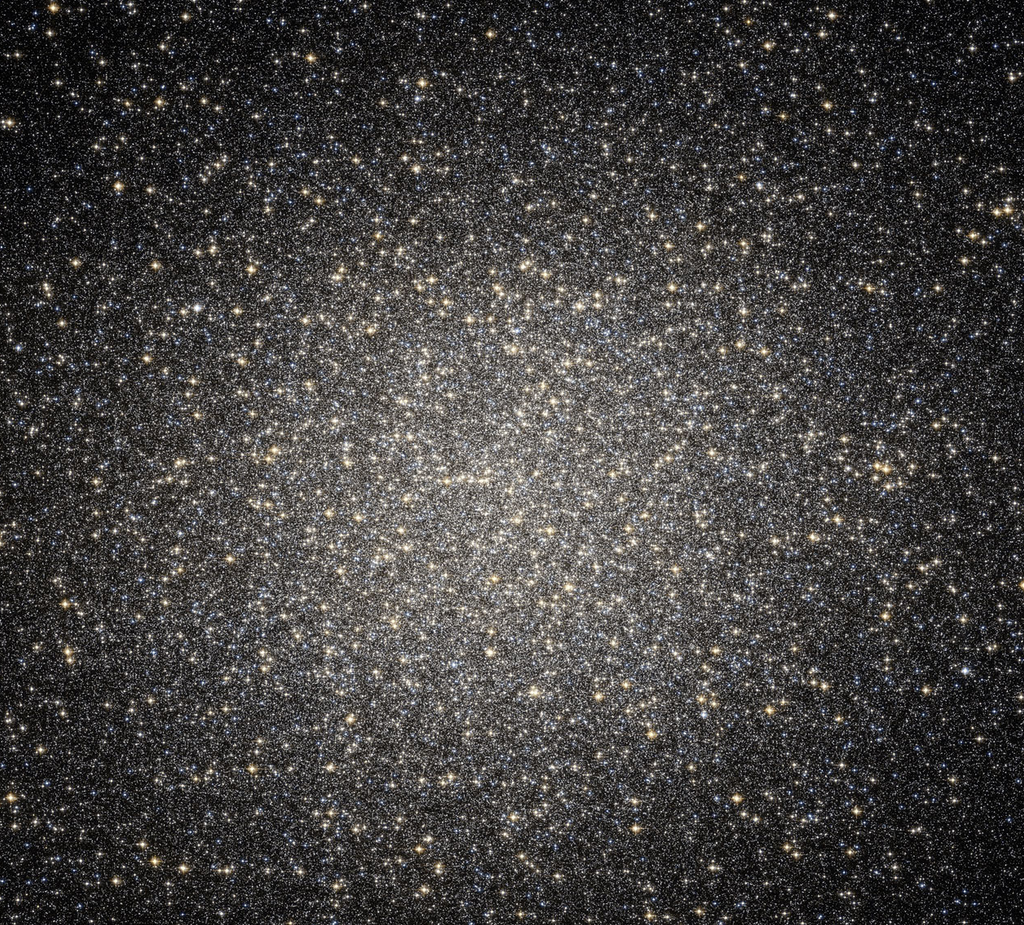
A New Light on an Ancient Giant: JWST Unveils the Hidden Stars of Omega Centauri
Using JWST and HST data, Scalco et al. studied the faint stars in Omega Centauri, revealing three main stellar populations with distinct chemical compositions. They found differences in brightness and mass distributions tied to helium, oxygen, and carbon. The study confirms a complex formation history and shows that simple models can’t fully explain the cluster’s stellar makeup.

Elemental Secrets of a Stellar Stream: Chemical Abundances in GD-1’s Disrupted Cluster
Zhao et al. analyzed seven stars in the GD-1 stellar stream using high-resolution spectroscopy, finding remarkably consistent metallicities and element abundances. The results support a single low-mass globular cluster origin, with no evidence for multiple stellar populations. Elevated europium levels point to early r-process enrichment, while low strontium and yttrium suggest limited s-process contribution.
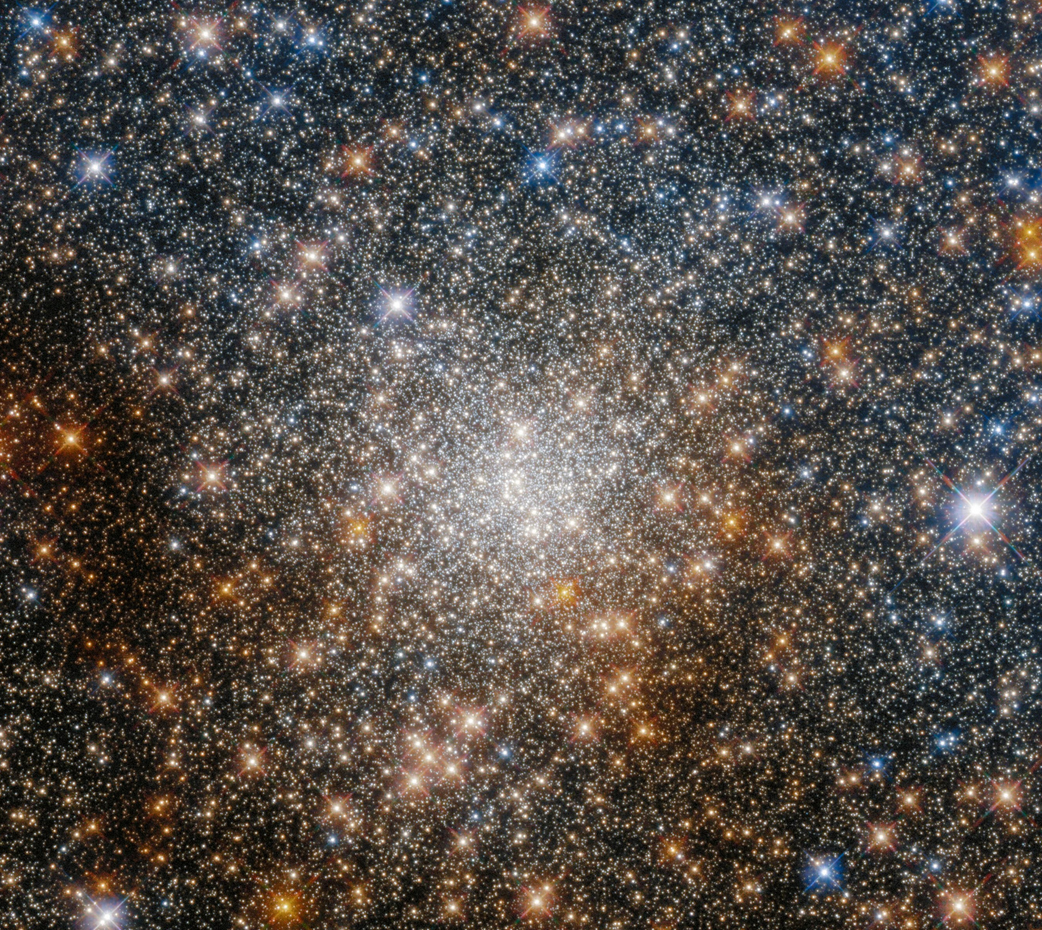
Decoding the Origins of Globular Clusters with Magnesium and Aluminum Clues
Lin et al. use magnesium and aluminum abundances in ancient stars to classify globular clusters as either formed inside the Milky Way or accreted from other galaxies. By focusing on primordial stars within clusters, they reveal a clear chemical distinction that remains robust across datasets. This method offers a reliable alternative to traditional orbit-based classifications.
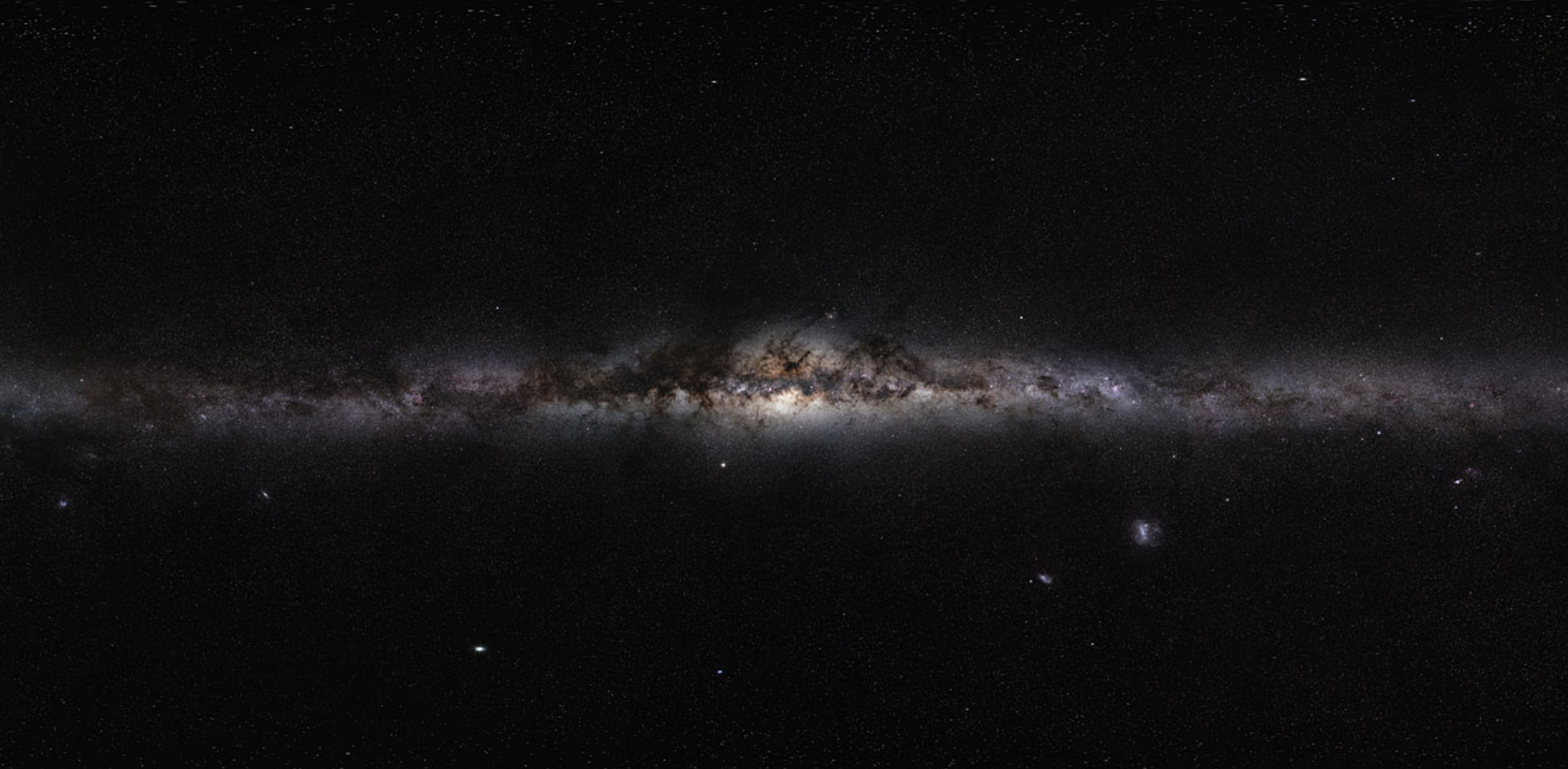
Is the Milky Way Really Slowing Down? A Closer Look at the Galaxy’s Rotation Curve
Klacka and Šturc argue that recent claims of a declining Milky Way rotation curve result from using incorrect equations suited for flat disks, not spherical systems. When the correct spherical models are applied, the rotation curve appears flat, consistent with other spiral galaxies, suggesting no unusual drop in velocity or dark matter content.
A Hot Super-Neptune on the Edge: Unveiling TOI-5795 b
TOI-5795 b is a hot super-Neptune orbiting a metal-poor, Sun-like star every 6.14 days. It likely lost part of its atmosphere to stellar radiation and may have formed through complex or violent processes, not well explained by standard models. Its low density and location at the edge of the Neptune desert make it ideal for future atmospheric studies.

A Galaxy in Transition: Tracing the Milky Way's Disc Evolution After the Gaia-Sausage-Enceladus Merger
Funakoshi et al. examine how the Milky Way’s disc evolved following the Gaia-Sausage-Enceladus merger. They identify a key transition around 10 billion years ago from a compact thick disc to a growing thin disc, with a brief dip in disc scale length. This dip, supported by simulations, suggests the galaxy’s gas disc temporarily shrank due to changing gas accretion modes during this transformative period.
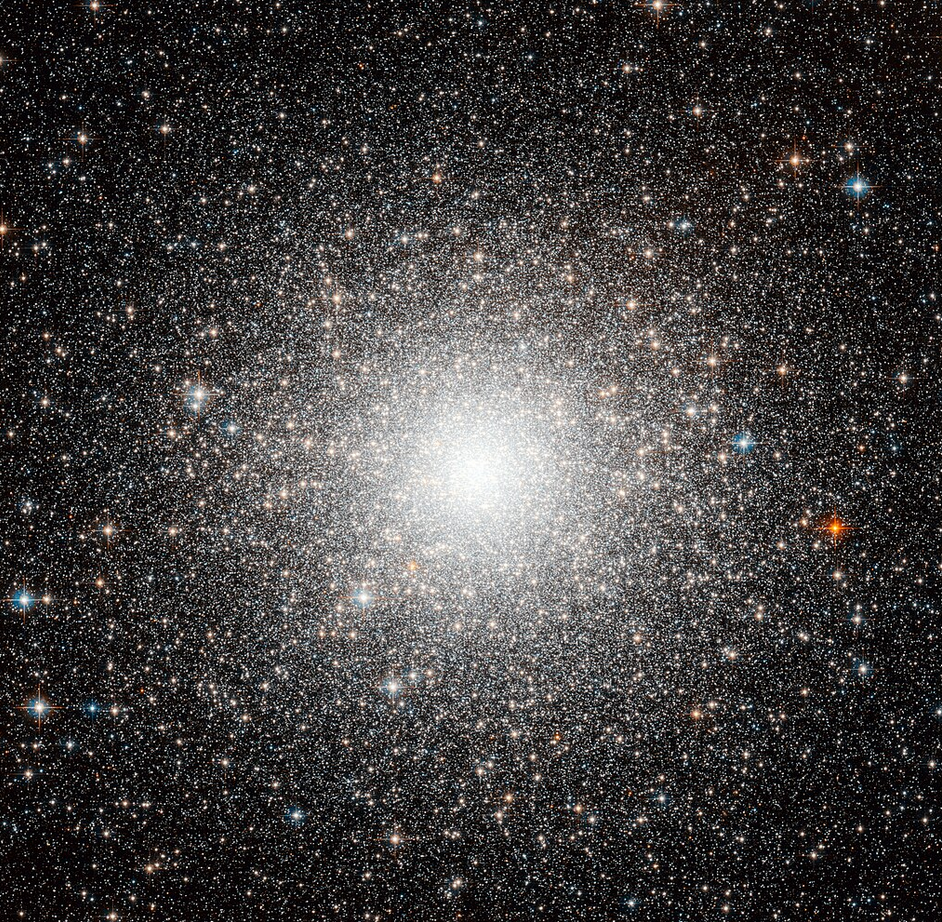
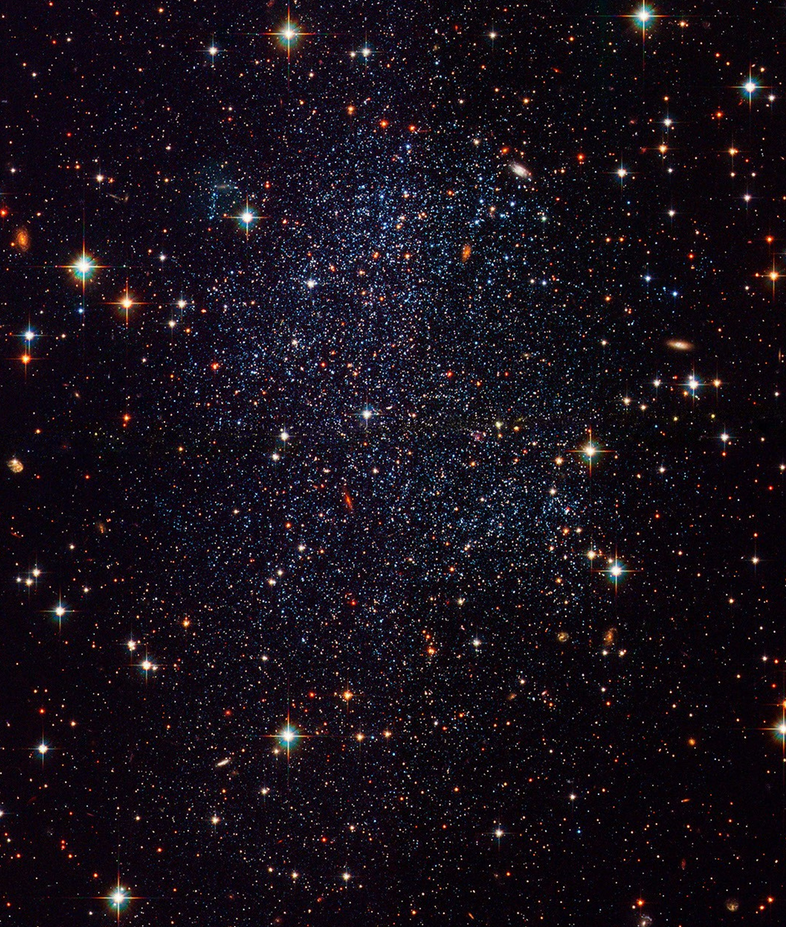
Caught in the Act: Dissecting the Sagittarius Dwarf Galaxy’s Heart with Gaia
This study uses Gaia DR3 and APOGEE data to examine the Sagittarius dwarf galaxy and its nearby cluster, Messier 54. The authors identify hundreds of thousands of member stars, measure precise distances using red clump stars, and analyze stellar motions and compositions. Their findings suggest the two systems currently overlap but likely formed separately.
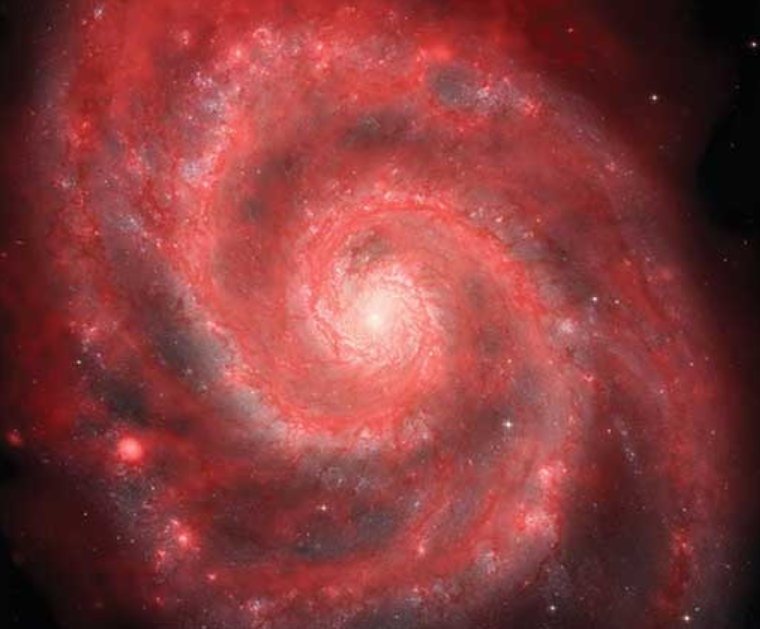
Unwinding the Mystery of the Phase Spiral in the Milky Way
Widmark et al. map the phase spiral, a vertical motion pattern of stars in the Milky Way, using Gaia data. They find that its structure is smooth and consistent across the disk, suggesting a global, rather than local, origin. The winding time varies with location, raising questions about the Galaxy’s dynamical history and hinting at complex gravitational processes at play.
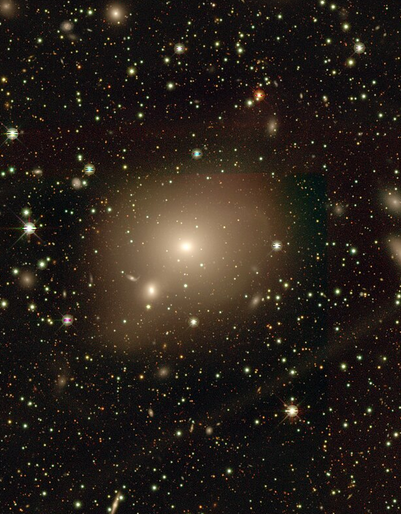
A Bridge Between Giants: Tracing the Past of NGC 4709 Through Its Star Clusters
This study investigates NGC 4709's globular cluster system to trace its interaction history with NGC 4696. The clusters show a bimodal color pattern and spatial alignment pointing to a past encounter. A bridge of clusters between the galaxies and differing distances supports a high-speed flyby scenario, with future work planned using simulations to model their trajectories.
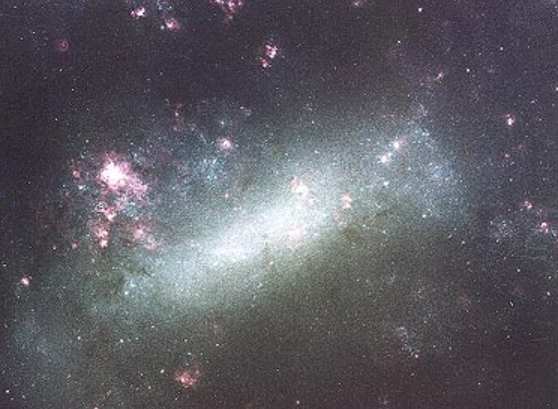
Searching for Ghost Clusters in the LMC: Are the Missing Star Clusters Really Missing?
This study investigated three star cluster candidates in the Large Magellanic Cloud’s age gap but found no strong evidence that they are real clusters. Instead, they appear to be random stellar overdensities. The findings suggest that the missing clusters may never have formed or were lost due to galactic interactions, challenging current models of star cluster formation.

Stellar Fossils from the Outer Halo: Exploring the Most Metal-Poor Stars with the DECam MAGIC Survey
Astronomers used the DECam MAGIC survey to identify six extremely metal-poor stars in the Milky Way’s outer halo, confirming their properties with high-resolution spectroscopy. One star, J0433–5548, stands out as a carbon-enhanced ultra metal-poor star likely formed from a single Population III supernova. These discoveries help trace the chemical evolution of the early universe and validate photometric selection methods.
Mind the Gap: How Missing One Planet Can Skew Our View of Alien Solar Systems
Thomas et al. investigate how missing a planet affects our view of exoplanet systems. They find that removing a planet, especially one from the middle, disrupts the regular spacing (gap complexity) but doesn't affect planet mass similarity or system flatness. This supports the idea that uniform planetary spacing is an intrinsic feature, not just a detection bias.