
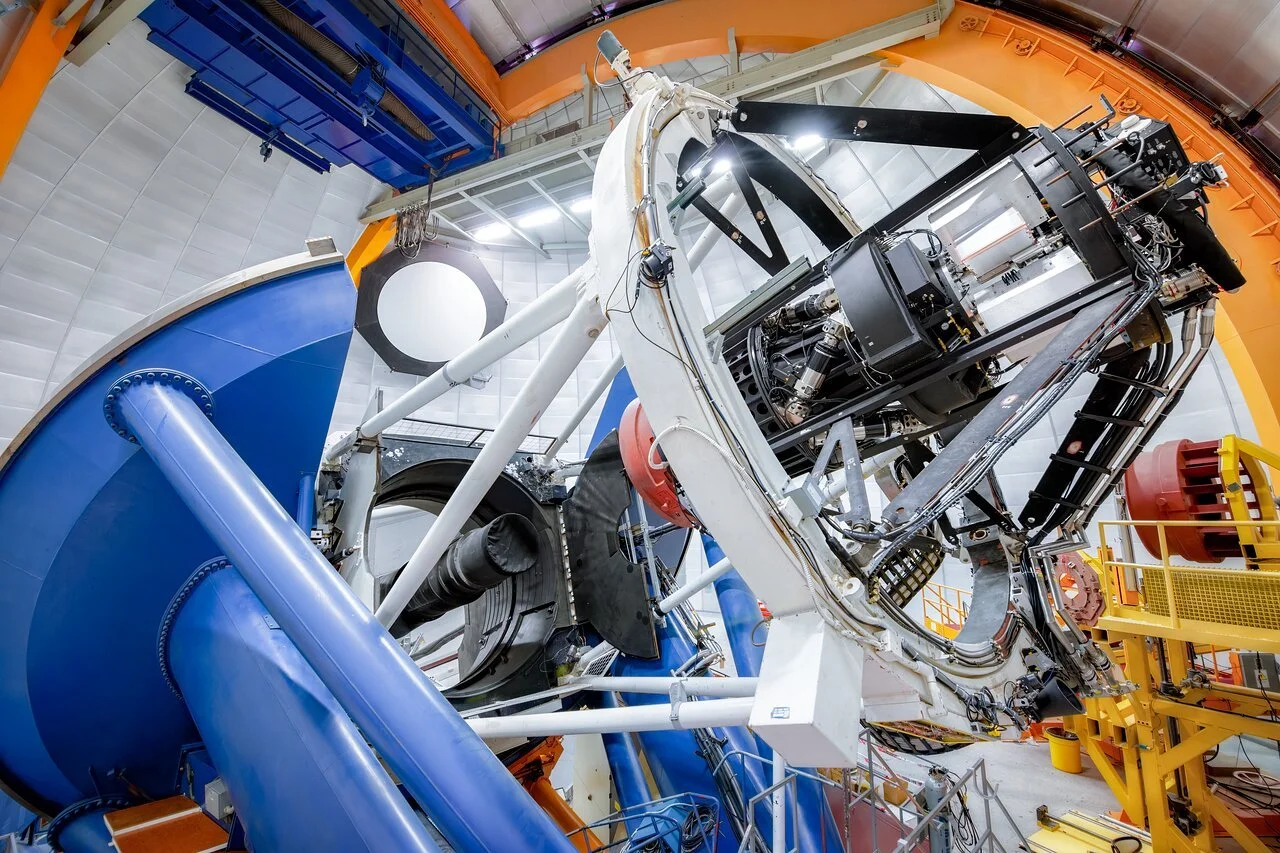
Ancient Relics in the Milky Way: The DECam MAGIC Survey Uncovers the Galaxy’s Most Metal-Poor Stars
Vinicius Placco and collaborators used the DECam MAGIC Survey to identify six extremely metal-poor stars in the distant Milky Way halo, including one ultra metal-poor star. Spectroscopic analysis confirmed their low metallicities and revealed one likely formed from a single early supernova. The study validates MAGIC’s photometric methods and shows how such stars trace the Galaxy’s earliest chemical enrichment and evolutionary history.

When Metals Shape the Stars: How Chemical Yields Define Galactic Identities
Jason L. Sanders presents analytic models showing how metallicity-dependent stellar yields explain differences between galactic populations. By treating metal-dependent production as a built-in “delay time,” the models reveal why elements like aluminum trace star formation efficiency and outflows. Comparing predictions with APOGEE data, Sanders demonstrates that such yields naturally separate in-situ and accreted stars, offering a clear, mathematical framework for galactic chemical evolution.
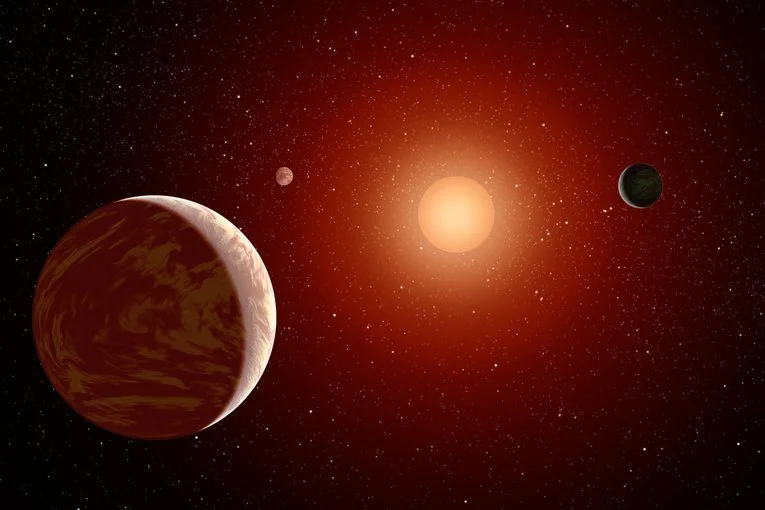
When Impacts Bring Back the Air: How Collisions Could Revive Atmospheres on M-Dwarf Worlds
Prune C. August and colleagues show that rocky planets orbiting M-dwarf stars may repeatedly lose and regain their atmospheres. When gases like CO₂ freeze on the nightside, meteorite impacts can re-vaporize them, temporarily restoring an atmosphere. Their models predict that such planets could spend up to 80% of their lifetimes with these transient atmospheres, reshaping how astronomers interpret atmospheric “non-detections.”

Mapping the Many Lives of Omega Centauri: Untangling 14 Stellar Families in the Milky Way’s Most Complex Cluster
Callie Clontz and collaborators used data from the Hubble Space Telescope and MUSE to identify 14 distinct stellar subpopulations in Omega Centauri. They found that chemically enriched stars (P2) are about 1 billion years younger than primordial ones (P1), with intermediate groups in between. The results suggest multiple star-formation episodes and support the idea that Omega Centauri is the remnant core of a captured dwarf galaxy.
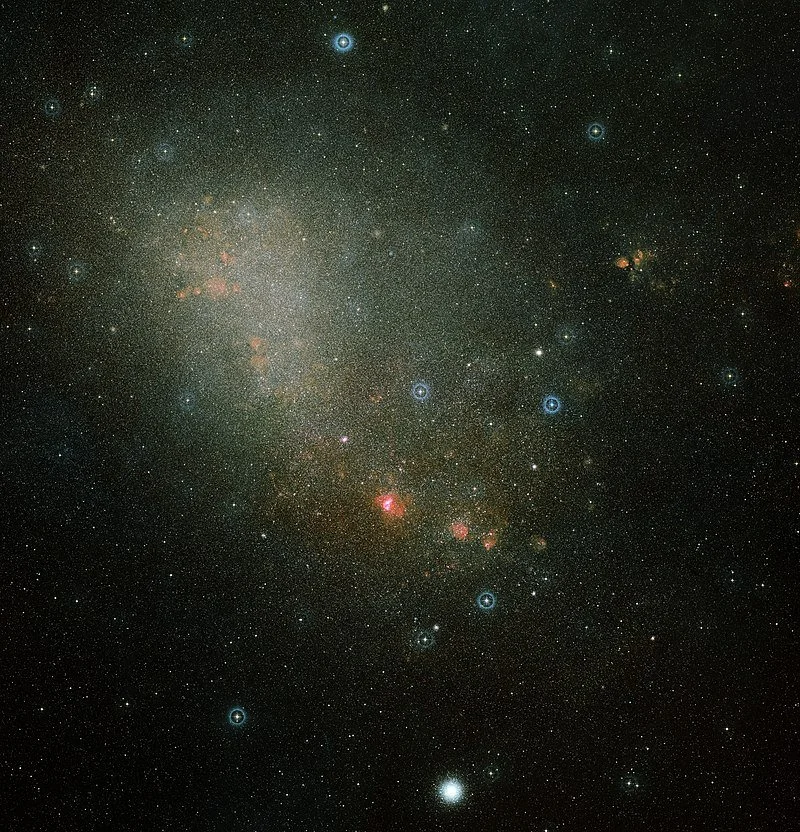
Tracing Cosmic Origins: Europium in the Small Magellanic Cloud
Anoardo et al. present the first large survey of europium in 209 stars of the Small Magellanic Cloud, tracing how heavy elements formed there. They find the SMC has high [Eu/Mg] ratios, signifying strong r-process enrichment, compared to the Milky Way. This suggests dwarf galaxies produce europium more efficiently due to slower star formation, offering key insight into how such systems contributed heavy elements to our Galaxy.
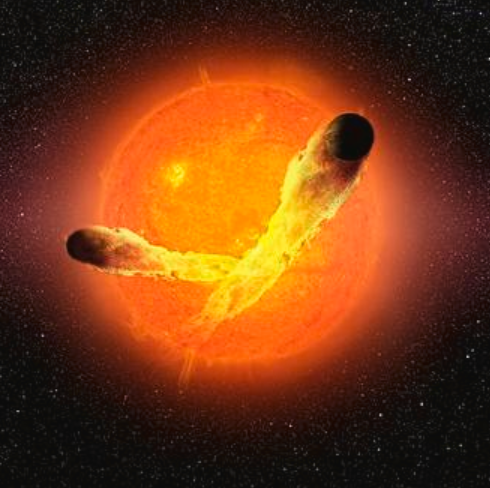
Swallowed Worlds: How a Lost Hot Jupiter May Have Spun Up Kepler-56
Takato Tokuno’s study suggests that the red giant Kepler-56’s rapid rotation and misaligned core and envelope likely result from swallowing a hot Jupiter. Simulations show that its two known planets cannot provide enough angular momentum, but an engulfed giant planet could. This makes Kepler-56 a strong candidate for a star whose unusual spin reveals evidence of past planetary engulfment.

A Hidden River of Stars: Discovering a Stellar Stream Around Galaxy M61 with the Rubin Observatory
Astronomers led by Aaron Romanowsky used the Vera C. Rubin Observatory to discover a faint, 50,000-light-year-long stellar stream around the spiral galaxy M61. The stream likely formed from a dwarf galaxy torn apart by M61’s gravity, possibly triggering its starburst and active nucleus. This finding previews Rubin’s ability to reveal countless faint galactic remnants, deepening understanding of galaxy growth and evolution.
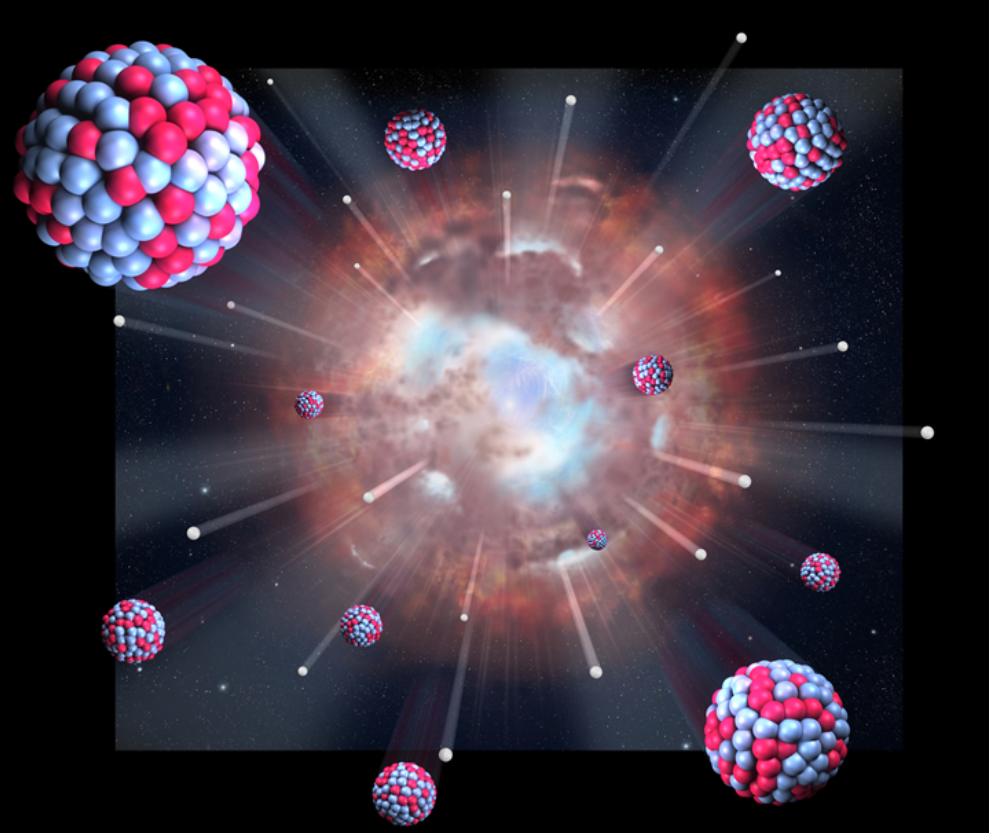
Tracing the Origins of the Universe’s Heaviest Elements: The R-Process Alliance Examines Ten Ancient Stars
Racca et al. (2025) studied ten ancient, r-process-enriched stars to uncover how the universe creates its heaviest elements. Using high-resolution spectroscopy, they found nearly identical abundance patterns across stars from distinct origins, with minimal variation (<0.1 dex). This surprising uniformity suggests that r-process nucleosynthesis, likely from neutron-star mergers or similar extreme events, follows a consistent, universal mechanism throughout cosmic history.
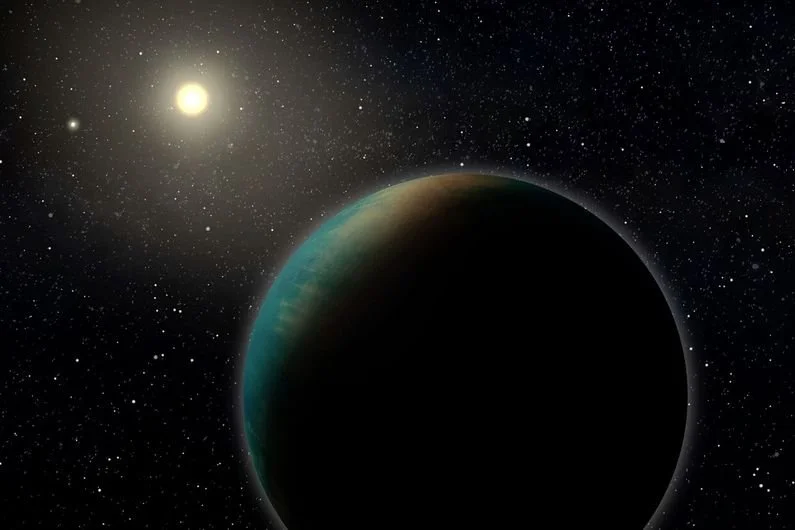
Tracing Planet Formation Through Stellar Fingerprints: A Spectroscopic Look at C/O Ratios in Directly Imaged Exoplanet Hosts
Baburaj et al. conducted a high-resolution spectroscopic survey of five stars hosting directly imaged exoplanets to measure their elemental abundances. They found solar-like C/O ratios for HR 2562, AB Pic, and YSES 1, but significantly sub-solar ratios for PZ Tel and β Pictoris. These differences suggest diverse formation environments and highlight how stellar chemistry can trace planet formation processes.

Relics of the First Galactic Core: How the Milky Way’s Oldest Stars Reveal Its Fiery Beginnings
Sun et al. map over five million metal-poor stars to uncover the Milky Way’s earliest structure. Using both observations and simulations, they find that the Galaxy’s oldest stars likely formed during high-redshift gas “compaction” bursts over 12 billion years ago. These events created a dense, non-rotating core, the proto-Galaxy, that later evolved into the Milky Way’s central bulge and thick disk.
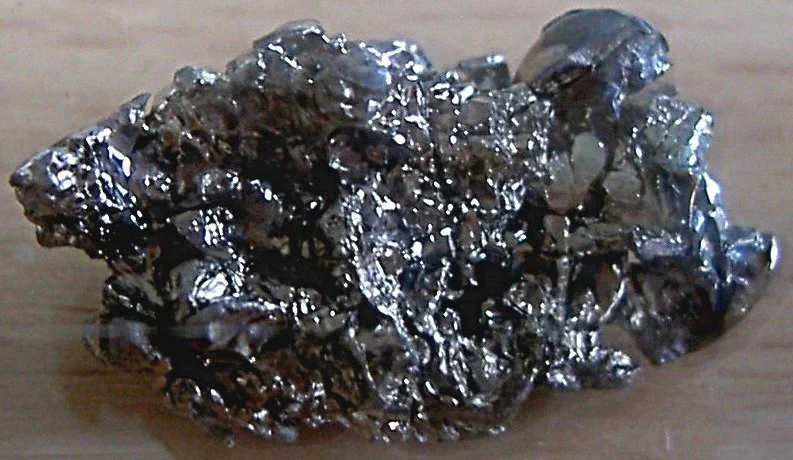
Barium Clues: Unraveling the Origins of Carbon-Enhanced Ancient Stars
Sitnova et al. studied ten carbon-enhanced metal-poor stars to measure their barium isotope ratios. They found that CEMP-s stars have isotope patterns consistent with the slow neutron-capture (s-) process, while CEMP-rs stars show signatures matching the intermediate (i-) process. This distinction suggests that the i-process, rather than a mix of s- and r-processes, shaped the chemical makeup of many CEMP-rs stars.

Tracing the Chemistry of Exoplanet Hosts: What K2 Stars Reveal About Planets and Their Parent Stars
Loaiza-Tacuri et al. analyzed 301 K2 exoplanet-hosting stars using high-resolution spectra to measure stellar temperatures, metallicities, magnesium abundances, and activity levels. They confirmed the planetary radius gap near 1.9 R⊕, found that larger planets orbit more metal-rich stars, and showed stellar activity decreases with planet size. Most hosts belong to the Galactic thin disk, linking stellar chemistry to planetary formation.
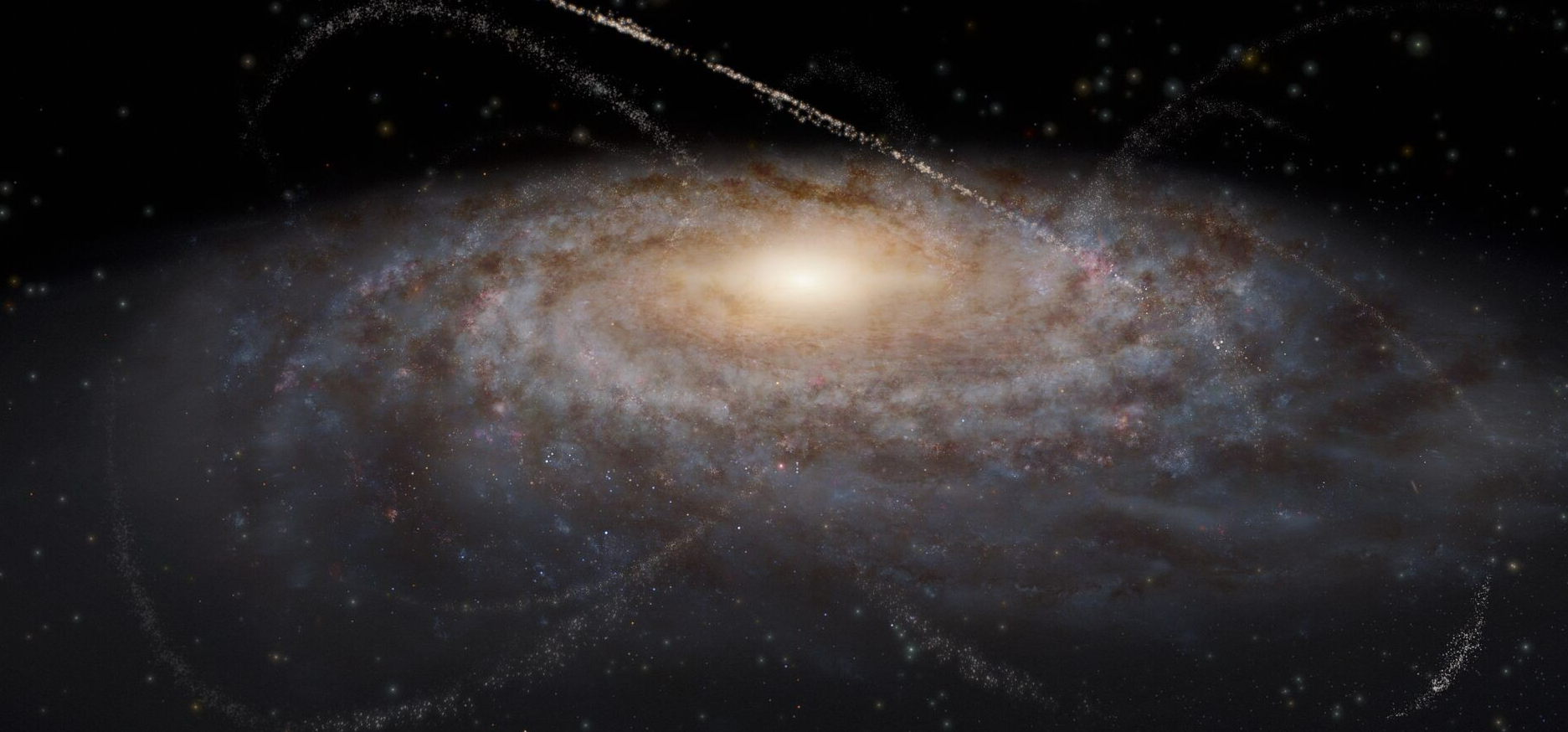
Tracing the Ghosts of Clusters: StarStream Reveals Hidden Stellar Streams in the Milky Way
Yingtian Chen and colleagues used their new algorithm, StarStream, to uncover 87 stellar streams from globular clusters in Gaia data, doubling the known number. The method detects even irregular, misaligned streams, revealing that many clusters are actively losing stars. Measured mass loss rates show that low-mass, extended clusters like Palomar 5 are nearing tidal disruption, offering fresh insights into the Milky Way’s evolution.
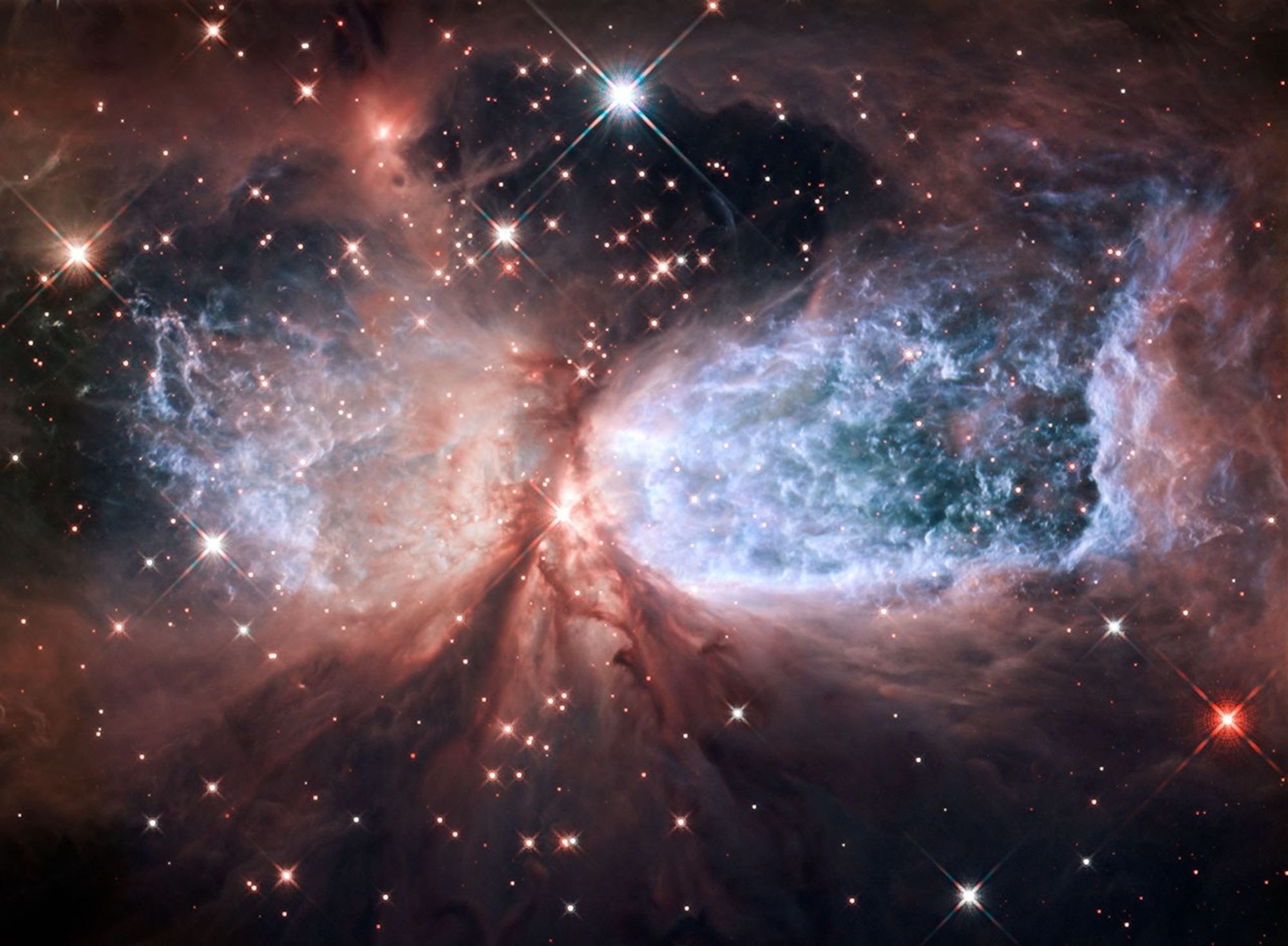
Uncovering the Chemical Story of Star-Birth Rings in Nearby Galaxies
Eva Sextl and Rolf-Peter Kudritzki use MUSE data to study four spiral galaxies with bright nuclear star-forming rings. By separating young and old stellar populations, they find that these rings are metal-rich, not metal-poor as once thought. Their new “physical metallicity” method reveals that inflows of fresh gas and repeated star formation cycles drive long-term chemical enrichment in galactic centers.
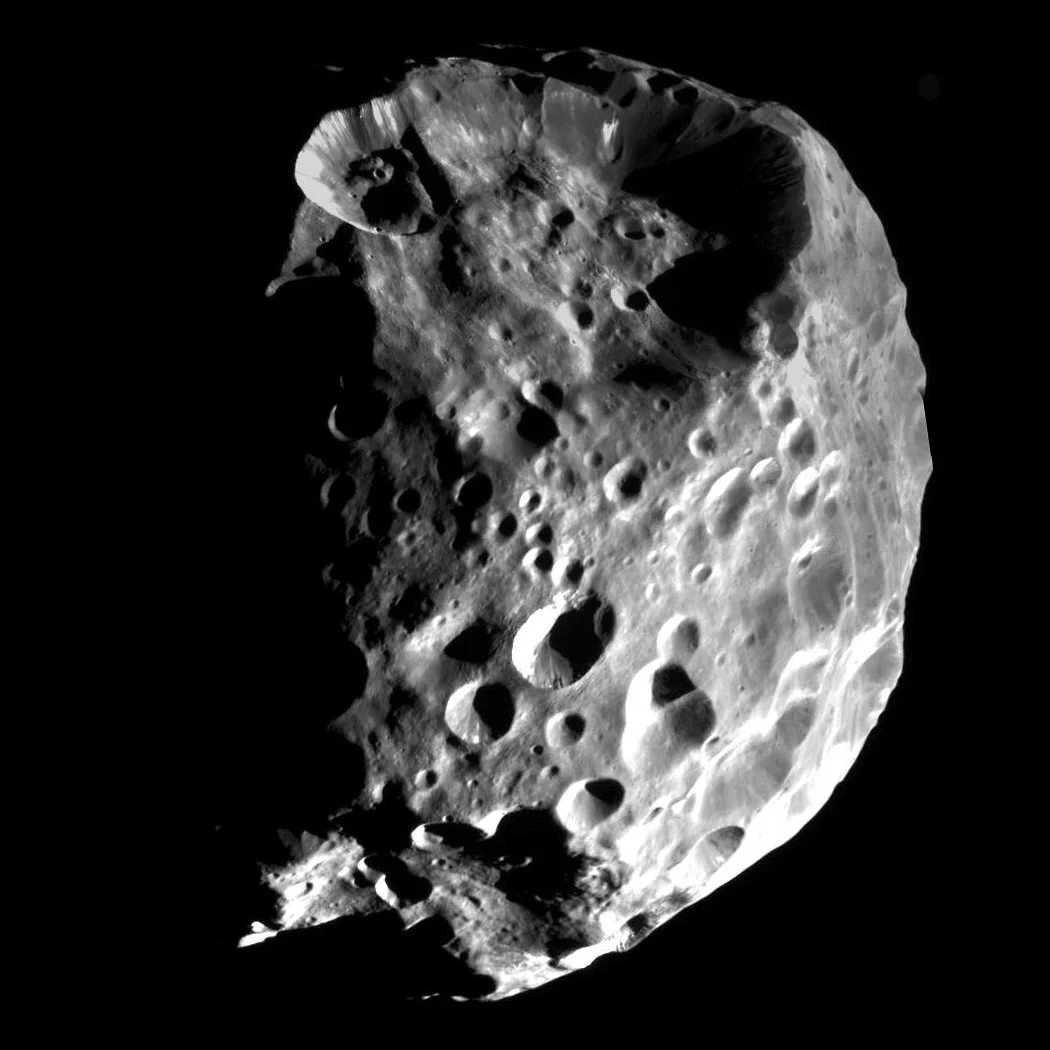
Tracing Saturn’s Watery Past: JWST Detects Heavy Water on Saturn’s Moons
Using JWST, Brown et al. detected deuterated water (heavy water) on Saturn’s icy moons, finding D/H ratios about 1.5 times higher than Earth’s oceans. This consistency across moons suggests they formed from the same cold, unprocessed ices, not from a hot gas disk. The results rule out earlier claims of extreme D/H on Phoebe and provide new insight into how Saturn’s satellites and solar system ices formed.

Mapping the Life and Legacy of Dying Stars: How Planetary Nebulae Reveal the Milky Way’s Chemistry
N. Erzincan and colleagues analyzed 1,449 planetary nebulae to explore how dying stars shape the Milky Way’s chemistry. Using spectra from the HASH database and Gaia distances, they measured temperatures, densities, and elemental abundances. Disk nebulae were richer in heavy elements than those in the halo, and sulfur and nitrogen showed a strong correlation, revealing links between stellar evolution and Galactic chemical enrichment.
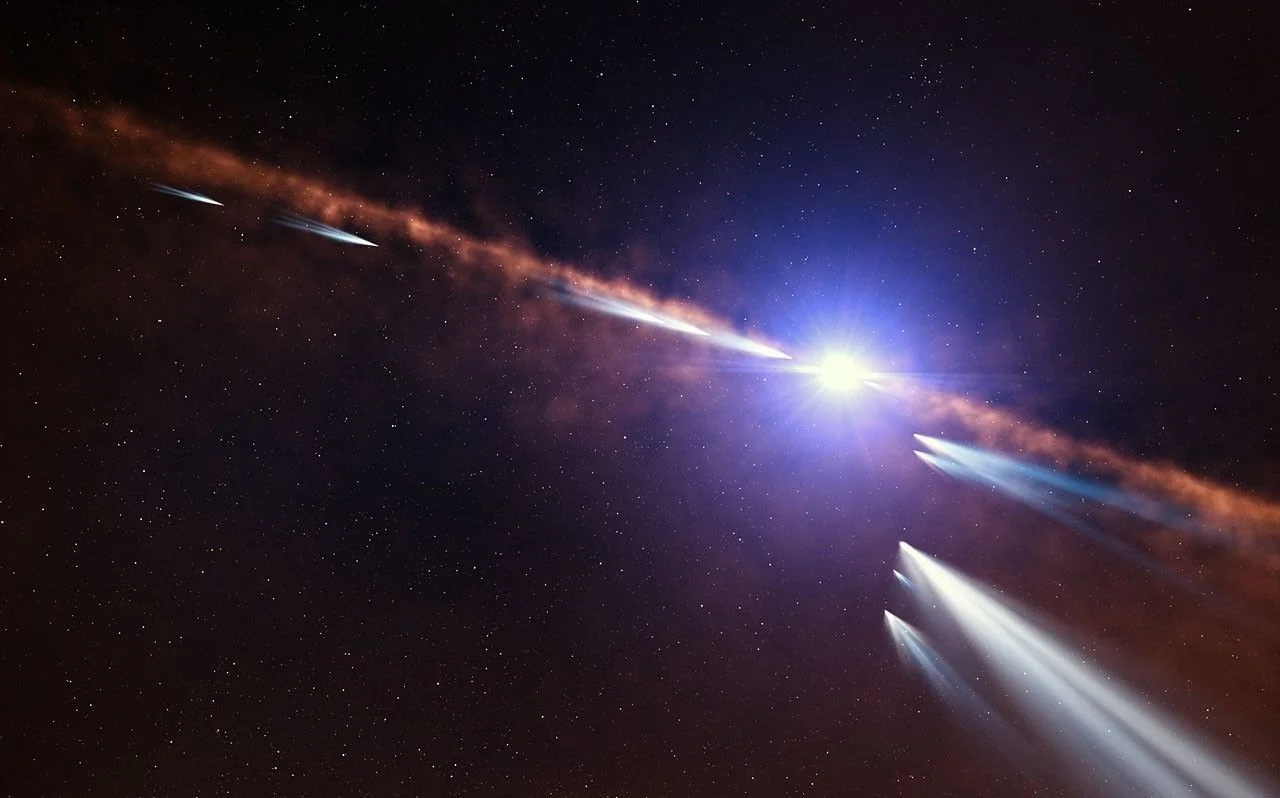
Hunting for Dusty Trails: Ten New Exocomet Transits Discovered in Kepler Data
Using a neural network trained on simulated comet transits, P. Dumond and colleagues reanalyzed Kepler’s light curves and discovered ten new exocomet transits among 17 high-confidence detections. Their machine learning approach efficiently separated real signals from noise and revealed that exocomet activity occurs around both young and old stars, suggesting cometary systems may remain active throughout stellar lifetimes.

Unraveling Nephele: The Hidden Galaxy Behind Omega Centauri
Pagnini et al. (2025) reveal that Omega Centauri was once the core of a vanished dwarf galaxy named Nephele. Using stellar chemistry and motion data from APOGEE, they identify hundreds of stars once belonging to this system. Their findings suggest Nephele’s remnants form extended stellar streams, showing how the Milky Way grew by merging with smaller galaxies.

Mapping Metal and Molecule Mysteries in Interstellar Comet 3I/ATLAS
Hoogendam et al. (2025) used the Keck Cosmic Web Imager to study interstellar comet 3I/ATLAS, confirming gas emissions from cyanogen (CN) and nickel (Ni). They found Ni concentrated closer to the nucleus, suggesting it originates from short-lived compounds like metal carbonyls or organics. The findings indicate that interstellar comets may be metal-rich but water-poor, offering clues about the chemistry of distant planetary systems.

Tracing Starlight: How Ultraviolet Observations Reveal the Heavy Elements in HD 196944
Roederer et al. used ultraviolet spectra from the Hubble Space Telescope to study HD 196944, a carbon-enhanced metal-poor star rich in s-process elements. They detected 35 heavy elements, the most ever found in such a star, and showed these likely came from a former AGB companion. Their results confirm that UV spectroscopy can reveal new details about how stars create the universe’s heaviest elements.