
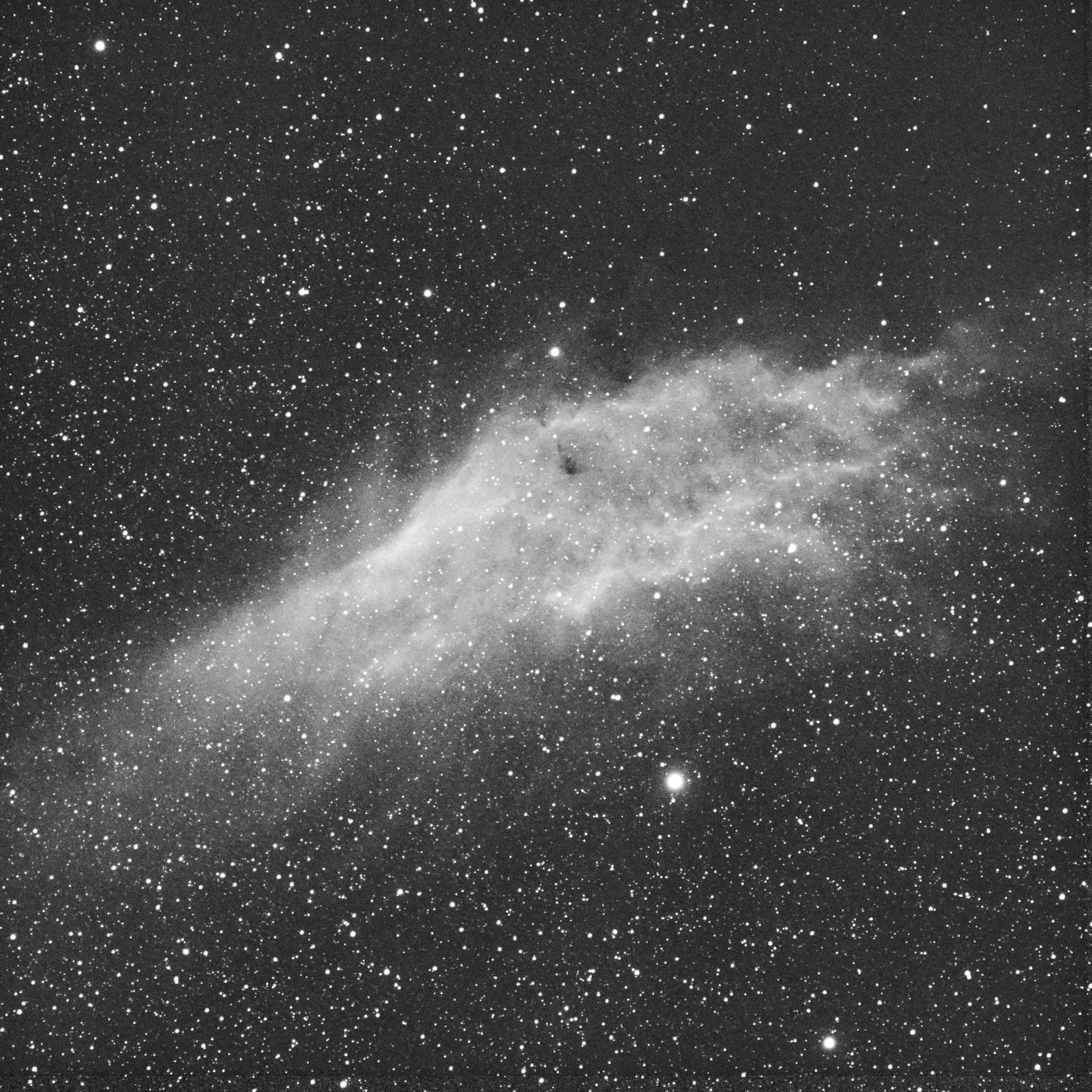
A Giant, Slow-Motion Bubble: Tracing a Long-Lived Superbubble Across the Perseus Arm
This paper studies the Giant Oval Cavity, the largest known superbubble in the Milky Way, stretching across the Perseus spiral arm. By tracking the motions of young, massive stars, the authors show that the cavity is slowly expanding and extremely long-lived. Repeated supernova explosions continually supply energy, allowing the structure to survive despite Galactic turbulence and shear.

Flaring Stars and Fragile Worlds: Can Planets Around Red Dwarfs Be Habitable?
This white paper by Rebecca Szabó examines whether planets orbiting active, flaring M-dwarf stars can remain habitable. While these stars host many planets in the habitable zone, frequent high-energy flares may strip atmospheres or damage ozone layers, threatening life. The authors argue that large-scale, high-cadence observations are needed to determine whether stellar flares ultimately hinder or help planetary habitability.
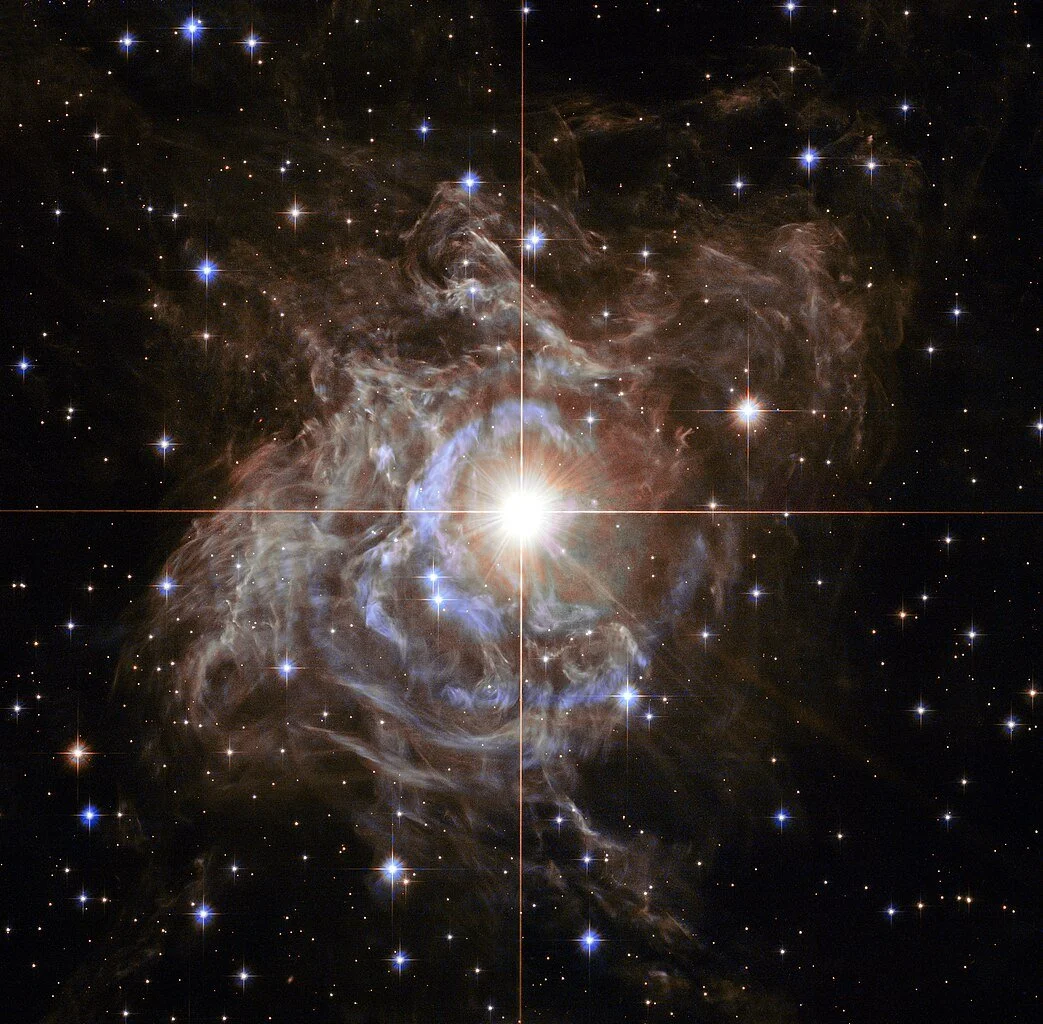
Riding the Galaxy’s Carousel: Measuring the Milky Way’s Rotation with Gaia Cepheids
Feng and collaborators use nearly a thousand Gaia DR3 Classical Cepheids to measure the Milky Way’s rotation curve with high precision. They find a gently declining trend with a distinct dip and bump, features seen mostly in young tracers. By constructing an averaged rotation curve, they estimate a solar circular speed of about 237 kilometers per second and derive dark matter densities and masses consistent with previous studies.
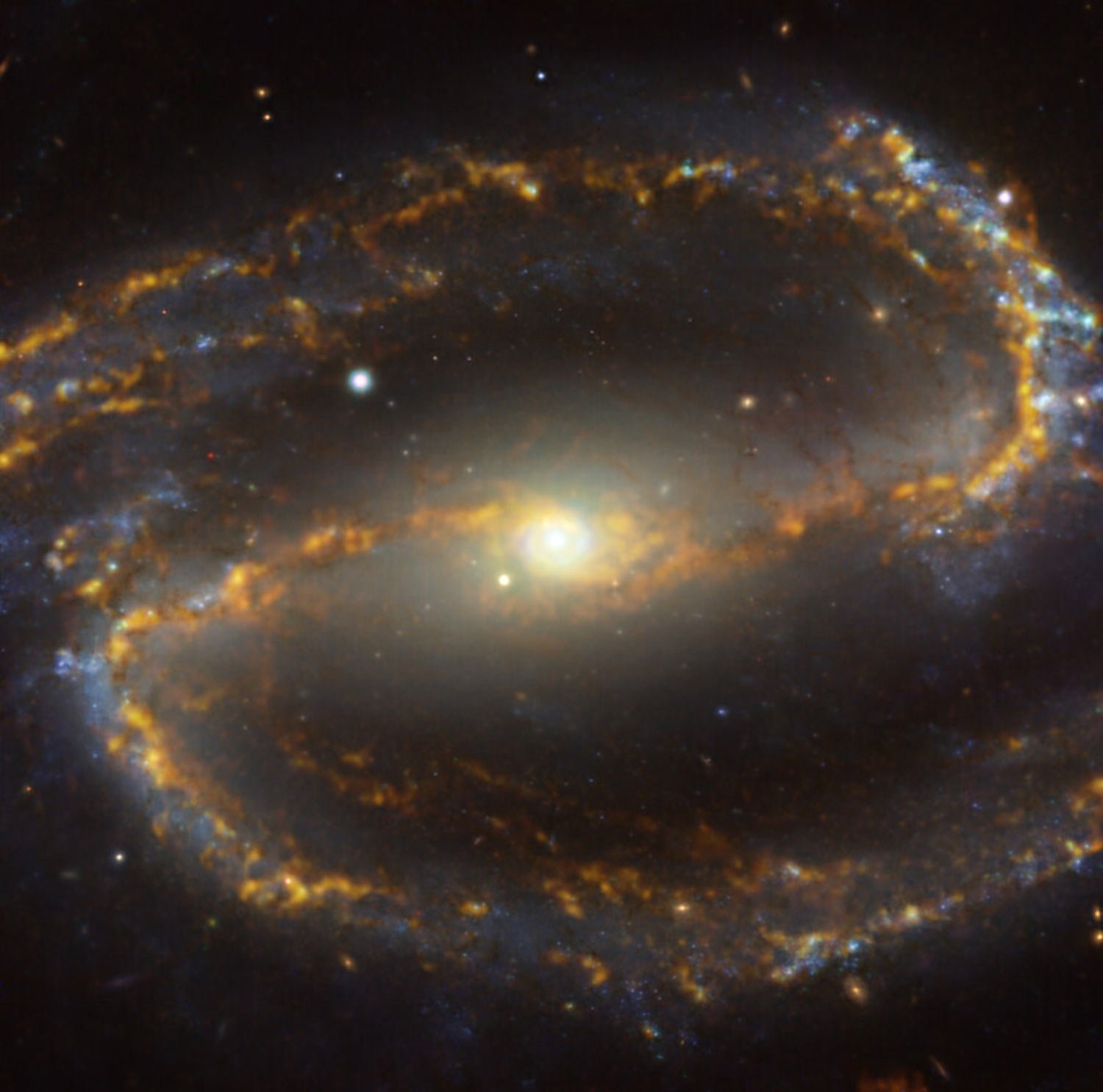
When Hot Disks Meet Spinning Halos: How Bars Can Still Form
Kataria’s study shows that even a kinematically hot and thick galactic disk, normally stable against bar formation, can develop a bar if it sits inside a rapidly spinning dark matter halo. Simulations reveal that halo spin greatly enhances angular momentum transfer, by a factor of eight, triggering bar growth that classical stability criteria fail to predict. This mechanism may explain why JWST observes barred galaxies in the early, turbulent universe.
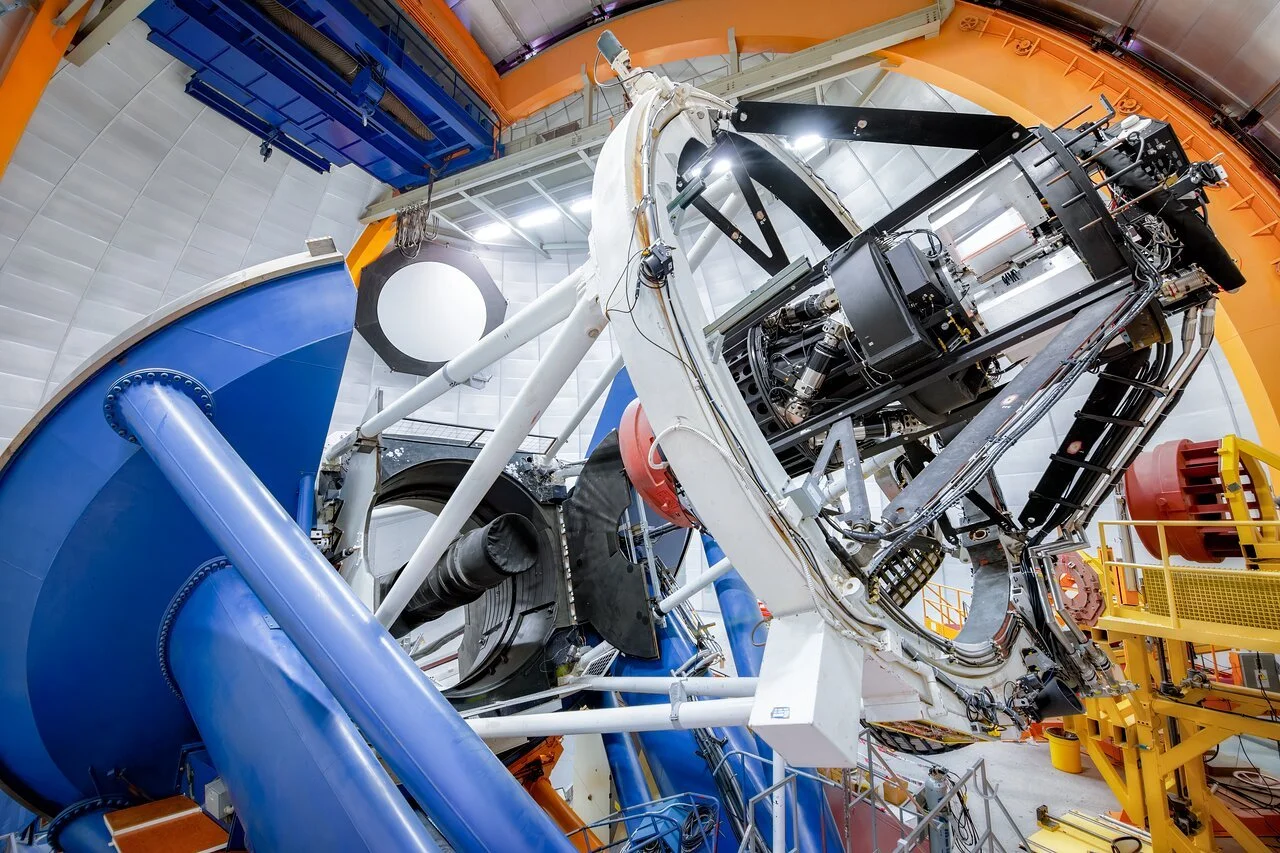
Tracing the Earliest Stars: A Guide to the DECam MAGIC Survey
The paper presents high-resolution observations of six extremely metal-poor stars selected with DECam MAGIC photometry, confirming the survey’s ability to identify ancient stellar fossils. One star, J0433−5548, is an ultra metal-poor, carbon-enhanced second-generation star likely enriched by a single Population III supernova. The stars’ chemical patterns and orbital motions link them to major Galactic structures, offering insights into the Milky Way’s early formation.
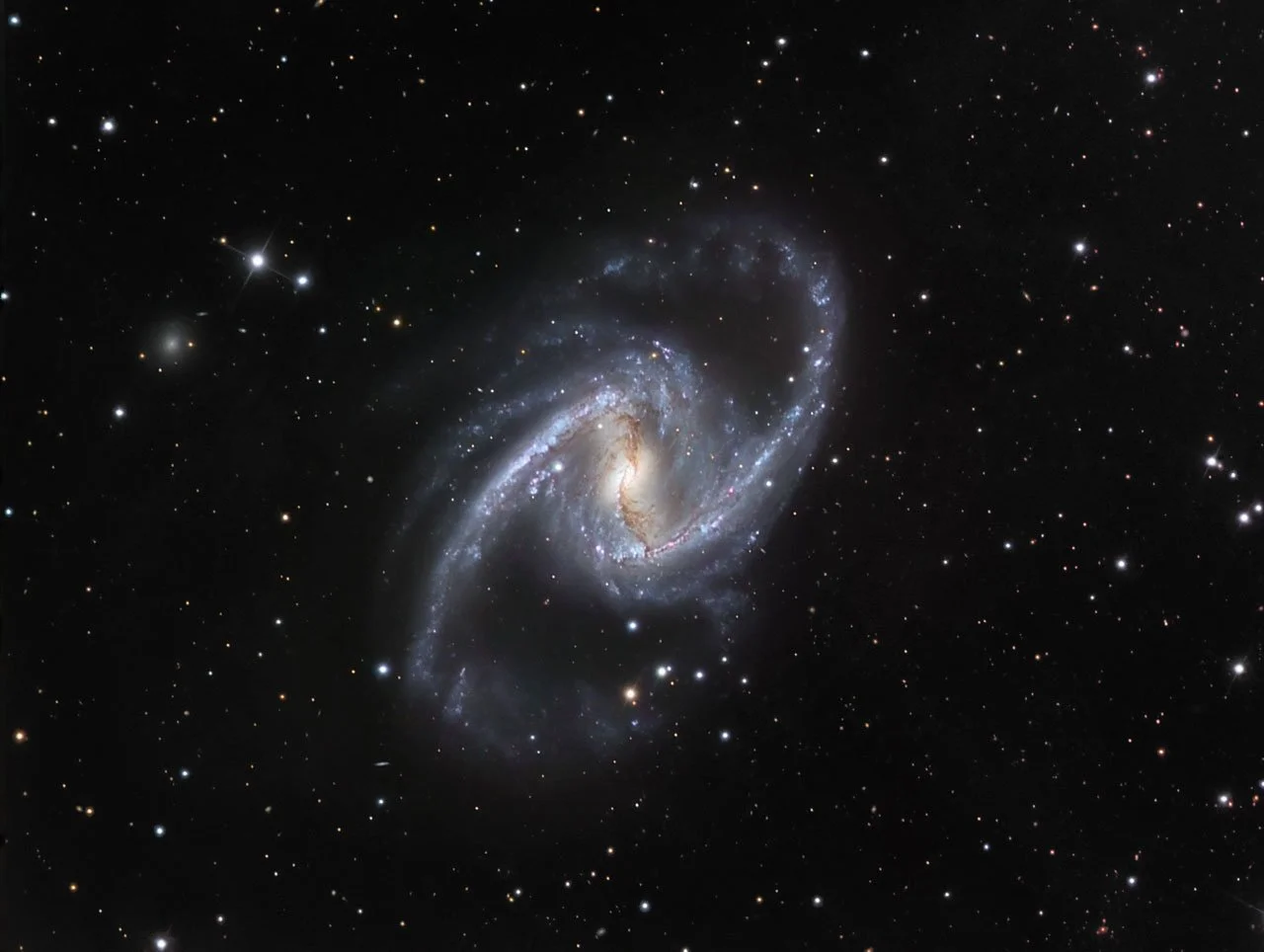
Bars, Spins, and Neighbors: What Shapes the Formation of Galactic Bars?
This study uses MaNGA observations to investigate why some disc galaxies host stellar bars. It shows that bars form mainly due to internal conditions, especially high central stellar mass dominance and low stellar angular momentum. Environmental interactions play a secondary role, sometimes triggering bars in galaxies already close to instability.
Two Centuries of a Pulsating Giant: How R Leonis Changed Its Rhythm and Dusty Veil
This paper shows that the variable star R Leonis has changed measurably over the past two centuries. Its pulsation period has slowly shortened, and the depths of its dimmest phases show strong long-term patterns rather than random variation. These trends are best explained by gradual changes in the star’s surrounding dust, revealing that even regular variable stars evolve on human timescales.

Revisiting a Classic Stellar Tool: How Calcium Light Reveals the Metal Content of Stars
This paper revisits the Calcium II Triplet method for measuring stellar metallicity, using updated data and modern Python-based analysis tools. By recalibrating CaT line strengths across a large sample of red giant stars and adding the Gaia G-band, the authors produce a more robust metallicity calibration. The new results improve accuracy, especially for metal-rich stars, and better suit large surveys in the Gaia era.
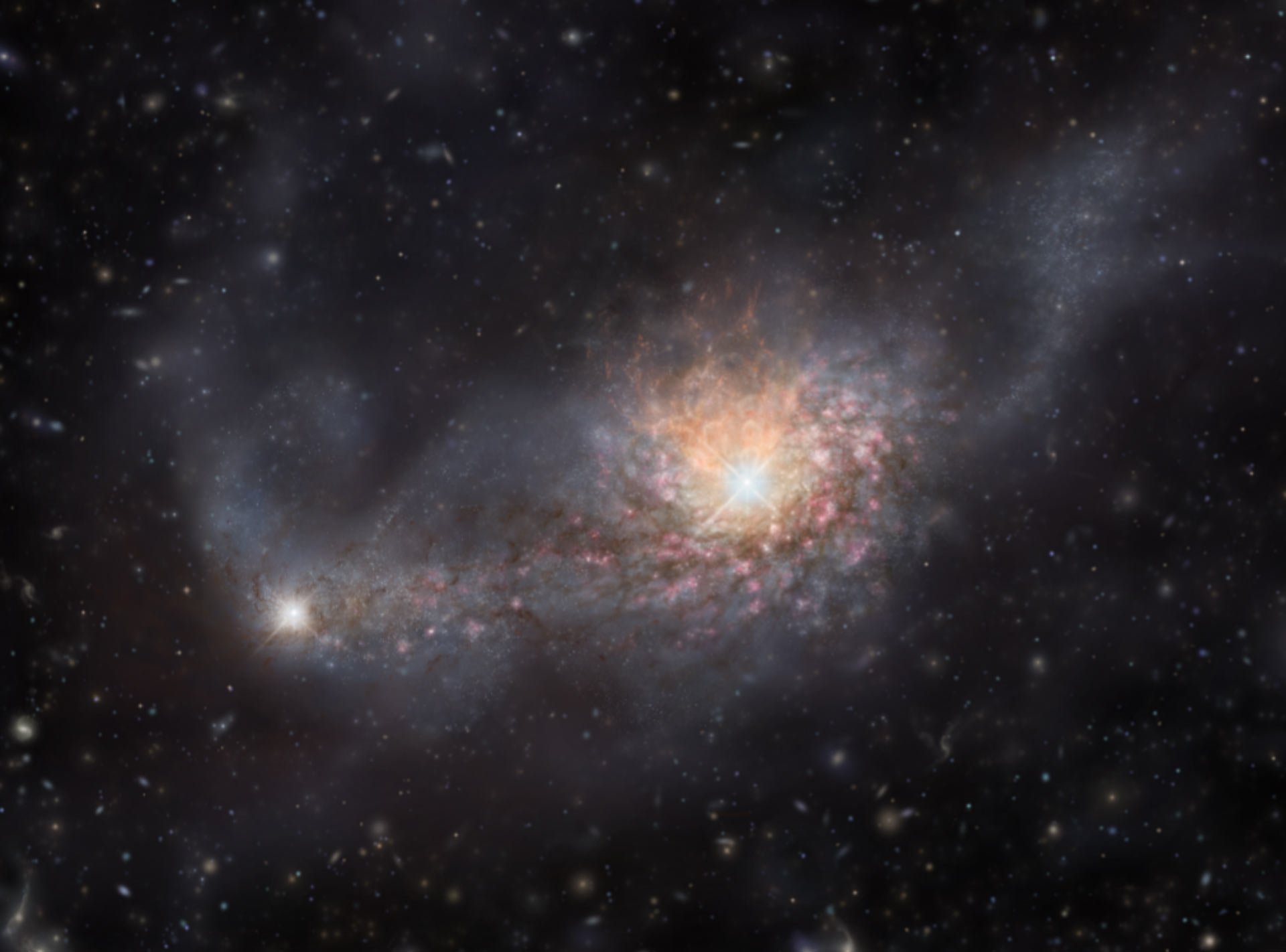
When Galaxies Collide: How Mergers and Flybys Disrupt the Age Patterns of Spiral Arms
This paper uses galaxy simulations to study how stellar ages vary across spiral arms and how these patterns change during mergers and flybys. Most of the time, spiral arms show younger stars on their leading edges, consistent with density wave theory. However, gas-rich interactions can temporarily erase this age pattern, which typically recovers within a few hundred million years.
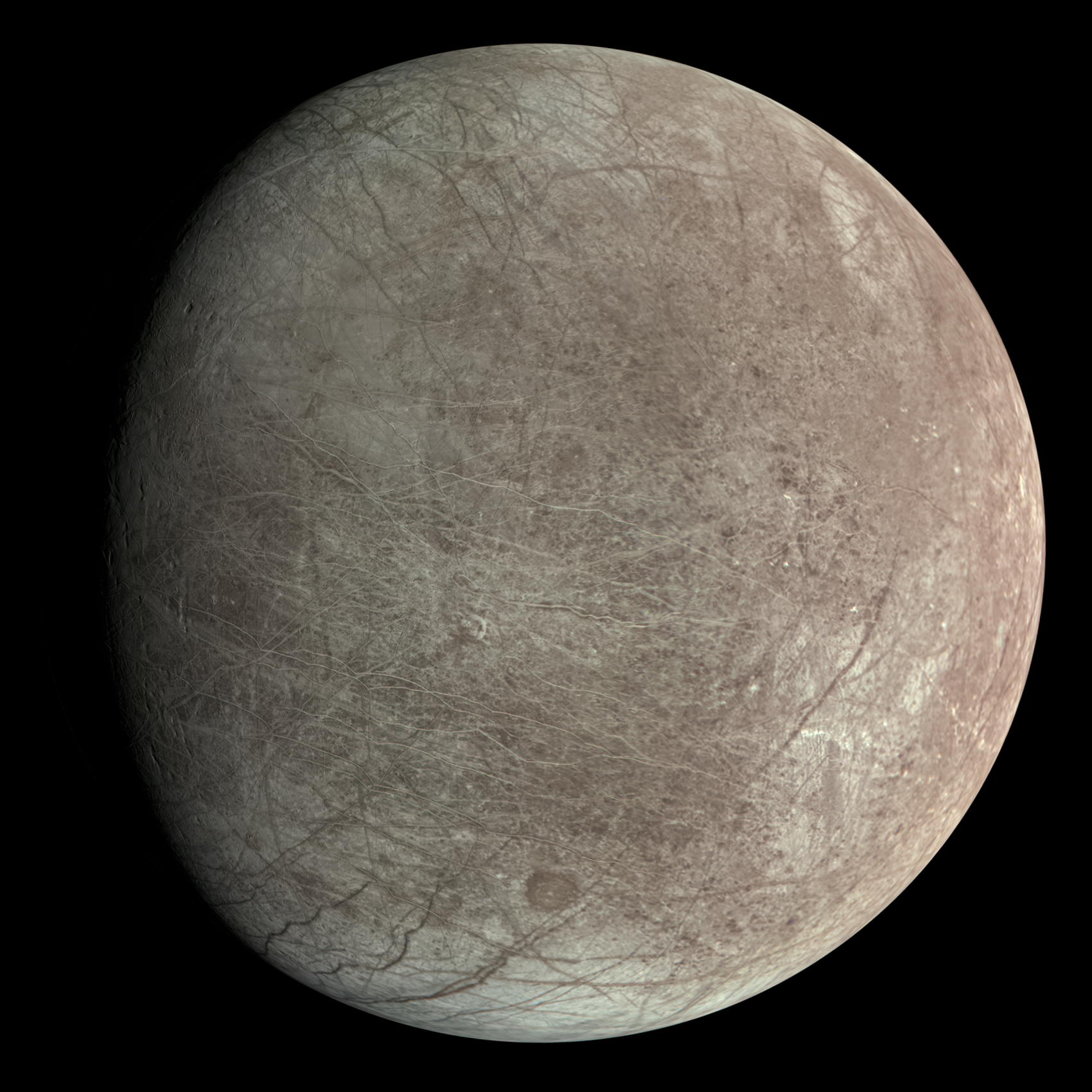
Why Europa Stayed Wet While Io Dried Out: Tracing the Early Lives of Jupiter’s Inner Moons
The paper examines why Io is dry while Europa is water-rich, testing whether both moons formed as ocean worlds and later evolved differently. Using thermal and atmospheric escape models, the authors find Europa easily retains its water, while Io cannot lose a large primordial water inventory. They conclude Io likely formed from dry material, and the moons’ differences reflect where they formed in Jupiter’s disk.

Untangling the Mystery of Spiral Arms: Why Galaxy Swirls May Not Be What They Seem
This paper explains why astronomers still debate whether spiral arms are long-lived density waves or short-lived, dynamic features. While modern simulations now make detailed predictions about stellar motions and chemistry, current observations lack the resolution to test them. The authors argue that wide-field, high-precision spectroscopy of nearby spiral galaxies is essential to finally resolve the nature of spiral arms and their role in galaxy evolution.
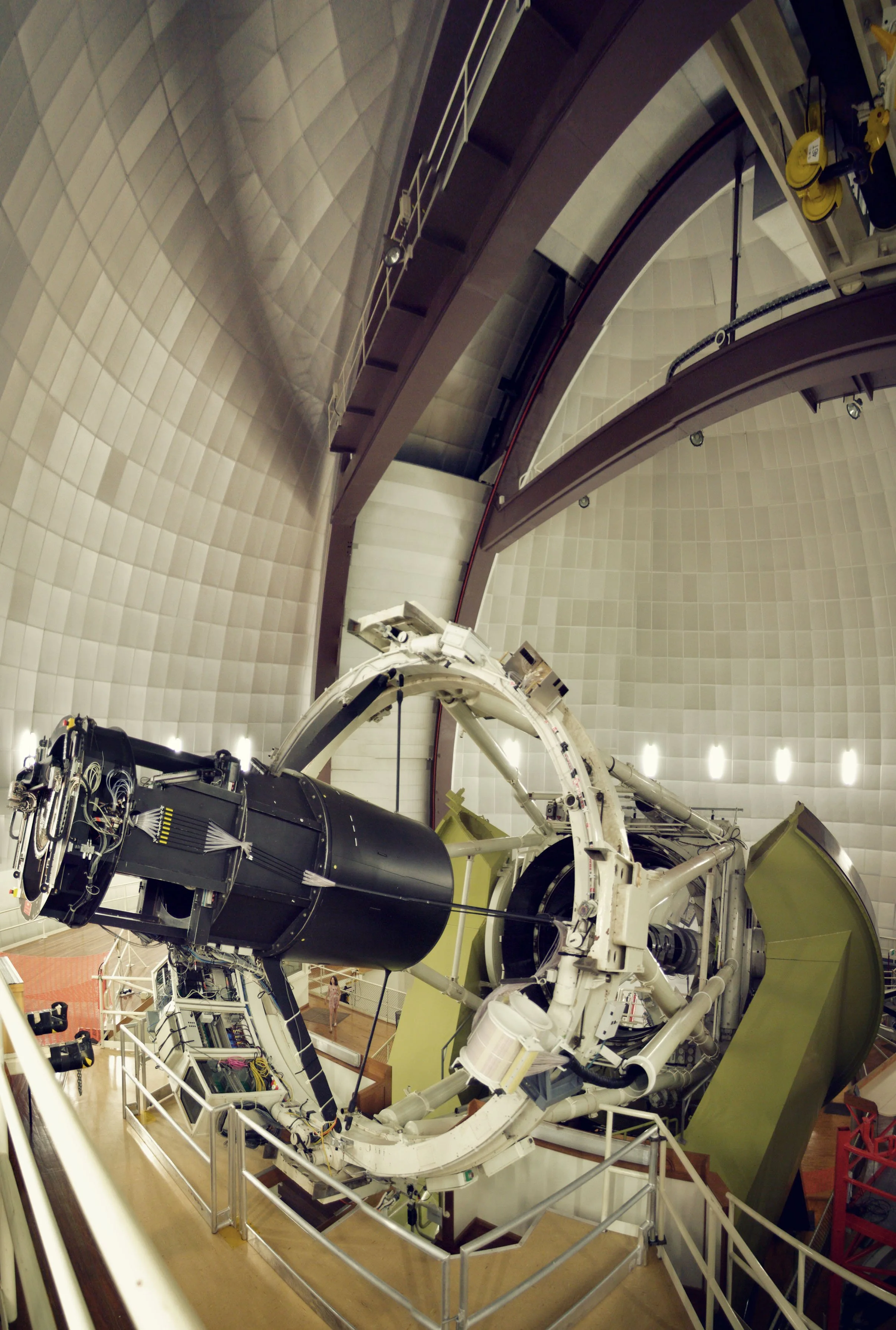
Mapping Our Stellar Neighborhood: What Nearby Stars Reveal About the Milky Way
This paper combines Gaia and GALAH DR4 data to study about 6,000 stars within 100 pc of the Sun. The authors find that the local stellar population is dominated by FGK main-sequence stars with a median age of ~1.6 Gyr and slightly sub-solar metallicity. Most stars belong to the Galactic disc, with only a small halo component, setting the stage for future detailed chemo-dynamical studies.

Mapping Our Galaxy in Unprecedented Detail: Why the Milky Way Needs a New Stellar Census
The paper argues that fully understanding how the Milky Way formed requires a new, Galaxy-wide map that combines stellar motions, chemistry, and ages. Current and planned surveys lack the precision and coverage needed, especially in the disc midplane and bulge. The authors propose a future large spectroscopic facility to finally reconstruct the Milky Way’s formation and evolution in detail.

Building the Milky Way: How Gas, Chemistry, and New Telescopes Reveal Our Galaxy’s Hidden Structure
The paper reviews how gas in the Milky Way gathers and changes chemically to form stars, using (sub-)millimeter spectral lines to trace physical conditions from giant molecular clouds down to star-forming cores. It highlights limits of current surveys and argues that new facilities and layered Galactic Plane surveys are essential to fully understand mass assembly, star formation, and chemical complexity in our Galaxy
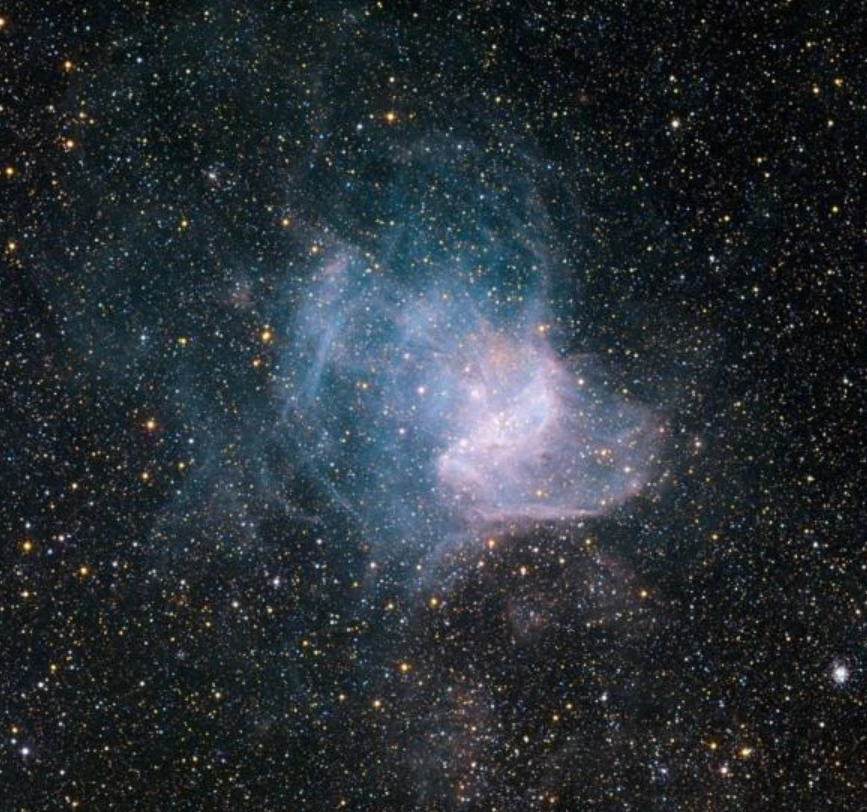
Tracing the Chemical DNA of the Small Magellanic Cloud’s Oldest Stars
The study analyzes 12 of the oldest stars in the Small Magellanic Cloud to trace how heavy elements formed early in the galaxy’s history. It finds that neutron-capture elements are dominated by the r-process, with large star-to-star variations caused by rare enrichment events and inefficient gas mixing. These patterns reflect the SMC’s slow star formation and distinct chemical evolution compared to the Milky Way.

Mapping the Milky Way in Motion: Revealing the Galaxy’s Six-Dimensional Skeleton of Star Formation
This White Paper argues that the Milky Way should be understood as a dynamic system, where star formation is shaped by large-scale motions such as warps and waves in the Galactic disk. By building a six-dimensional map of young stars, combining positions, motions, and ages, the authors aim to link Galactic dynamics to how and where stars form. Achieving this requires future deep surveys and new spectroscopic facilities to reveal the Galaxy’s hidden structure.
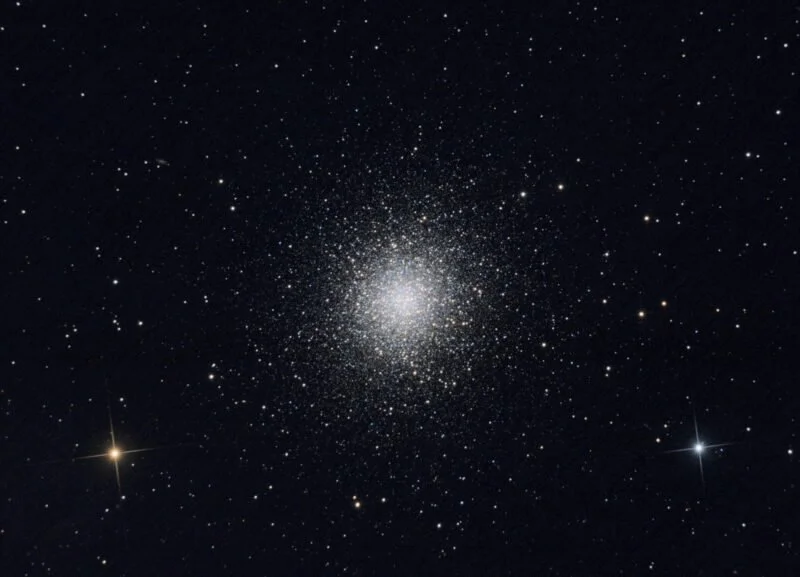
Globular Clusters as Cosmic Black Hole Factories
This study shows that globular clusters in and around the Milky Way are efficient factories for dynamically formed binary black holes. Using a galaxy formation model coupled to cluster simulations, the authors find that dense, massive clusters can produce very heavy black holes through repeated mergers, especially in the early Universe. These results help explain gravitational-wave detections and highlight the importance of future observatories.
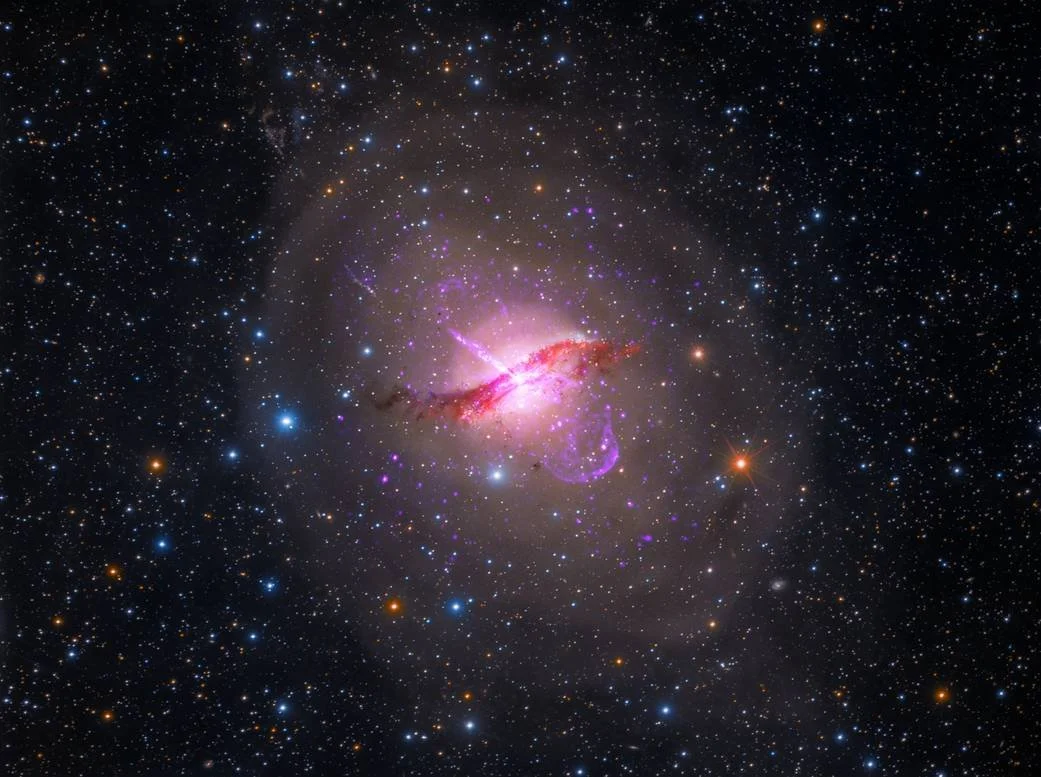
A High-Resolution Look at Cosmic Metals: What XRISM Reveals About the Centaurus Cluster Core
Using high-resolution XRISM/Resolve data, Mernier et al. measure the chemical composition of the Centaurus cluster core with unprecedented precision. Most element-to-iron ratios are close to solar, but nitrogen is enhanced and magnesium is depleted compared to the Solar System. These differences suggest that cluster cores may not share a universal chemical composition and reflect variations in stellar enrichment histories.

Heavy Atmospheres and Hidden Birthplaces: Tracing Where Giant Planets Form
This paper shows that many giant exoplanets are rich in heavy elements because they likely formed in the inner regions of their protoplanetary discs. There, inward-drifting pebbles evaporate and enrich the gas, which planets then accrete into their atmospheres. By matching simulations to observed planets, the authors link heavy element content and atmospheric composition to planetary birth locations.
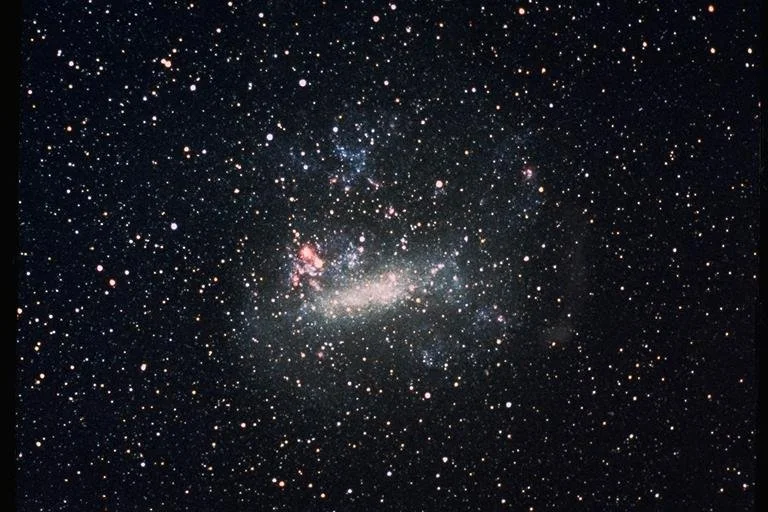
Teaching Galaxies When to Arrive: Using Machine Learning to Time the Fall of Milky Way Satellites
Kim et al. present a machine-learning method to estimate when dwarf galaxies fell into the Milky Way using observable properties like quenching time, stellar mass, and metallicity. Trained on realistic simulations, their model shows that the earliest infall event strongly shapes when star formation stops, especially for low-mass galaxies. The approach is fast, interpretable, and broadly consistent with observations.