

Unwinding the Mystery of the Phase Spiral in the Milky Way
Widmark et al. map the phase spiral, a vertical motion pattern of stars in the Milky Way, using Gaia data. They find that its structure is smooth and consistent across the disk, suggesting a global, rather than local, origin. The winding time varies with location, raising questions about the Galaxy’s dynamical history and hinting at complex gravitational processes at play.
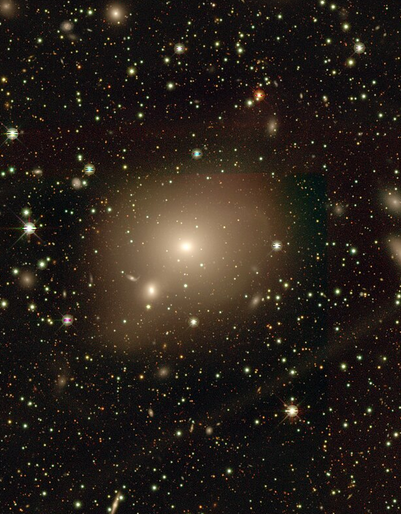
A Bridge Between Giants: Tracing the Past of NGC 4709 Through Its Star Clusters
This study investigates NGC 4709's globular cluster system to trace its interaction history with NGC 4696. The clusters show a bimodal color pattern and spatial alignment pointing to a past encounter. A bridge of clusters between the galaxies and differing distances supports a high-speed flyby scenario, with future work planned using simulations to model their trajectories.
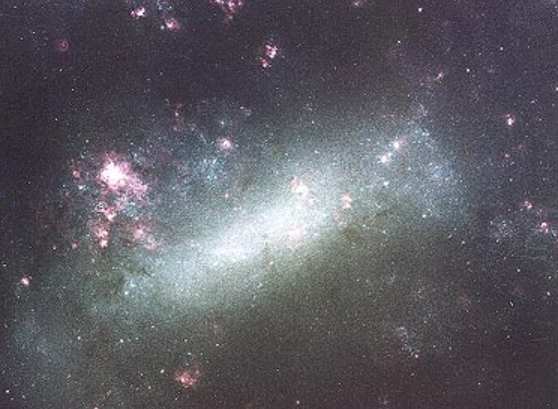
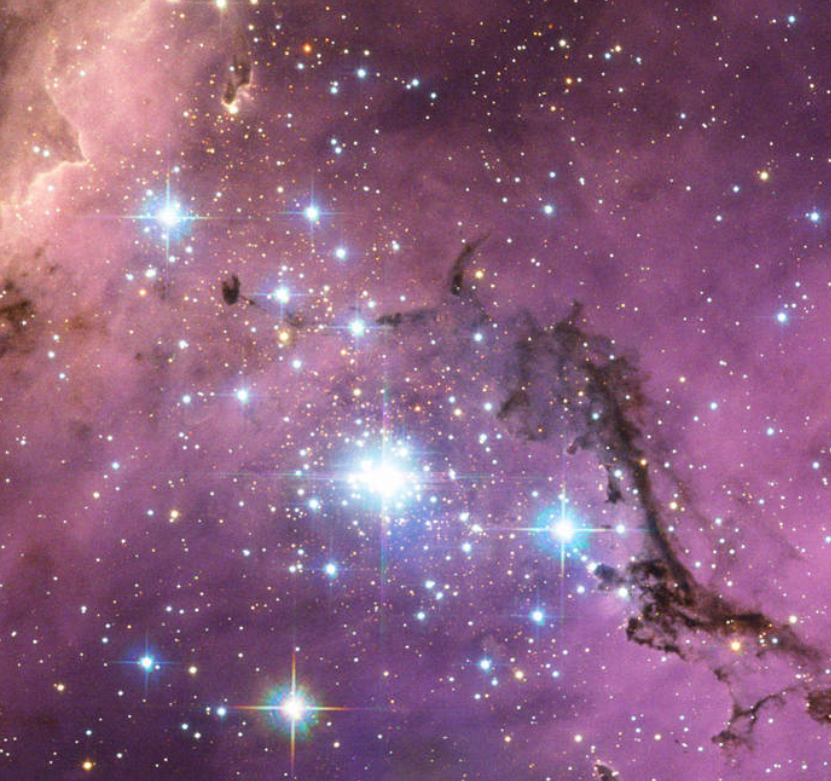
Searching for Ghost Clusters in the LMC: Are the Missing Star Clusters Really Missing?
This study investigated three star cluster candidates in the Large Magellanic Cloud’s age gap but found no strong evidence that they are real clusters. Instead, they appear to be random stellar overdensities. The findings suggest that the missing clusters may never have formed or were lost due to galactic interactions, challenging current models of star cluster formation.

Stellar Fossils from the Outer Halo: Exploring the Most Metal-Poor Stars with the DECam MAGIC Survey
Astronomers used the DECam MAGIC survey to identify six extremely metal-poor stars in the Milky Way’s outer halo, confirming their properties with high-resolution spectroscopy. One star, J0433–5548, stands out as a carbon-enhanced ultra metal-poor star likely formed from a single Population III supernova. These discoveries help trace the chemical evolution of the early universe and validate photometric selection methods.
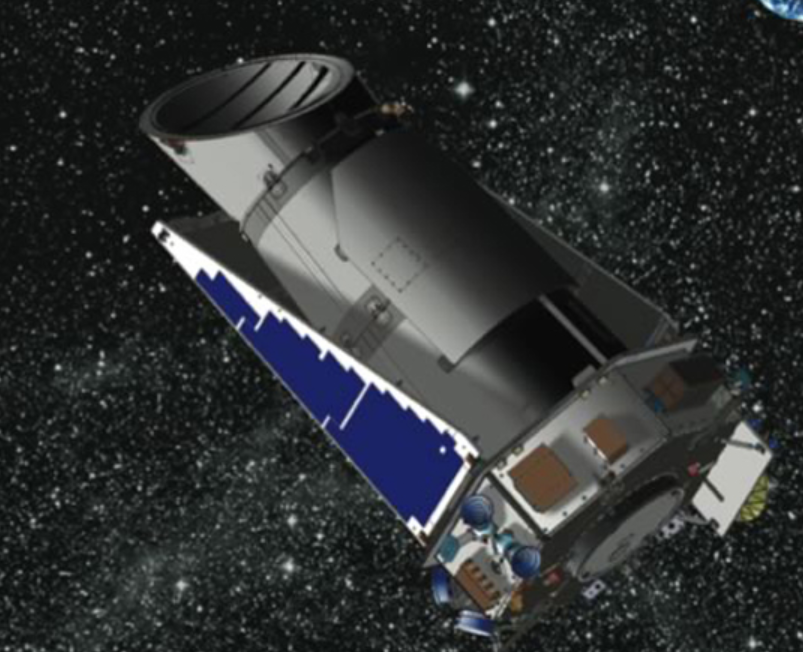
Mind the Gap: How Missing One Planet Can Skew Our View of Alien Solar Systems
Thomas et al. investigate how missing a planet affects our view of exoplanet systems. They find that removing a planet, especially one from the middle, disrupts the regular spacing (gap complexity) but doesn't affect planet mass similarity or system flatness. This supports the idea that uniform planetary spacing is an intrinsic feature, not just a detection bias.

XX Tri: Watching the Sky’s Most Spotted Star Evolve Over 40 Years
This study tracks 40 years of brightness changes in XX Tri, a highly active red giant star covered in dark starspots. Researchers identified multiple magnetic cycles, surface temperature increases, and solar-like differential rotation. Their findings suggest that the star’s unspotted brightness has increased over time, challenging assumptions in spot modeling and offering insights into stellar magnetism in binary systems.
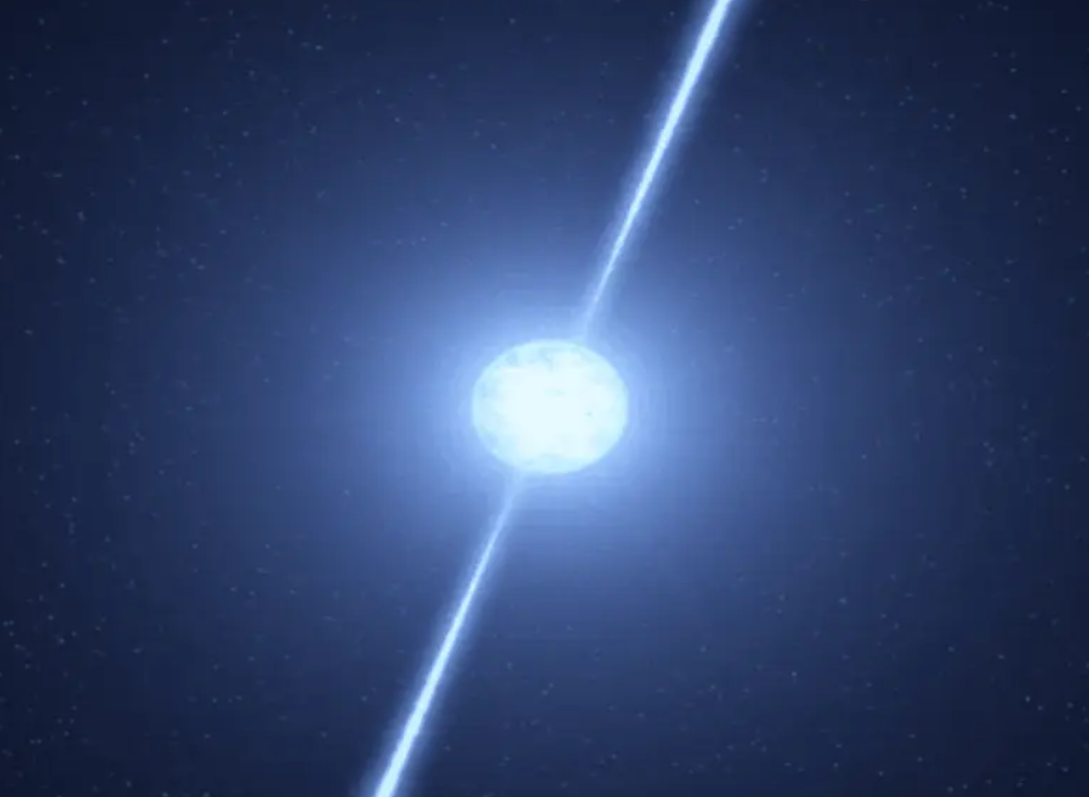
A Pulsar Clue: Finding a Hidden Clump of Dark Matter Near the Sun
Chakrabarti et al. report the first detection of a dark matter sub-halo near the Sun using pulsar timing data. By analyzing excess acceleration in binary pulsars, they infer a compact dark object with a mass around 10 million solar masses. This finding supports ΛCDM predictions and opens a new method for probing dark matter in our Galaxy.
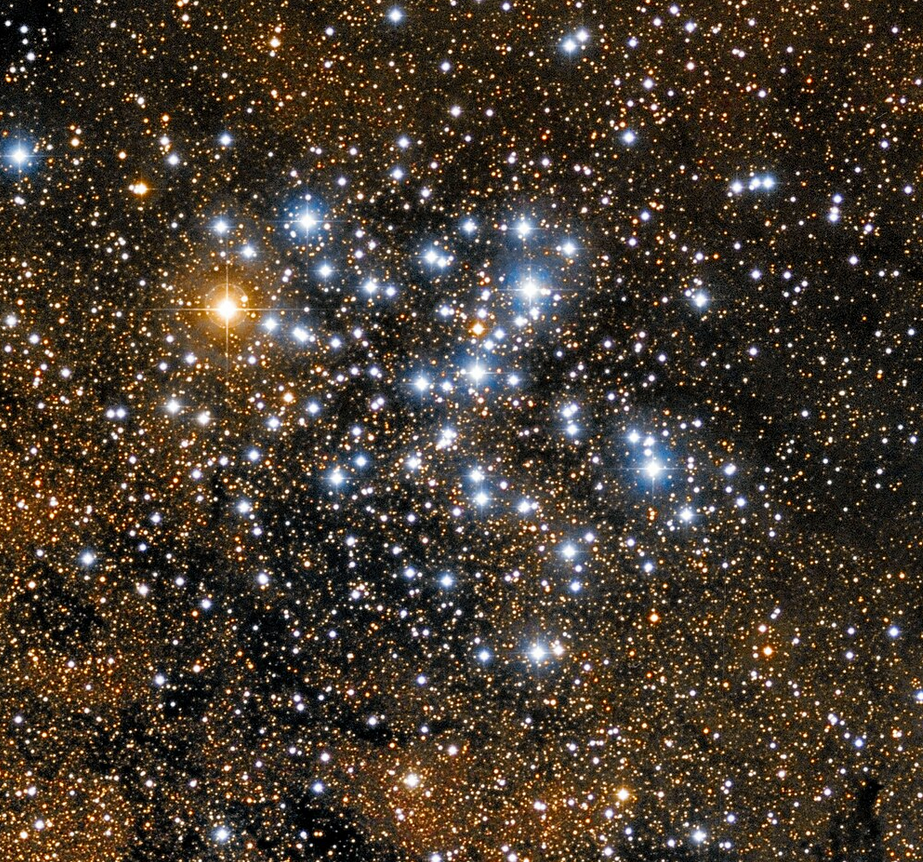
Unraveling the Lives of Young Star Clusters with Gaia
This study uses Gaia DR3 data to analyze 14 young open clusters, revealing their ages, distances, and internal motions. It finds signs of dynamical relaxation in low-mass stars and identifies potential "walkaway" massive stars. The work also explores star type ratios and spatial structures, offering insights into early cluster evolution.
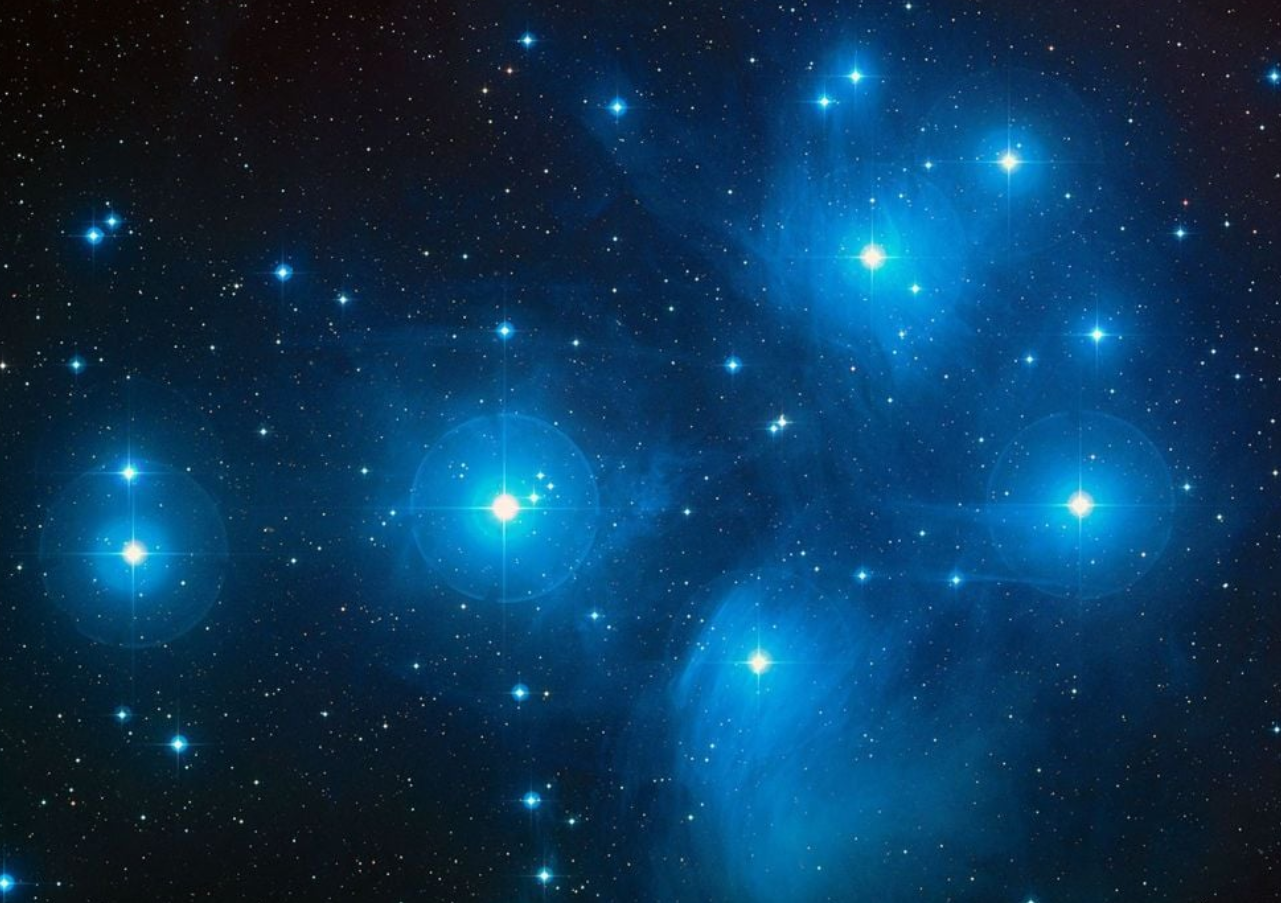
From Clouds to Clusters: Are the Orion, Pleiades, and Hyades Stages of the Same Star Cluster?
Safaei et al. simulate how a dense young cluster like the Orion Nebula Cluster (ONC) evolves over time. Their models show it can expand and lose stars to resemble the Pleiades at ~100 million years and the Hyades at ~800 million years. This suggests the ONC, Pleiades, and Hyades may represent stages of the same cluster type.
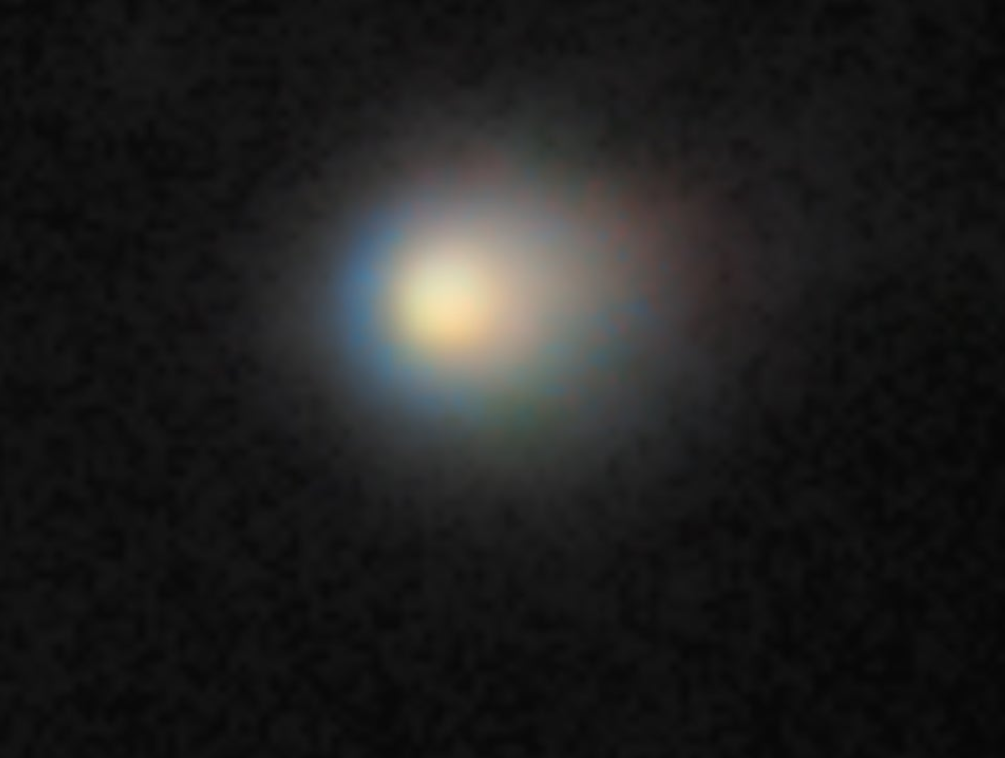
A New Visitor from the Stars: Studying Interstellar Comet 3I/ATLAS
Raúl de la Fuente Marcos and colleagues studied interstellar comet 3I/ATLAS, finding it has a dust-rich coma, a red D-type-like spectrum, and a 16.8-hour rotation period. Its properties resemble solar system comets, and its motion suggests it came from the galactic thin disk, likely from a Sun-like star system.
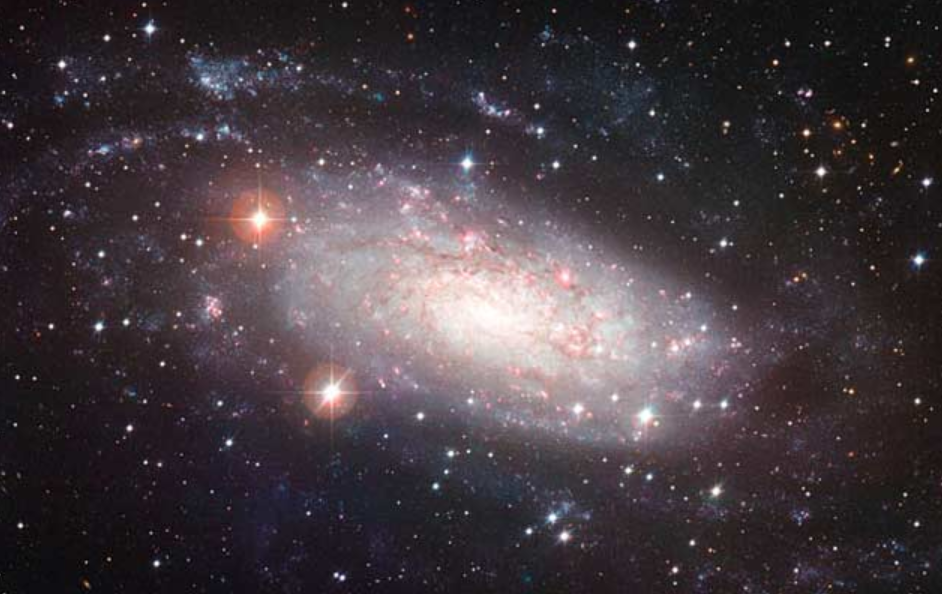
When a Bar Tricks the Eye: How Streaming Gas Motions Imitate a Bulge in the Milky Way
Junichi Baba’s study shows that gas motions in the Milky Way’s inner regions are strongly influenced by the central bar, creating non-circular streaming that mimics a massive bulge. Using simulations, he demonstrates that the steep rise in the inner rotation curve can be explained without extra mass, cautioning against overestimating the Galaxy’s central mass from gas-based methods alone.

A Cool Ocean World Beyond Earth? JWST Reveals K2-18 b’s Watery Interior
Renyu Hu et al. used JWST to study the atmosphere of K2-18 b, a temperate sub-Neptune. They detected methane and carbon dioxide but no water vapor, suggesting a water-rich interior beneath a thin hydrogen atmosphere. The findings hint at a possible liquid-water ocean, though alternative models remain plausible.
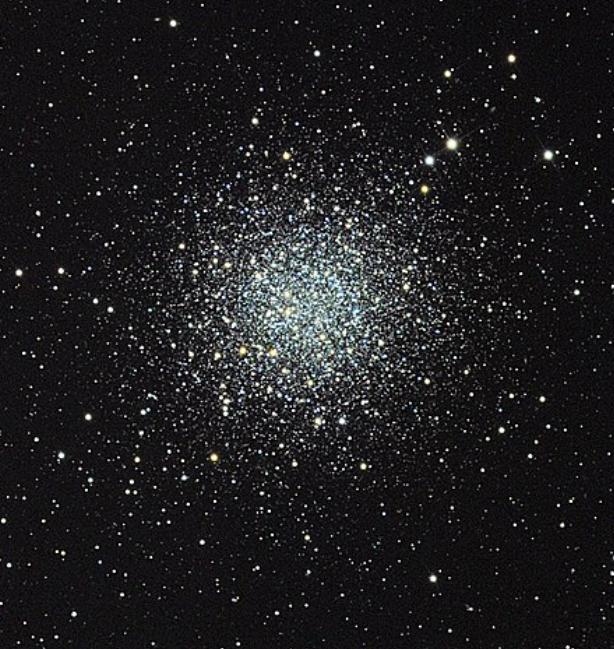
Unveiling the Faint Edges of Star Clusters in the Milky Way
Chiti et al. used DELVE survey data to search for faint, extra-tidal features around 19 Milky Way globular clusters. They discovered a clear stellar envelope around NGC 5897 and tentative evidence around NGC 7492. Simulations suggest deeper surveys like LSST can improve detections, though additional techniques may still be needed.
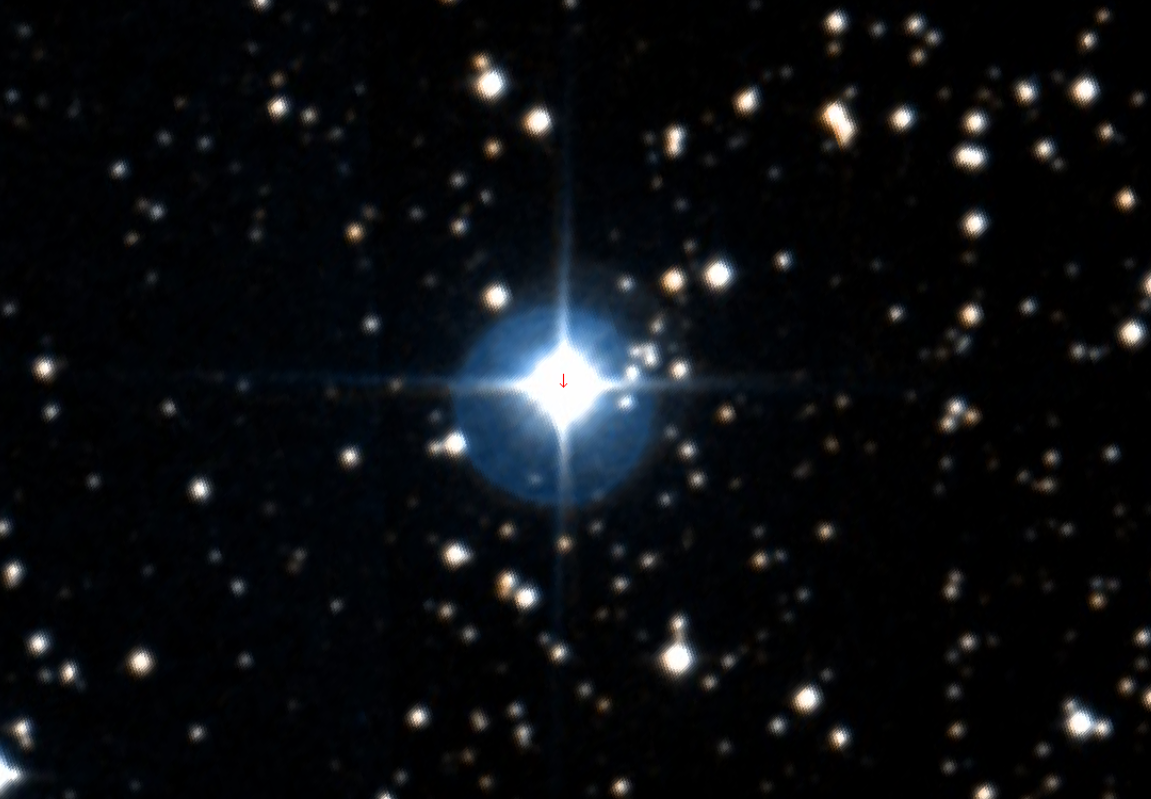
Tracing Ancient Mergers in the Heart of the Milky Way: RR Lyrae Stars and the Gaia-Enceladus/Sausage in the Inner Stellar Halo
Kunder et al. study RR Lyrae stars in the Milky Way’s inner halo to trace remnants of the ancient Gaia-Enceladus/Sausage merger. They find about 6-9% of these stars show motions and metallicities consistent with GES, less than in the solar neighborhood. Their results match simulations showing GES debris is less concentrated near the Galactic center.
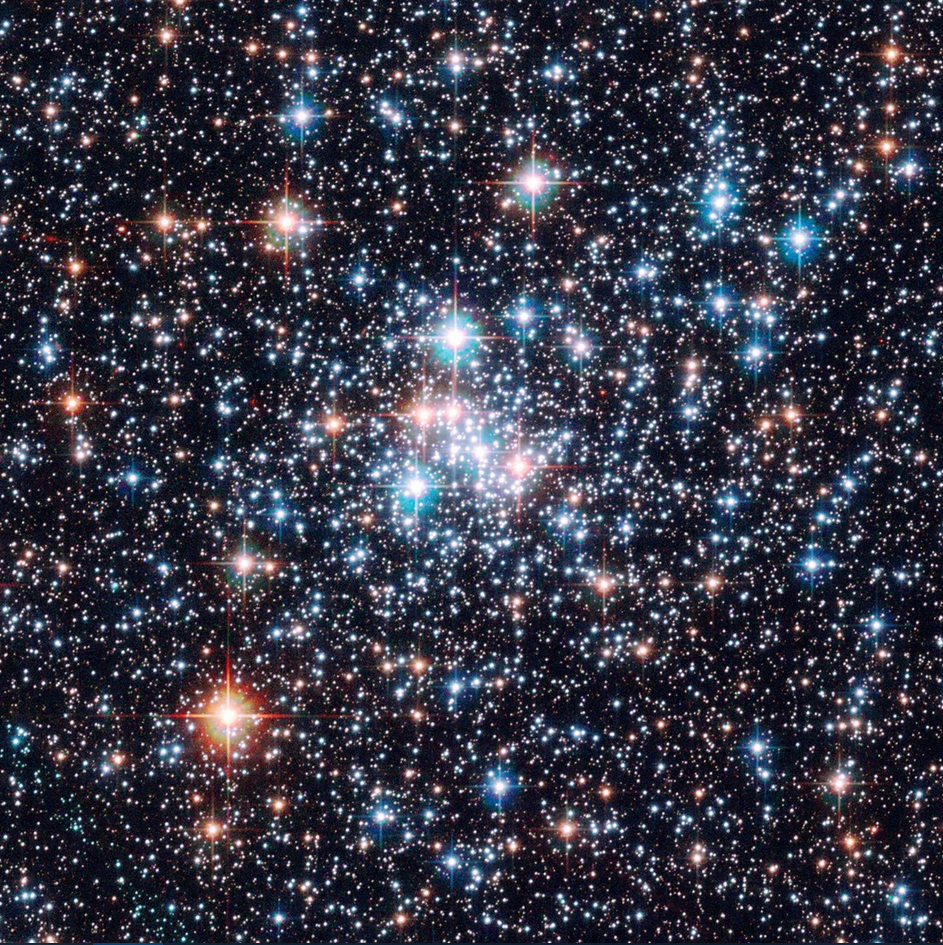
Mapping the Milky Way’s Metal: Chemical Clues from Open Star Clusters
Jonah Otto and colleagues use data from 164 open star clusters to map how elements are distributed across the Milky Way. They find that metallicity generally decreases with distance from the center and detect, for the first time with OCCAM data, variations depending on direction (azimuth). Their high-quality sample confirms known trends and reveals new clues about Galactic evolution.

A White Dwarf in Waiting: A Precursor Star with a Mysterious Massive Companion
Gautham Adamane Pallathadka and colleagues discovered SDSS J0229+7130, a proto-white dwarf orbiting an unseen, massive companion, likely a heavy white dwarf or neutron star. Using spectra, lightcurves, and models, they determined the system’s 36-hour orbit and ruled out a main-sequence companion. This rare binary likely formed through stable mass transfer and may evolve into a long-lived, compact pair emitting gravitational waves.
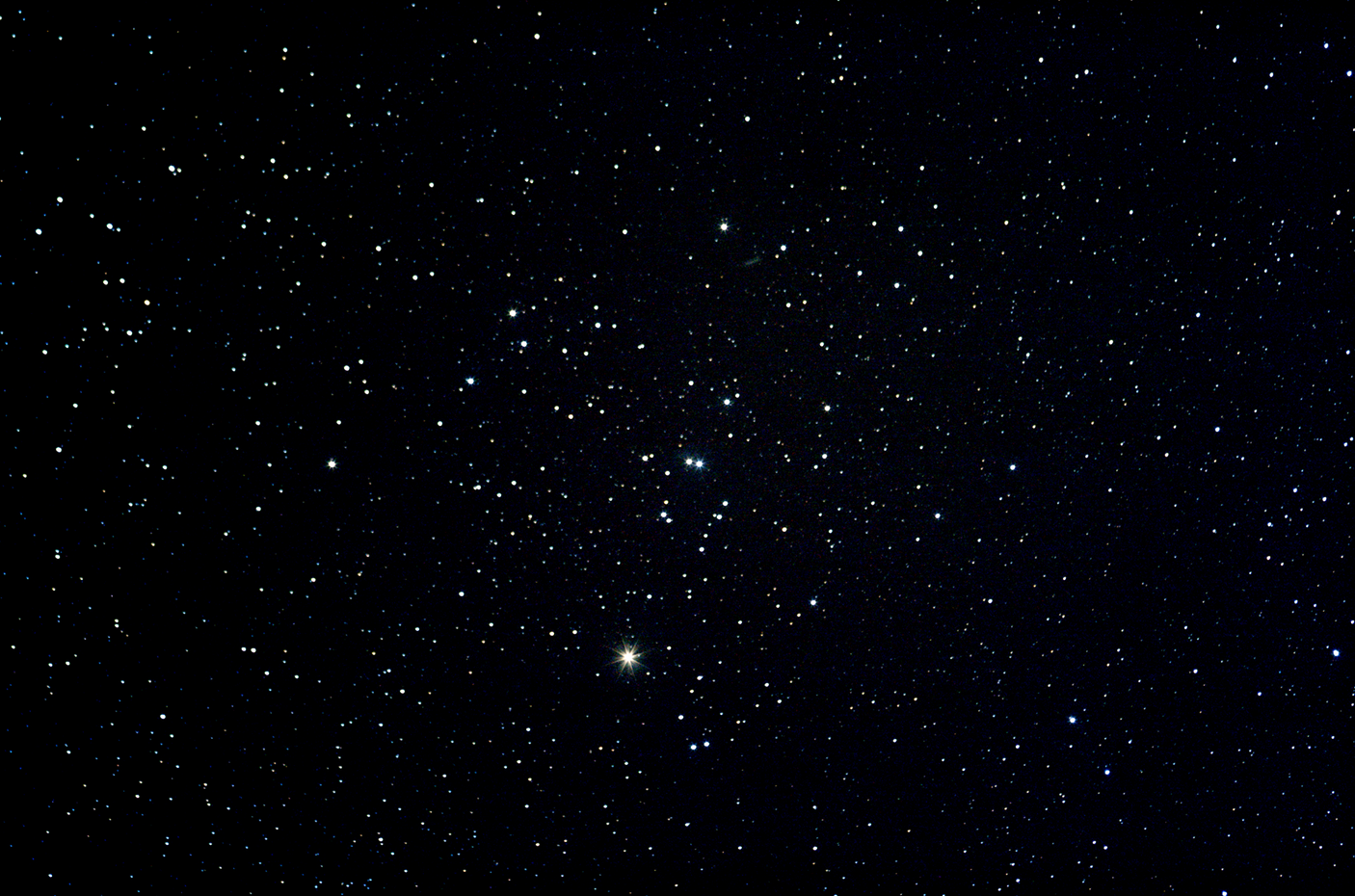
Catching the Streams: Dynamical Moving Groups in the Milky Way’s Halo
This paper finds two inward-moving streams of halo stars, “Iphicles” and “the Beret”, near the Sun, likely caused by resonances with the Milky Way’s bar rather than past mergers. Using Gaia data and simulations, the authors show these streams trace the bar’s influence throughout the halo, helping measure the Galaxy’s mass and bar pattern speed.

Tracing the Milky Way’s Past: How Globular Clusters Reveal the History of the Gaia-Sausage-Enceladus Merger
Fernando Aguado-Agelet and colleagues studied 13 globular clusters linked to the Gaia-Sausage-Enceladus (GSE) merger to trace the Milky Way’s history. They found most clusters follow a clear age-metallicity pattern, with two distinct star-formation bursts about 2 billion years apart, likely triggered by GSE’s interaction with the Milky Way. Two clusters probably formed in the Milky Way, and two others may belong to different mergers.
Unwrapping the Milky Way’s Warp: Insights from Classical Cepheids
Zhou et al. used Cepheids from Gaia to model the Milky Way’s warp, finding it starts closer to the center than thought, rises smoothly outward, and twists into a leading spiral. Their best-fit model also measured a slow, nearly uniform precession rate of about 4.86 km/s/kpc, offering insights into the warp’s structure and evolution.

When Stars Collide: Evidence for a Stellar Flyby in the Solar System’s Past
Susanne Pfalzner and colleagues propose that a close stellar flyby early in the Solar System’s history explains both the orbits and colors of trans-Neptunian objects. Their simulations show that such a flyby naturally produces the observed patterns, with red TNOs remaining in low-inclination orbits and grey ones populating higher inclinations and eccentricities. Upcoming observations could test these predictions.