
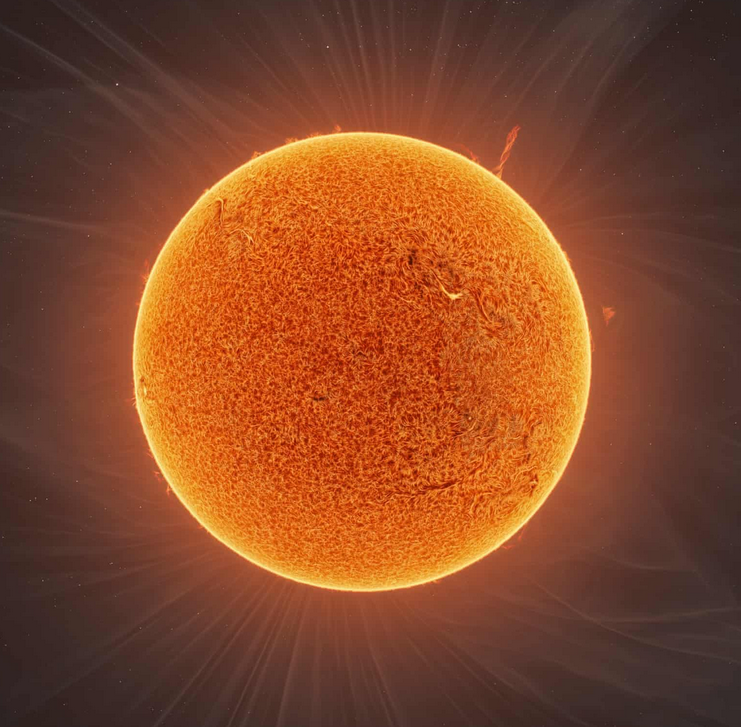
Is the Sun Really That Special? A Closer Look at Its Chemical Makeup
Carlos et al. studied 50 Sun-like stars to investigate whether the Sun's unusual chemical makeup is due to its planets. They found no strong link between giant planets and the Sun’s low refractory element content. Instead, the differences are better explained by the Galaxy’s chemical evolution. The Sun is slightly unusual, but not uniquely so.

How Metal Shapes the Light of Cepheids: A Stellar Evolution View of the Leavitt Law
This study uses stellar evolution models to show how metallicity affects the brightness-period relation (Leavitt Law) of Cepheid stars. The authors find that lower-metallicity Cepheids have steeper and slightly brighter period-luminosity relations. Their predictions match key observational data and support current methods for measuring the Hubble constant, especially those using reddening-free magnitudes.

Do Planets Steal a Star's Lithium? A New Look at 450 Stars
This study analyzed 450 stars to test whether having planets affects a star's lithium levels. Using high-resolution data and careful comparisons, the authors found no significant difference in lithium abundance between stars with and without planets. Factors like stellar mass and age explain lithium variation better than planet presence.

What Really Drains a Star’s Lithium? It’s Not Where It’s Been, But What It Is
Dantas et al. find that lithium depletion in stars is primarily driven by intrinsic properties like temperature, metallicity, and age—not by stellar motion. Outward-migrating stars appear more depleted simply because they are older and cooler. The study cautions against using lithium levels in such stars as indicators of the interstellar medium's composition.
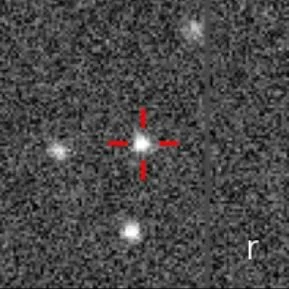
A Lonely Ice Giant: Discovering 2017 OF201 in the Outer Reaches of Our Solar System
Astronomers discovered 2017 OF201, a distant dwarf planet candidate with a highly elongated orbit reaching the inner Oort Cloud. Its unusual path and large size suggest a hidden population of similar objects. The discovery challenges the Planet X hypothesis, as 2017 OF201's orbit does not fit the expected clustering pattern and would be unstable if such a planet existed.

Grand Theft Moons: How Giant Planets Might Steal Their Way to Habitability
This study explores how moons around giant exoplanets might form and become habitable, especially due to tidal heating. Simulations show that planets around 2 AU from their stars produce the most promising moons. Some moons may escape the planet’s grip due to stellar gravity, but about 32% could still be habitable, expanding the search for life beyond Earth-like planets.
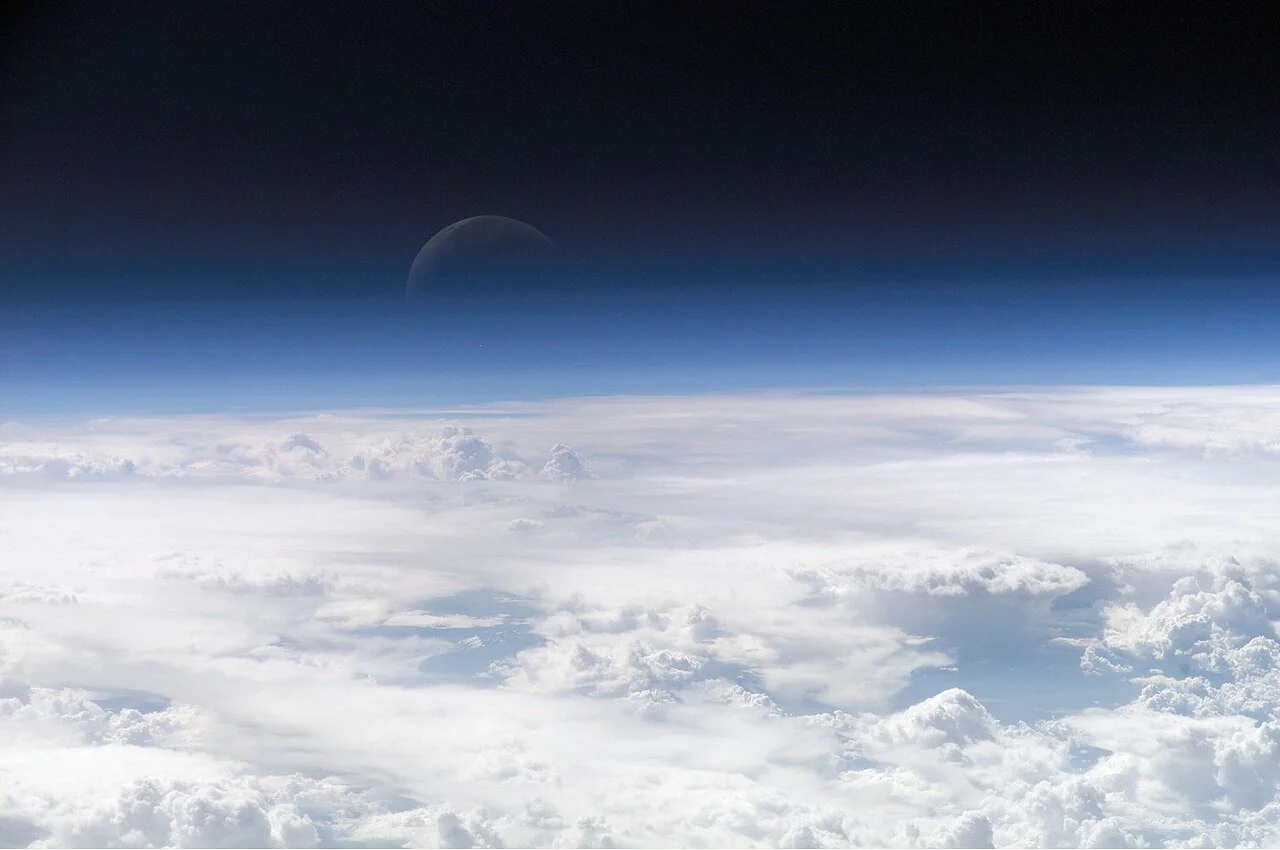
Hunting for Hidden Signs of Life: How Earth-like Biosignatures Challenge Astronomers
Amber Young and colleagues explored whether signs of life—specifically, chemical disequilibrium like Earth's O₂-CH₄ mix—can be detected on exoplanets. Using simulated observations and thermodynamics modeling, they found that such biosignatures are difficult to detect around Sun-like stars and only marginally easier around M dwarfs under extremely low-noise conditions. Their work outlines critical challenges and paths forward for future life-detection missions.
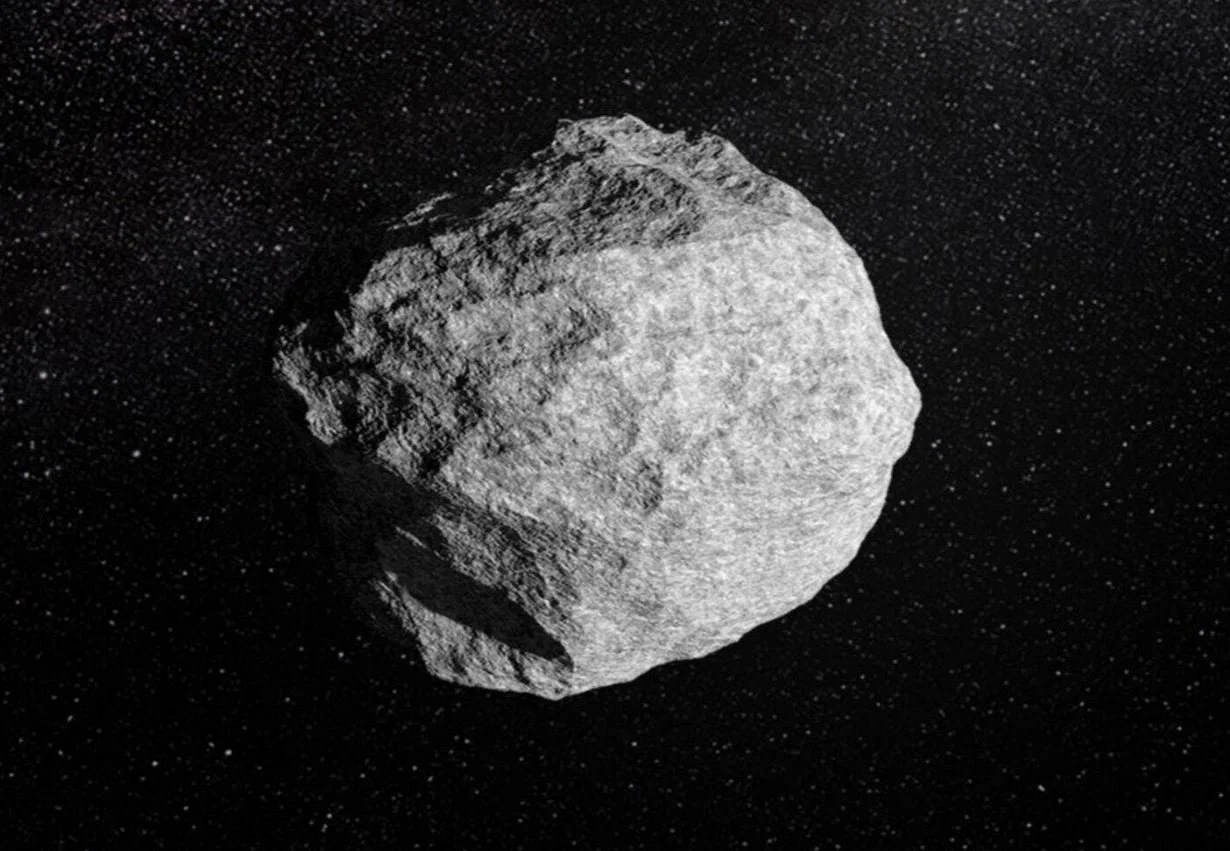
The Invisible Danger: Could Undiscovered Asteroids Near Venus Threaten Earth?
A new study led by Carruba suggests that many low-eccentricity asteroids sharing Venus’s orbit may exist undetected due to observational bias. Simulations show some could come dangerously close to Earth. While ground-based telescopes struggle to detect them, space missions near Venus could reveal this hidden, potentially hazardous population.

A Chemical Portrait of the Milky Way’s Heart: Mapping the Elements of the Nuclear Stellar Disc
Ryde et al. analyze nine stars in the Milky Way’s Nuclear Stellar Disc, measuring 18 chemical elements using infrared spectroscopy. Their results show strong chemical similarities between the NSD, Nuclear Star Cluster, and inner bulge, suggesting shared evolutionary histories. Sodium stands out with uniquely high levels, possibly linking the NSD to metal-rich clusters like Liller 1.

Do Spiral Arms Spark Star Birth? A Deep Dive into the Star Formation Life Cycle
Romanelli et al. find that spiral arms do not trigger star formation but instead act as gas collectors. Molecular cloud lifetimes, feedback timescales, and star formation processes are similar in spiral arms and inter-arm regions. Surprisingly, star formation efficiency is slightly higher in inter-arm regions, suggesting local conditions drive star formation more than large-scale galactic structures.

Titan’s Changing Skies: New Insights from JWST and Keck
Scientists used JWST and Keck observations to study Titan’s atmosphere during late northern summer. They detected the CH₃ radical for the first time, observed CO and CO₂ emissions across a wide altitude range, and tracked evolving methane clouds. These findings reveal active weather, deep convection, and confirm long-standing predictions about Titan’s atmospheric composition and seasonal climate changes.
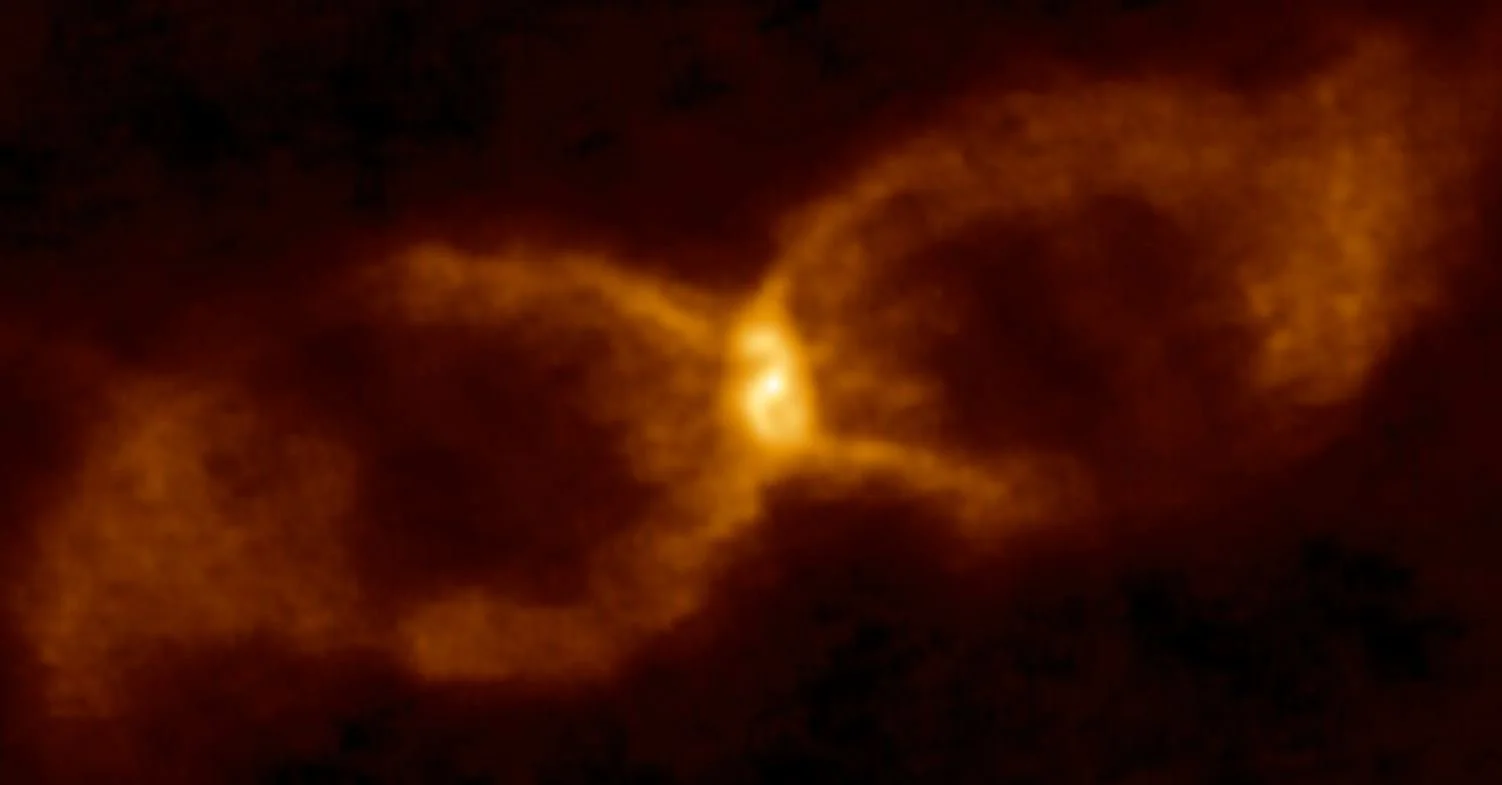
A Star to Remember: Investigating the 1408 Celestial Guest
Researchers reanalyzed a 1408 “guest star” recorded in Chinese texts and concluded it was likely a classical nova, not a comet. They identified CK Vul, a remnant of a later 1670 event, as a possible related system. The study highlights how historical records and modern astronomy together can reveal long-term stellar evolution.
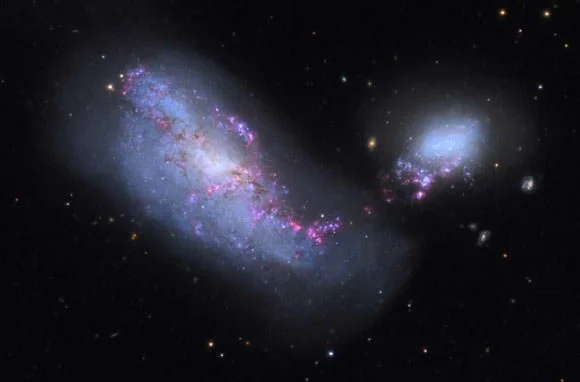
Ghosts and Companions of the Milky Way: What Dwarf Galaxies Tell Us About Galaxy Formation
Grimozzi et al. used simulations to compare gas in disrupted and surviving dwarf galaxies around the Milky Way. They found that disrupted dwarfs, accreted earlier, have lower metallicity and higher [Mg/Fe], reflecting bursty star formation. These chemical differences reveal how timing influences galaxy evolution in the Milky Way’s past.
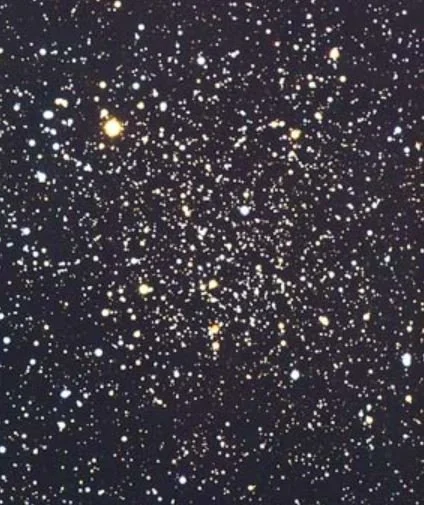
Peering Through the Dust: Exploring the Metal-Poor Open Cluster Trumpler 5 in Infrared
This study used infrared spectroscopy to analyze seven red giant stars in the dust-obscured open cluster Trumpler 5 (Tr5). The team developed a new method to estimate stellar gravity and measured abundances for over 20 elements. Their findings confirmed Tr5’s metal-poor nature, estimated its age at 2.5 billion years, and enhanced understanding of stellar evolution in dusty regions of the Milky Way.
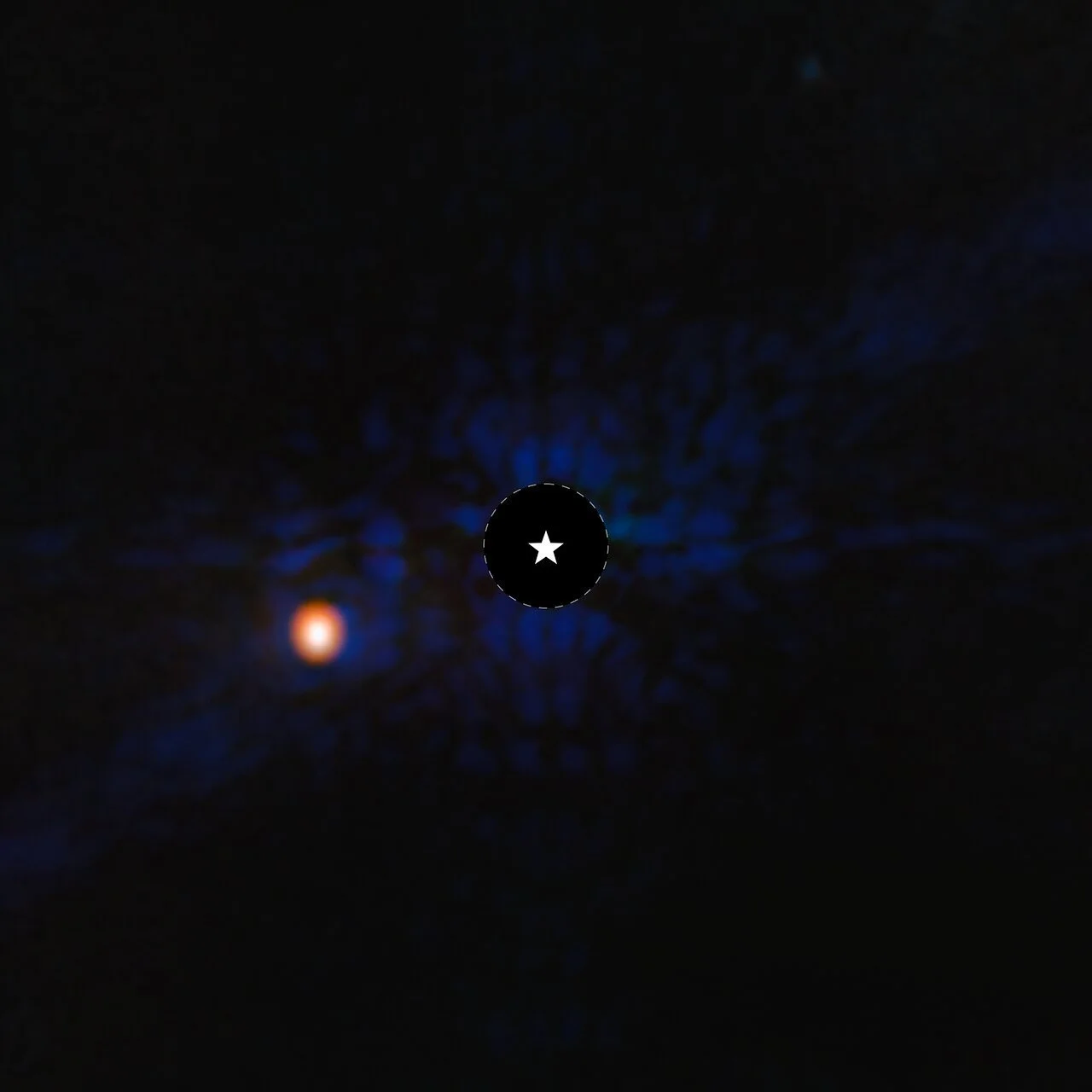
From Pebbles to Planets: Exploring the Rich Diversity of Small Worlds Beyond Our Solar System
This review explores the diverse worlds of low-mass exoplanets, focusing on how they form, what they're made of, and how we study them using tools like JWST. It highlights the importance of planet size, disk structure, and atmospheric loss, and even examines clues from planets orbiting dead stars. These findings offer key insights into how Earth-like planets may form and evolve.
Chasing a Galactic Starburst: Clues from the Milky Way’s High Proper-Motion Stars
This study uncovers a unique group of stars, called LAHN stars, that likely formed during a major merger between the Milky Way and the Gaia-Sausage/Enceladus galaxy. Their distinct chemical signatures and orbits suggest a burst of star formation triggered by the collision. These stars help reveal how such events shaped the Milky Way’s early evolution.

Reading Planetary Surfaces in the Skies: How Exoplanet Atmospheres Reveal Their Rocky Roots
Herbort and Sereinig model how rocky exoplanet surfaces influence their atmospheres, showing that specific gases and clouds in an atmosphere can hint at underlying rock types. Using chemical equilibrium models and simulated spectra, they find links between atmospheric composition and crustal minerals. This research helps interpret telescope data to infer exoplanet surface composition.
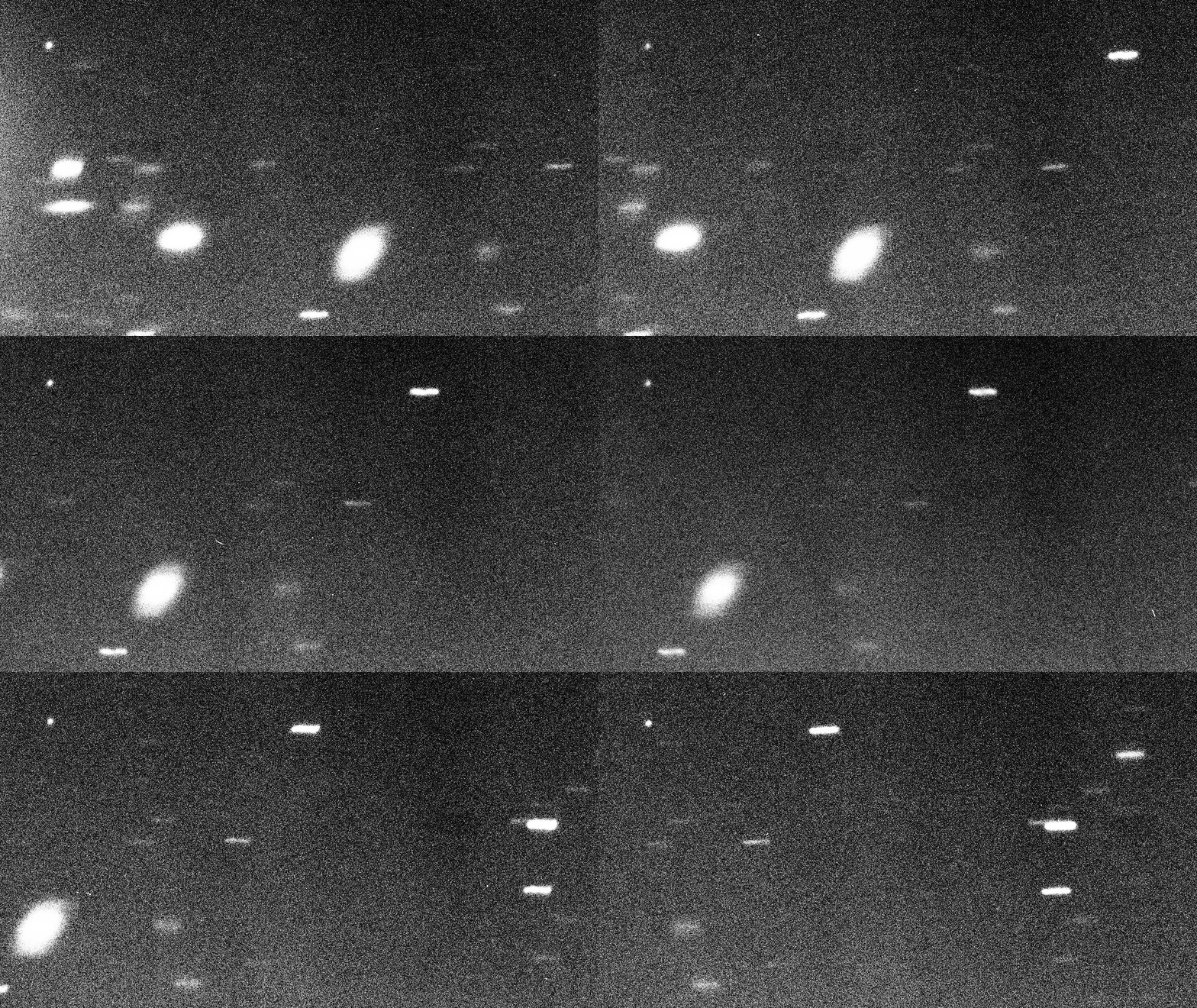
Lunar Launchpads: How the Moon Might Be Creating Earth’s Orbiting Companions
This study explores how fragments from the Moon, ejected during impacts, could become Earth’s co-orbital companions. Simulations show that about 6.7% of lunar ejecta can enter such orbits, especially when launched from equatorial regions at specific speeds. The findings support a lunar origin for objects like Kamo’oalewa and suggest a steady process replenishing these near-Earth companions over time.

Illuminating Star Birth: JWST Reveals the Life Stages of Emerging Star Clusters in M83
This study uses JWST observations to uncover the early life stages of star clusters in the galaxy M83. By classifying clusters based on infrared emissions, the authors track their emergence from gas and dust. Most clusters become exposed within 6 million years, though only 20–30% remain bound. The central galaxy region forms the most massive clusters, highlighting environmental effects on star formation.

Tracking Star Movements: What NGC 2808 Reveals About the Lives of Star Clusters
This study of NGC 2808 shows that its different stellar populations move separately, especially in the cluster's outer regions. Second-generation stars exhibit more radial motion, supporting theories about their central origin and outward diffusion. The cluster also shows partial energy equipartition, more developed near the center.